
Now Reading: Top 5 Tourist Places in Huila, Colombia
-
01
Top 5 Tourist Places in Huila, Colombia
Top 5 Tourist Places in Huila, Colombia
Huila, Colombia: Ancient Statues, Desert Skies, and Coffee-Growing Traditions
Located in southern Colombia, Huila is a land of striking contrasts. From the otherworldly landscapes of the Tatacoa Desert to the mysterious stone statues of San Agustín, from the lively cultural energy of Neiva to the flowing waters of the Magdalena River and the green hills of coffee farms, Huila offers travelers an unforgettable journey through time and terrain.
This department plays a vital role in Colombia’s cultural and geographical identity. It is here that ancient civilizations left their mark, rivers shaped trade and settlement, and coffee became both livelihood and pride.
This long-form travel guide explores the top five must-visit places and experiences in Huila, revealing why this department is one of Colombia’s most rewarding destinations.
1. Tatacoa Desert – A Stargazing Paradise on Earth
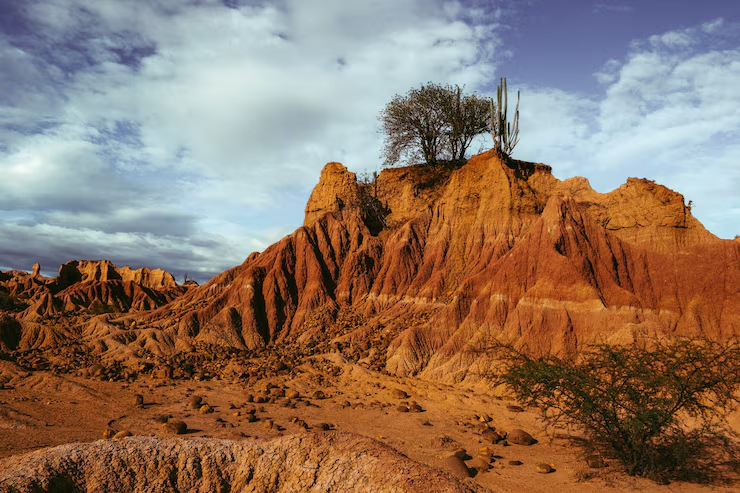
The Tatacoa Desert is Huila’s most iconic natural attraction and one of Colombia’s most surreal landscapes. Despite its name, Tatacoa is not a true desert but a vast tropical dry forest, sculpted by erosion into dramatic canyons and labyrinths.
A Landscape Like No Other
The desert is divided into two main zones:
- Red Zone with rust-colored clay formations
- Gray Zone with soft, moonlike terrain
Walking through Tatacoa feels like stepping onto another planet, where silence and scale dominate the senses.
World-Class Stargazing
Tatacoa is internationally recognized for its exceptional stargazing conditions. Minimal light pollution, clear skies, and dry air make it one of the best places in Colombia to observe:
- Stars
- Planets
- Meteor showers
- The Milky Way
Local observatories offer guided night tours, transforming the desert into an open-air astronomy classroom.
Day and Night Experiences
During the day, visitors explore hiking trails and geological formations. At night, the desert transforms into a celestial theater.
Why Visit Tatacoa Desert?
It offers unmatched landscapes and one of the best stargazing experiences in South America.
2. San Agustín Archaeological Park – Guardians of an Ancient Civilization (UNESCO)
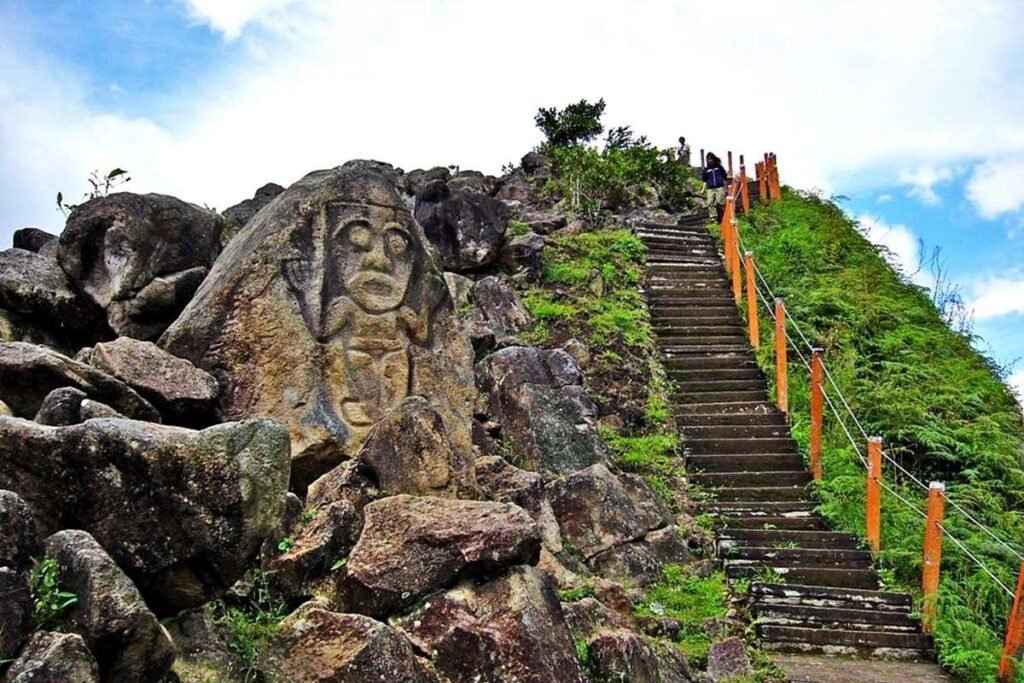
The San Agustín Archaeological Park is Colombia’s most important pre-Columbian site and a UNESCO World Heritage Site. Nestled among rolling hills and forests, the park preserves the legacy of a mysterious ancient civilization.
Monumental Stone Statues
The park is home to hundreds of carved stone statues, some towering and others intricately detailed. These sculptures depict:
- Human figures
- Mythical beings
- Animals with symbolic meaning
Their expressions range from serene to fierce, suggesting ritual, power, and spirituality.
An Unsolved Historical Mystery
Despite extensive research, much about the San Agustín culture remains unknown. Archaeologists believe the statues served ceremonial and funerary purposes, protecting sacred burial sites.
A Sacred Landscape
The park’s natural setting enhances its mystical atmosphere. Rivers, hills, and ancient pathways create a sense of timelessness.
Why Visit San Agustín Archaeological Park?
It offers one of South America’s greatest archaeological and spiritual experiences.
3. Neiva – Cultural Heart of Huila
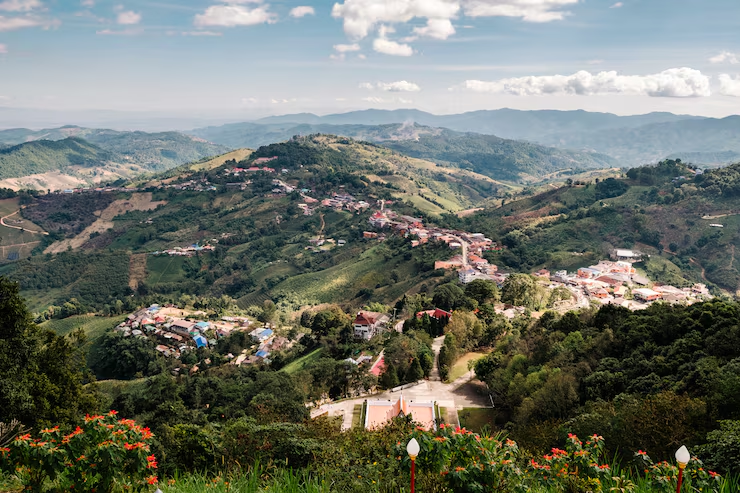
Neiva, the capital of Huila, is a vibrant city that serves as the region’s cultural and economic center. Located along the Magdalena River, Neiva blends tradition with modern life.
A City of Music and Dance
Neiva is famous for its role in preserving traditional Colombian music and dance. Festivals, performances, and cultural events are central to the city’s identity.
Urban Life with Regional Pride
Markets, plazas, and public spaces reflect Huila’s agricultural roots and artistic heritage. The city’s warmth comes not just from its climate, but from its people.
Gateway to Regional Attractions
Neiva serves as the main gateway to Tatacoa Desert, coffee regions, and archaeological sites, making it an essential stop for travelers.
Why Visit Neiva?
It offers culture, hospitality, and a strong connection to Huila’s traditions.
4. Magdalena River – The Lifeblood of Colombia
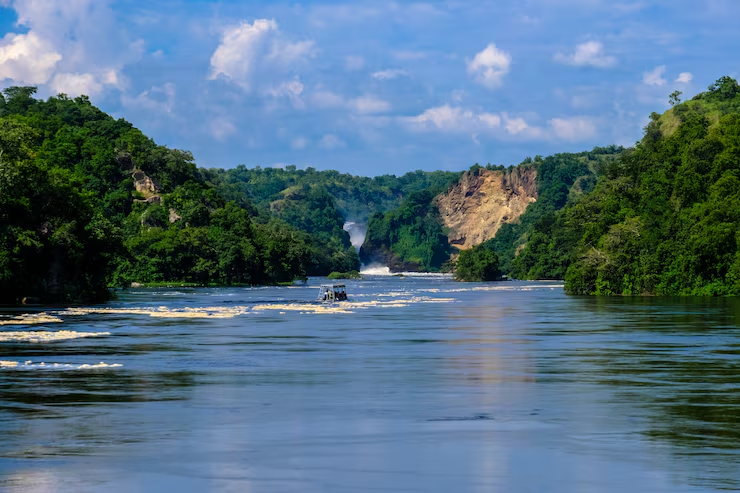
The Magdalena River, Colombia’s most important river, flows through Huila, shaping the region’s history and economy.
A River of History
For centuries, the Magdalena River has been a vital transportation route, enabling trade, communication, and cultural exchange.
River Tours and Scenic Beauty
River tours provide a peaceful way to experience Huila’s landscapes. Travelers can observe:
- Riverbanks lined with vegetation
- Fishing communities
- Wildlife and birdlife
The slow movement of the river offers a different perspective on Colombia’s geography.
Cultural Importance
The river holds deep symbolic meaning in Colombian culture, representing life, continuity, and national identity.
Why Explore the Magdalena River?
It offers scenic relaxation and historical insight into Colombia’s past.
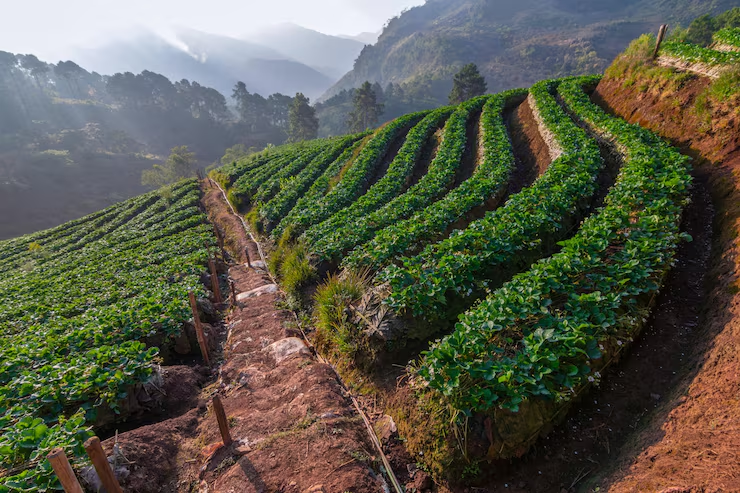
5. Coffee Farms – Green Hills and Rich Traditions
Huila is one of Colombia’s leading coffee-producing regions, known internationally for high-quality beans.
Coffee Landscapes
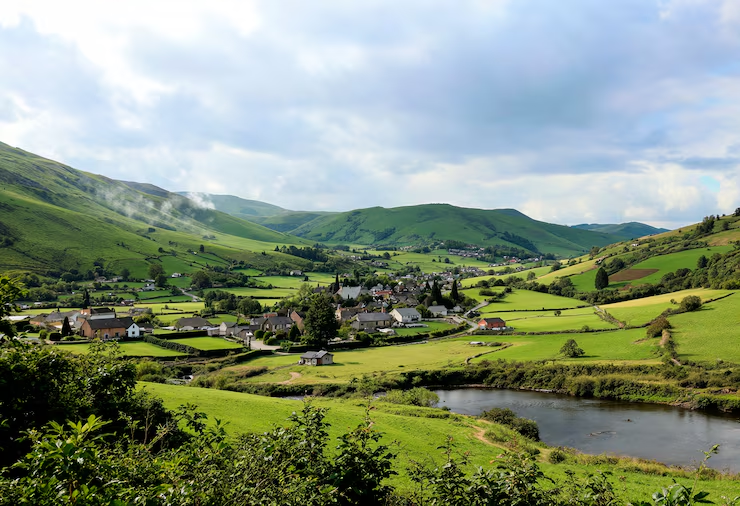
Rolling hills, misty mornings, and fertile soil create ideal conditions for coffee cultivation. The scenery is both productive and beautiful.
From Bean to Cup
Visiting coffee farms allows travelers to learn about:
- Coffee planting and harvesting
- Traditional processing methods
- Tasting and brewing techniques
Coffee here is more than a crop—it’s a way of life.
Community and Sustainability
Many farms emphasize sustainable practices and family-run operations, preserving both the environment and cultural heritage.
Why Visit Huila’s Coffee Farms?
They offer authentic rural experiences and some of Colombia’s finest coffee.
Final Thoughts: Why Huila Is a Journey Through Time and Nature
Huila is a department where ancient civilizations, natural extremes, and living traditions coexist in harmony. From the cosmic skies of Tatacoa Desert to the silent stone guardians of San Agustín, from the lively streets of Neiva to the timeless flow of the Magdalena River and the green embrace of coffee farms, Huila tells a story that spans millennia.
For travelers seeking history, nature, culture, and authenticity, Huila offers a deeply rewarding and unforgettable experience.