
Now Reading: Top 5 Tourist Places in Jiangsu, China
-
01
Top 5 Tourist Places in Jiangsu, China
Top 5 Tourist Places in Jiangsu, China
Jiangsu Travel Guide: Classical Gardens, Ancient Capitals, Water Towns, and the Elegant Soul of Eastern China
Jiangsu Province is one of China’s most culturally refined and historically significant regions. Located along the lower reaches of the Yangtze River and the eastern coastline, Jiangsu has long been a center of wealth, scholarship, trade, and artistic achievement. Known for its elegant cities, classical gardens, canal towns, and deep literary traditions, Jiangsu represents the graceful side of Chinese civilization.
For centuries, emperors, scholars, merchants, and poets shaped Jiangsu into a land of beauty and balance. From the world-famous gardens of Suzhou and the imperial legacy of Nanjing to the serene waters of Taihu Lake, the cultural charm of Yangzhou, and the romantic canals of Zhouzhuang, Jiangsu offers travelers a refined and unforgettable experience.
This 2,000+ word comprehensive Jiangsu travel guide explores the province’s top five tourist destinations:
- Suzhou
- Nanjing
- Wuxi
- Yangzhou
- Zhouzhuang
1. Suzhou – Classical Gardens, Canals, and the Venice of the East

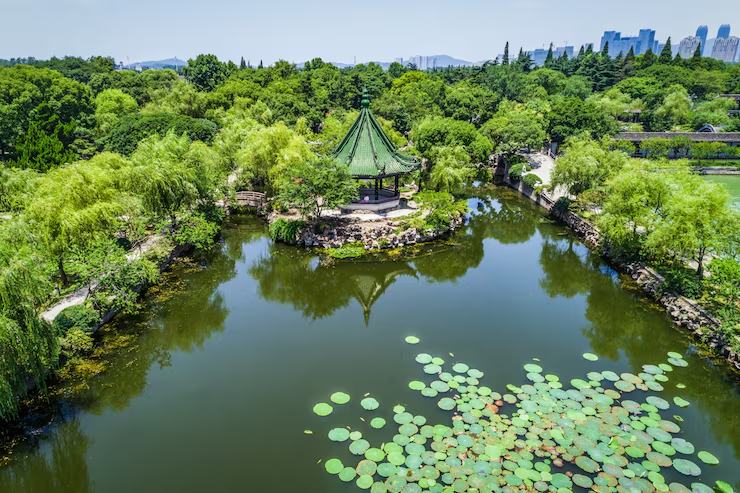
Suzhou is Jiangsu’s most famous city and one of the most elegant destinations in all of China. Often called the “Venice of the East,” Suzhou is renowned for its classical Chinese gardens, ancient canals, silk heritage, and refined lifestyle.
A City of Scholars and Garden Art
Suzhou’s history stretches back over 2,500 years, and the city flourished during imperial times as a center of scholarship and artistry. Wealthy officials and scholars built private gardens as spaces for contemplation, poetry, and harmony with nature.
These gardens are not simply decorative—they represent philosophical ideals of balance, proportion, and natural beauty.
UNESCO-Listed Classical Gardens
Suzhou is home to nine UNESCO World Heritage–listed gardens, including:
- Humble Administrator’s Garden – The largest and most famous garden
- Lingering Garden – Known for its exquisite rockeries
- Master of the Nets Garden – A masterpiece of compact design
Each garden blends pavilions, ponds, rocks, trees, and corridors into a living painting.
Canals and Old Streets
Suzhou’s canal network runs through old neighborhoods lined with whitewashed houses and stone bridges. Walking along streets like Pingjiang Road offers a glimpse into traditional Jiangnan life.
Silk and Culture
Suzhou has been a major silk-producing center for centuries. Visitors can explore silk museums and workshops showcasing traditional craftsmanship.
Why Visit Suzhou
Suzhou represents the height of Chinese elegance, where art, nature, and daily life merge seamlessly.
2. Nanjing – Imperial Capital and Witness to History
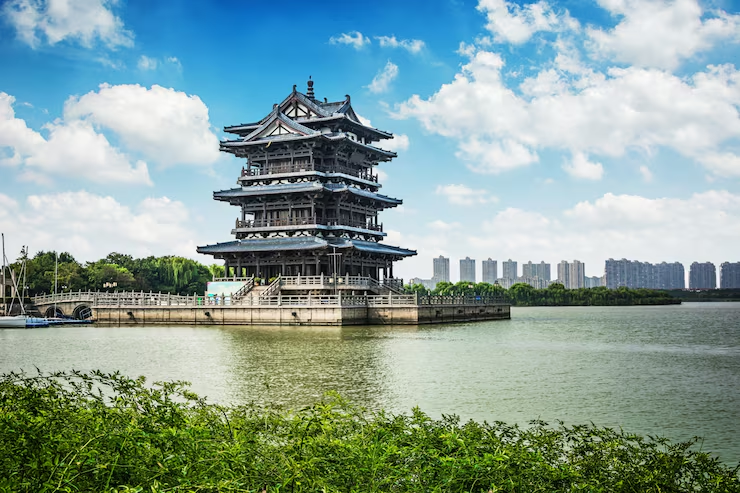
Nanjing, the capital of Jiangsu Province, is one of China’s Four Great Ancient Capitals. With a history spanning more than 2,500 years, Nanjing has served as the capital for several dynasties and governments, leaving behind a city rich in monuments, memories, and cultural depth.
Historical Importance
Nanjing was the capital during:
- The Six Dynasties period
- Early Ming Dynasty
- Republic of China era
Its location along the Yangtze River made it a strategic political and cultural center.
Major Historical Attractions
- Ming Xiaoling Mausoleum – Tomb of the Hongwu Emperor
- Nanjing City Wall – One of the longest and best-preserved city walls in the world
- Sun Yat-sen Mausoleum – Monument honoring the founder of modern China
Confucian and Cultural Heritage
- Confucius Temple (Fuzimiao) – Cultural hub with lantern-lit streets and river views
- Museums and memorials documenting China’s modern history
Natural Beauty in the City
Nanjing is surrounded by hills, lakes, and greenery, offering scenic escapes within the city.
Why Visit Nanjing
Nanjing is where imperial glory, modern history, and natural beauty converge, making it one of China’s most meaningful cities to explore.
3. Wuxi – Taihu Lake Scenery and Spiritual Landscapes
Wuxi is a scenic city located on the shores of Taihu Lake, one of China’s largest freshwater lakes. Known for its peaceful landscapes, gardens, and Buddhist sites, Wuxi offers a slower, more relaxed travel experience.
Taihu Lake – Natural Beauty and Serenity
Taihu Lake has inspired poets and painters for centuries. Its calm waters, misty islands, and lotus-covered shores create a poetic atmosphere.
Visitors can enjoy:
- Lakeside walks
- Boat cruises
- Sunset photography
Lingshan Buddhist Scenic Area
One of Wuxi’s most famous attractions is the Lingshan Grand Buddha, a massive bronze statue symbolizing peace and enlightenment.
The surrounding complex includes:
- Temples and pagodas
- Gardens and meditation spaces
- Cultural performances
Gardens and Countryside
Wuxi is also known for classical gardens, wetlands, and nearby water villages that reflect Jiangsu’s rural charm.
Why Visit Wuxi
Wuxi is ideal for travelers seeking scenic beauty, spiritual calm, and lakeside relaxation.
4. Yangzhou – Cultural Elegance and Garden Traditions
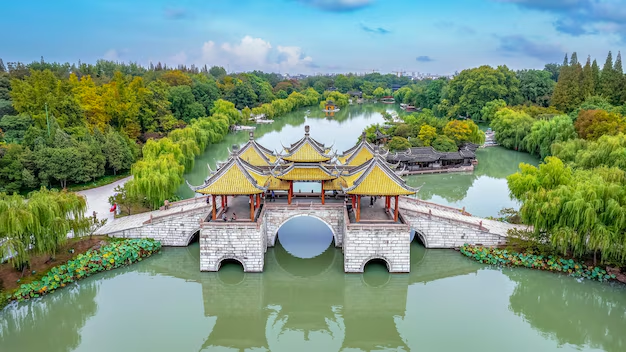
Yangzhou is a city synonymous with refinement, poetry, and traditional Chinese aesthetics. Historically wealthy due to salt trade along the Grand Canal, Yangzhou became a center of culture, cuisine, and garden design.
Historical and Cultural Significance
Yangzhou flourished during the Tang and Qing Dynasties, attracting scholars, artists, and merchants. Its prosperity funded exquisite gardens and cultural institutions.
Famous Gardens of Yangzhou
- Slender West Lake – A long, narrow lake with bridges, pavilions, and willow-lined banks
- He Garden – A masterpiece of late Qing Dynasty architecture
- Ge Garden – Known for its bamboo landscapes
Literary and Artistic Heritage
Yangzhou inspired countless poems, paintings, and essays, becoming a symbol of cultured living in Chinese literature.
Why Visit Yangzhou
Yangzhou offers a refined travel experience rooted in elegance, history, and traditional Chinese beauty.
5. Zhouzhuang – China’s Most Famous Water Town
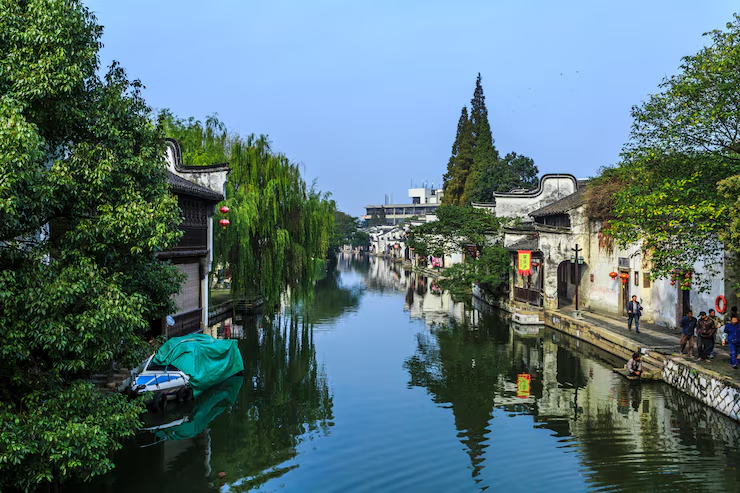
Zhouzhuang is the most famous water town in China and a symbol of Jiangnan’s canal culture. Located between Suzhou and Shanghai, Zhouzhuang is renowned for its ancient bridges, canals, and preserved architecture.
A Town Built on Water
Zhouzhuang is crisscrossed by canals, with stone bridges linking neighborhoods and wooden houses lining the waterways. Boats remain a primary mode of transport, giving the town its timeless charm.
Historic Bridges and Architecture
- Double Bridge (Shuangqiao) – Zhouzhuang’s iconic landmark
- Ming and Qing Dynasty residences
- Narrow alleys and stone pathways
Local Life and Traditions
Despite tourism, Zhouzhuang retains traditional customs, local crafts, and water-town cuisine.
Best Time to Visit
Early morning and evening offer the most peaceful and atmospheric experience.
Why Visit Zhouzhuang
Zhouzhuang is the essence of traditional Jiangnan water towns—romantic, peaceful, and deeply cultural.
Best Time to Visit Jiangsu
- Spring (Mar–May): Gardens in full bloom
- Summer (Jun–Aug): Lush landscapes, canal towns lively
- Autumn (Sep–Oct): Best weather, fewer crowds
- Winter: Quiet charm, misty scenery