
Now Reading: Top 5 Tourist Places in La Guajira, Colombia
-
01
Top 5 Tourist Places in La Guajira, Colombia
Top 5 Tourist Places in La Guajira, Colombia
La Guajira, Colombia: Where the Desert Meets the Caribbean Sea
Located at the northern tip of Colombia, La Guajira is a region unlike any other in the country. Here, endless desert landscapes stretch toward the Caribbean Sea, creating dramatic contrasts of color, climate, and culture. This department is home to Colombia’s most powerful natural extremes and one of its most resilient Indigenous communities.
La Guajira is not a place of luxury tourism—it is a destination of raw beauty, ancestral traditions, and profound connection to land and sea. Travelers who venture here discover a Colombia that feels ancient, vast, and deeply spiritual.
This long-form travel guide explores the top five must-visit places and experiences in La Guajira, revealing why this region is one of South America’s most extraordinary destinations.
1. Cabo de la Vela – Where the Desert Touches the Sea
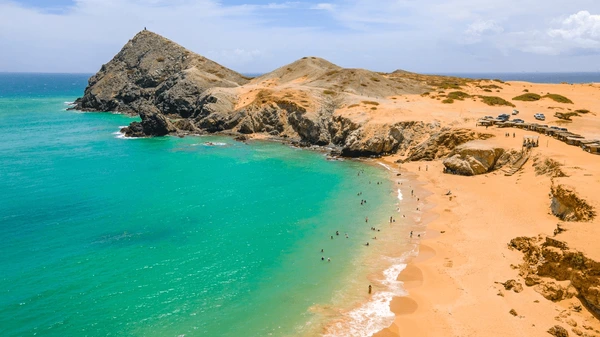
Cabo de la Vela is one of La Guajira’s most iconic destinations, famous for its surreal landscapes where sand dunes roll directly into the Caribbean Sea.
A Landscape of Extreme Beauty
The coastline at Cabo de la Vela is defined by:
- Golden desert plains
- Rocky cliffs
- Turquoise and deep-blue waters
The absence of large developments allows the natural environment to dominate. The wind, sun, and sea shape every experience here.
Sacred and Spiritual Meaning
For the Wayuu people, Cabo de la Vela holds spiritual significance. It is believed to be a place where souls pass on to the afterlife, adding a layer of reverence to its already powerful scenery.
Sunsets and Stillness
Sunsets at Cabo de la Vela are legendary. As the sun dips into the sea, the desert sky glows with orange, red, and purple tones, creating a moment of deep stillness.
Why Visit Cabo de la Vela?
It offers one of the most dramatic coastal desert landscapes in South America.
2. Punta Gallinas – The Northernmost Point of South America
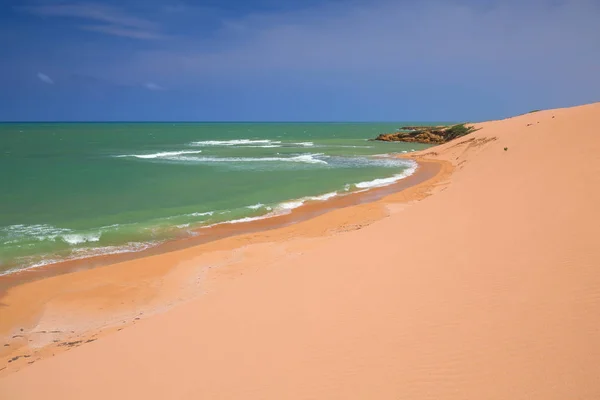
Punta Gallinas marks the northernmost point of South America, making it both a geographic and symbolic destination for travelers.
A Journey to the Edge of the Continent
Reaching Punta Gallinas requires traveling through remote desert terrain, often by 4×4 vehicle. The journey itself is an adventure through shifting sand dunes and open horizons.
Towering Sand Dunes and Ocean Views
The area is known for its massive dunes that descend directly into the sea, creating a rare and breathtaking contrast between desert and ocean.
Solitude and Perspective
Standing at Punta Gallinas offers a profound sense of remoteness. With nothing but sea, wind, and sky in every direction, visitors often describe the experience as humbling.
Why Visit Punta Gallinas?
It offers geographic significance, extreme landscapes, and unmatched solitude.
3. Wayuu Culture – The Living Soul of La Guajira
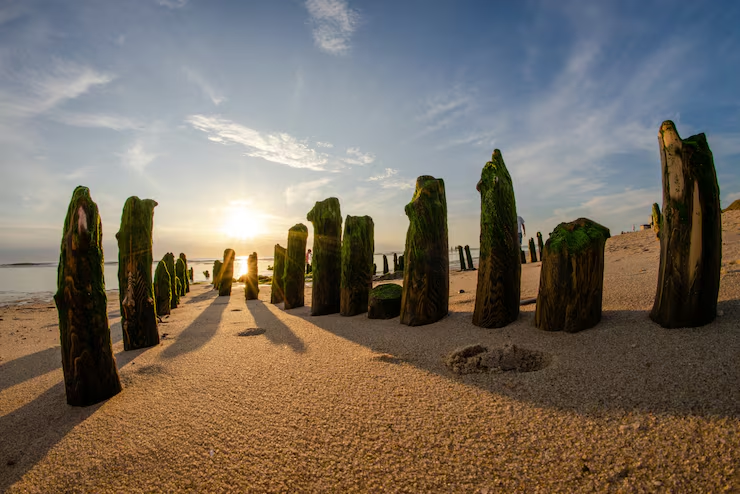
The Wayuu people are the heart of La Guajira. As Colombia’s largest Indigenous group, they have preserved their culture, language, and traditions despite centuries of external pressures.
A Matrilineal Society
Wayuu society is matrilineal, meaning family lineage is traced through women. This structure shapes social organization, inheritance, and leadership.
Language, Dress, and Art
The Wayuu language remains widely spoken. Traditional clothing—brightly colored dresses for women and woven bags known as mochilas—is both practical and symbolic.
Wayuu weaving is internationally recognized for its craftsmanship and cultural meaning.
Spiritual Beliefs and Connection to Nature
Wayuu spirituality is deeply connected to dreams, ancestors, and the natural elements of desert and sea. Stories, rituals, and symbols guide daily life.
Why Experience Wayuu Culture?
It offers authentic cultural immersion and insight into one of Colombia’s most resilient Indigenous communities.
4. Flamingo Sanctuary – A Refuge of Color and Life
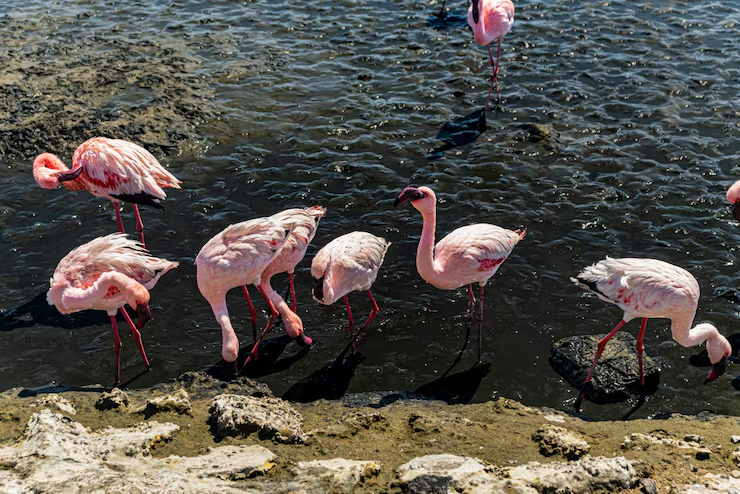
The Flamingo Sanctuary in La Guajira is one of Colombia’s most important wildlife refuges, protecting coastal wetlands that support diverse bird species.
A Haven for Flamingos
Shallow lagoons provide ideal feeding grounds for flamingos, whose pink coloration contrasts beautifully with blue skies and sandy shores.
Biodiversity Beyond Flamingos
The sanctuary also supports other bird species, fish, and plant life, making it a rich ecological area.
Responsible Wildlife Observation
Boat tours through the lagoons allow visitors to observe wildlife while minimizing environmental impact. Conservation efforts focus on protecting fragile ecosystems.
Why Visit the Flamingo Sanctuary?
It offers peaceful wildlife encounters and vibrant natural beauty.
5. Riohacha – Coastal Capital and Cultural Gateway
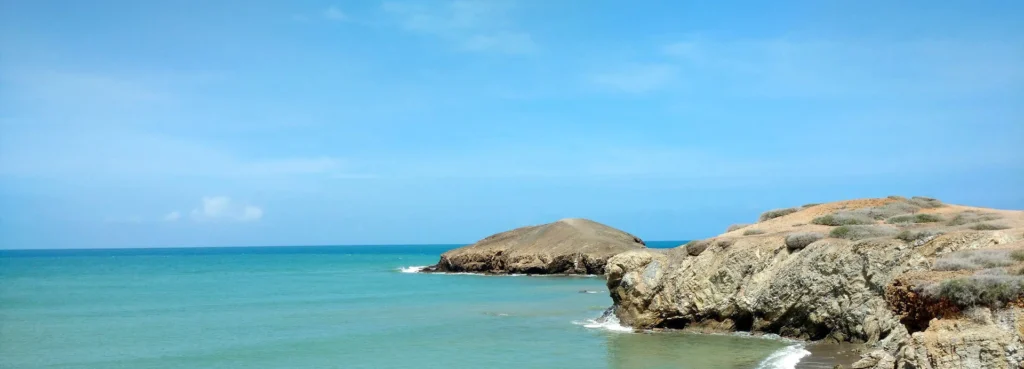
Riohacha, the capital of La Guajira, is a lively coastal city that serves as the main entry point to the region.
A City by the Sea
Riohacha’s seaside promenade offers views of the Caribbean and serves as a social hub where locals gather to enjoy sea breezes and sunsets.
Cultural Blend
The city reflects a mix of Wayuu heritage, Afro-Caribbean influence, and colonial history. Markets, music, and food express this cultural diversity.
Gateway to the Desert
Most journeys into Cabo de la Vela and Punta Gallinas begin in Riohacha, making it an essential logistical and cultural stop.
Why Visit Riohacha?
It offers urban comfort, cultural context, and access to La Guajira’s remote wonders.
Final Thoughts: Why La Guajira Is Colombia at Its Most Elemental
La Guajira is a land shaped by wind, sun, and survival. From the desert-sea fusion of Cabo de la Vela to the continental edge at Punta Gallinas, from the living traditions of the Wayuu people to the colorful refuge of flamingos and the coastal energy of Riohacha, every experience feels powerful and raw.
This region challenges conventional travel expectations and rewards visitors with deep cultural insight, dramatic landscapes, and unforgettable moments.
For those seeking adventure, authenticity, and awe, La Guajira stands as one of Colombia’s most extraordinary destinations.