
Now Reading: Top 5 Tourist Places in Maranhão, Brazil
-
01
Top 5 Tourist Places in Maranhão, Brazil
Top 5 Tourist Places in Maranhão, Brazil
Introduction: Maranhão – Where History, Culture, and Natural Wonders Converge
Maranhão is one of Brazil’s most fascinating and diverse states, located in the northeastern part of the country. Often described as a bridge between the Amazon, the Cerrado, and the Northeast coast, Maranhão offers a unique mix of ecosystems, cultures, and landscapes found nowhere else in Brazil. From colonial cities and Afro-Brazilian traditions to surreal desert-like dunes filled with freshwater lagoons, Maranhão is a destination that constantly surprises travelers.
The state’s identity has been shaped by Indigenous roots, Portuguese colonization, African heritage, and Caribbean cultural influences. This blend is visible in its architecture, music, cuisine, and way of life. Maranhão is also home to some of Brazil’s most extraordinary natural attractions, making it ideal for travelers who seek both cultural depth and outdoor adventure.
In this in-depth travel blog, we explore the top 5 tourist places in Maranhão, highlighting destinations that truly define the state: São Luís, Lençóis Maranhenses, Alcântara, Atins, and Chapada das Mesas. Together, these places reveal why Maranhão is one of Brazil’s most unforgettable travel destinations.
1. São Luís – Colonial Elegance and Reggae Capital of Brazil
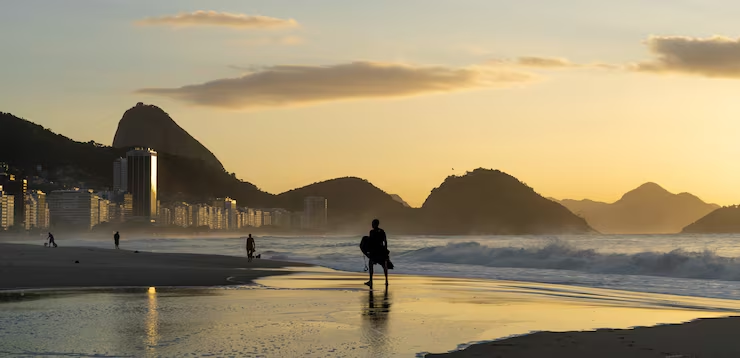
São Luís, the capital of Maranhão, is a city unlike any other in Brazil. Founded by the French in 1612 and later ruled by the Portuguese, São Luís boasts a unique colonial heritage combined with vibrant Afro-Brazilian culture. The city is also famously known as the Reggae Capital of Brazil, reflecting strong Caribbean cultural influences.
Historic Center – A UNESCO World Heritage Site
São Luís’ historic center is a UNESCO World Heritage Site, celebrated for its well-preserved colonial architecture. The city is famous for its colorful azulejos (Portuguese ceramic tiles) that cover the facades of historic buildings. These tiles were originally used to protect walls from heat and humidity, but they have become a defining visual element of the city.
Walking through neighborhoods like Reviver feels like stepping back in time. Cobblestone streets, colonial mansions, churches, and plazas tell stories of Maranhão’s prosperous past as a major port city.
Culture, Music, and Reggae Vibes
São Luís has a deep Afro-Caribbean cultural identity. Reggae music plays everywhere—from street corners to clubs and festivals. The city’s love for reggae dates back decades, and it has developed its own unique reggae dance style.
Cultural centers such as Casa do Maranhão and Centro de Cultura Popular Domingos Vieira Filho showcase traditional music, dance, crafts, and folklore. Festivals like Bumba Meu Boi, a colorful folk celebration combining music, theater, and dance, are central to the city’s cultural life.
Beaches and Local Cuisine
São Luís also offers access to urban beaches such as Praia do Calhau and São Marcos Beach, where visitors can relax and enjoy ocean views. Maranhão’s cuisine features seafood, rice-based dishes, and local ingredients like babaçu coconut, offering a distinct culinary experience.
2. Lençóis Maranhenses – A Natural Wonder of White Dunes and Blue Lagoons
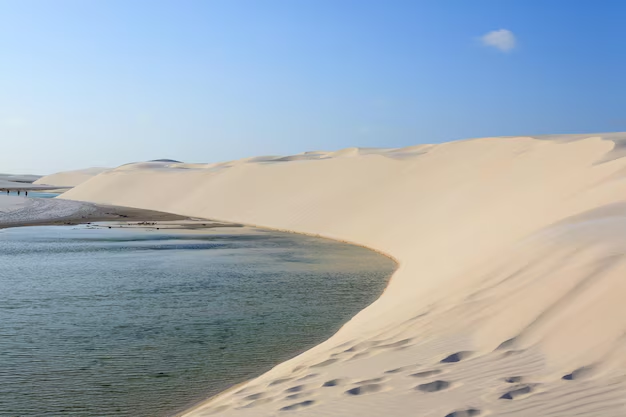
Lençóis Maranhenses National Park is Maranhão’s most famous attraction and one of the most extraordinary landscapes in the world. Despite its desert-like appearance, the park is a unique ecosystem where massive white sand dunes are interspersed with crystal-clear freshwater lagoons.
A Landscape Like No Other
Covering over 1,500 square kilometers, Lençóis Maranhenses looks like an endless sea of sand. During the rainy season, water accumulates between the dunes, forming bright blue and green lagoons that create a stunning contrast against the white sand.
These lagoons are temporary but predictable, making the park a seasonal wonder that changes throughout the year. Swimming in the cool, fresh water surrounded by towering dunes is an unforgettable experience.
Lagoons and Adventure Activities
Some of the most popular lagoons include Lagoa Azul and Lagoa Bonita, both accessible via guided tours. Visitors can hike across the dunes, take 4×4 excursions, and enjoy sunset views from dune tops.
The park is also home to unique wildlife adapted to the harsh conditions, including fish that survive underground during dry periods. This surprising biodiversity adds to the park’s scientific and ecological importance.
Sustainable Tourism
Access to Lençóis Maranhenses is carefully managed to protect its fragile ecosystem. Local guides play a key role in ensuring responsible tourism while sharing knowledge about the park’s geology and wildlife.
3. Alcântara – A Journey into Brazil’s Colonial Past
Located just across the bay from São Luís, Alcântara is a small historic town that feels frozen in time. Once one of Maranhão’s wealthiest cities during the colonial era, Alcântara is now known for its quiet charm and impressive ruins.
Colonial Architecture and Ruins
Alcântara preserves grand colonial buildings, churches, and ruins that reflect its former prosperity. Many mansions were abandoned after economic decline, creating a haunting yet beautiful atmosphere.
Landmarks such as the Pelourinho, historic churches, and old noble residences provide insight into colonial life in northeastern Brazil.
Cultural Traditions and Local Life
The town maintains strong Afro-Brazilian traditions, including festivals, music, and religious celebrations. Visitors can experience authentic local culture far removed from mass tourism.
Easy Day Trip from São Luís
Alcântara is accessible by boat from São Luís, making it an ideal day trip. The journey across the bay offers scenic views and a unique perspective of the region.
4. Atins – Kite-Surfing and Eco-Tourism Paradise

Atins is a small fishing village located at the edge of Lençóis Maranhenses National Park. In recent years, it has gained international recognition as one of the best kite-surfing destinations in the world.
Ideal Conditions for Kite-Surfing
Strong, consistent winds and shallow waters make Atins perfect for kite-surfing, especially from June to January. The village attracts athletes and beginners alike, with schools offering lessons and equipment rentals.
Rustic Charm and Sustainable Travel
Atins has maintained a rustic and eco-friendly character. Sandy streets, simple lodges, and beachside restaurants create a relaxed atmosphere focused on nature and sustainability.
Beaches, Lagoons, and Seafood
Visitors can enjoy quiet beaches, nearby lagoons, and fresh seafood dishes, particularly grilled shrimp—a local specialty. Atins is ideal for travelers seeking peace, adventure, and connection with nature.
5. Chapada das Mesas – Waterfalls and Dramatic Plateaus
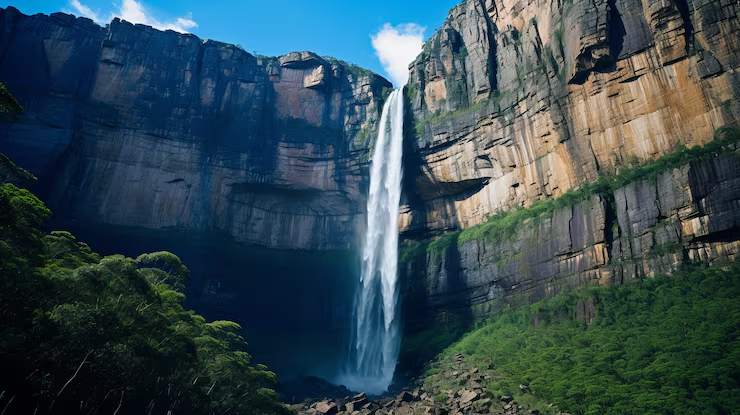
Chapada das Mesas National Park is located in southern Maranhão and offers a completely different landscape from the coastal and dune regions. Known for its towering plateaus, rock formations, and waterfalls, the park is a paradise for nature and adventure lovers.
Waterfalls and Natural Pools
The park is famous for waterfalls such as Cachoeira de São Romão and Cachoeira da Prata, where visitors can swim in natural pools surrounded by lush vegetation and dramatic cliffs.
Plateaus and Scenic Views
Chapada das Mesas features flat-topped mountains and expansive viewpoints that offer panoramic views of the surrounding Cerrado landscape. Hiking and off-road adventures allow visitors to explore remote and pristine areas.
Wildlife and Eco-Tourism
The region is home to diverse wildlife, including birds, mammals, and reptiles. Eco-tourism initiatives focus on conservation and community involvement, ensuring that tourism benefits local populations while protecting nature.
Conclusion: Why Maranhão Should Be on Every Traveler’s List
Maranhão is a state of contrasts, beauty, and deep cultural roots. From the tiled streets and reggae rhythms of São Luís to the surreal dunes of Lençóis Maranhenses, from the colonial ruins of Alcântara to the windswept shores of Atins and the waterfalls of Chapada das Mesas, Maranhão offers experiences found nowhere else in Brazil.
Whether you are drawn by history, music, adventure, or natural wonders, Maranhão delivers unforgettable moments and authentic connections. For travelers seeking to explore Brazil beyond the usual routes, Maranhão stands out as a destination rich in soul, scenery, and stories waiting to be discovered.