
Now Reading: Top 5 Tourist Places in Mato Grosso, Brazil
-
01
Top 5 Tourist Places in Mato Grosso, Brazil
Top 5 Tourist Places in Mato Grosso, Brazil
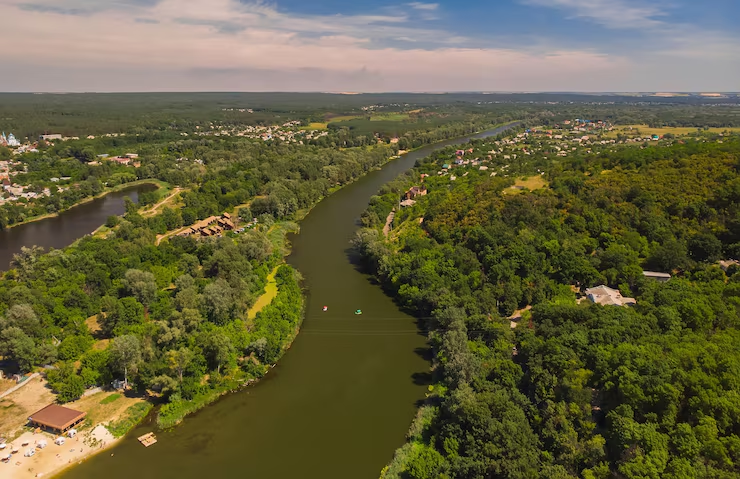
Introduction: Mato Grosso – Brazil’s Wild Heart of Nature and Adventure
Mato Grosso is one of Brazil’s most spectacular and least explored states, located in the Central-West region of the country. Known for its immense natural diversity, Mato Grosso is where three of Brazil’s most important ecosystems meet: the Amazon Rainforest, the Cerrado savanna, and the legendary Pantanal wetlands. This convergence makes the state one of the richest biodiversity regions on the planet and a dream destination for nature lovers, photographers, and adventure travelers.
Unlike Brazil’s famous coastal destinations, Mato Grosso offers raw, untamed landscapes—towering cliffs, endless plains, crystal-clear rivers, dramatic waterfalls, and wildlife encounters that rival the best safaris in the world. The state is also deeply connected to Indigenous heritage and traditional Brazilian culture, offering authentic experiences far from mass tourism.
In this detailed travel blog, we explore the top 5 tourist places in Mato Grosso, focusing on destinations that truly capture the essence of the state: Chapada dos Guimarães, Pantanal (North), Cuiabá, Nobres, and Serra das Araras. Together, these places reveal why Mato Grosso is one of Brazil’s greatest natural treasures.
1. Chapada dos Guimarães – Cliffs, Waterfalls, and Endless Horizons
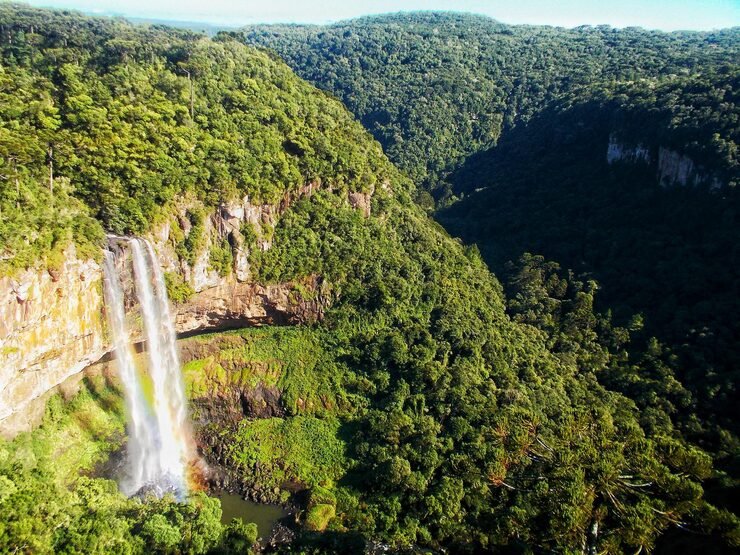
Chapada dos Guimarães National Park is one of the most iconic natural attractions in Mato Grosso. Located just outside the state capital, this dramatic plateau region is famous for its towering sandstone cliffs, deep canyons, waterfalls, and panoramic viewpoints.
Dramatic Landscapes and Geological Wonders
The park’s landscapes are shaped by millions of years of erosion, resulting in impressive rock formations, caves, and escarpments. One of the most famous sights is Cidade de Pedra (Stone City), a surreal collection of rock formations resembling ancient ruins.
The Mirante da Chapada viewpoint offers breathtaking views of the vast plains below, especially during sunrise and sunset when the sky turns shades of orange and purple. These viewpoints showcase the sheer scale and beauty of central Brazil.
Waterfalls and Natural Pools
Chapada dos Guimarães is home to numerous waterfalls, making it a paradise for hikers and nature lovers. Véu de Noiva Waterfall, one of the park’s most famous attractions, plunges dramatically from a high cliff into a lush valley below.
Other waterfalls, such as Cachoeira dos Namorados and Cachoeira da Andorinha, feature natural pools perfect for swimming and relaxation after a hike.
Hiking and Wildlife
The park offers a variety of hiking trails ranging from easy walks to more challenging treks. Along the trails, visitors may encounter monkeys, armadillos, birds of prey, and a wide variety of plant species native to the Cerrado biome.
Chapada dos Guimarães is ideal for travelers seeking scenic beauty, adventure, and peaceful immersion in nature.
2. Pantanal (North) – One of the World’s Best Wildlife Safari Regions
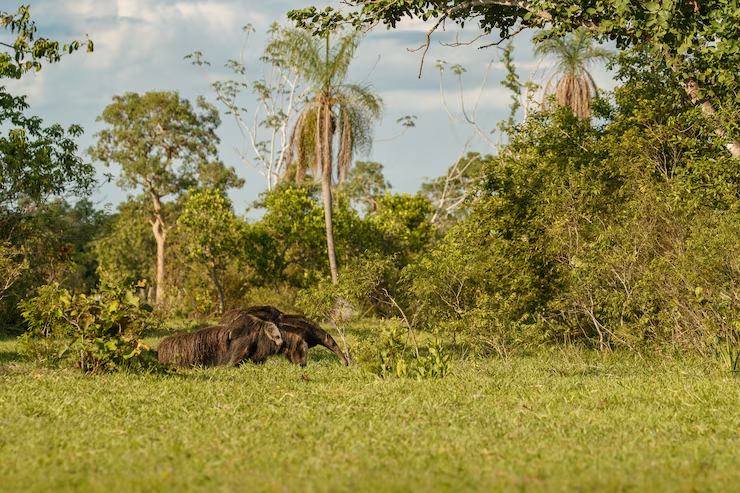
The Pantanal is the largest tropical wetland on Earth, and northern Mato Grosso provides access to one of its most pristine and wildlife-rich areas. Often compared to African safaris, the Pantanal offers unparalleled opportunities for wildlife observation.
Extraordinary Wildlife Encounters
The Pantanal is home to an astonishing variety of animals, including jaguars, giant otters, capybaras, caimans, tapirs, anteaters, and hundreds of bird species. The region is considered one of the best places in the world to spot jaguars in the wild.
Unlike dense rainforests, the Pantanal’s open landscapes make wildlife viewing easier and more frequent. Boat safaris, jeep tours, and guided walks provide unforgettable close encounters with nature.
Seasonal Beauty
The Pantanal changes dramatically with the seasons. During the wet season, vast areas are flooded, creating a mosaic of lakes and waterways. In the dry season, animals gather around remaining water sources, making wildlife sightings even more abundant.
Each season offers a unique perspective, ensuring that every visit feels different and rewarding.
Sustainable Eco-Lodges
Tourism in the Pantanal is largely based on eco-lodges and ranches (fazendas) that prioritize conservation and sustainable practices. Staying at these lodges allows visitors to experience the region responsibly while supporting local communities and wildlife protection efforts.
3. Cuiabá – Gateway to Mato Grosso’s Natural Wonders
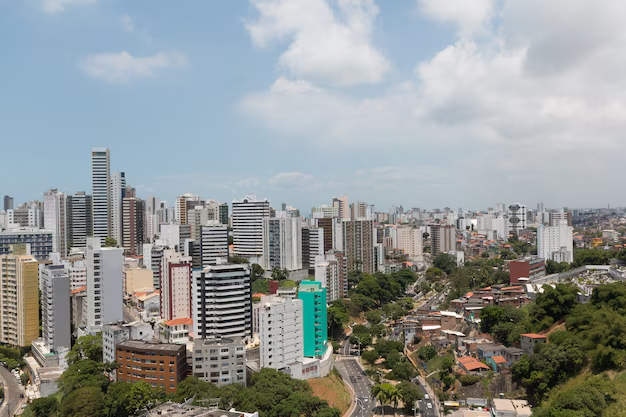
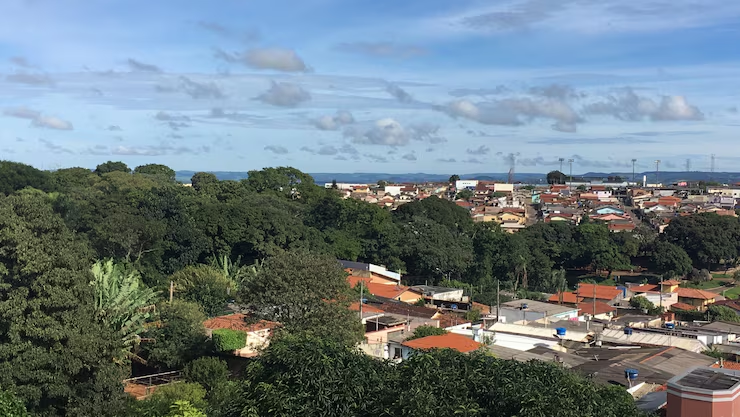
Cuiabá, the capital of Mato Grosso, serves as the main gateway to the state’s incredible natural attractions. Founded in the 18th century during the gold rush, Cuiabá has evolved into a vibrant city that blends history, culture, and modern life.
History and Cultural Heritage
Cuiabá’s historic center preserves colonial buildings, churches, and museums that reflect its past as a frontier settlement. The Metropolitan Cathedral Basilica and the Museum of Indigenous Peoples offer insight into the region’s cultural roots.
The city is deeply influenced by Indigenous traditions and rural Brazilian culture, which are reflected in local music, festivals, and cuisine.
Cuisine and Local Traditions
Mato Grosso’s cuisine is rich and distinctive, featuring river fish such as pacu and pintado, along with dishes made from cassava and local herbs. Cuiabá is the best place to sample these traditional flavors.
Markets and local restaurants provide an authentic culinary experience that connects visitors to the land and its people.
Strategic Location
Cuiabá’s central location makes it the ideal base for trips to Chapada dos Guimarães, the Pantanal, Nobres, and other natural attractions. With good infrastructure and accommodations, the city plays a crucial role in Mato Grosso’s tourism network.
4. Nobres – Crystal-Clear Rivers and Underwater Paradise
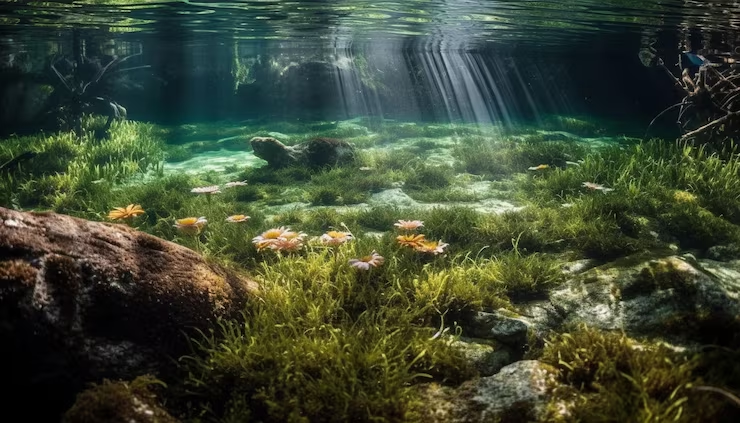
Nobres is a small town that has quickly gained fame as one of Brazil’s top freshwater snorkeling destinations. Located in northern Mato Grosso, the region is known for its incredibly clear rivers and abundant aquatic life.
Transparent Rivers and Snorkeling
Rivers such as Rio Salobra and Rio Triste are famous for their crystal-clear waters, allowing visitors to snorkel alongside colorful fish in natural settings. Visibility is so clear that it feels like floating through an aquarium.
Snorkeling tours are carefully regulated to protect the fragile ecosystem, ensuring a sustainable and enjoyable experience.
Waterfalls and Sinkholes
In addition to snorkeling, Nobres offers waterfalls, caves, and sinkholes such as Lagoa das Araras, where visitors can observe macaws and other birds at sunset.
These attractions make Nobres a perfect destination for eco-tourism and soft adventure activities.
A Growing Eco-Tourism Hub
Nobres is emerging as a sustainable tourism destination, with local initiatives focused on conservation, education, and community involvement. It offers a quieter alternative to more crowded destinations like Bonito.
5. Serra das Araras – Scenic Mountains and Untouched Landscapes
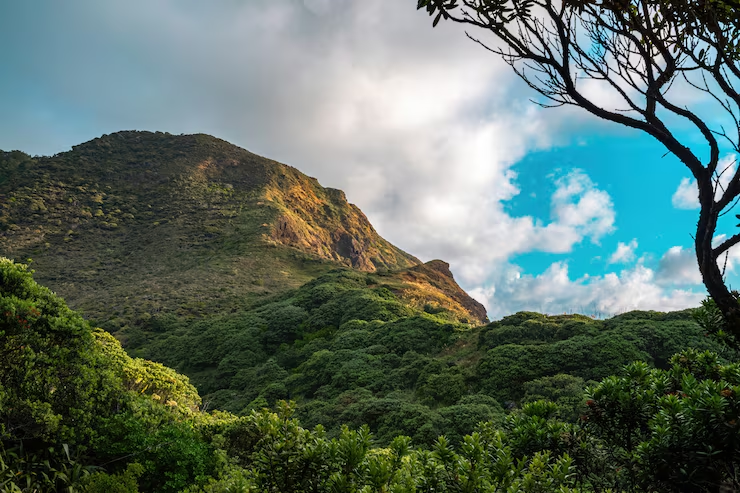
Serra das Araras is a lesser-known yet incredibly scenic mountain region in Mato Grosso. Characterized by rolling hills, rocky formations, and wide-open views, it offers a peaceful retreat into nature.
Mountain Landscapes and Biodiversity
The region features diverse vegetation, including Cerrado savanna and forested areas. Its landscapes are ideal for hiking, photography, and birdwatching.
Wildlife sightings may include birds of prey, small mammals, and reptiles that thrive in the region’s varied habitats.
Scenic Drives and Viewpoints
One of the highlights of Serra das Araras is the scenic drive through the mountains, offering sweeping views of valleys and plains. Viewpoints along the way provide excellent opportunities to stop, explore, and appreciate the natural beauty.
Off-the-Beaten-Path Experience
Serra das Araras remains largely undiscovered by mainstream tourism, making it ideal for travelers seeking solitude, authenticity, and connection with nature.
Conclusion: Why Mato Grosso Is a Must-Visit Destination
Mato Grosso is a state of extraordinary natural wealth and adventure. From the dramatic cliffs and waterfalls of Chapada dos Guimarães to the legendary wildlife safaris of the Pantanal, from the cultural gateway of Cuiabá to the crystal-clear rivers of Nobres and the scenic serenity of Serra das Araras, the state offers experiences found nowhere else in Brazil.
For travelers who crave untouched landscapes, rich biodiversity, and meaningful connections with nature, Mato Grosso stands as one of Brazil’s most rewarding destinations. Exploring this vast and wild state is not just a trip—it is a journey into the very heart of Brazil’s natural soul.