Now Reading: Top 5 Tourist Places in Norte de Santander, Colombia
-
01
Top 5 Tourist Places in Norte de Santander, Colombia
Top 5 Tourist Places in Norte de Santander, Colombia
Norte de Santander, Colombia: Border Heritage, Colonial Towns, and Otherworldly Landscapes
Located in northeastern Colombia, Norte de Santander is a department shaped by history, mountains, and cross-border culture. As a gateway between Colombia and Venezuela, the region has long been a meeting point of peoples, ideas, and commerce. Its landscapes range from rugged mountain trails and surreal rock formations to fertile valleys and historic towns that played a decisive role in Colombia’s independence.
Norte de Santander is often overlooked by mainstream tourism, yet it rewards travelers with authentic experiences, deep historical significance, and striking natural beauty. From the bustling border city of Cúcuta to the colonial elegance of Pamplona, from the alien-like scenery of Los Estoraques to the patriotic heart of Villa del Rosario, this department offers a journey through both time and terrain.
This guide explores the top five must-visit places in Norte de Santander, revealing why this region deserves a place on every traveler’s Colombia itinerary.
1. Cúcuta – Dynamic Border City and Commercial Hub
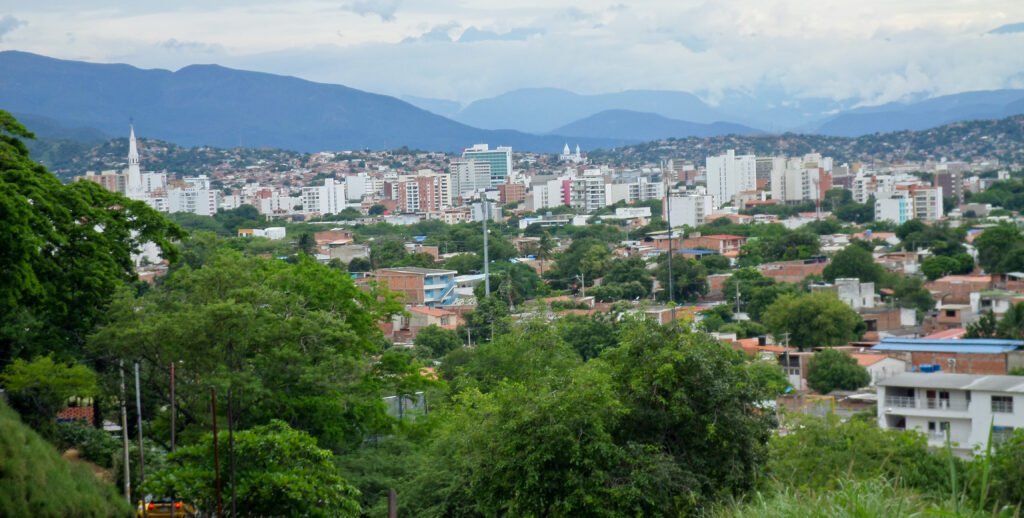
Cúcuta, the capital of Norte de Santander, is a lively and energetic city known for its strategic location on the Colombia–Venezuela border. It serves as a vital commercial, cultural, and transportation center for the region.
A City Shaped by the Border
Life in Cúcuta is deeply influenced by its proximity to Venezuela. Markets, accents, cuisine, and daily rhythms reflect a blend of cultures that gives the city a unique identity. This cross-border interaction has shaped Cúcuta into a resilient and adaptable urban center.
Urban Life and Warm Climate
Known as the “Pearl of the North,” Cúcuta enjoys a warm climate and a relaxed atmosphere. Tree-lined avenues, public parks, and riverfront areas provide spaces for social life and leisure.
Historical Significance
Cúcuta also holds an important place in Colombian history. The region was central during the independence era, and the city continues to honor its role as a birthplace of constitutional and political movements.
Why Visit Cúcuta?
It offers border culture, commercial energy, and historical relevance, making it a fascinating starting point for exploring Norte de Santander.
2. Pamplona – Colonial Charm and Academic Tradition
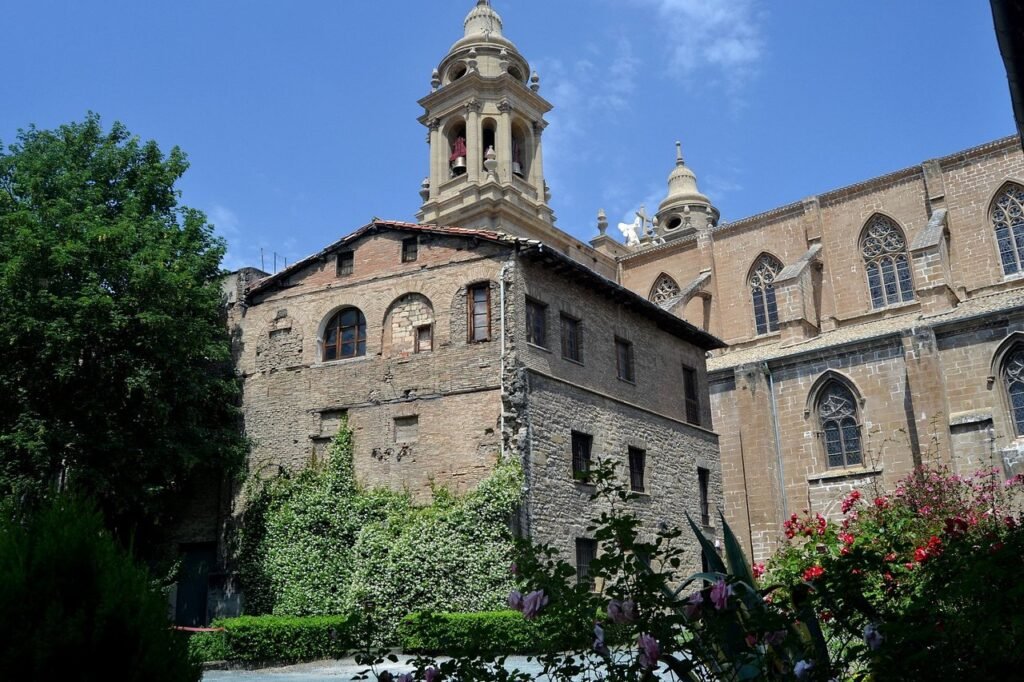
Perched in the mountains, Pamplona is one of the most beautiful and historically preserved towns in northeastern Colombia. Its cool climate and colonial architecture make it feel worlds away from the heat of the lowlands.
A Living Colonial Town
Pamplona’s streets are lined with whitewashed buildings, clay-tiled roofs, and ornate churches that reflect its Spanish colonial heritage. Walking through the town feels like stepping into another era, where time moves more slowly.
Religious and Cultural Importance
The city is a major religious center, known for its processions, festivals, and sacred sites. Pamplona’s churches and plazas play a central role in community life.
University Influence
As an academic hub, Pamplona is home to a large student population, giving the town a youthful energy that complements its historical character.
Why Visit Pamplona?
It offers colonial beauty, cool mountain air, and a strong cultural and academic identity.
3. Los Estoraques – A Surreal Natural Wonder
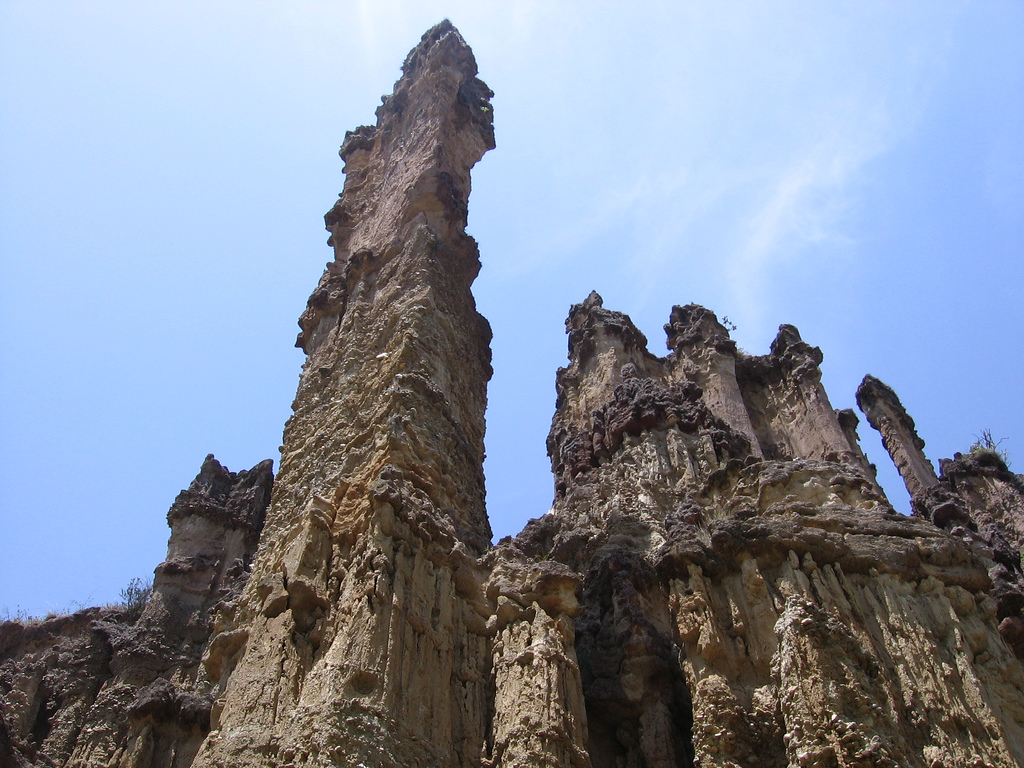
Los Estoraques Natural Area is one of Colombia’s most unique landscapes. Wind and water erosion have sculpted the terrain into towering stone columns, narrow corridors, and dramatic rock formations that resemble a natural labyrinth.
An Otherworldly Landscape
The formations at Los Estoraques appear almost alien, with tall spires and unusual shapes rising from the earth. The contrast between light, shadow, and stone creates an unforgettable visual experience.
Trails Through Time
Walking paths allow visitors to explore the formations up close, winding through rock corridors and open viewpoints. The silence and isolation of the area add to its mystical atmosphere.
Nature’s Sculptural Power
Los Estoraques is a powerful reminder of how nature shapes the land over thousands of years, turning erosion into art.
Why Visit Los Estoraques?
It offers one of Colombia’s most surreal and photogenic natural settings.
4. Villa del Rosario – Cradle of Colombian Independence
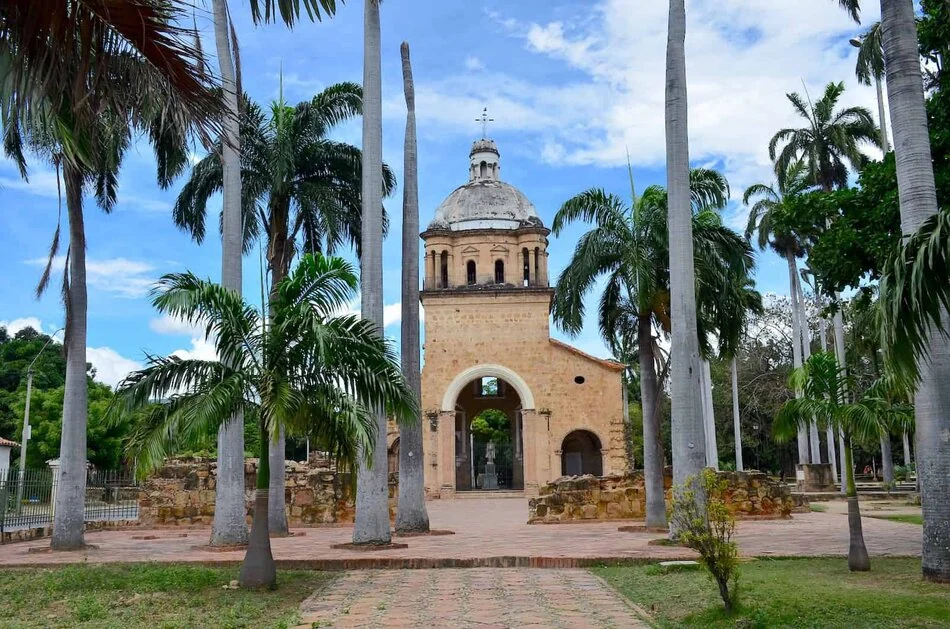
Villa del Rosario is one of the most historically important towns in Colombia. It is here that the Constitution of 1821 was drafted, laying the foundation for the Republic of Colombia.
Birthplace of a Nation
The town’s historic complex preserves the sites where early leaders met to define the nation’s future. These landmarks are symbols of unity, independence, and political vision.
Preserved Heritage Sites
Churches, ruins, and monuments in Villa del Rosario provide insight into Colombia’s early republican period. The town has been carefully preserved to honor its national significance.
A Quiet but Powerful Destination
Unlike bustling cities, Villa del Rosario offers a reflective experience, inviting visitors to connect deeply with the country’s past.
Why Visit Villa del Rosario?
It offers historical depth and national pride, making it essential for understanding Colombia’s origins.
5. Mountain Trails – Nature Hikes and Scenic Escapes
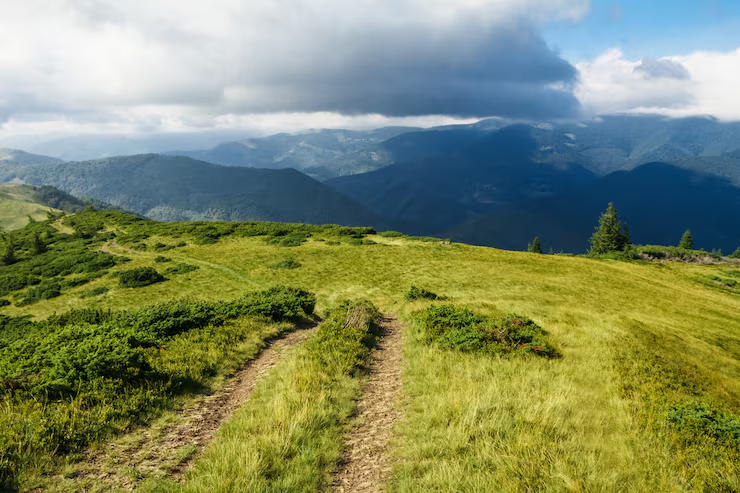
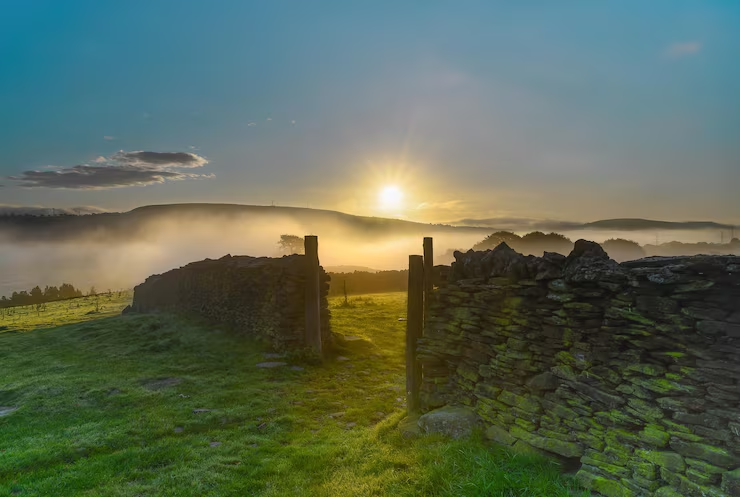
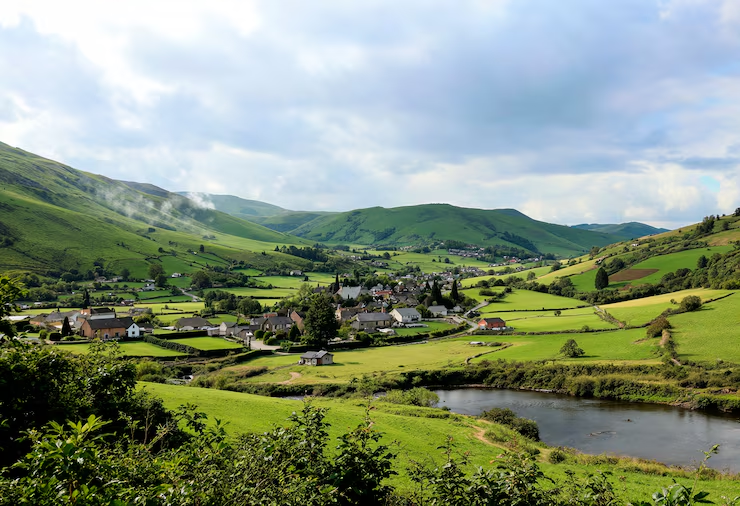
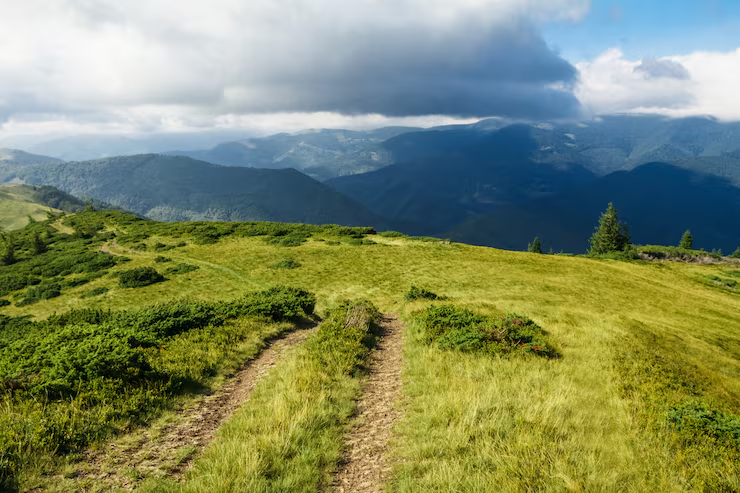
Beyond its cities and towns, Norte de Santander is defined by its mountainous landscapes and hiking routes. Trails wind through hills, valleys, and highland ecosystems, offering breathtaking views and peaceful escapes.
Diverse Natural Terrain
Hiking routes vary from gentle paths to challenging climbs, passing through forests, ridges, and rural countryside. The region’s geography makes it ideal for outdoor exploration.
Panoramic Views and Fresh Air
From elevated points, hikers can enjoy sweeping views of valleys, rivers, and distant mountain ranges. These trails offer a sense of freedom and connection to nature.
Cultural Encounters Along the Way
Many trails pass near rural communities, allowing travelers to experience local life and traditions firsthand.
Why Explore the Mountain Trails?
They offer adventure, tranquility, and a deep connection to Norte de Santander’s natural beauty.
Final Thoughts: Why Norte de Santander Deserves Your Attention
Norte de Santander is a region of stories and landscapes—where Colombia’s independence was shaped, where border culture thrives, and where nature reveals itself in dramatic and unexpected ways. From the lively streets of Cúcuta to the colonial calm of Pamplona, from the surreal formations of Los Estoraques to the patriotic heart of Villa del Rosario and the serenity of mountain trails, this department offers richness at every turn.
For travelers seeking authentic Colombia beyond the usual routes, Norte de Santander provides history you can walk through, landscapes you can feel, and culture that lives in everyday life.