
Now Reading: Top 5 Tourist Places in North Sinai, Egypt
-
01
Top 5 Tourist Places in North Sinai, Egypt
Top 5 Tourist Places in North Sinai, Egypt
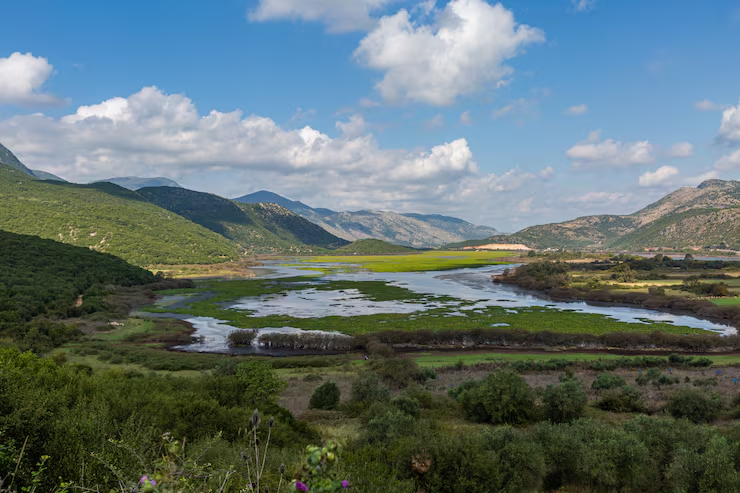
On Egypt’s northeastern edge, where the Mediterranean Sea meets vast desert plains and ancient trade routes, lies North Sinai Governorate — a region of striking contrasts, powerful history, and raw natural beauty.
Often overshadowed by the resort towns of South Sinai, North Sinai offers something far more untouched and authentic. Here, wide sandy beaches stretch along turquoise waters without crowds. Desert landscapes roll endlessly toward the horizon. Migratory birds pause along coastal wetlands. And Bedouin traditions continue to shape daily life as they have for centuries.
North Sinai is not about luxury resorts or bustling nightlife. It is about space, heritage, and nature.
It is where Egypt meets Asia, geographically and culturally — a bridge between continents shaped by trade, migration, and history.
For adventurous travelers, nature enthusiasts, and cultural explorers, North Sinai holds remarkable experiences waiting to be discovered.
Let’s explore the highlights of this fascinating governorate.
1. El Arish – The Mediterranean Pearl of Sinai
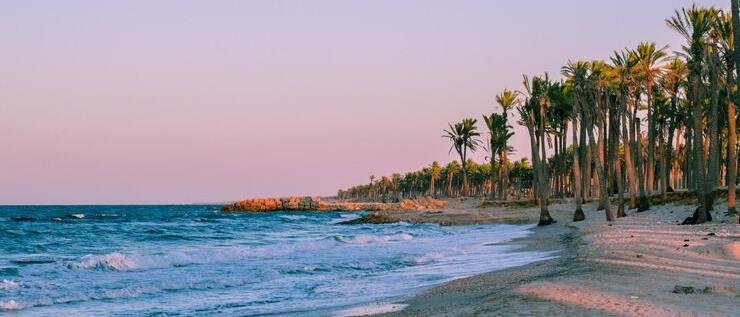
At the heart of North Sinai lies El Arish, the governorate’s capital and largest city. Located along the Mediterranean coast, El Arish offers a blend of seaside relaxation and local character.
Wide Sandy Beaches
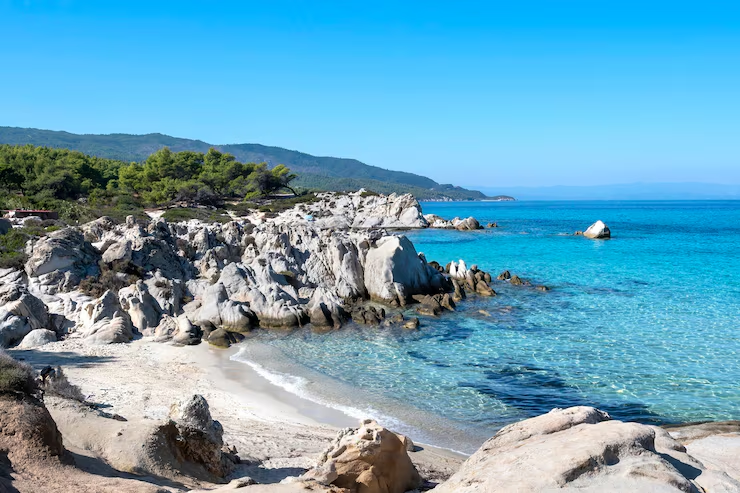
El Arish is famous for its long, sandy beaches that stretch for kilometers along the Mediterranean shoreline.
Unlike more commercialized coastal cities, these beaches feel open and peaceful. The water is clear, often calm, and ideal for swimming during summer months.
The coastline here is characterized by:
- Soft golden sand
- Gentle Mediterranean waves
- Fishing boats resting along the shore
- Palm-lined promenades
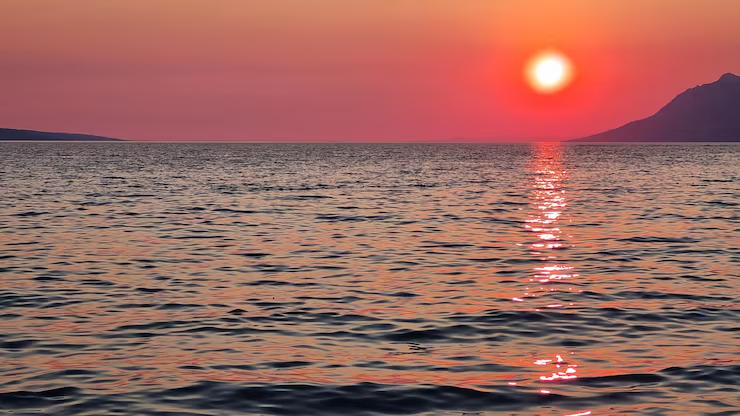
During sunset, the horizon glows with warm colors as the sea reflects orange and pink tones.
El Arish Corniche
The Corniche is the social heart of the city. Families gather in the evenings to stroll along the waterfront, enjoy fresh sea breezes, and relax in local cafés.
The atmosphere is calm and welcoming — a reminder that El Arish is first and foremost a community city.
Historical Significance
El Arish has long been a strategic location due to its position near the Gaza border and historic trade routes. Over centuries, it has witnessed Roman, Ottoman, and modern influences.
Though modest in size, the city carries layers of history beneath its quiet seaside charm.
2. Zaranik Reserve – A Haven for Migratory Birds
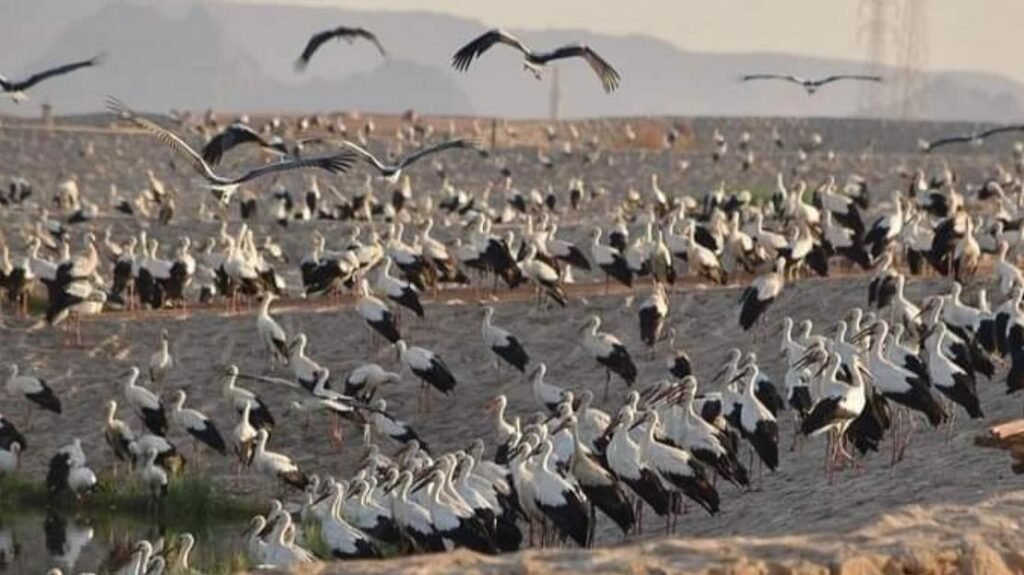
Just west of El Arish lies one of North Sinai’s most ecologically important sites: Zaranik Protected Area.
A Vital Migration Stop
Zaranik Reserve is part of Lake Bardawil, a large saltwater lagoon separated from the Mediterranean by narrow sand dunes.
Each year, thousands of migratory birds pass through this area on routes between Europe, Africa, and Asia.
Species observed here include:
- Flamingos
- Herons
- Eagles
- Pelicans
- Wading birds
For birdwatchers and nature photographers, Zaranik is one of Egypt’s top wildlife destinations.
Wetlands and Dunes
The reserve combines:
- Shallow lagoons
- Salt marshes
- Sand dunes
- Coastal vegetation
The diversity of habitats supports both resident and migratory wildlife.
Peaceful Isolation
Unlike more visited nature parks, Zaranik remains relatively untouched. The quiet atmosphere enhances the experience, allowing visitors to observe wildlife without disturbance.
It is a reminder that North Sinai is not only culturally significant — it is ecologically valuable.
3. Sheikh Zuweid Coast – Natural and Untouched Beauty
East of El Arish lies the Sheikh Zuweid coastline, known for its natural scenery and undeveloped beaches.
Raw Coastal Landscapes
This stretch of Mediterranean shoreline features:
- Expansive sandy beaches
- Low dunes
- Clear blue waters
- Sparse development
The absence of heavy tourism preserves the area’s natural charm.
Traditional Fishing Communities
Small fishing communities dot the coastline. Wooden boats rest on shore, and local fishermen maintain practices passed down through generations.
Observing this lifestyle offers insight into Sinai’s coastal traditions.
A Sense of Frontier
The region’s remote location creates a feeling of being at the edge of Egypt — a meeting point of cultures and landscapes.
For travelers seeking solitude and authenticity, Sheikh Zuweid’s coast offers a rare sense of openness.
4. Sinai Desert – Rugged Landscapes and Endless Horizons
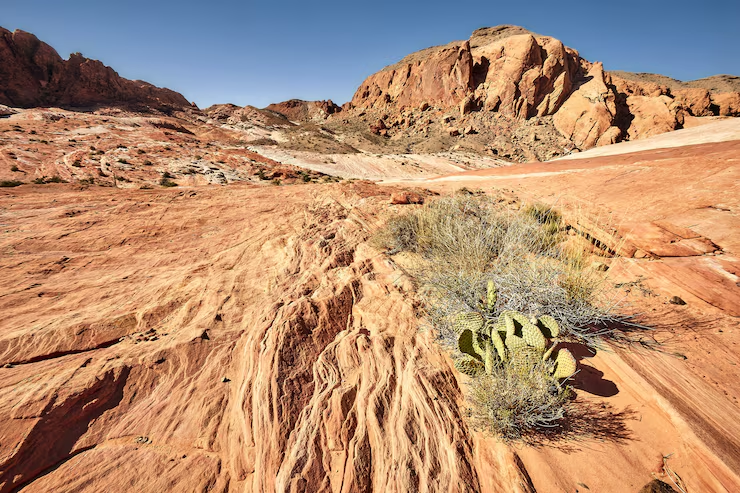
While North Sinai touches the Mediterranean, much of the governorate is defined by desert terrain.
The Beauty of Arid Landscapes
The Sinai Desert here features:
- Rocky plateaus
- Rolling sand dunes
- Limestone formations
- Dry wadis (valleys)
The terrain feels rugged and dramatic, shaped by wind and time.
Ancient Routes
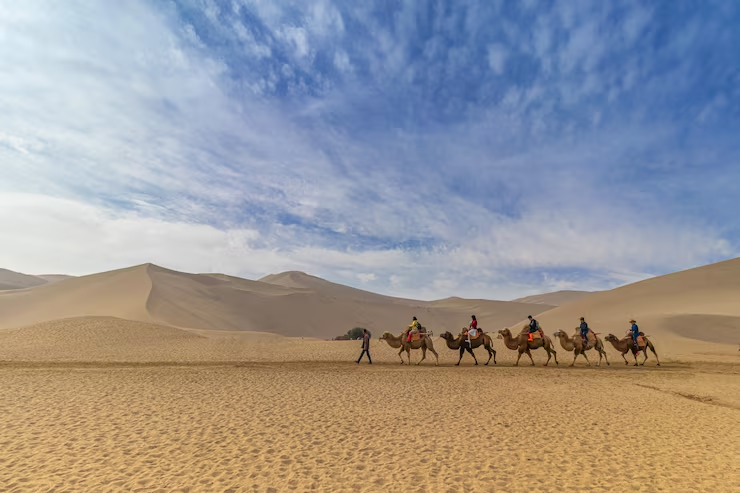
For thousands of years, Sinai served as a land bridge between Africa and Asia. Caravan routes crossed these deserts, carrying goods, armies, and pilgrims.
Traveling through North Sinai’s interior evokes images of ancient traders navigating harsh landscapes in search of water and safe passage.
Desert Silence
Few experiences match the stillness of the desert at sunrise or sunset.
The light transforms the sand and rock into shifting shades of gold and crimson. The silence feels vast and meditative.
North Sinai’s desert landscapes offer powerful natural beauty far removed from urban life.
5. Bedouin Culture – Preserving Traditional Heritage
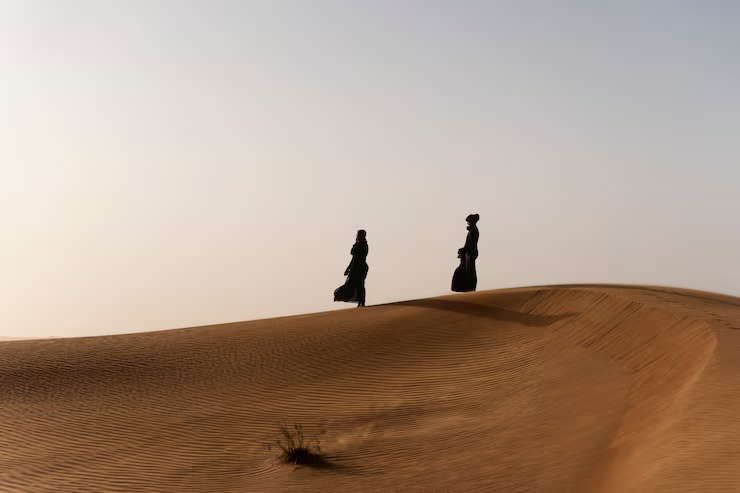
The soul of North Sinai lies in its Bedouin communities.
A Deeply Rooted Identity
Sinai’s Bedouins have inhabited the region for centuries. Their culture emphasizes:
- Hospitality
- Tribal connections
- Oral storytelling
- Traditional dress
- Desert knowledge
Despite modernization, many traditions remain intact.
Nomadic Roots
Historically, Bedouin tribes moved seasonally with livestock, navigating desert terrain with remarkable expertise.
Today, while many live in settled communities, aspects of nomadic heritage continue through customs and lifestyle.
Traditional Food and Hospitality
Visitors may encounter traditional Bedouin cuisine such as:
- Freshly baked flatbread
- Slow-cooked meat dishes
- Herbal tea brewed over open flames
Hospitality is central to Bedouin identity. Guests are often welcomed warmly and treated with respect.
Handicrafts and Oral Traditions
Handwoven textiles, embroidery, and storytelling traditions preserve cultural identity across generations.
Engaging with Bedouin culture provides depth and understanding beyond natural landscapes.
North Sinai’s Strategic and Historical Importance
Throughout history, North Sinai has played a crucial role as:
- A military corridor
- A trade route
- A pilgrimage pathway
From ancient Egyptian campaigns to Ottoman and modern conflicts, Sinai’s geography has shaped regional history.
Its position as a border region has influenced its identity — resilient, strategic, and culturally layered.
The Mediterranean Climate
North Sinai enjoys a Mediterranean climate along the coast, with:
- Warm summers
- Mild winters
- Sea breezes that moderate temperatures
The interior desert, however, experiences more extreme temperature variations.
The best time to visit is typically from October to April, when conditions are comfortable for exploration.
Why Visit North Sinai?
North Sinai offers:
Uncrowded Mediterranean beaches
Important bird migration reserves
Untouched coastal beauty
Rugged desert landscapes
Rich Bedouin heritage
A unique cultural crossroads
It is ideal for travelers who value authenticity, nature, and history over commercial tourism.
Final Thoughts
North Sinai is a land of edges — where sea meets desert, Africa meets Asia, and ancient traditions meet modern realities.
It may not offer the polished tourism infrastructure of other Egyptian regions, but it offers something far more powerful:
Space.
Silence.
Authenticity.
Cultural depth.
From the gentle waves of El Arish to the migratory birds of Zaranik, from the raw beauty of Sheikh Zuweid’s coast to the timeless knowledge of Bedouin tribes, North Sinai reveals a side of Egypt that remains wild and meaningful.
For travelers willing to explore beyond the familiar, North Sinai is a destination of quiet wonder and enduring heritage.