
Now Reading: Top 5 Tourist Places in Piauí, Brazil
-
01
Top 5 Tourist Places in Piauí, Brazil
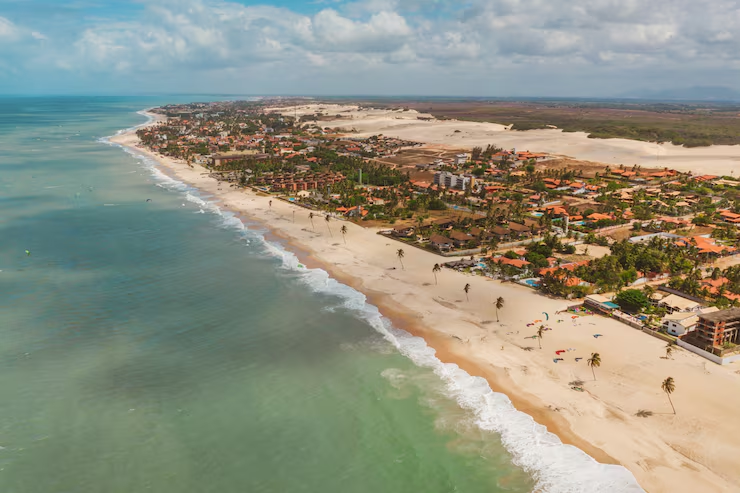
Top 5 Tourist Places in Piauí, Brazil
Introduction: Piauí – Brazil’s Hidden Treasure of History and Nature
Piauí is one of Brazil’s most underrated and fascinating states, located in the northeastern region of the country. Unlike its more famous coastal neighbors, Piauí is known for its archaeological importance, dramatic rock landscapes, prehistoric cave art, and unique river ecosystems. It is a destination that appeals especially to travelers who enjoy history, nature, geology, and off-the-beaten-path adventures.
The state holds some of South America’s most important archaeological discoveries, along with national parks that showcase breathtaking rock formations, canyons, and biodiversity. Piauí also has Brazil’s only open-sea river delta and a capital city that blends modern life with regional culture.
In this detailed 2000+ word travel guide, we explore the top 5 tourist places in Piauí:
- Serra da Capivara National Park
- Parnaíba Delta
- Teresina
- Sete Cidades National Park
- Pedra do Castelo
Together, these destinations reveal why Piauí is one of Brazil’s most intriguing hidden gems.
1. Serra da Capivara National Park – Prehistoric Cave Art Wonderland
Serra da Capivara National Park is the most famous attraction in Piauí and one of the most important archaeological sites in the world. Located in the southeastern part of the state, this UNESCO World Heritage Site contains the largest concentration of prehistoric rock art in the Americas.
A Window Into Ancient Human History
The park is home to thousands of cave paintings, some estimated to be over 12,000 years old, and possibly much older according to ongoing research. These artworks depict scenes of hunting, rituals, animals, daily life, and human interaction, offering invaluable insight into early human civilization in South America.
The paintings are remarkably well preserved due to the dry climate and protective rock shelters. Walking through the park feels like stepping back into prehistoric times.
Landscapes and Rock Formations
Beyond its archaeological value, Serra da Capivara features dramatic landscapes with sandstone cliffs, canyons, arches, and rock shelters. The scenery changes with the light of the day, creating striking contrasts of red, orange, and golden hues.
Marked trails lead visitors through different archaeological sites, many of which are accessible with guided tours that explain the cultural and historical significance of each location.
Wildlife and Conservation
The park protects a unique ecosystem where the Caatinga biome meets rocky plateaus. Wildlife includes armadillos, foxes, deer, reptiles, and numerous bird species.
Serra da Capivara is also a symbol of scientific research and conservation in Brazil, preserving both cultural heritage and natural landscapes.
2. Parnaíba Delta – Brazil’s Only Open-Sea River Delta
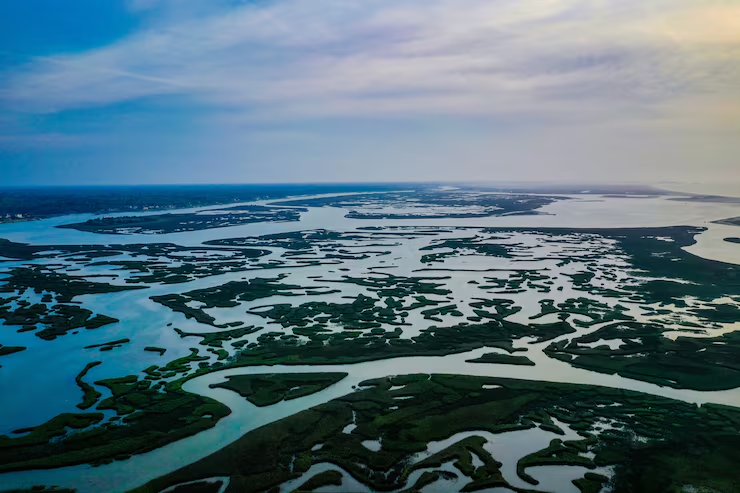
The Parnaíba Delta is one of Piauí’s most spectacular natural attractions and a true geographical rarity. It is the only open-sea river delta in the Americas and one of the few in the world, making it a must-visit destination for eco-tourism lovers.
A Complex Ecosystem
The delta is formed by the Parnaíba River as it splits into multiple channels before reaching the Atlantic Ocean. This creates a maze of islands, mangroves, dunes, lagoons, and river arms, forming a rich and diverse ecosystem.
The region supports abundant wildlife, including fish, crabs, migratory birds, and marine species. Mangroves play a crucial role in protecting the coastline and maintaining ecological balance.
Boat Tours and Nature Experiences
Boat tours are the best way to explore the delta. Guided excursions take visitors through narrow channels, offering opportunities to observe wildlife, visit small fishing communities, and enjoy stunning sunsets over the water.
The peaceful environment and natural beauty make the Parnaíba Delta ideal for photography, birdwatching, and relaxing eco-adventures.
Cultural Life Along the Delta
Local communities depend on fishing and traditional crafts for their livelihoods. Visitors can experience authentic regional culture, taste fresh seafood, and learn about sustainable living practices that have existed for generations.
3. Teresina – Green Capital Between Two Rivers
Teresina, the capital of Piauí, is unique among northeastern capitals because it is not located on the coast. Instead, it lies at the confluence of the Parnaíba and Poti rivers, earning it the nickname “The Green City.”
Urban Life and Regional Identity
Teresina is a modern and growing city that serves as Piauí’s political, economic, and cultural center. While it may not be a traditional tourist hotspot, it offers a genuine look into everyday life in northeastern Brazil.
The city’s wide avenues, parks, and riverside areas create a pleasant urban environment.
Parks, Culture, and Cuisine
Teresina features several green spaces, including Parque Ambiental Encontro dos Rios, where visitors can see the meeting of the two rivers and enjoy local food stalls.
The city is also known for its regional cuisine, which features ingredients like rice, dried meat, fish, and tropical fruits. Markets and local restaurants provide an authentic taste of Piauí’s culinary traditions.
Gateway to Piauí’s Attractions
Teresina serves as the main gateway to the state’s national parks and archaeological sites. Many travelers use the city as a base before heading to Serra da Capivara, Sete Cidades, or the Parnaíba Delta.
4. Sete Cidades National Park – Natural Rock Sculptures and Legends
Sete Cidades National Park is one of Piauí’s most visually striking destinations. Located in the northern part of the state, the park is famous for its unique rock formations that resemble cities, animals, faces, and objects.
Seven “Cities” of Stone
The park is divided into seven main areas, each referred to as a “city” due to the arrangement of rock formations. Wind and water erosion over millions of years have sculpted sandstone into surreal shapes that inspire imagination and local legends.
Some formations resemble turtles, arches, castles, and human profiles, making the park a paradise for photographers and geology enthusiasts.
Archaeology and Ancient Markings
In addition to geological wonders, Sete Cidades contains prehistoric inscriptions and rock carvings, adding archaeological importance to the park.
Walking trails connect the different areas, and guided tours help visitors understand both the natural and cultural significance of the site.
Flora and Fauna
The park protects a transition zone between the Cerrado and Caatinga biomes, supporting diverse plant and animal species. Its relatively easy trails make it accessible to visitors of all ages.
5. Pedra do Castelo – Mystical Stone Formations and Local Legends
Pedra do Castelo is a lesser-known but fascinating natural attraction in Piauí. Located near Castelo do Piauí, this site features impressive natural stone formations that resemble castles, towers, and fortresses.
Geological Beauty and Atmosphere
The stone structures were shaped over millions of years by erosion, creating dramatic shapes that rise from the surrounding landscape. The area has a quiet and mystical atmosphere, enhanced by the play of light and shadow on the rocks.
Folklore and Cultural Significance
Local legends surround Pedra do Castelo, adding a sense of mystery and cultural depth to the site. Stories passed down through generations connect the rock formations to ancient spirits and historical events.
Adventure and Exploration
The area is ideal for hiking, photography, and exploration. Though less developed than national parks, Pedra do Castelo offers an authentic and peaceful experience for travelers seeking untouched natural beauty.
Conclusion: Why Piauí Deserves a Place on Your Travel List
Piauí is a state that surprises and inspires. From the world-class archaeological treasures of Serra da Capivara to the rare ecosystem of the Parnaíba Delta, from the green urban life of Teresina to the surreal rock landscapes of Sete Cidades and Pedra do Castelo, the state offers a travel experience unlike any other in Brazil.
For travelers seeking history, nature, authenticity, and adventure away from mass tourism, Piauí is an exceptional destination. Exploring Piauí is not just about visiting places—it is about discovering ancient stories, geological wonders, and a deeply rooted cultural identity that remains beautifully preserved.
Piauí truly stands as one of Brazil’s most remarkable hidden gems.