
Now Reading: Top 5 Tourist Places in Qalyubia, Egypt
-
01
Top 5 Tourist Places in Qalyubia, Egypt
Top 5 Tourist Places in Qalyubia, Egypt
Just north of Cairo, where the Nile River branches into the fertile lands of the Delta, lies Qalyubia Governorate — a region defined by lush agriculture, historic waterways, and peaceful riverside landscapes.
Often overshadowed by the capital city nearby, Qalyubia offers something refreshingly different: open green fields, scenic Nile views, traditional markets, and historic mosques rooted in regional heritage.
This is not Egypt of monumental temples or coastal resorts.
This is Egypt of riverbanks and orchards.
Of irrigation canals and blooming gardens.
Of slow walks beside the Nile and authentic Delta culture.
Qalyubia is ideal for travelers seeking calm scenery and cultural immersion without venturing far from Cairo.
Let’s explore the highlights that make this Nile Delta governorate special.
1. Qanater El Khairiya – The Nile Barrage Gardens
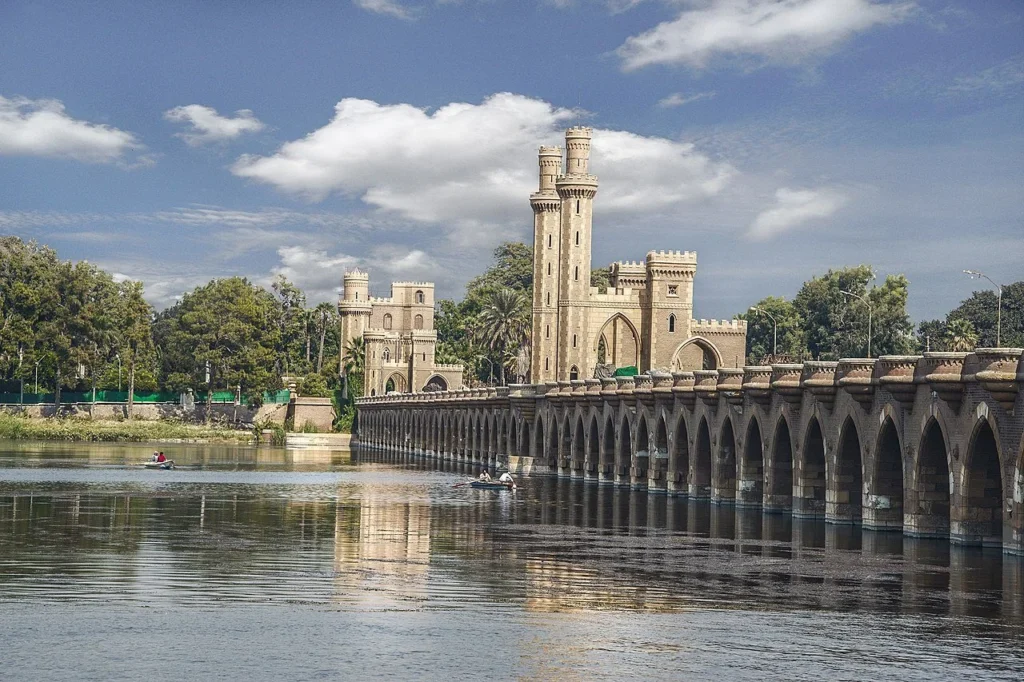
The crown jewel of Qalyubia is Qanater El Khairiya, one of Egypt’s most picturesque riverfront destinations.
Engineering and Beauty Combined
Built in the 19th century during the rule of Muhammad Ali Pasha, the Qanater Barrage was designed to regulate Nile water flow for irrigation across the Delta.
But beyond its engineering function, the area became a beloved recreational site.
Lush Riverside Gardens
Surrounding the barrage are beautifully landscaped gardens filled with:
- Palm trees
- Flower beds
- Shaded pathways
- Expansive lawns
Families from Cairo and nearby cities visit Qanater El Khairiya for picnics, especially on weekends and holidays.
Nile Branch Views
Here, the Nile splits into the Damietta and Rosetta branches — marking the beginning of the Delta’s fertile spread.
Standing on the barrage bridges, visitors can watch water rushing below while enjoying panoramic river views.
A Perfect Escape from the City
Just a short drive from Cairo, Qanater El Khairiya feels like a world away from urban congestion. The sound of flowing water and birdsong replaces city noise.
It’s one of the best places in Lower Egypt to experience the Nile in a peaceful, natural setting.
2. Agricultural Parks – Green Delta Scenery
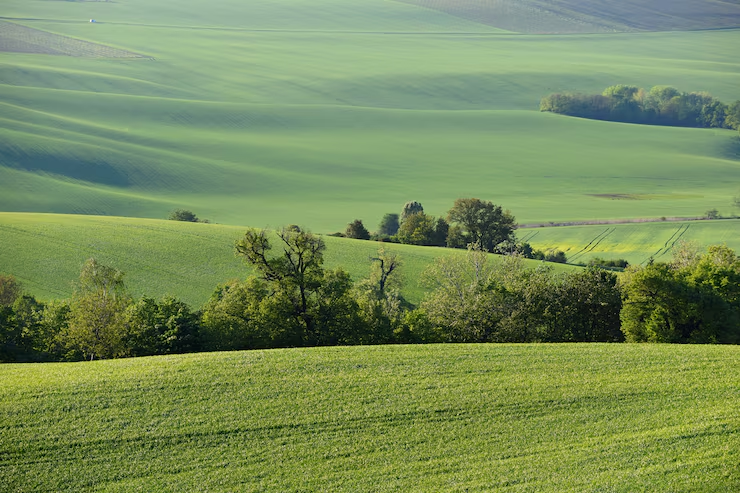
Qalyubia is part of the fertile Nile Delta, and agriculture defines much of its landscape.
A Patchwork of Green Fields
Driving through the governorate reveals endless stretches of:
- Citrus orchards
- Banana plantations
- Vegetable farms
- Flower nurseries
The soil here is rich and dark, nourished by centuries of Nile flooding and irrigation systems.
Seasonal Colors
The Delta scenery changes throughout the year:
- Spring blooms with colorful crops
- Summer brings lush greenery
- Autumn reveals harvest activity
- Winter offers cool, misty mornings over fields
The agricultural parks and open farmland provide refreshing scenery rarely seen by typical tourists.
A Photographer’s Delight
The contrast between narrow irrigation canals, palm trees, and expansive farmland creates beautiful rural landscapes.
Qalyubia showcases Egypt’s agricultural heart — a reminder that beyond monuments, Egypt thrives on its land.
3. Local Markets – Traditional Delta Culture
One of the most authentic experiences in Qalyubia is visiting its local markets.
Fresh from the Fields
Because of its agricultural richness, markets overflow with:
- Fresh fruits and vegetables
- Herbs and spices
- Grains and legumes
- Locally produced dairy products
The produce often arrives directly from nearby farms.
A Social Hub
Markets serve as social centers where neighbors gather, exchange news, and engage in friendly bargaining.
You’ll hear lively conversations, see colorful displays of produce, and experience the daily rhythm of Delta life.
Traditional Crafts and Goods
In addition to food, markets offer:
- Household items
- Clothing
- Textiles
- Handmade products
Unlike tourist-oriented bazaars, Qalyubia’s markets feel genuine and community-driven.
For visitors seeking an authentic slice of Egyptian culture, these markets are essential.
4. River Walks – Relaxation Along the Nile
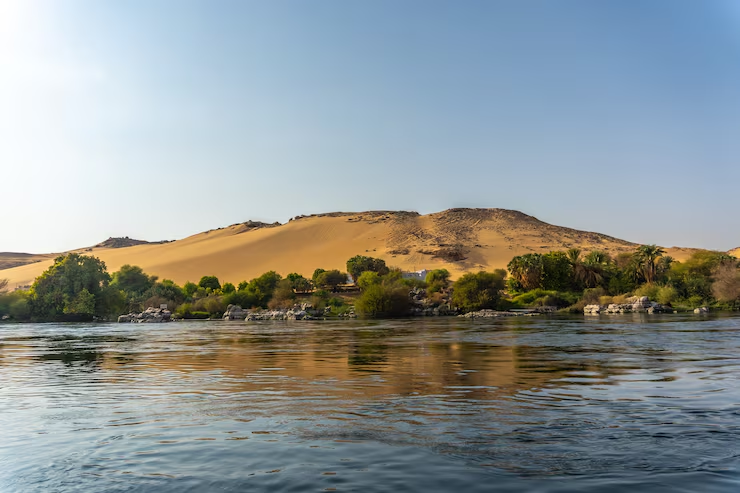
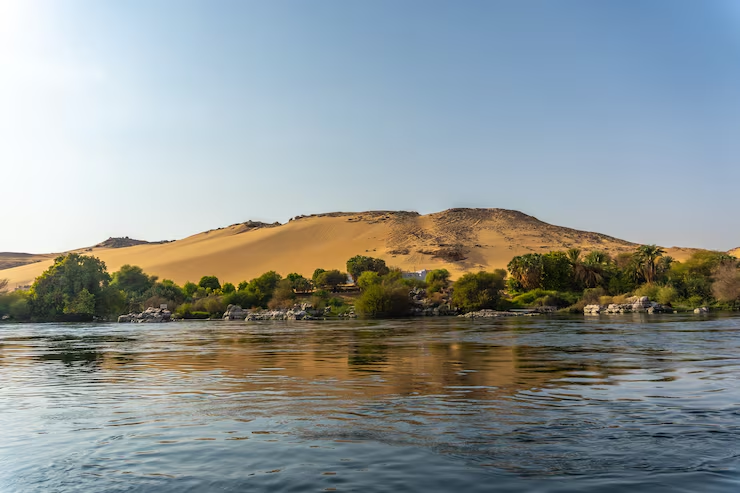
With its network of Nile branches and irrigation canals, Qalyubia offers peaceful river walks.
Quiet Waterfront Paths
Walking along the riverbanks, you may see:
- Fishermen casting nets
- Farmers transporting produce
- Small boats crossing canals
- Children playing near water
The atmosphere is calm and unhurried.
Sunset Reflections
As the sun lowers, the sky reflects beautifully across the Nile’s surface. Palm trees create silhouettes against golden light.
River walks here provide simple yet powerful moments of relaxation.
Rural Charm
Unlike larger Nile cities, Qalyubia’s river areas remain largely undeveloped, preserving their natural beauty.
It’s a place to slow down, breathe deeply, and appreciate Egypt’s lifeline — the Nile.
5. Historic Mosques – Regional Heritage
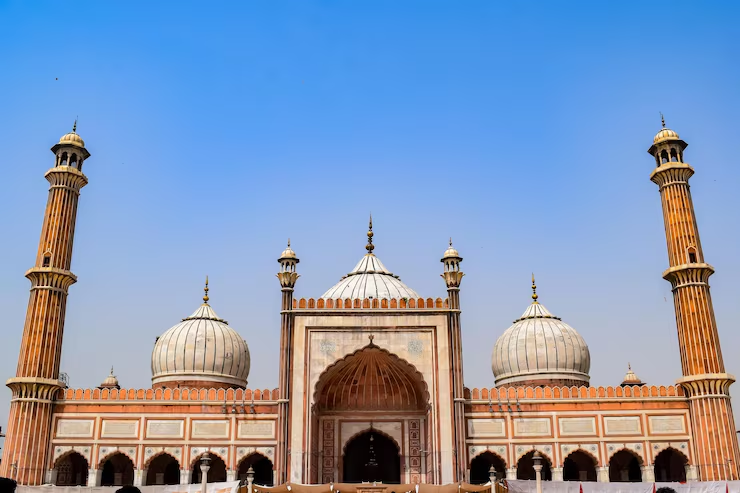
Qalyubia’s towns contain mosques that reflect regional Islamic heritage.
Architectural Character
While not as grand as Cairo’s famous mosques, these structures feature:
- Elegant minarets
- Decorative arches
- Courtyards for prayer
- Traditional Islamic motifs
They serve as both spiritual and community centers.
Cultural Importance
Mosques in Qalyubia are central to daily life. The call to prayer echoes across farmland and villages, connecting communities through shared faith.
During Ramadan and religious holidays, streets near mosques fill with lights, food stalls, and celebratory gatherings.
Visiting these sites provides insight into the cultural fabric of the Delta.
The Identity of Qalyubia
Qalyubia is deeply connected to agriculture and river life.
Proximity to Cairo
Its closeness to the capital makes it a convenient yet contrasting destination. Visitors can experience rural serenity without traveling far.
A Region of Growth
Qalyubia continues to develop while preserving its agricultural character. It balances modern infrastructure with traditional livelihoods.
Food and Local Flavors
The governorate’s cuisine reflects its farming heritage.
Popular dishes include:
- Freshly baked baladi bread
- Ful medames
- Ta’ameya (Egyptian falafel)
- Grilled chicken and meats
- Fresh fruit juices
Ingredients are often locally grown, ensuring freshness and flavor.
Best Time to Visit
The best time to explore Qalyubia is from October to April, when temperatures are mild and ideal for outdoor walks.
Spring is especially beautiful due to blooming crops and pleasant weather.
Why Visit Qalyubia?
Qalyubia offers:
Beautiful Nile gardens
Historic 19th-century barrage engineering
Lush Delta farmland
Authentic traditional markets
Peaceful river walks
Regional Islamic heritage
It is perfect for travelers seeking:
A day trip from Cairo
Nature and greenery
Cultural authenticity
Relaxation by the Nile
Final Thoughts
Qalyubia may not appear on international tourism lists — but that is part of its charm.
Here, the Nile flows quietly into fertile lands.
Farmers work fields passed down for generations.
Markets pulse with everyday life.
Gardens bloom beside historic barrages.
It is Egypt in its agricultural essence — green, welcoming, and deeply connected to the river that sustains it.
For those who want to see the living Delta rather than just ancient monuments, Qalyubia offers a refreshing and authentic experience.