Now Reading: Top 5 Tourist Places in Qena, Egypt
-
01
Top 5 Tourist Places in Qena, Egypt
Top 5 Tourist Places in Qena, Egypt
In the heart of Upper Egypt, north of Luxor and nestled along a graceful curve of the Nile River, lies Qena Governorate — a destination rich in ancient history, peaceful countryside scenery, and authentic Egyptian culture.
While many travelers rush between Luxor and Aswan, few pause to explore Qena — and that is precisely what makes it special.
Qena offers a quieter, more intimate encounter with Egypt’s past. It is home to one of the most remarkably preserved temples in the country: the Temple of Hathor at Dendera. Beyond its archaeological treasures, Qena reveals lush Nile landscapes, desert adventure opportunities, bustling local markets, and hidden ruins scattered across the land.
Here, history is not packaged for mass tourism. It feels alive — carved into stone, reflected in the river, and echoed through village streets.
For travelers seeking depth, authenticity, and ancient wonder without overwhelming crowds, Qena is a destination waiting to be discovered.
Let’s explore its highlights.
1. Dendera Temple – The Well-Preserved Temple of Hathor
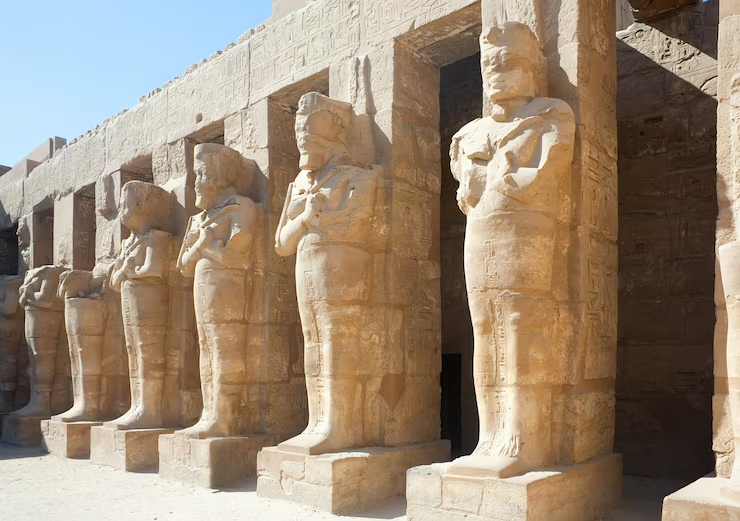
The crown jewel of Qena Governorate is the magnificent Temple of Hathor at Dendera, one of Egypt’s best-preserved ancient temples.
A Temple Dedicated to the Goddess of Love and Joy
Hathor, one of ancient Egypt’s most beloved goddesses, represented:
- Love
- Music
- Motherhood
- Beauty
- Fertility
The temple at Dendera was primarily constructed during the Ptolemaic period (around 54 BCE), though the site itself dates back much earlier.
Architectural Grandeur
Approaching the temple, visitors are immediately struck by its towering stone façade and massive columns.
The hypostyle hall features columns topped with carved Hathor-headed capitals — faces of the goddess gazing outward in symmetrical design.
The ceiling is covered in intricate astronomical carvings, including the famous Dendera Zodiac, which once adorned the temple roof (the original is now in the Louvre Museum).
Vibrant Colors
Unlike many temples where paint has faded, Dendera still preserves traces of vivid colors on its ceilings and walls.
Hieroglyphics remain sharp and detailed, telling stories of gods, rituals, and royal ceremonies.
Rooftop Access
One of the most unique aspects of Dendera is the ability to climb to the temple roof. From there, visitors enjoy panoramic views of the surrounding countryside — a striking contrast between ancient stone and green farmland.
Dendera Temple is not just a monument — it is an immersive journey into ancient Egyptian spirituality.
2. Nile River Views – Scenic Upper Egyptian Countryside
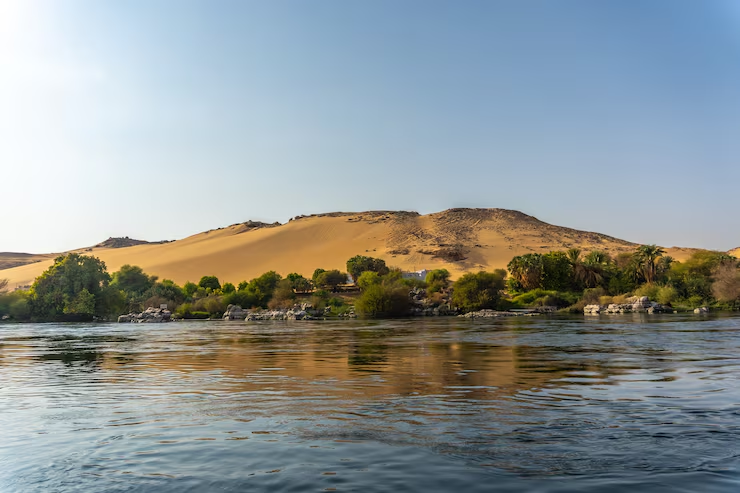
Beyond its temples, Qena offers serene Nile landscapes that reflect the timeless rhythm of Upper Egypt.
The Nile’s Gentle Curve
Qena sits near a distinctive bend in the Nile, creating particularly scenic river views.
The countryside here features:
- Palm-lined riverbanks
- Sugarcane fields
- Traditional mudbrick houses
- Fishing boats drifting slowly across the water
Agricultural Abundance
Upper Egypt’s fertile land produces:
- Sugarcane
- Wheat
- Vegetables
- Citrus fruits
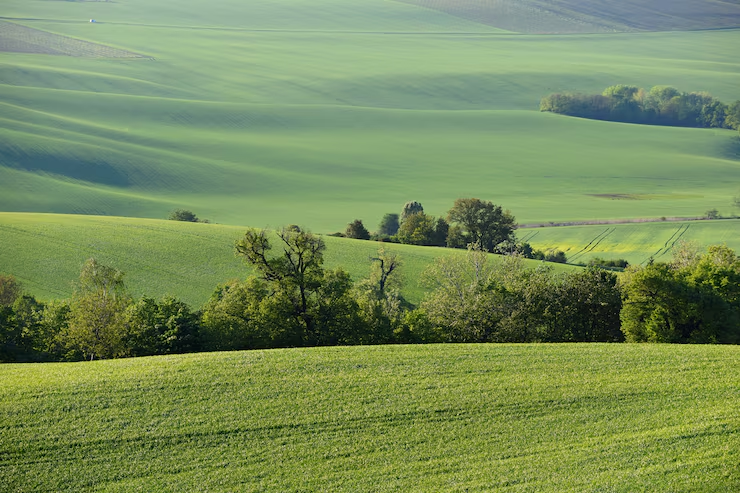
The lush green fields contrast beautifully with desert cliffs rising in the distance.
Sunrise and Sunset Magic
Sunrise over the Nile fills the sky with soft golden light, while sunset paints the river in warm hues of orange and red.
Walking along the riverbanks offers peaceful moments away from city noise.
For photographers and nature lovers, Qena’s Nile scenery is captivating.
3. Desert Excursions – Adventure Beyond the River
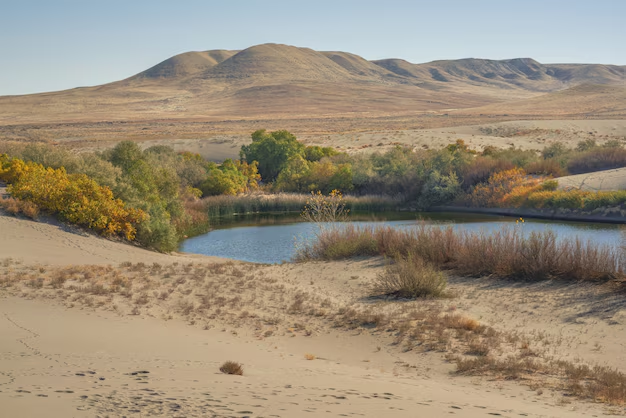
While the Nile nourishes Qena’s farmland, the desert defines its dramatic backdrop.
Eastern Desert Exploration
To the east of Qena stretches the vast Eastern Desert, historically used for mining and trade routes connecting the Nile to the Red Sea.
This rugged terrain features:
- Rocky mountains
- Dry wadis (valleys)
- Remote desert roads
Adventure Tourism
Travelers seeking adventure can enjoy:
- Desert safaris
- Off-road 4×4 excursions
- Hiking through rocky landscapes
- Exploring ancient quarry sites
The desert’s silence and expansive horizons create a powerful sense of isolation and freedom.
Ancient Trade Routes
Historically, caravans transported gold, precious stones, and goods through these desert paths.
Exploring these routes adds a historical dimension to modern adventure.
Qena’s desert is a reminder that ancient Egypt extended far beyond the Nile.
4. Local Markets – Authentic Upper Egyptian Experiences
One of Qena’s greatest charms lies in its local markets and everyday life.
A Vibrant Community Hub
Markets in Qena are lively and colorful, offering:
- Fresh produce
- Spices
- Traditional clothing
- Handmade goods
Unlike tourist bazaars, these markets serve the local population.
Sugarcane Culture
Qena is famous for its sugarcane production. Street vendors often sell freshly pressed sugarcane juice — sweet, refreshing, and deeply tied to the region’s agricultural identity.
Friendly Atmosphere
Upper Egypt is known for its hospitality. Visitors often find locals welcoming and eager to share conversation.
Walking through Qena’s markets offers insight into daily life — from bargaining exchanges to children playing near shopfronts.
5. Ancient Ruins – Archaeological Treasures Beyond Dendera
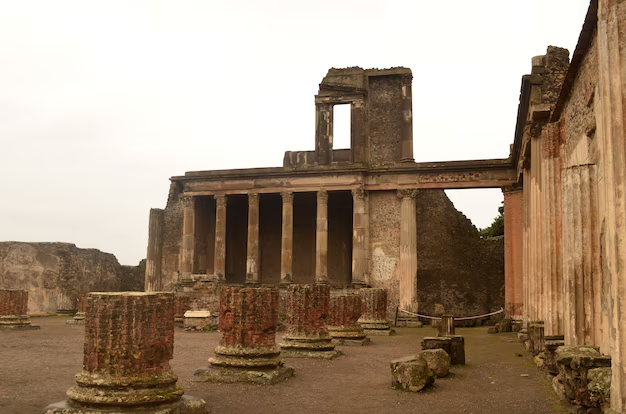
While Dendera is the most famous site, Qena holds other archaeological treasures worth exploring.
Coptic and Islamic Heritage
The region includes historic mosques and churches that reflect Egypt’s layered religious history.
Nearby Archaeological Sites
In surrounding areas, visitors may encounter:
- Ancient settlements
- Roman-era remains
- Temple fragments
- Desert monasteries
These sites may not be as grand as Luxor’s temples, but they offer quiet discovery and historical depth.
Untouched Exploration
Because Qena receives fewer tourists, many ruins feel untouched and peaceful.
For archaeology enthusiasts, this offers a rare opportunity to explore without crowds.
The Cultural Identity of Qena
Qena reflects the traditions of Upper Egypt — strong family ties, deep-rooted customs, and agricultural pride.
Traditional Values
Community life revolves around:
- Family gatherings
- Religious celebrations
- Agricultural seasons
Festivals and local traditions play a central role in social life.
Handicrafts and Local Products
In addition to agriculture, Qena produces pottery and handmade crafts rooted in regional heritage.
Cuisine of Qena
Food in Qena reflects Upper Egyptian flavors.
Popular dishes include:
- Molokhia
- Grilled meats
- Lentil soups
- Fresh bread
- Sugarcane juice
Meals are hearty and often shared among family members.
Best Time to Visit
The best time to visit Qena is from October to April, when temperatures are mild.
Summers can be extremely hot, especially when exploring temples or desert areas.
Why Visit Qena?
Qena offers:
The stunning Temple of Hathor at Dendera
Peaceful Nile countryside
Desert adventure opportunities
Authentic local markets
Hidden archaeological sites
Warm Upper Egyptian hospitality
It is ideal for travelers who want:
Ancient history without large crowds
Scenic river views
Cultural authenticity
Off-the-beaten-path exploration
Final Thoughts
Qena is a hidden jewel of Upper Egypt.
Here, you can stand beneath the painted ceilings of Dendera Temple.
Watch sugarcane sway in Nile breezes.
Drive through desert landscapes once traveled by ancient caravans.
Stroll through markets filled with everyday life.
Qena may not be as internationally famous as Luxor — but it offers something equally valuable: authenticity and tranquility.
It is a place where Egypt’s ancient spirit and living culture exist side by side, framed by the eternal flow of the Nile.
For travelers ready to go beyond the usual path, Qena promises discovery, beauty, and timeless history.