
Now Reading: Top 5 Tourist Places in Quindío, Colombia
-
01
Top 5 Tourist Places in Quindío, Colombia
Top 5 Tourist Places in Quindío, Colombia
Quindío, Colombia: Coffee Traditions, Colorful Towns, and the Land of Wax Palms
Located in western Colombia, within the famous Coffee Triangle, Quindío is one of the country’s smallest departments, yet it holds an outsized place in Colombia’s cultural and natural identity. This region is the birthplace of Colombia’s globally celebrated coffee culture and is defined by emerald-green hills, traditional fincas, and friendly towns painted in vibrant colors.
Quindío moves at a gentle pace. Life here revolves around coffee harvesting, local traditions, and close ties to the land. Travelers come not for big cities or dramatic extremes, but for authentic experiences, scenic beauty, and a deep sense of heritage.
This guide explores the top five must-visit places in Quindío, showing why this department is one of Colombia’s most beloved destinations.
1. Salento – Coffee Town Charm and Timeless Beauty
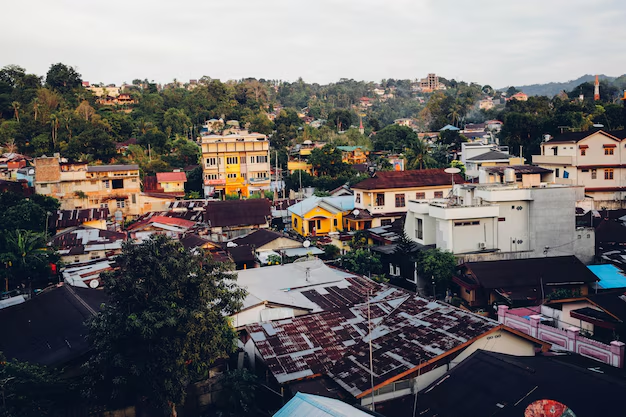
Salento is the most famous town in Quindío and one of the most photographed destinations in Colombia. Nestled among rolling hills, it perfectly represents the spirit of the coffee region.
A Town Painted in Color
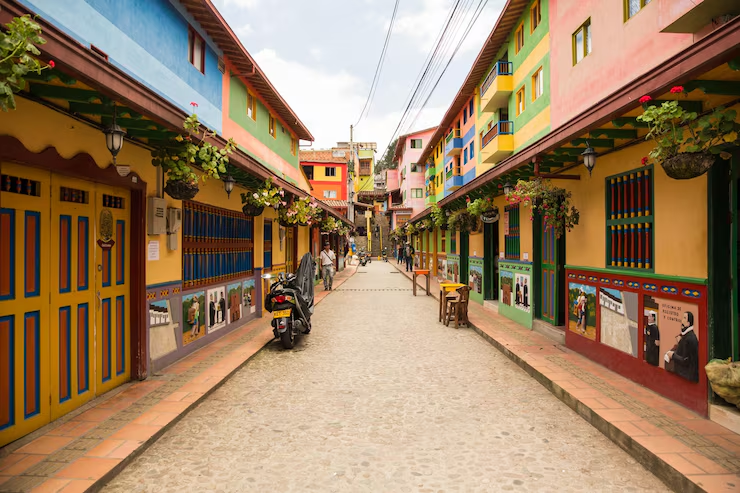
Salento’s streets are lined with brightly painted houses, wooden balconies, and flower-filled windows. Every corner feels cheerful and welcoming, making the town a joy to explore on foot.
Coffee Culture at Its Core
Surrounding Salento are countless coffee farms where traditional methods are still practiced. Coffee here is not just a product—it is a way of life passed down through generations.
A Relaxed and Friendly Atmosphere
The town has a calm, small-town feel that invites visitors to slow down, enjoy local food, and connect with the people.
Why Visit Salento?
It offers authentic coffee culture, colorful streets, and a warm, welcoming atmosphere.
2. Cocora Valley – Home of the Majestic Wax Palms
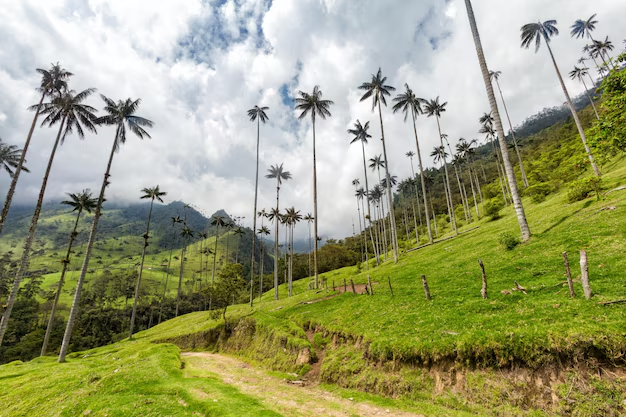
The Cocora Valley is one of Colombia’s most iconic natural landscapes. Located just outside Salento, this valley is famous for its towering wax palm trees, Colombia’s national tree.
A Landscape Like No Other
Wax palms rise dramatically from the valley floor, some reaching heights that seem almost unreal. Surrounded by misty mountains and rolling grasslands, the scenery feels almost magical.
Nature Walks and Scenic Trails
Visitors can explore the valley through walking trails that wind past palms, rivers, and green hills. The peaceful environment makes it ideal for nature lovers and photographers.
A National Symbol
The wax palm is deeply tied to Colombian identity, and seeing these giants in their natural habitat is a truly memorable experience.
Why Visit Cocora Valley?
It offers one of the most unique and recognizable landscapes in South America.
3. Armenia – Capital City of the Coffee Heartland
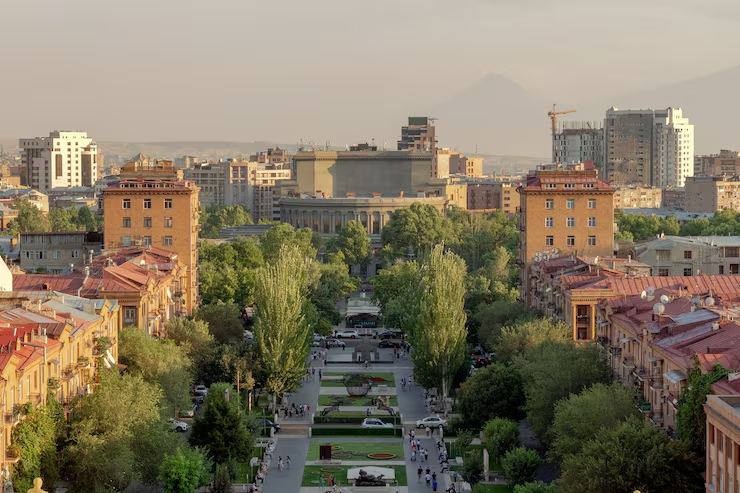
Armenia, the capital of Quindío, serves as the region’s commercial and cultural center. While smaller than major Colombian cities, it plays a key role in connecting rural coffee communities.
A City Built on Coffee
Armenia’s development is closely linked to the coffee industry. Markets, institutions, and cultural spaces reflect the importance of coffee to the region’s economy and identity.
Urban Comfort with Rural Roots
The city offers modern amenities while maintaining a relaxed pace of life. Parks, cafés, and open spaces reflect the region’s love for community and nature.
A Central Base for Exploration
Armenia’s location makes it an ideal base for exploring the rest of Quindío and the Coffee Triangle.
Why Visit Armenia?
It offers urban comfort, cultural insight, and a strategic hub for exploring the coffee region.
4. Coffee Theme Park – Celebrating Colombia’s Coffee Heritage
The Coffee Theme Park is one of Quindío’s most popular attractions, blending education, culture, and entertainment in a single experience.
A Journey Through Coffee History
The park showcases the story of coffee in Colombia—from cultivation and harvesting to processing and export—through engaging exhibits and displays.
Cultural Performances and Traditions
Visitors can enjoy traditional music, dances, and performances that highlight the customs of coffee-growing communities.
Fun with a Cultural Focus
While entertaining, the park also emphasizes the importance of preserving coffee traditions and rural heritage.
Why Visit the Coffee Theme Park?
It offers an interactive and educational way to understand Colombia’s coffee culture.
5. Filandia – Scenic Viewpoints and Authentic Charm
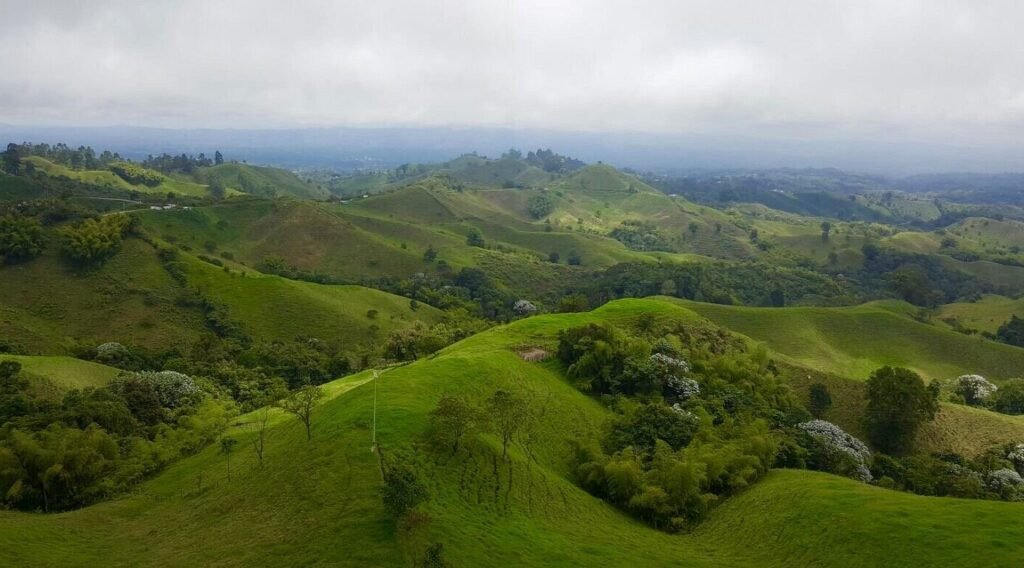
Filandia is a picturesque town that has managed to retain its authenticity while offering some of the best views in Quindío.
Elevated Views of the Coffee Landscape
Situated on higher ground, Filandia provides panoramic views of coffee-covered hills and distant mountains. Viewpoints here are among the most impressive in the region.
Traditional Architecture and Quiet Streets
The town’s colonial-style buildings, colorful facades, and calm atmosphere make it a peaceful alternative to busier destinations.
A Community Proud of Its Roots
Filandia’s residents take pride in preserving traditional ways of life, from crafts to farming practices.
Why Visit Filandia?
It offers stunning viewpoints, cultural authenticity, and a slower, more intimate experience.
Final Thoughts: Why Quindío Is the Soul of Coffee Colombia
Quindío is more than a destination—it is an experience shaped by tradition, landscape, and community. From the colorful charm of Salento and the towering wax palms of Cocora Valley to the cultural role of Armenia, the storytelling of the Coffee Theme Park, and the peaceful beauty of Filandia, every part of the department reflects Colombia’s coffee heritage.
This is a region where life slows down, conversations flow easily, and nature and culture exist in harmony. For travelers seeking authentic Colombia, breathtaking scenery, and a deep connection to tradition, Quindío stands as one of the country’s most rewarding places to explore.