
Now Reading: Top 5 Tourist Places in Rio Grande do Sul, Brazil
-
01
Top 5 Tourist Places in Rio Grande do Sul, Brazil
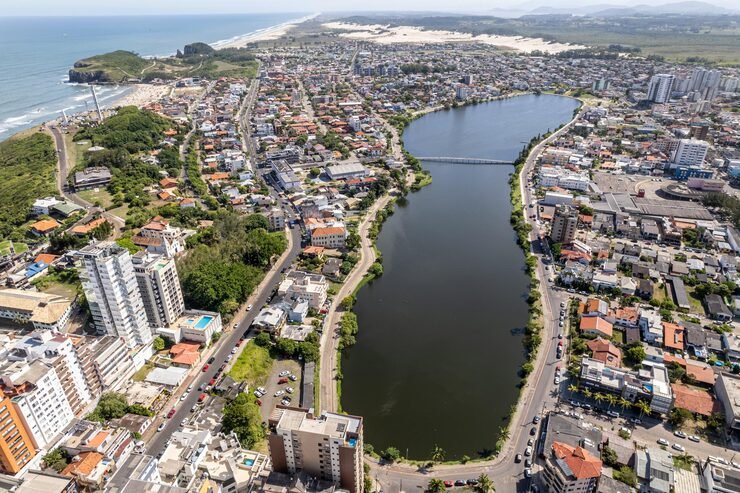
Top 5 Tourist Places in Rio Grande do Sul, Brazil
Introduction: Rio Grande do Sul – Tradition, Nature, and European Charm
Rio Grande do Sul is Brazil’s southernmost state and one of its most culturally distinct regions. Known for its strong traditions, European heritage, dramatic landscapes, and refined cuisine, the state offers a travel experience very different from tropical Brazil. Influences from German, Italian, and Portuguese immigrants blend with gaucho culture to create a unique identity marked by hospitality, music, and pride.
From vibrant urban centers and riverfront culture to alpine-style towns, vineyards, waterfalls, and rugged coastal cliffs, Rio Grande do Sul delivers a rich and diverse journey. The state is also famous for its wine production, cooler climate, and seasonal festivals that attract visitors year-round.
In this detailed 2000+ word travel blog, we explore the top 5 tourist places in Rio Grande do Sul:
- Porto Alegre
- Gramado
- Canela
- Serra Gaúcha
- Torres
Together, these destinations showcase why Rio Grande do Sul is one of Brazil’s most elegant, scenic, and culturally rich states.
1. Porto Alegre – Culture, History, and Riverfront Life
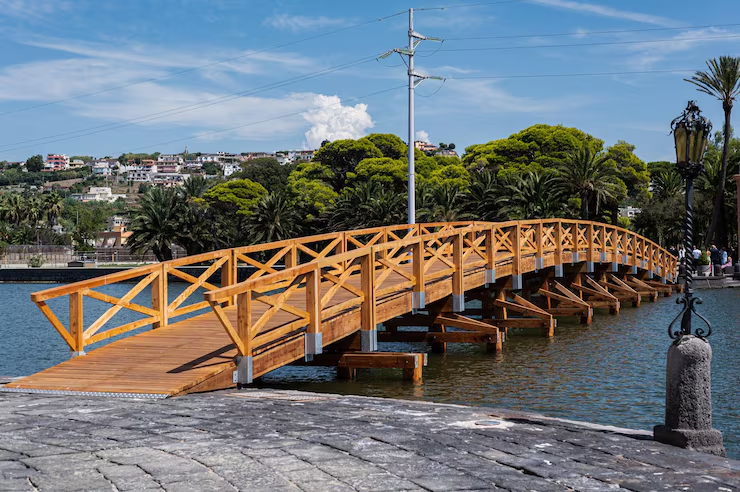
Porto Alegre, the capital of Rio Grande do Sul, is a dynamic city known for its cultural scene, historic neighborhoods, and beautiful riverfront setting along Lake Guaíba. It serves as the political, economic, and cultural heart of the state.
Cultural Life and Urban Identity
Porto Alegre is a city of intellectual life, music, literature, and political debate. Museums, theaters, and cultural centers are spread throughout the city, reflecting its long tradition of civic engagement and creativity.
The Historic Center features colonial-era buildings, markets, and public squares that tell the story of the city’s development.
Riverfront and Sunset Views
The Guaíba River defines Porto Alegre’s landscape. The riverfront promenade is a favorite gathering place, especially in the evening when locals come to watch one of Brazil’s most famous sunsets. The colors reflecting over the water create a calm and romantic atmosphere.
Boat rides and cycling paths along the waterfront allow visitors to enjoy the city at a relaxed pace.
Food, Music, and Gaucho Traditions
Porto Alegre is a great place to experience churrasco, the traditional barbecue of southern Brazil. Local restaurants and churrascarias serve high-quality grilled meats, accompanied by chimarrão, the traditional yerba mate drink shared socially.
2. Gramado – Alpine Charm and World-Famous Festivals
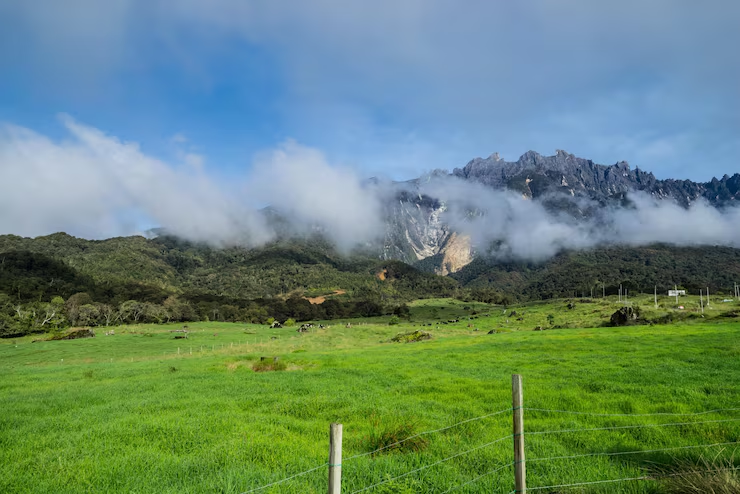
Gramado is one of Brazil’s most popular tourist destinations and is often described as having a European alpine atmosphere. Located in the Serra Gaúcha mountains, the town is known for its charming architecture, cool climate, and romantic ambiance.
European-Style Architecture
Gramado’s streets are lined with half-timbered houses, flower-filled gardens, and cozy cafés reminiscent of German and Swiss towns. The clean streets and well-maintained public spaces add to its postcard-perfect appearance.
Festivals and Events
Gramado hosts several internationally recognized festivals. The Gramado Film Festival attracts artists and filmmakers from across Latin America. During winter, the town becomes a cozy retreat, while Natal Luz, a magical Christmas celebration, transforms Gramado into a festive wonderland with lights, parades, and performances.
Cuisine and Chocolate Culture
The town is famous for its chocolate factories, fondue restaurants, and European-inspired cuisine. Dining in Gramado is an experience in itself, offering flavors influenced by German and Italian traditions.
3. Canela – Waterfalls, Nature Parks, and Serenity
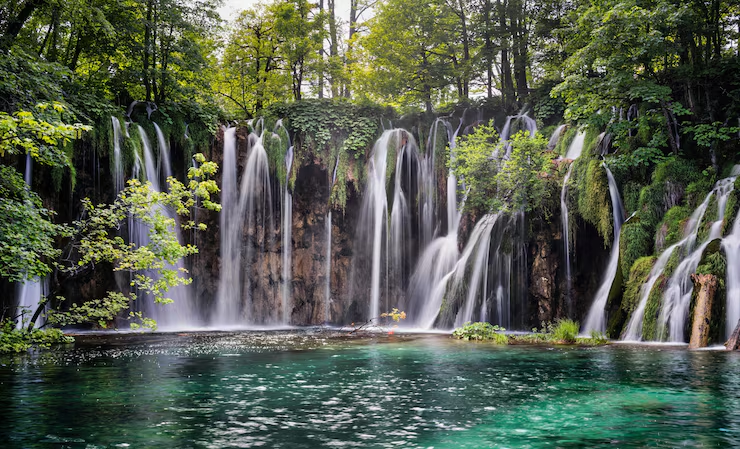
Just a few kilometers from Gramado, Canela offers a more nature-focused experience while maintaining the same alpine charm. It is known for its dramatic waterfalls, green parks, and peaceful atmosphere.
Cascata do Caracol – Iconic Waterfall
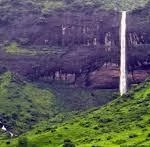
The highlight of Canela is Cascata do Caracol, a stunning waterfall that plunges over 130 meters into a forested canyon. Viewing platforms and walking trails allow visitors to admire the waterfall from different perspectives.
The surrounding Caracol State Park features hiking paths, picnic areas, and panoramic viewpoints.
Outdoor Activities and Eco-Tourism
Canela is ideal for travelers who enjoy outdoor adventures such as hiking, cycling, and exploring nature parks. The town is quieter than Gramado, making it perfect for relaxation and nature immersion.
Architecture and Local Life
Canela’s stone cathedral, Cathedral of Our Lady of Lourdes, is an impressive landmark and a central point of the town. Local cafés and artisan shops contribute to its welcoming atmosphere.
4. Serra Gaúcha – Wine Country and Mountain Landscapes
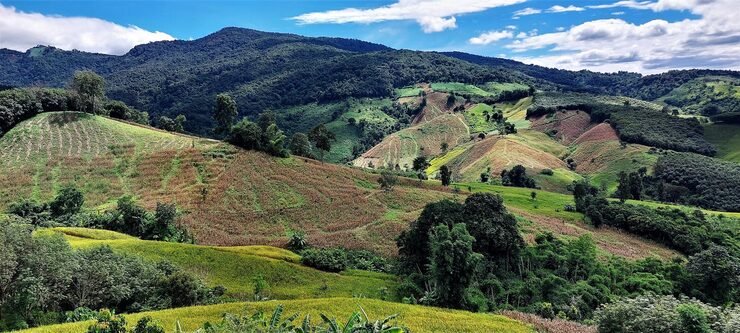
The Serra Gaúcha region is the heart of wine production in southern Brazil and one of the most scenic areas in the country. Rolling hills, vineyards, and small towns define this mountainous landscape.
Wine Routes and Vineyards
Serra Gaúcha is home to Brazil’s most famous wine regions, including Vale dos Vinhedos. Wineries offer tastings, vineyard tours, and insights into Brazilian wine-making traditions influenced by Italian immigrants.
Sparkling wines and fine reds are among the region’s specialties.
Rural Tourism and Culture
Small towns in Serra Gaúcha preserve traditional lifestyles, festivals, and cuisine. Visitors can enjoy homemade pasta, cheeses, wines, and warm hospitality in family-run establishments.
Scenic Drives and Landscapes
The region’s winding roads provide breathtaking views of valleys, hills, and vineyards, making road trips especially rewarding.
5. Torres – Coastal Cliffs and Atlantic Beaches
Torres is one of Rio Grande do Sul’s most beautiful coastal destinations, known for its dramatic cliffs rising directly from the Atlantic Ocean. It offers a striking contrast to the mountainous interior of the state.
Unique Coastal Geography
Unlike most of Brazil’s flat coastline, Torres features rocky cliffs that create natural viewpoints over the sea. These formations give the town its name and make it a favorite destination for photography and sightseeing.
Beaches and Outdoor Activities
Torres has wide sandy beaches ideal for swimming, surfing, and long walks. Paragliding from the cliffs is a popular activity, offering spectacular aerial views of the coast.
Festivals and Summer Life
During summer, Torres comes alive with festivals, cultural events, and beachside entertainment. The town combines natural beauty with a relaxed seaside atmosphere.
Conclusion: Why Rio Grande do Sul Is a Unique Brazilian Destination
Rio Grande do Sul stands apart as a state of elegance, tradition, and natural beauty. From the cultural richness of Porto Alegre to the alpine charm of Gramado and Canela, from the vineyards of Serra Gaúcha to the dramatic coastal scenery of Torres, the state offers a diverse and refined travel experience.
For travelers seeking culture, gastronomy, scenic landscapes, and a taste of European-influenced Brazil, Rio Grande do Sul is an exceptional destination. Exploring this state reveals a proud regional identity, stunning scenery, and unforgettable experiences that make it one of Brazil’s most rewarding places to visit.