
Now Reading: Top 5 Tourist Places in Shandong, China
-
01
Top 5 Tourist Places in Shandong, China
Top 5 Tourist Places in Shandong, China
Shandong Travel Guide: Sacred Mountains, Confucian Heritage, Coastal Cities, and the Cultural Soul of Eastern China
Shandong Province is one of the most historically and culturally important regions in China. Located along the eastern coast and extending deep into the heart of ancient Chinese civilization, Shandong is revered as the birthplace of Confucianism, home to sacred mountains, and a land where tradition and modern coastal life coexist.
For thousands of years, Shandong has shaped Chinese philosophy, politics, and cultural identity. It is a province of holy peaks, philosopher sages, seaside cities, colonial-era architecture, and fertile plains. From the sacred ascent of Mount Tai to the beaches of Qingdao, the ancestral hometown of Confucius in Qufu, and the relaxed coastal charm of Weihai and Yantai, Shandong offers a deeply enriching and diverse travel experience.
This 2,000+ word comprehensive Shandong travel guide explores the province’s top five must-visit destinations:
- Mount Tai
- Qingdao
- Qufu
- Weihai
- Yantai
1. Mount Tai – The Most Sacred Mountain in China
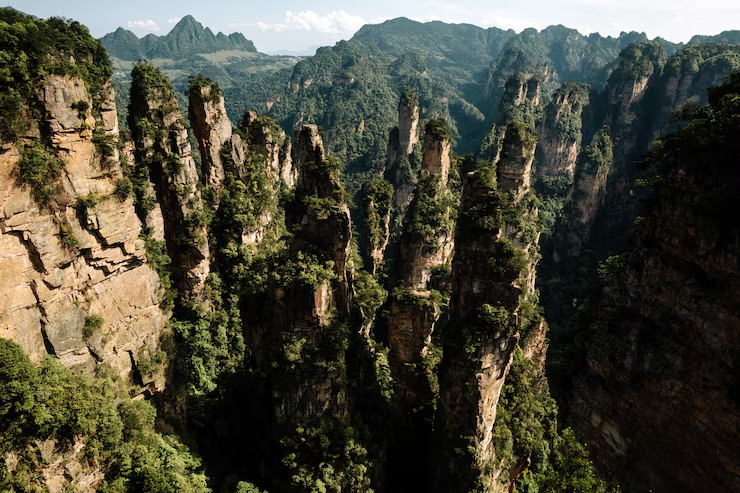
Mount Tai (Taishan) is the most revered of China’s Five Great Sacred Mountains and holds unparalleled spiritual, historical, and cultural significance. For over 3,000 years, emperors, scholars, and pilgrims have climbed its slopes to communicate with heaven and affirm their divine authority.
Spiritual and Historical Importance
Mount Tai was the site of ancient Fengshan ceremonies, where emperors performed rituals to honor heaven and earth. These ceremonies symbolized legitimacy, harmony, and cosmic order.
Confucius himself is said to have climbed Mount Tai, further enhancing its philosophical significance.
The Ascent to Heaven
The traditional route to the summit includes:
- Over 6,000 stone steps
- Ancient temples and gates
- Carved inscriptions and stone steles
The final climb up the Heavenly Stairway is steep and demanding but deeply symbolic.
Sunrise at the Summit
Watching the sunrise from the summit of Mount Tai is considered a life-changing experience. As the sun rises above the clouds, the mountains glow in golden light, reinforcing the mountain’s sacred aura.
Why Visit Mount Tai
Mount Tai is not just a mountain—it is a spiritual pilgrimage, representing the profound connection between nature, humanity, and the cosmos in Chinese culture.
2. Qingdao – German Architecture and Coastal Charm
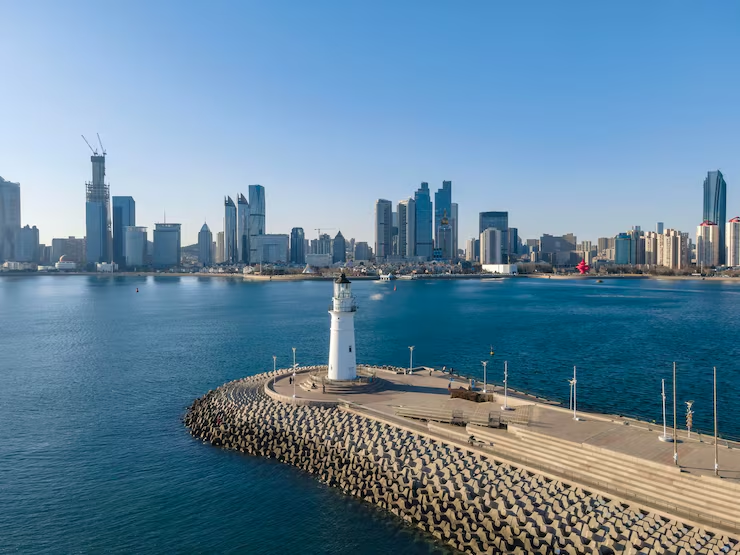
Qingdao is Shandong’s most international city and one of China’s most attractive coastal destinations. Located along the Yellow Sea, Qingdao is known for its European architecture, clean beaches, and relaxed seaside atmosphere.
Colonial Heritage
Formerly a German concession, Qingdao retains:
- Red-roofed villas
- Gothic churches
- Tree-lined streets
Landmarks such as St. Michael’s Cathedral and the old German Governor’s Residence reflect this unique heritage.
Beaches and Seaside Living
Qingdao features some of China’s best urban beaches:
- No.1 Bathing Beach
- Shilaoren Beach
- Golden Sand Beach
Seaside promenades and parks make the city ideal for walking and leisure.
Beer Culture
Qingdao is world-famous for Tsingtao Beer, founded during the German colonial period. The Qingdao Beer Museum showcases the city’s brewing history and culture.
Why Visit Qingdao
Qingdao offers a refreshing mix of European charm, coastal relaxation, and modern Chinese city life.
3. Qufu – Birthplace of Confucius and Center of Confucian Thought
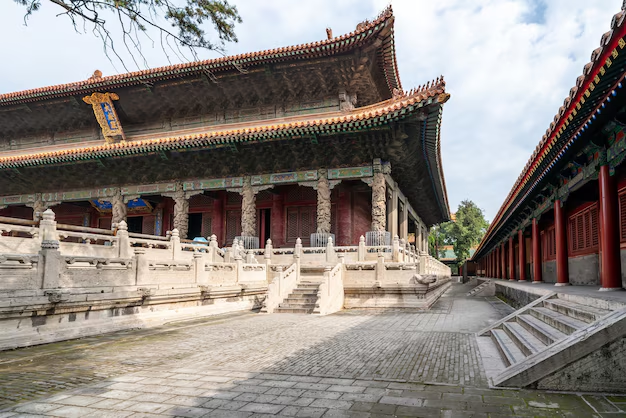
Qufu is one of China’s most important cultural cities as the birthplace of Confucius, the philosopher whose teachings shaped East Asian civilization for over two millennia.
Confucius Temple, Cemetery, and Mansion (UNESCO)
Qufu is home to three UNESCO World Heritage Sites:
- Confucius Temple – One of the largest temple complexes in China
- Confucius Cemetery – Burial site of Confucius and his descendants
- Confucius Mansion – Former residence of the Confucius family
These sites form the spiritual and intellectual heart of Confucianism.
Confucian Philosophy in Practice
Walking through Qufu offers insight into:
- Filial piety
- Ritual propriety
- Moral governance
Ceremonies and rituals honoring Confucius are still performed today.
Why Visit Qufu
Qufu is essential for travelers seeking to understand Chinese philosophy, ethics, and cultural foundations.
4. Weihai – Tranquil Coastal Beauty and Clean Living

Weihai is one of Shandong’s most livable cities and a rising star among China’s coastal destinations. Located at the eastern tip of the province, Weihai is known for its clear air, calm beaches, and relaxed pace of life.
Natural Coastal Scenery
Weihai offers:
- Sandy beaches
- Rocky shorelines
- Scenic islands
The city’s coastline is less crowded than Qingdao, making it ideal for peaceful seaside travel.
Historical Background
Weihai played an important role in modern Chinese naval history, particularly during the late Qing Dynasty.
Lifestyle and Wellness
Weihai is popular among retirees and long-term visitors for its clean environment and comfortable lifestyle.
Why Visit Weihai
Weihai is perfect for travelers seeking quiet beaches, scenic walks, and a slower coastal experience.
5. Yantai – Wine Culture and Seaside Landscapes

Yantai is famous as China’s wine capital and a major coastal city in northern Shandong. Facing the Bohai Sea, Yantai combines maritime scenery with agricultural tradition.
Wine Industry and Changyu Winery
Yantai is home to:
- Changyu Wine Culture Museum, China’s oldest winery
- Vineyards influenced by European techniques
The city’s climate makes it ideal for grape cultivation.
Coastal Views and Island Culture
Yantai offers:
- Long seaside promenades
- Views of offshore islands
- Fishing villages and harbors
Cultural and Historical Sites
Temples, parks, and museums add depth to the city’s seaside charm.
Why Visit Yantai
Yantai blends wine tourism, coastal beauty, and cultural exploration into a unique travel experience.
Best Time to Visit Shandong
- Spring (Apr–May): Ideal for Mount Tai and cultural sites
- Summer (Jun–Aug): Best for beaches and coastal cities
- Autumn (Sep–Oct): Best overall weather and scenery
- Winter: Quiet but cold