
Now Reading: Top 5 Tourist Places in Sharqia, Egypt
-
01
Top 5 Tourist Places in Sharqia, Egypt
Top 5 Tourist Places in Sharqia, Egypt
In the fertile northeastern stretch of Egypt’s Nile Delta lies Sharqia Governorate — a region where ancient temples sleep beneath green farmlands, bustling cities reflect modern Egyptian life, and rural villages preserve traditions passed down for generations.
Often overlooked by international travelers, Sharqia offers something rare: authenticity. Here, Egypt unfolds not as a tourist spectacle, but as a living culture shaped by history, agriculture, and community.
From the energetic streets of Zagazig to the archaeological ruins of Tell Basta (Ancient Bubastis), and from the lush Delta countryside to vibrant local festivals and historic mosques, Sharqia invites travelers to experience the pulse of everyday Egypt.
This is not a destination of towering pyramids or Red Sea resorts. Instead, Sharqia reveals the quieter grandeur of the Nile Delta — where life revolves around the land, faith, and tradition.
Let’s explore the highlights of this culturally rich governorate.
1. Zagazig – The Cultural Hub of Sharqia
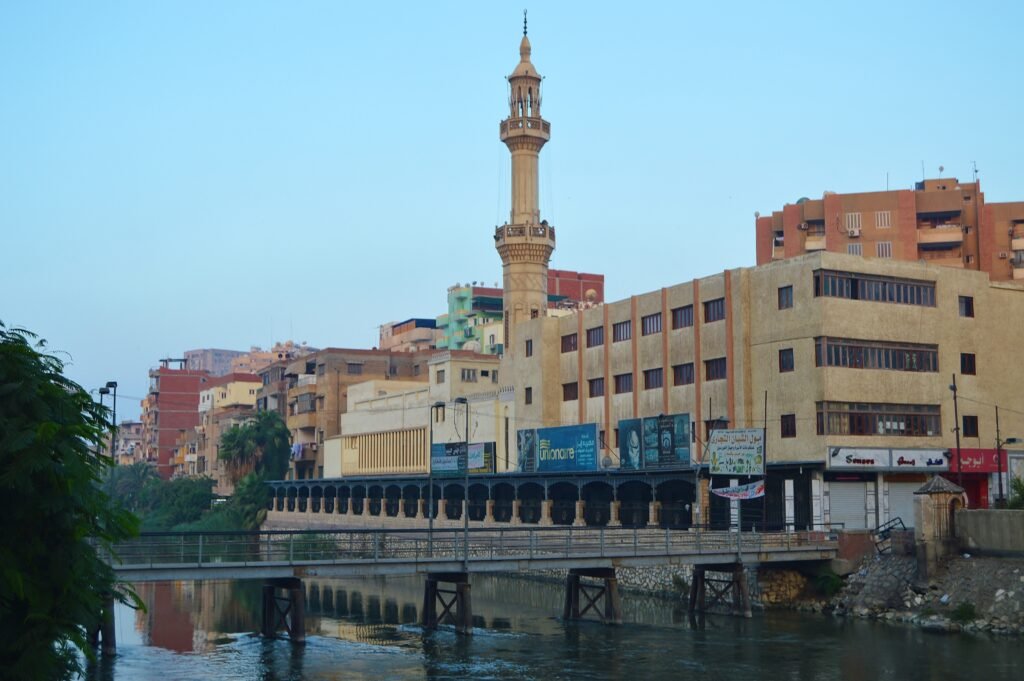
At the center of Sharqia lies Zagazig, the governorate’s capital and largest city.
A City Rooted in Modern Egyptian Identity
Zagazig is not an ancient city in the same way as Luxor or Aswan. It developed more prominently in the 19th century during Egypt’s agricultural expansion under Muhammad Ali.
Today, it serves as:
- An educational center
- A commercial hub
- A cultural meeting point
The presence of Zagazig University gives the city a youthful energy, with students filling cafés, bookstores, and public spaces.
Everyday Egyptian Life
Walking through Zagazig, visitors experience authentic urban Egypt:
- Bustling streets filled with vendors
- Traditional bakeries producing fresh baladi bread
- Small cafés serving strong Egyptian coffee
- Markets overflowing with produce from surrounding farms
Unlike heavily touristed destinations, Zagazig offers a raw, unfiltered glimpse into Egyptian daily life.
Cultural Institutions
Zagazig hosts theaters, cultural centers, and public events that celebrate literature, music, and national history.
It’s a place where modern Egypt thrives while remaining connected to its agricultural roots.
2. Tell Basta – The Ancient Ruins of Bubastis
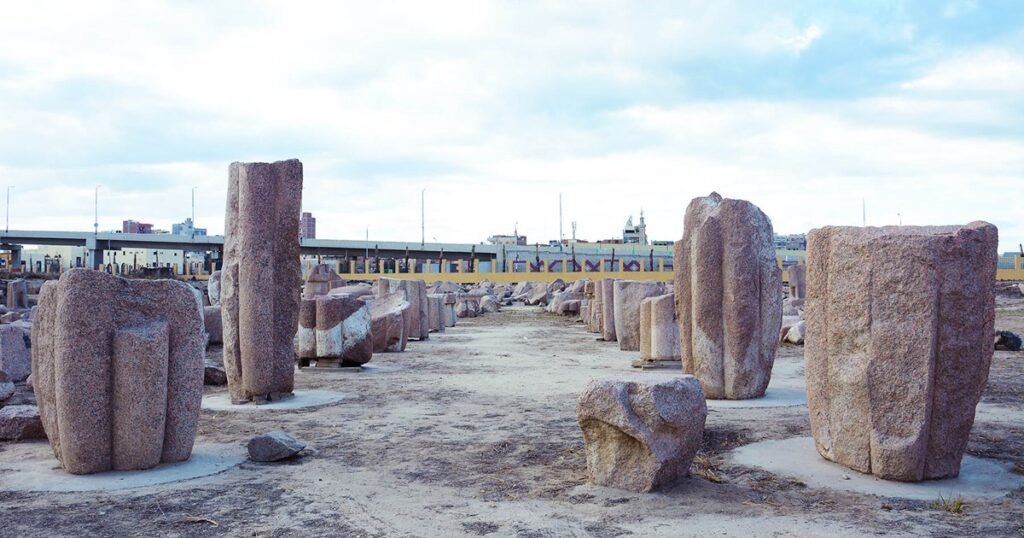
Just outside Zagazig lies one of Sharqia’s most significant historical treasures: Tell Basta, the ruins of ancient Bubastis.
The City of the Cat Goddess Bastet
In ancient times, Bubastis was a major religious center dedicated to Bastet, the goddess of:
- Protection
- Fertility
- Home
- Cats
Bastet was one of ancient Egypt’s most beloved deities, often depicted as a lioness or domestic cat.
A Major Religious Festival Site
Ancient Greek historian Herodotus described Bubastis as hosting one of the most vibrant festivals in Egypt. Thousands of pilgrims traveled here annually to celebrate Bastet with music, dancing, and offerings.
Archaeological Remains
Today, visitors to Tell Basta can explore:
- Temple foundations
- Granite columns
- Massive stone blocks
- Statue fragments
Though much of the original city was dismantled over centuries, the site still conveys the grandeur of a once-important religious capital.
A Peaceful Archaeological Experience
Unlike Egypt’s more crowded temples, Tell Basta remains quiet and rarely crowded, allowing visitors to wander peacefully through history.
Standing among scattered ruins surrounded by Delta greenery, it’s easy to imagine ancient processions once moving through these sacred grounds.
3. The Delta Countryside – Rural Beauty and Agricultural Heartland
Sharqia’s true character emerges in its countryside.
The Fertile Nile Delta
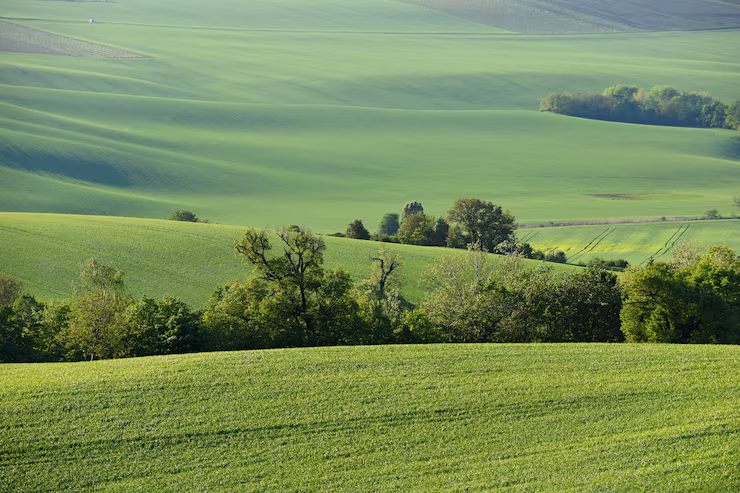
The governorate is part of Egypt’s vast Nile Delta — one of the most fertile agricultural regions in the world.
Fields stretch endlessly across the landscape, producing:
- Rice
- Wheat
- Cotton
- Vegetables
- Citrus fruits
Water canals branch off from the Nile, irrigating farmland and sustaining village life.
Traditional Villages
Rural villages in Sharqia offer a glimpse into traditional Delta living:
- Mudbrick homes
- Palm trees lining narrow paths
- Farmers working fields by hand or with simple machinery
- Children cycling along canal banks
Life here moves at a slower pace, governed by planting and harvest seasons.
Scenic Canal Walks
The irrigation canals create tranquil walking routes where reflections of palm trees shimmer on calm waters.
Birdsong and the rustle of crops in the breeze create a peaceful atmosphere far removed from city noise.
For photographers and cultural explorers, the Delta countryside offers endless inspiration.
4. Local Festivals – Cultural Celebrations and Community Spirit
Sharqia is known for its lively community traditions and festivals.
Religious Celebrations
Mawlid festivals (celebrations honoring saints) are especially significant in Delta regions.
These events include:
- Processions
- Traditional music
- Spiritual gatherings
- Market stalls and sweets
They serve as important social occasions where families gather and communities reconnect.
Agricultural Celebrations
Harvest seasons bring their own forms of celebration, reflecting gratitude for the land’s abundance.
Traditional Music and Dance
Sharqia preserves elements of Delta folk culture, including:
- Local musical rhythms
- Traditional instruments
- Community dancing
Festivals in Sharqia are not staged for tourists — they are genuine expressions of community life.
5. Historic Mosques – Regional Landmarks of Faith
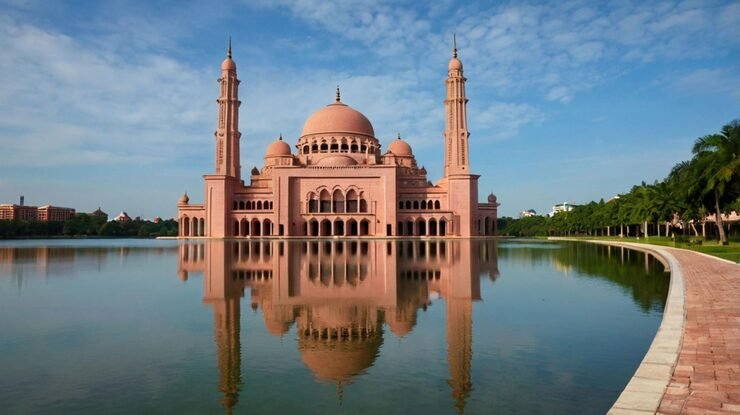
Islamic architecture forms an important part of Sharqia’s cultural landscape.
Local Mosque Architecture
Historic mosques across the governorate showcase:
- Elegant minarets
- Ornate calligraphy
- Carved wooden doors
- Decorative prayer halls
Though not as monumental as Cairo’s grand mosques, these structures hold deep local significance.
Spiritual Centers of Community Life
Mosques in Sharqia function not only as places of worship but as centers for:
- Social gatherings
- Education
- Charity activities
The call to prayer echoing across farmland at sunset is one of the region’s most atmospheric experiences.
Agriculture and Economy in Sharqia
Sharqia plays a vital role in Egypt’s agricultural production.
Cotton Legacy
The Delta region historically produced some of the world’s finest cotton.
Though production patterns have evolved, agriculture remains central to Sharqia’s identity.
Livestock and Poultry
The governorate also contributes to:
- Dairy production
- Poultry farming
- Livestock markets
Local markets reflect this agricultural richness.
Cuisine of Sharqia
Food in Sharqia is hearty, traditional, and deeply tied to the land.
Popular dishes include:
- Ful medames (fava beans)
- Taameya (Egyptian falafel)
- Molokhia
- Fresh baked baladi bread
- Rice dishes made from locally grown crops
Meals are simple yet flavorful, often shared in large family gatherings.
Fresh produce gives Delta cuisine a distinct taste.
Best Time to Visit Sharqia
The best time to visit is between October and April, when temperatures are comfortable.
Spring offers particularly beautiful countryside views as crops flourish under mild weather.
Summers can be hot and humid due to the Delta’s climate.