
Now Reading: Top 5 Tourist Places in South Sinai, Egypt
-
01
Top 5 Tourist Places in South Sinai, Egypt
Top 5 Tourist Places in South Sinai, Egypt
1. Mount Sinai – The Biblical Mountain of Revelation
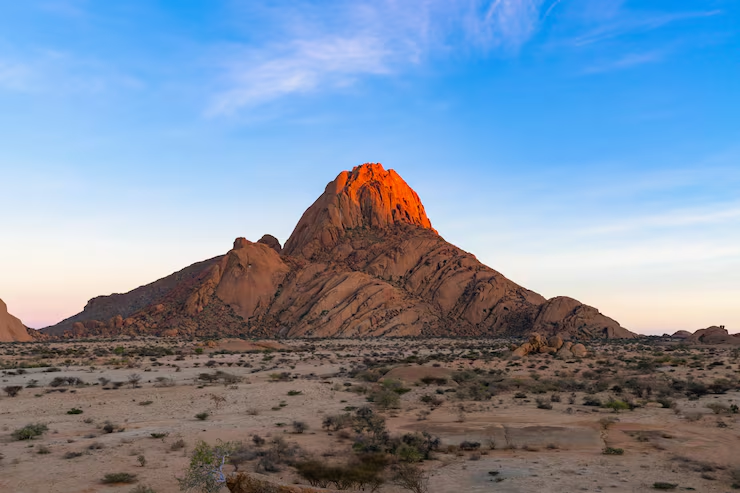
Rising dramatically from the rugged landscape of the Sinai Peninsula, Mount Sinai is one of the most spiritually significant mountains in the world. Known in Arabic as Jebel Musa, this sacred peak is traditionally believed to be the place where Prophet Moses received the Ten Commandments.
For centuries, pilgrims from Christianity, Islam, and Judaism have climbed its rocky paths seeking reflection, devotion, and awe.
A Sacred Climb Through History
The ascent to Mount Sinai is not merely a hike — it is a journey layered with faith and history. Pilgrims typically begin their climb during the night, guided by lantern-lit trails that wind through the desert mountains. The path consists of gradual slopes combined with the famous “Steps of Repentance,” a steep staircase carved into rock by monks centuries ago.
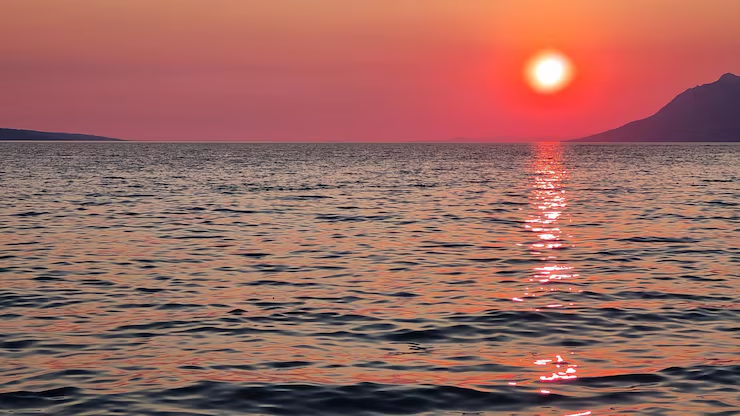
Reaching the summit just before dawn is a profound experience. As the first rays of sunlight spread across the Sinai mountains, the desert transforms into a sea of gold and crimson hues. The silence at the peak, broken only by whispers of prayer and the wind brushing across the stones, creates a deeply moving atmosphere.
Sunrise Over the Sinai Mountains
The sunrise from Mount Sinai is legendary. The vast landscape unfolds endlessly, revealing jagged peaks and valleys shaped by time. It is a moment that blends natural beauty with spiritual intensity — a memory that remains long after the descent.
Mount Sinai is not only a biblical landmark; it is one of Egypt’s most powerful spiritual experiences.
2. St. Catherine’s Monastery – A UNESCO World Heritage Treasure
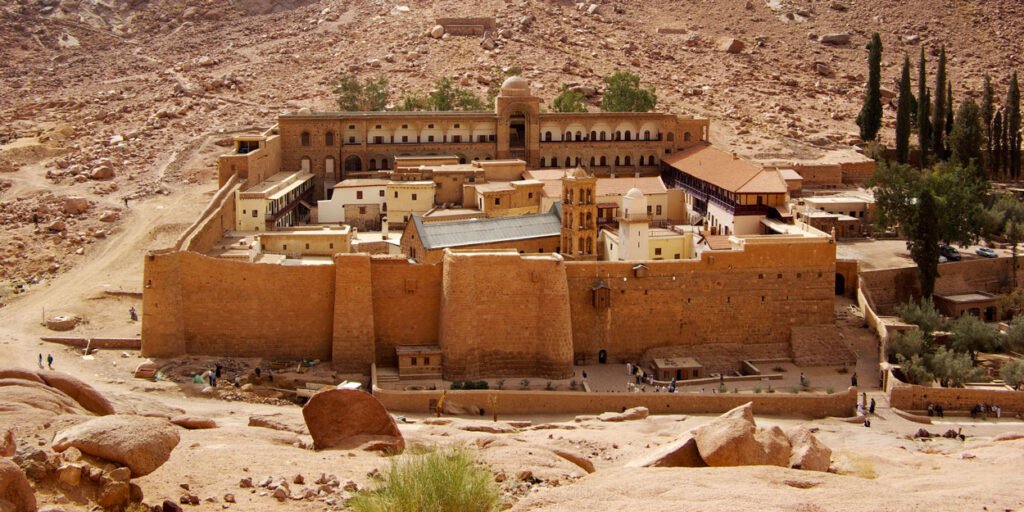
Nestled at the foot of Mount Sinai lies one of the oldest continuously operating Christian monasteries in the world — St. Catherine’s Monastery.
Built in the 6th century under the orders of Byzantine Emperor Justinian, this UNESCO World Heritage Site stands as a symbol of faith, resilience, and interreligious harmony.
A Fortress of Faith in the Desert
Surrounded by thick granite walls, the monastery resembles a fortress rising from the desert floor. These protective walls have safeguarded priceless religious treasures for over 1,400 years.
Inside, visitors can explore:
- The Church of the Transfiguration
- Ancient chapels
- A sacred well believed to be linked to the story of Moses
- The legendary Burning Bush
One of the World’s Oldest Libraries
St. Catherine’s Monastery houses one of the most important collections of early Christian manuscripts and icons in existence. Its library ranks among the most significant in the world, second only to the Vatican in religious manuscript importance.
The monastery stands as a rare example of peaceful coexistence — a Christian site protected historically by Muslim rulers, reflecting Sinai’s unique cultural harmony.
3. Dahab – The Relaxed Diving Paradise
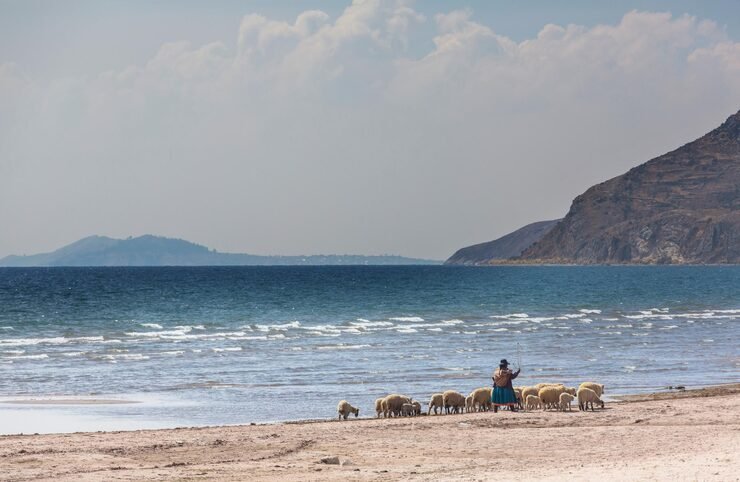
Unlike the luxury-focused atmosphere of Sharm El Sheikh, Dahab offers a laid-back, bohemian charm that has made it a favorite among divers, backpackers, and free spirits.
Once a small Bedouin fishing village, Dahab has grown into a relaxed seaside town while preserving its simple, welcoming vibe.
A Town Between Desert and Sea
Dahab’s setting is breathtaking. The turquoise waters of the Red Sea stretch endlessly to the east, while golden desert mountains rise behind the town. Cafés line the waterfront promenade, where visitors sit on cushions overlooking the sea.
Life in Dahab moves slowly. Days are spent diving, snorkeling, windsurfing, or simply relaxing by the water.
World-Class Diving Destination
Dahab is internationally recognized for its accessible and dramatic dive sites. The calm, clear waters make it ideal for both beginners and experienced divers.
The town’s friendly atmosphere, combined with extraordinary underwater life, makes Dahab one of South Sinai’s most beloved destinations.
4. Blue Hole – The Legendary Diving Site
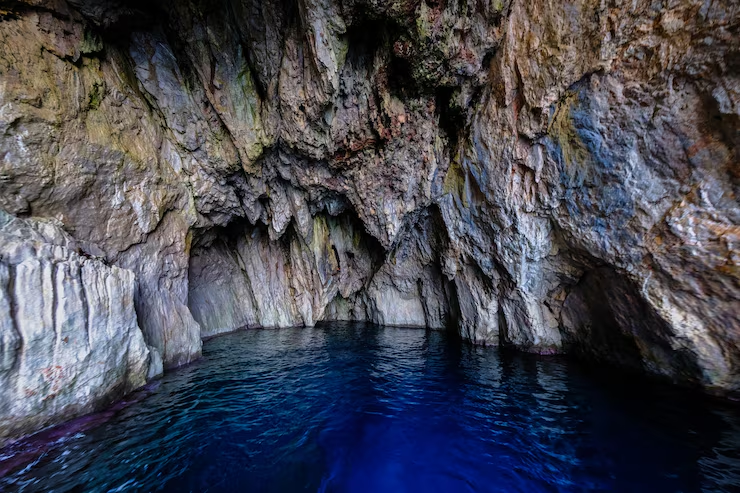
Just north of Dahab lies one of the most famous dive sites in the world: the Blue Hole.
This natural underwater sinkhole plunges more than 100 meters deep, creating a dramatic and visually stunning marine environment.
A Diver’s Challenge and Dream
The Blue Hole is known for its deep vertical drop and the underwater arch that connects it to the open sea. While it has earned a reputation as a challenging dive site suitable for experienced divers, it is also a breathtaking location for snorkeling along its coral edges.
The clarity of the water allows sunlight to penetrate deep into the blue, creating a mesmerizing gradient of color.
Vibrant Coral and Marine Life
Surrounding the Blue Hole are coral formations teeming with marine biodiversity, including:
- Butterflyfish
- Angelfish
- Parrotfish
- Sea turtles
- Moray eels
The site combines beauty, mystery, and adrenaline, making it one of the most iconic diving locations on Earth.
5. Ras Mohammed National Park – Egypt’s Coral Reef Sanctuary
At the southern tip of the Sinai Peninsula lies Ras Mohammed National Park, one of the most spectacular marine reserves in the world.
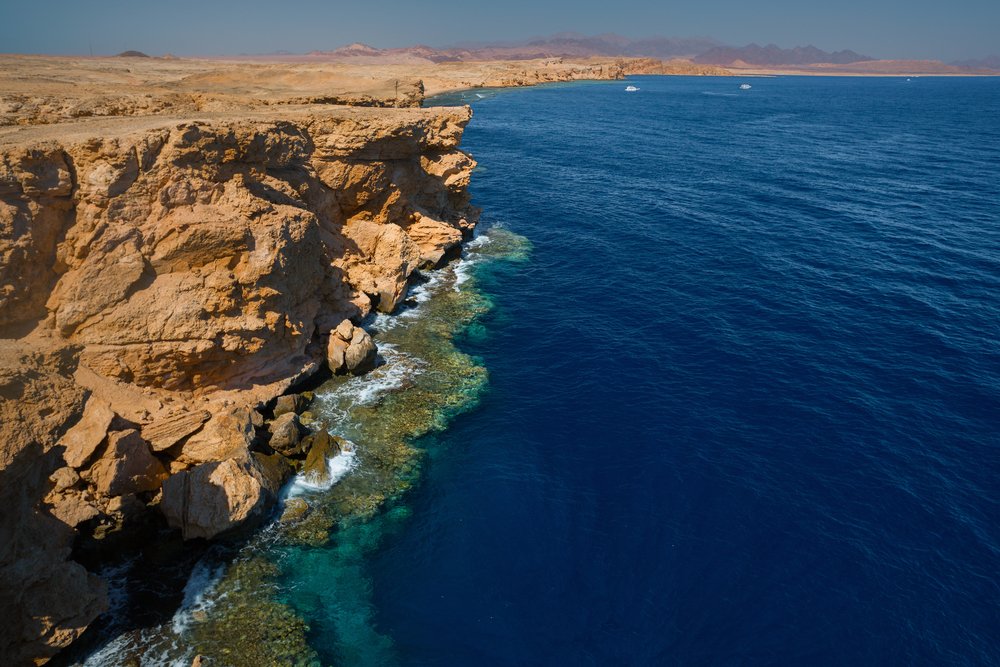
Established in 1983, this protected area preserves an extraordinary ecosystem where desert cliffs meet vibrant coral reefs.
A Marine Wonderland
Ras Mohammed is famous for its dramatic reef walls and drop-offs that descend into the deep blue waters of the Red Sea. Divers and snorkelers can explore coral gardens alive with color and motion.
The biodiversity here is remarkable, with hundreds of fish species and some of the healthiest coral systems in the region.
Land and Sea Beauty Combined
The park is not only about underwater exploration. On land, visitors can witness:
- Mangrove forests
- Saltwater lagoons
- Panoramic desert viewpoints
- Rare bird species
The meeting point of the Gulf of Suez and the Gulf of Aqaba creates strong currents that enrich marine life, making Ras Mohammed a global diving treasure.
Why South Sinai is Unique
South Sinai is unlike any other region in Egypt. It is where sacred mountains, ancient monasteries, coral reefs, and desert landscapes coexist in harmony.
Here, travelers can:
- Climb a biblical mountain at sunrise
- Explore a 1,400-year-old monastery
- Dive into some of the clearest waters on Earth
- Relax in a peaceful seaside town
- Discover vibrant marine ecosystems
South Sinai offers a rare combination of spiritual depth and natural adventure.
It is a place where faith meets freedom, where desert silence meets underwater color, and where history and nature intertwine beautifully.