
Now Reading: Top 5 Tourist Places in St. Peter, Barbados
-
01
Top 5 Tourist Places in St. Peter, Barbados
Top 5 Tourist Places in St. Peter, Barbados
St. Peter is one of the most historically rich and naturally beautiful parishes in Barbados. Located along the island’s northwestern coast, it blends old port-town heritage, relaxed beaches, cultural museums, and dramatic landscapes. Compared to the luxury-driven St. James, St. Peter feels more authentic, local, and quietly charming, offering visitors a deeper connection to Barbados’s past and coastal lifestyle.
This parish played a crucial role in Barbados’s early development as a trading hub and still preserves its maritime character today. Fishing boats line the shore, historic buildings tell stories of colonial trade, and long beaches stretch along calm Caribbean waters. At the same time, St. Peter offers excellent swimming spots, cultural attractions, and scenic viewpoints ideal for nature lovers and photographers.
From historic Speightstown to peaceful beaches and lush hilltop parks, St. Peter provides a balanced mix of culture, relaxation, and exploration. Below are the Top 5 Tourist Places in St. Peter, each revealing a unique side of this captivating parish.
1. Speightstown – Barbados’s Historic Northern Port
Speightstown is one of the oldest towns in Barbados and was once the island’s most important commercial port. Located on the west coast of St. Peter, the town retains a strong sense of history while remaining lively and welcoming.
Walking through Speightstown, visitors will find colonial-era buildings, narrow streets, seaside markets, and local shops. Unlike the polished feel of Holetown, Speightstown has a more authentic and traditional atmosphere, reflecting everyday Barbadian life.
The town’s waterfront is lined with fishing boats and small beaches, offering peaceful views of the Caribbean Sea. Local vendors sell fresh fish, produce, and handmade goods, giving visitors a taste of island culture. Several historic churches and landmarks highlight the town’s long maritime and trading heritage.
Speightstown also serves as a cultural center, hosting museums and community events that celebrate Barbados’s past. It is an excellent place to explore on foot, interact with locals, and understand how the island developed beyond resort tourism.
Speightstown is the historical heart of St. Peter, where Barbados’s port-town legacy still thrives.
2. Mullins Beach – Lively West Coast Favorite

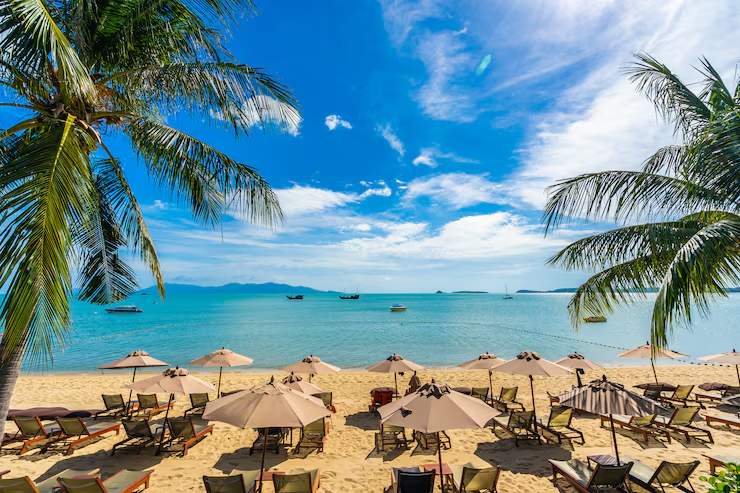
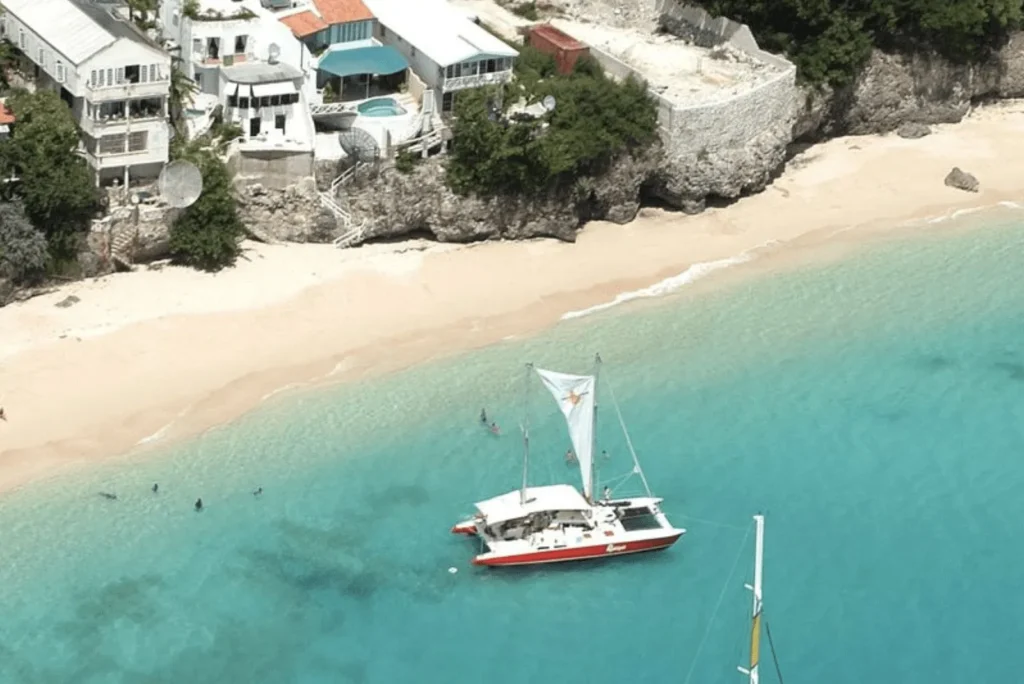
Mullins Beach is one of the most popular and accessible beaches on Barbados’s west coast. Known for its soft white sand, calm waters, and lively atmosphere, it attracts both locals and visitors throughout the year.
The beach is ideal for swimming, snorkeling, paddleboarding, and jet skiing, thanks to the gentle Caribbean Sea conditions. Sun loungers and umbrellas are available, making it easy to spend an entire day relaxing by the water.
What sets Mullins Beach apart is its vibrant social scene. Beach bars and restaurants nearby offer refreshments, local dishes, and music, creating a relaxed yet energetic vibe. It’s a great place to meet people, enjoy casual dining, and experience Barbados’s friendly beach culture.
Despite its popularity, Mullins Beach never feels overwhelming. The shoreline is wide, offering plenty of space for families, couples, and solo travelers alike. Sunsets here are especially beautiful, with golden light reflecting across the calm sea.
Mullins Beach perfectly represents Barbados’s laid-back coastal lifestyle, combining fun, relaxation, and scenic beauty.
3. Arlington House Museum – Stories of Barbados Through Time
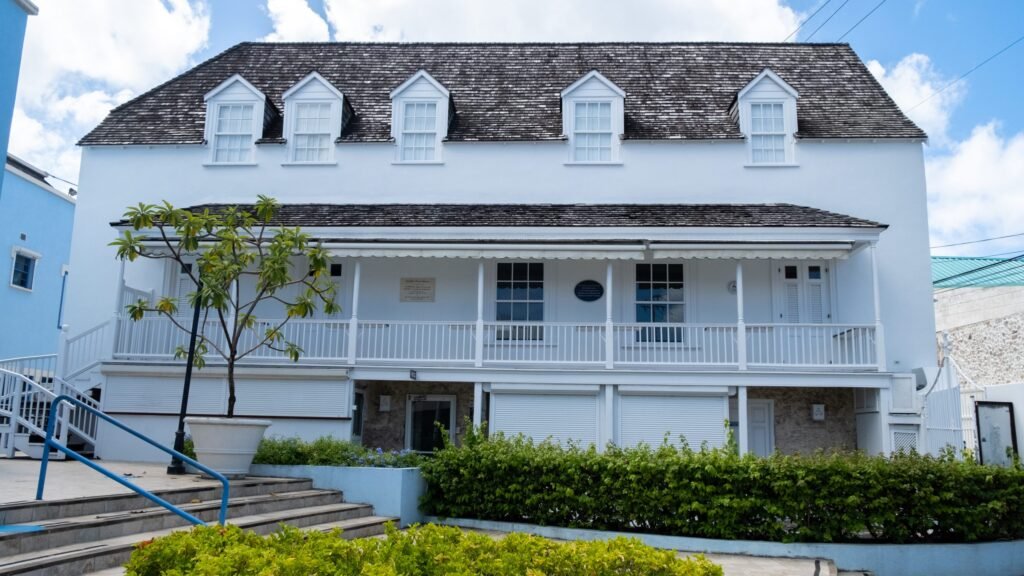
Located in the heart of Speightstown, the Arlington House Museum is one of the most engaging cultural attractions in St. Peter. Housed in a restored 18th-century building, the museum offers a multi-level, interactive journey through Barbadian history.
Each floor of the museum focuses on a different era, from indigenous settlement and colonial rule to sugar plantations, slavery, and modern Barbados. Interactive displays, audiovisual presentations, and historical artifacts bring the island’s story to life in an accessible and engaging way.
One of the museum’s highlights is its focus on Speightstown’s role as a major port during the colonial period. Visitors gain insight into trade, daily life, and the challenges faced by enslaved people and settlers alike.
The top floor offers panoramic views of the coastline, allowing visitors to connect history with the surrounding landscape. The museum is educational without being overwhelming, making it suitable for all ages.
Arlington House Museum is essential for travelers who want to understand Barbados beyond its beaches, offering context, reflection, and cultural depth.
4. Heywoods Beach – Peaceful Shores and Clear Waters
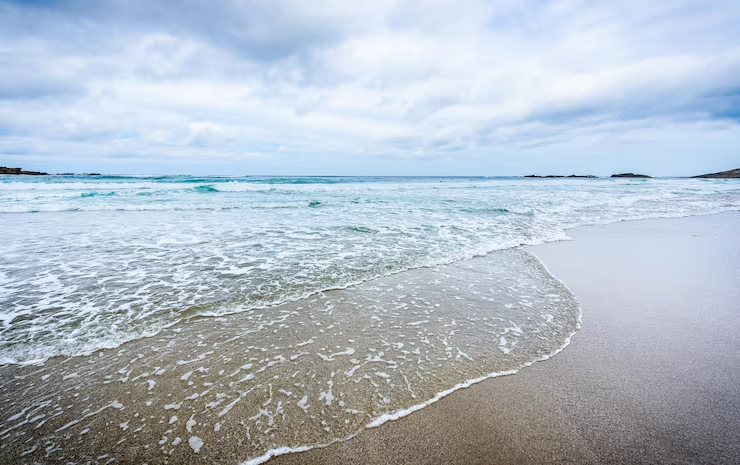
Heywoods Beach is a long, scenic stretch of sand located just south of Speightstown. Known for its clear waters, gentle waves, and relaxed environment, it is ideal for visitors seeking a quieter beach experience.
The beach is popular with locals, especially in the mornings and evenings, creating a friendly and authentic atmosphere. The water here is excellent for swimming and snorkeling, with good visibility and occasional sightings of tropical fish.
Heywoods Beach is also close to historic military sites and former British barracks, adding subtle historical interest to the area. Unlike more commercial beaches, it remains largely undeveloped, preserving its natural charm.
Long walks along the shoreline are a highlight, especially during sunrise and sunset. The calm setting makes it perfect for reading, picnicking, or simply enjoying the sound of the sea.
Heywoods Beach offers simplicity, space, and serenity, making it a favorite for travelers who prefer peaceful coastal escapes.
5. Farley Hill National Park – Ruins, Views, and Nature

Farley Hill National Park is one of the most scenic locations in northern Barbados. Set on a hilltop overlooking the Atlantic Ocean, the park is centered around the dramatic ruins of Farley Hill Great House, once a grand plantation residence.
The park is surrounded by lush greenery, towering trees, and open lawns, making it a popular spot for picnics, photography, and nature walks. From the hilltop, visitors are rewarded with panoramic ocean views, especially striking on clear days.
The ruins themselves add a sense of mystery and history. Though damaged by fire and time, they stand as a reminder of Barbados’s plantation era and architectural past. The contrast between the stone ruins and vibrant natural surroundings is visually striking.
Farley Hill National Park is also used for cultural events and festivals, bringing music and community life into the historic setting. The cool breezes and elevated location make it a refreshing escape from the coast.
This park perfectly combines history, nature, and scenery, making it one of St. Peter’s most memorable attractions.