
Now Reading: Top 5 Tourist Places in St. Philip, Barbados
-
01
Top 5 Tourist Places in St. Philip, Barbados
Top 5 Tourist Places in St. Philip, Barbados
St. Philip is one of Barbados’s most scenic and historically rich parishes, located on the island’s southeastern coast where the Atlantic Ocean meets dramatic cliffs and open countryside. Unlike the more developed west and south coasts, St. Philip offers a quiet, natural, and authentic Barbadian experience, blending stunning beaches with plantation history and archaeological heritage.
This parish is known for its windswept landscapes, golden sands, rolling fields, and colonial landmarks. Travelers visiting St. Philip often find it less crowded, more peaceful, and deeply connected to the island’s past. From world-class beaches to historic estates, St. Philip reveals a side of Barbados that is both breathtaking and culturally meaningful.
Below are the Top 5 Tourist Places in St. Philip, each highlighting the parish’s unique beauty and heritage.
1. Crane Beach – One of the Caribbean’s Most Iconic Beaches
Crane Beach is widely regarded as one of the most beautiful beaches in the Caribbean, and for good reason. With its soft pink-tinged sand, turquoise waters, and dramatic cliffs, Crane Beach offers a postcard-perfect coastal experience.
The beach is backed by towering limestone cliffs that provide stunning viewpoints, especially from the historic Crane Resort above. The waves here are stronger than those on the west coast, making it popular with experienced swimmers and bodyboarders, while still offering designated swimming areas.
Crane Beach’s natural beauty is complemented by its sense of openness and space. Even during peak tourist seasons, it rarely feels overcrowded. The combination of crashing waves, gentle sea breeze, and expansive shoreline creates a relaxing yet energizing atmosphere.
Facilities such as beach access elevators, umbrellas, and nearby dining options make Crane Beach both luxurious and accessible. Whether visitors come for sunbathing, photography, or simply soaking in the scenery, Crane Beach stands as St. Philip’s crown jewel and one of Barbados’s most celebrated natural attractions.
2. Bottom Bay – Secluded Tropical Paradise
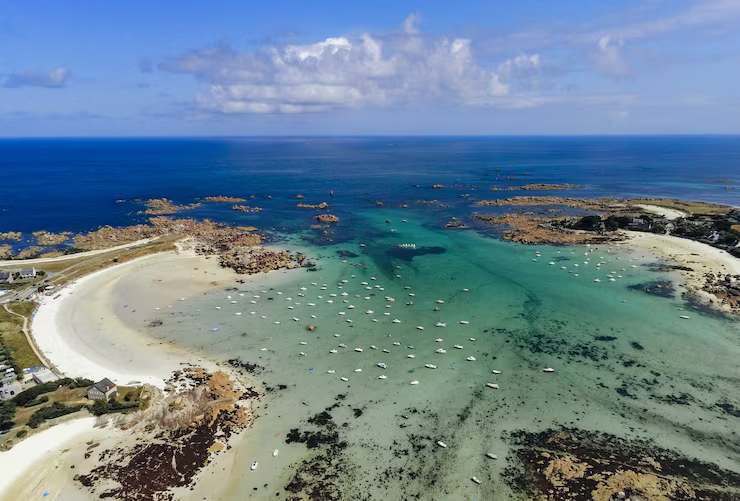
Bottom Bay is one of Barbados’s most romantic and secluded beaches, tucked away beneath tall cliffs and lined with swaying coconut palms. Often described as a hidden gem, this beach offers a sense of tranquility rarely found at more popular coastal spots.
Accessed by a staircase carved into the cliffside, Bottom Bay opens onto a crescent-shaped stretch of soft white sand framed by dramatic rock formations. The setting feels intimate and untouched, making it a favorite for couples, photographers, and travelers seeking solitude.
The waves here can be strong, so swimming is best enjoyed cautiously. However, the beauty of Bottom Bay lies as much in its atmosphere as its waters. Picnic tables and shaded areas make it ideal for relaxed afternoons overlooking the Atlantic.
Bottom Bay perfectly represents St. Philip’s appeal—natural beauty without commercial development—and offers visitors a peaceful escape surrounded by pure tropical scenery.
3. Foul Bay – Untamed Beauty and Open Horizons

Foul Bay is a wide, expansive beach that showcases the raw and untamed beauty of Barbados’s southeastern coastline. Unlike sheltered bays, Foul Bay faces the open Atlantic, resulting in powerful waves, fresh ocean breezes, and dramatic views.
The beach stretches for a considerable distance, bordered by grassy areas and low cliffs that add to its scenic appeal. Because of its size and relative isolation, Foul Bay often feels almost empty, giving visitors a sense of freedom and space.
While the strong waves make swimming challenging at times, the beach is excellent for long walks, photography, and enjoying the sound of the ocean. It is also a popular spot for locals seeking quiet relaxation away from tourist hubs.
Foul Bay highlights the contrast between Barbados’s calm Caribbean coast and its wild Atlantic edge, offering a memorable experience for nature lovers and explorers.
4. Sunbury Plantation House – Window into Colonial Barbados
Sunbury Plantation House is one of the best-preserved plantation houses in Barbados and a key historical attraction in St. Philip. Built in the 17th century, it provides valuable insight into the island’s colonial era and plantation life.
The house has been carefully restored and now functions as a museum, displaying antique furniture, artwork, and historical artifacts. Visitors can explore its rooms, learn about sugar production, and understand the social structure of plantation Barbados.
Surrounding the house are beautifully maintained gardens that add to the estate’s charm. The combination of history, architecture, and landscape makes Sunbury Plantation House an engaging cultural experience.
For travelers interested in heritage tourism, this site offers an educational and immersive look into Barbados’s past, balancing beauty with historical context.
5. Three Houses Park – Archaeology and Outdoor Leisure

Three Houses Park is an important archaeological site and community space in St. Philip. The park contains remnants of ancient Amerindian settlements, making it one of the island’s significant pre-colonial heritage sites.
Informational displays help visitors understand the lives of the island’s earliest inhabitants, adding depth to Barbados’s historical narrative beyond the colonial period. The site is also landscaped with green lawns, walking paths, and picnic areas, making it a pleasant place for relaxation.
Families, history enthusiasts, and nature lovers alike enjoy Three Houses Park for its combination of education and leisure. It is a peaceful spot where visitors can connect with both the island’s ancient roots and its modern community life.