
Now Reading: Top 5 Tourist Places in Suez, Egypt
-
01
Top 5 Tourist Places in Suez, Egypt
Top 5 Tourist Places in Suez, Egypt
At the crossroads of Africa and Asia, where desert landscapes meet strategic waterways and history shapes global trade, lies one of Egypt’s most historically significant governorates — Suez.
Often overshadowed by Cairo’s monuments and the Red Sea’s resort towns, Suez holds a unique place in both Egyptian and world history. It is here that one of humanity’s greatest engineering achievements — the Suez Canal — reshaped global commerce forever. It is here that desert mountains descend toward the sea, creating scenic coastal escapes like Ain Sokhna, one of the closest beach destinations to Cairo. It is here that war, trade, resilience, and progress intersect.
Suez is not merely a stop along the Red Sea coast. It is a gateway — geographically, economically, and historically. The governorate stands as a symbol of connection: connecting continents, connecting seas, and connecting past with present.
For travelers seeking a destination that blends maritime history, coastal relaxation, desert adventure, and national pride, Suez offers an experience that is both powerful and peaceful.
Let us explore the top highlights of Suez Governorate and uncover why this region deserves far more attention than it often receives.
1. Suez Canal – The Global Trade Route That Changed the World
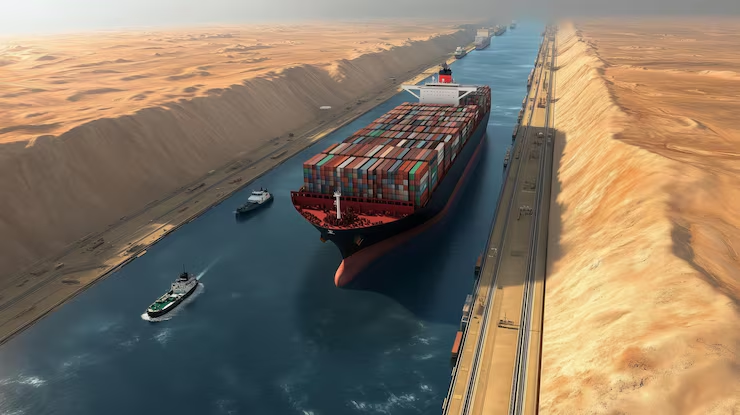
If there is one feature that defines Suez, it is undoubtedly the Suez Canal — one of the most important waterways on Earth.
A Vision That Connected Two Seas
Completed in 1869 after a decade of construction, the Suez Canal links the Mediterranean Sea to the Red Sea, creating the shortest maritime route between Europe and Asia. Before its existence, ships had to sail around the southern tip of Africa via the Cape of Good Hope — a long and dangerous journey.
The canal transformed global trade overnight. It reduced travel time, lowered shipping costs, and reshaped international economics. Today, nearly 12% of global trade passes through the canal each year.
Standing along its banks, watching enormous cargo ships glide silently across calm waters, is a surreal experience. These floating giants — container ships, oil tankers, and cruise liners — represent the lifeline of modern commerce.
Engineering Marvel of the 19th Century
The construction of the canal was a monumental engineering achievement. Thousands of workers labored in harsh desert conditions to carve a passage through sand and rock. The canal stretches approximately 193 kilometers (120 miles) and has undergone expansions and modernizations, including the New Suez Canal project completed in 2015 to increase traffic flow.
Its straight lines slicing through desert landscapes create a striking visual contrast — blue water cutting across golden sand.
Strategic and Historical Importance
The Suez Canal has played a pivotal role in global conflicts, most notably during the 1956 Suez Crisis. Control of the canal has long been tied to geopolitical power, making Suez a symbol of Egyptian sovereignty and resilience.
Today, it stands not only as a commercial artery but as a testament to ambition, determination, and national pride.
Visiting Suez without seeing the canal would be incomplete — it is the heart of the governorate and one of the world’s most significant waterways.
2. Ain Sokhna – Beach Resorts and Red Sea Relaxation Near Cairo
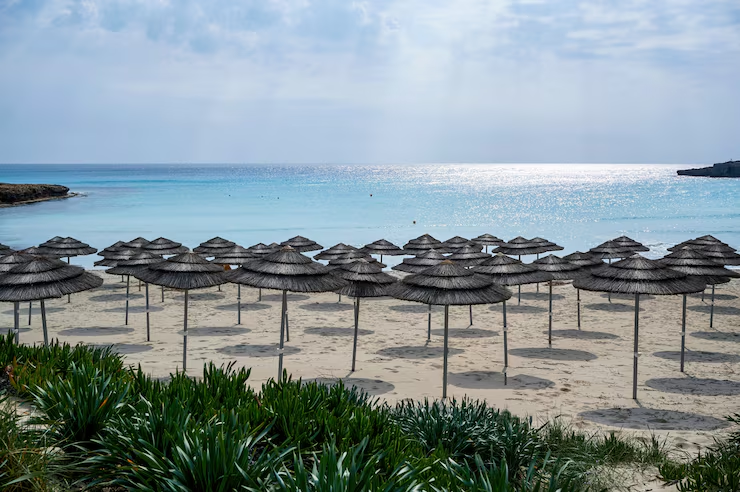
Just about 120 kilometers from Cairo lies Ain Sokhna, Suez’s most popular coastal retreat. For residents of the capital, it serves as a quick escape from urban life. For international visitors, it offers an accessible Red Sea experience without traveling far south to Hurghada or Sharm El Sheikh.
A Convenient Seaside Getaway
Ain Sokhna translates to “Hot Spring,” named after natural sulfur springs found in the area. Today, it is known for its clean beaches, calm waters, and growing collection of beachfront resorts.
Unlike the busier Red Sea destinations, Ain Sokhna feels more relaxed and intimate. It is ideal for:
- Weekend beach breaks
- Family vacations
- Romantic seaside retreats
- Short escapes from Cairo
Crystal-Clear Waters and Gentle Waves
The waters of the Gulf of Suez are typically calm, making swimming safe and enjoyable. The beaches feature soft sand and panoramic views of surrounding mountains that descend dramatically toward the sea.
Visitors can enjoy:
- Swimming and sunbathing
- Jet skiing
- Boat rides
- Fishing trips
- Snorkeling in shallow coral areas
The sunrise over the Gulf of Suez is particularly breathtaking, as golden light reflects off both sea and mountain slopes.
Luxury Resorts and Modern Developments
In recent years, Ain Sokhna has experienced significant development. Modern resorts now offer:
- Private beaches
- Infinity pools
- Spa facilities
- Golf courses
- Marina developments
Despite modernization, the natural setting remains the area’s greatest asset — a harmonious blend of sea and desert.
3. Suez Museum – Discovering Canal and Regional History
For those interested in understanding Suez beyond its beaches, the Suez National Museum provides valuable insight into the region’s layered history.
A Journey Through Time
The museum showcases artifacts spanning multiple historical periods, including:
- Ancient Egyptian relics
- Islamic-era objects
- Military memorabilia
- Canal construction exhibits
Visitors gain perspective on how Suez evolved from a modest port to a city of global importance.
The Story of the Canal
One of the museum’s central themes is the construction and development of the Suez Canal. Exhibits detail:
- Early proposals for connecting the seas
- Construction tools and equipment
- Photographs from the 19th century
- Maps and maritime navigation models
The museum highlights the human effort behind this massive project and its enduring economic significance.
A Symbol of National Identity
Suez has long been associated with patriotism and resistance, particularly during conflicts of the 20th century. The museum honors those who defended the canal and the city during times of war.
For visitors seeking deeper context, the Suez Museum enriches the travel experience by connecting present-day scenery with historical narrative.
4. Red Sea Coastline – Scenic Relaxation and Waterfront Views
Beyond Ain Sokhna, the broader Red Sea coastline of Suez Governorate offers scenic waterfront areas perfect for quiet relaxation.
Untouched Coastal Beauty
While not as heavily developed as southern Red Sea resorts, Suez’s coastline offers stretches of peaceful shorelines ideal for travelers seeking tranquility.
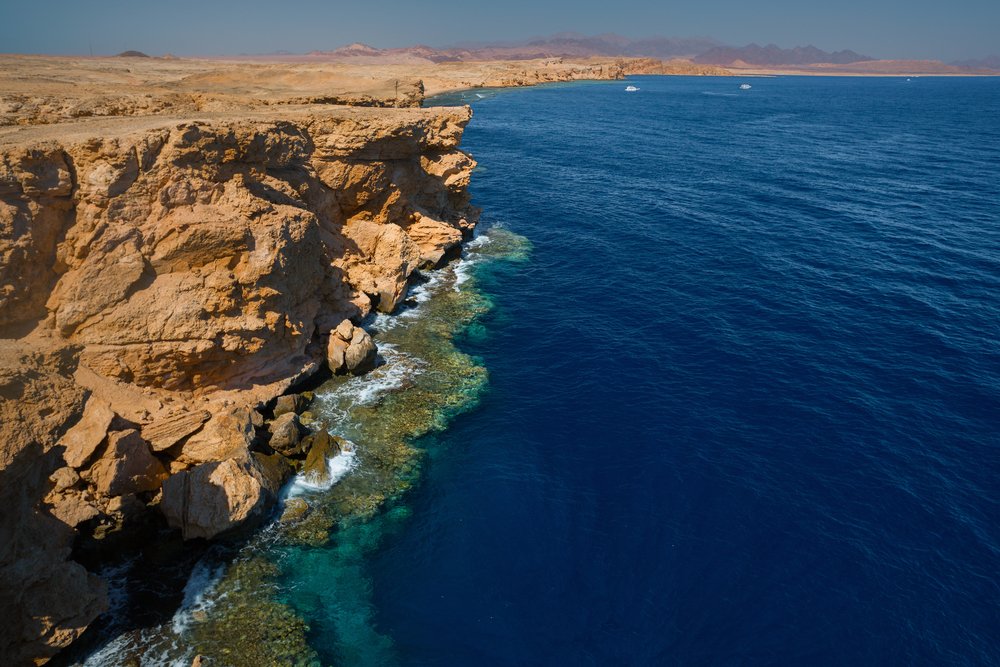
The Gulf of Suez provides calm waters framed by desert mountains. The contrast between blue sea and rugged terrain creates postcard-worthy views.
Waterfront Promenades
Suez city itself features coastal walkways where locals gather in the evenings. Families stroll along the waterfront, enjoying cool breezes and views of passing ships heading toward the canal.
The atmosphere feels authentic and community-oriented rather than commercialized.
Sunset Over the Gulf
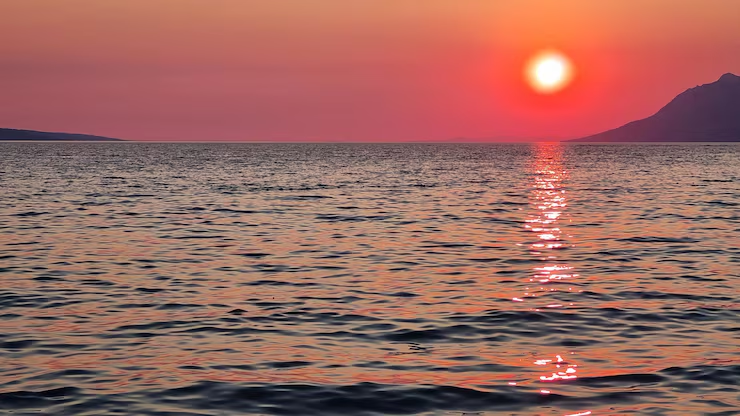
Sunsets along the Suez coastline are dramatic. The sun dips behind mountains, casting orange and crimson reflections across the sea. It is a moment of quiet beauty that defines the region’s peaceful side.
5. Mountains and Desert – Scenic Drives and Outdoor Exploration
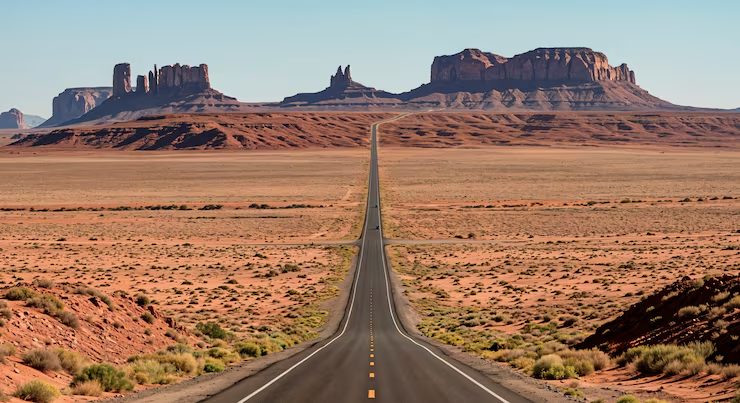
While the sea defines much of Suez’s appeal, the surrounding desert landscapes are equally captivating.
Rugged Mountain Backdrops
The Eastern Desert mountains frame the coastline, offering striking panoramic views. Scenic drives along coastal highways reveal dramatic slopes descending toward the Gulf of Suez.
These landscapes are especially impressive during early morning or late afternoon light.
Desert Adventures
Outdoor enthusiasts can explore:
- Desert safaris
- Off-road jeep excursions
- Hiking routes
- Photography tours
The desert’s silence contrasts sharply with the industrial significance of the canal, creating a dual identity for the region.
Geological Beauty
The rock formations and arid terrain reveal millions of years of geological history. The simplicity of sand, stone, and sky creates a minimalist yet powerful aesthetic.
Cultural Identity of Suez
Suez is known for its strong community spirit and patriotic legacy. Historically, the city played important roles during various conflicts, earning a reputation for resilience and unity.
Residents of Suez are often described as proud and deeply connected to their city’s heritage.
Fishing traditions remain part of local life, and seafood dishes are popular in coastal restaurants.
Best Time to Visit Suez
The ideal time to visit Suez Governorate is between October and April, when temperatures are mild and comfortable.
Summers can be hot, especially in desert areas, though coastal breezes moderate temperatures in Ain Sokhna.
Why Visit Suez?
Suez offers a rare blend of:
Global historical significance
Red Sea relaxation close to Cairo
Scenic desert and mountain landscapes
Maritime culture
National heritage
It is perfect for travelers who want more than just beaches — who want context, history, and meaning alongside relaxation.
Final Thoughts: Suez as a Gateway of Worlds
Suez is a place of passage — ships pass between continents, travelers pass between desert and sea, and history passes from one generation to the next.
Standing beside the Suez Canal, watching global commerce move silently across water carved through sand, you realize this is not just a regional attraction. It is a world landmark.
Relaxing in Ain Sokhna, with mountains rising behind you and the Gulf stretching ahead, you see another side of Suez — calm, restorative, and beautifully simple.
Exploring its museum, coastline, and desert roads reveals a region that has shaped global history while remaining deeply Egyptian at heart.
Suez may not boast ancient temples like Luxor or coral reefs like Sharm El Sheikh, but it offers something