
Now Reading: Top 5 Tourist Places in Tolima, Colombia
-
01
Top 5 Tourist Places in Tolima, Colombia
Top 5 Tourist Places in Tolima, Colombia
Tolima, Colombia: Music, Mountains, Volcanoes, and Timeless Traditions
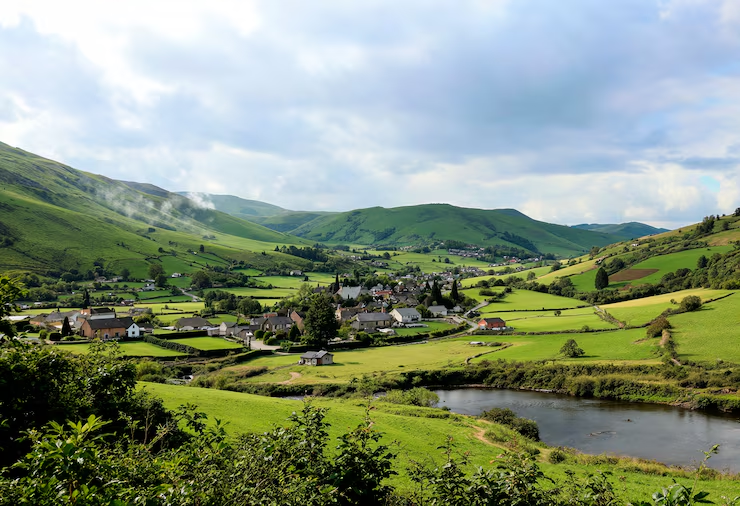
Nestled in the heart of Colombia’s Andean region, the Department of Tolima is a land where music echoes through valleys, snow-capped volcanoes dominate the skyline, and colonial towns preserve centuries of history. Often overlooked in favor of more famous regions, Tolima rewards travelers with a deeply authentic experience that blends culture, nature, adventure, and calm in equal measure.
Tolima is not flashy. It does not try to impress with grand resorts or mass tourism infrastructure. Instead, it captivates through character—through the sound of guitars drifting from plazas, mist rolling over volcanic slopes, rivers carving through canyons, and mountain villages where time moves gently.
From the rhythmic soul of Ibagué, Colombia’s music capital, to the challenging ascents of Nevado del Tolima, from the colonial charm of Honda to the lush wilderness of Combeima Canyon, and the high-altitude serenity of Murillo, Tolima offers a complete and deeply human journey through Colombia’s interior.
Ibagué – The Musical Heart of Colombia
At the center of Tolima lies Ibagué, a city proudly known as “La Capital Musical de Colombia”. Music here is not a slogan—it is a way of life, woven into education, public spaces, and identity.
A City Defined by Sound
Ibagué’s reputation as Colombia’s music capital dates back generations. The city is home to one of the country’s most important conservatories, and music education is deeply embedded in local culture. Children grow up learning instruments, choirs rehearse openly, and live performances are part of everyday life.
Walking through Ibagué, it is common to hear:
- Classical orchestras rehearsing
- Traditional Andean folk music
- Guitarists practicing in parks
- Public concerts filling plazas
Music is not confined to theaters—it belongs to the people.
Cultural Institutions and Festivals
Ibagué hosts numerous music festivals and cultural events throughout the year, celebrating both classical and traditional Colombian music. These gatherings attract artists and audiences from across the country and reinforce the city’s status as a national cultural beacon.
The city’s theaters, conservatories, and public spaces form a cultural network that supports creativity and artistic expression at every level.
Urban Life with Andean Calm
Despite being a departmental capital, Ibagué maintains a relaxed pace. Tree-lined streets, nearby mountains, and accessible nature give the city an open, breathable feel. Cafés, local eateries, and markets reflect regional flavors rather than global trends.
Why Ibagué stands out:
It is Colombia’s cultural soul expressed through music, balanced by a livable, welcoming urban environment.
Nevado del Tolima – A Volcano of Ice, Fire, and Challenge
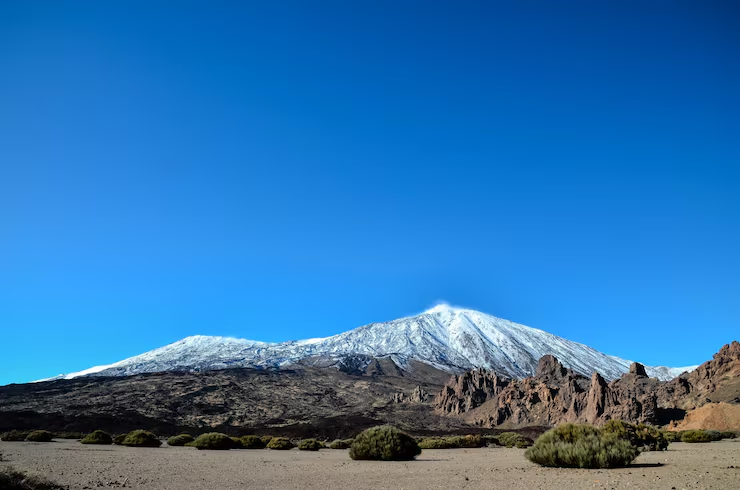
Rising dramatically above the surrounding landscapes, Nevado del Tolima is one of Colombia’s most iconic and challenging volcanoes. Standing at over 5,200 meters above sea level, it is both a natural monument and a serious adventure destination.
A Landscape of Extremes
Nevado del Tolima offers a rare combination of ecosystems:
- Lush Andean forests
- High-altitude páramo grasslands
- Volcanic rock fields
- Snow and ice near the summit
As climbers ascend, the environment changes dramatically, revealing Colombia’s ecological diversity in a single journey.
A Test for Adventurers
Climbing Nevado del Tolima is not a casual hike—it is a multi-day expedition requiring physical preparation, acclimatization, and experienced guides. Weather conditions can change quickly, and the terrain demands respect.
Those who reach the summit are rewarded with:
- Panoramic views of the Central Andes
- A profound sense of accomplishment
- Silence broken only by wind and ice
Cultural and Environmental Importance
The volcano holds deep significance for local communities and environmental conservation efforts. It is part of a protected national park system designed to preserve water sources and fragile ecosystems.
Why Nevado del Tolima stands out:
It represents Tolima’s raw, untamed power and the spirit of high-mountain adventure.
Honda – The Colonial Port Frozen in Time

Along the Magdalena River lies Honda, one of Colombia’s most historically important colonial towns. Once a vital river port, Honda today feels like a living museum where history breathes through stone streets and arched bridges.
A Gateway of the Past
During colonial times, Honda served as a key commercial link between Colombia’s interior and the Caribbean coast. Merchants, travelers, and goods passed through its docks, shaping the town’s prosperity and architecture.
Even today, remnants of this era are visible in:
- Colonial houses with wooden balconies
- Narrow cobblestone streets
- Ancient churches and plazas
- Historic bridges crossing the river
Architecture and Atmosphere
Honda’s charm lies in its authenticity. Buildings show age gracefully, without excessive restoration, allowing visitors to feel the passage of time. The warm climate, river breeze, and golden light give the town a nostalgic ambiance.
Walking through Honda is an invitation to slow down, observe details, and imagine centuries of stories embedded in walls and walkways.
A Cultural Stop Between Worlds
Honda sits geographically and culturally between the Andes and the lowlands. This makes it a fascinating blend of traditions, cuisine, and rhythms.
Why Honda stands out:
It is Tolima’s historical memory, preserved along the river of Colombia’s past.
Combeima Canyon – Nature’s Green Sanctuary
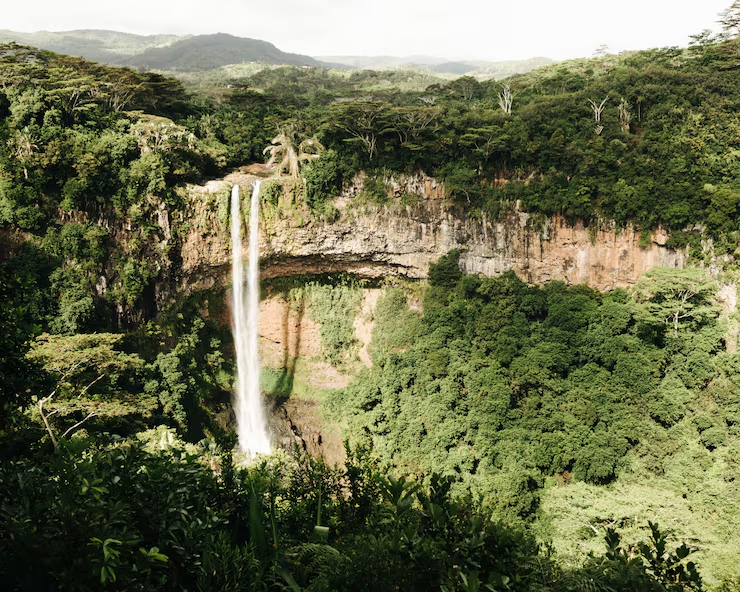
Just outside Ibagué lies Combeima Canyon, one of Tolima’s most accessible and breathtaking natural escapes. This lush valley follows the Combeima River as it flows from the high mountains down toward the city.
A Corridor of Biodiversity
Combeima Canyon is a haven for:
- Cloud forests
- Native birds
- River ecosystems
- Andean plant species
The canyon plays a crucial role in supplying water to Ibagué and maintaining regional biodiversity.
Outdoor Adventures and Relaxation
Visitors to Combeima Canyon can enjoy:
- Scenic hikes along the river
- Waterfalls and natural pools
- Birdwatching opportunities
- Picnic areas surrounded by forest
The canyon offers a balance between adventure and tranquility, making it popular with both locals and travelers.
Rural Life and Sustainable Tourism
Small farms, eco-lodges, and rural communities dot the canyon. Many promote sustainable practices, offering visitors fresh local food and insights into countryside life.
Why Combeima Canyon stands out:
It is Tolima’s green refuge, where nature and community coexist harmoniously.
Murillo – A High-Mountain Village Above the Clouds
Perched high in the Andes, Murillo is one of Tolima’s most charming and unexpected destinations. With its colorful houses, cool climate, and mountain views, Murillo feels worlds away from Colombia’s tropical stereotypes.
A Town in the Sky
Murillo’s altitude gives it a crisp, fresh atmosphere. Mist rolls through streets in the early morning, and afternoons often open to clear skies revealing vast mountain landscapes.
The town’s small size and calm energy make it ideal for reflection and rest.
Gateway to the High Andes
Murillo serves as a starting point for excursions into high-altitude ecosystems, including páramos and glacial zones. These fragile environments are vital water sources and are protected by conservation efforts.
Simple Living and Local Warmth
Life in Murillo revolves around community, agriculture, and tradition. Visitors are welcomed warmly and often experience a level of hospitality that feels personal rather than commercial.
Why Murillo stands out:
It offers peace, altitude, and authenticity in the heart of the Andes.
Why Tolima Is One of Colombia’s Most Complete Destinations
Tolima stands out not for a single attraction, but for its balance. Few regions offer such diversity within a compact area:
- Music and culture
- Volcanoes and glaciers
- Colonial history
- Rivers and canyons
- Mountain villages
It is a place where travelers can move from concert halls to snowfields, from colonial streets to wild forests, all within the same journey.
Final Thoughts: Tolima’s Quiet Brilliance
Tolima does not compete for attention—it earns it quietly. Its power lies in depth rather than spectacle, in traditions maintained rather than reinvented, and in landscapes respected rather than exploited.
Whether you are drawn by the melodies of Ibagué, the challenge of Nevado del Tolima, the history of Honda, the greenery of Combeima Canyon, or the stillness of Murillo, Tolima offers something increasingly rare in modern travel: a genuine connection to place.
For travelers seeking culture, nature, and authenticity without crowds, Tolima is not just a destination—it is a revelation.