Now Reading: Top 5 Tourist Places in Vichada, Colombia
-
01
Top 5 Tourist Places in Vichada, Colombia
Top 5 Tourist Places in Vichada, Colombia
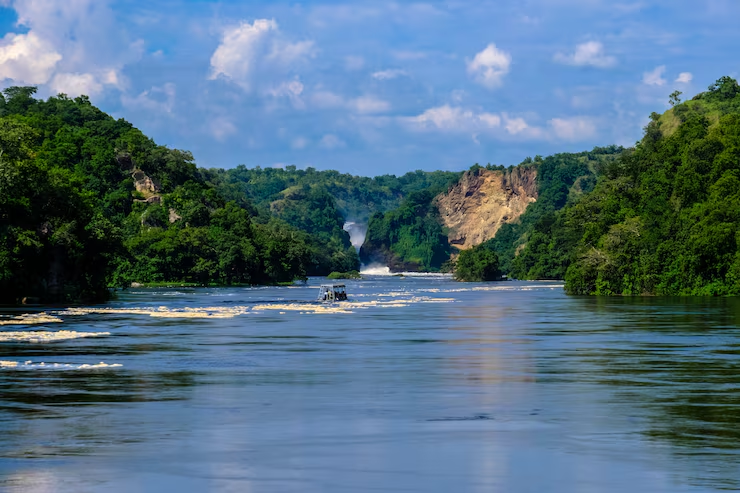
Vichada, Colombia: Where the Orinoco Meets Endless Horizons
In Colombia’s far eastern frontier, beyond highways and crowded itineraries, lies Vichada—a department defined by vast open skies, winding rivers, indigenous heritage, and raw, untamed landscapes. This is a place where the horizon seems infinite, where rivers are the true roads, and where silence speaks louder than cities ever could.
Vichada is part of Colombia’s Llanos Orientales, a region of savannas and river systems that stretch toward Venezuela and the Orinoco Basin. It is one of the country’s least visited departments, not because it lacks beauty, but because it remains beautifully remote.
From the riverfront capital of Puerto Carreño to the majestic Orinoco River, from wildlife-filled plains and indigenous villages to untouched wilderness that feels almost primordial, Vichada offers an experience rooted in space, stillness, and authenticity.
This is not tourism designed for crowds. This is travel for those who seek freedom, depth, and discovery.
Puerto Carreño – Life at the Confluence of Rivers
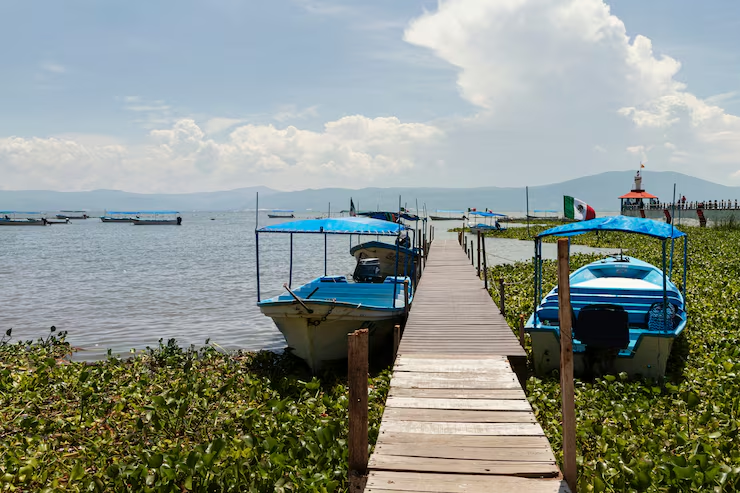
Puerto Carreño, the capital of Vichada, sits at the meeting point of the Orinoco and Meta rivers, a strategic and symbolic location that has shaped its history and culture.
A Town Built by the Water
In Puerto Carreño, the rivers are everything. They define trade, transport, livelihoods, and identity. Boats arrive daily carrying supplies, people, and stories from distant communities.
The town has a calm, frontier atmosphere. It feels functional rather than ornamental, designed to serve those who live in this remote environment.
A Cultural Crossroads
Puerto Carreño is home to a mix of settlers, llanero families, and indigenous peoples. This blend creates a unique social fabric shaped by resilience and adaptability.
Markets, river docks, and community spaces reflect daily life rather than tourism. Visitors quickly understand that here, life happens at the river’s edge.
Gateway to Exploration
As the region’s main urban center, Puerto Carreño serves as the starting point for river journeys, wildlife excursions, and cultural visits deeper into Vichada’s interior.
Why Puerto Carreño stands out:
It is a frontier capital where rivers, not roads, connect the world.
Orinoco River – One of South America’s Great Arteries
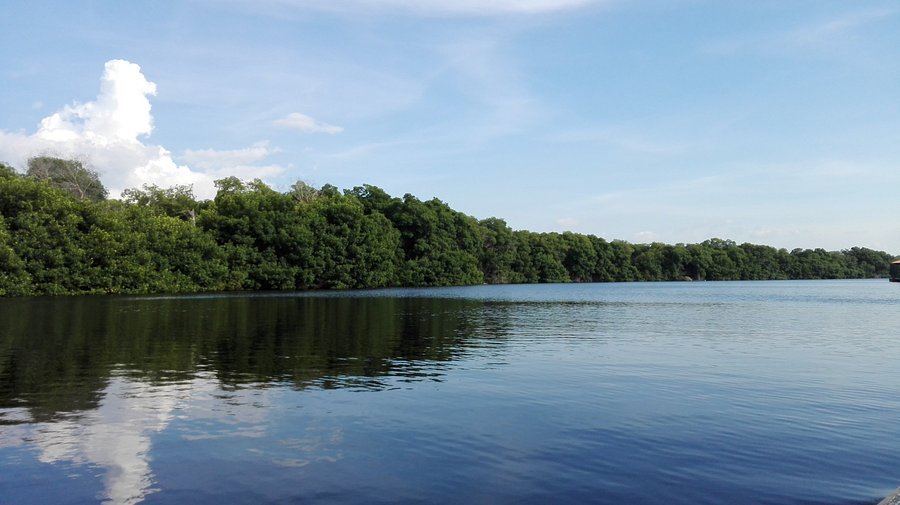
The Orinoco River, one of the longest and most powerful rivers on the continent, flows majestically through Vichada, shaping landscapes and cultures along its course.
A River of Power and Beauty
Wide, slow-moving, and commanding, the Orinoco carries enormous ecological importance. Its seasonal floods nourish plains, sustain wildlife, and support traditional ways of life.
Traveling along the river offers views of:
- Expansive savannas meeting water
- Forested riverbanks
- Sandbars emerging with the seasons
- Wildlife along the shores
Scenic Cruises and River Travel
Boat journeys on the Orinoco are not about luxury—they are about immersion. Days are spent watching the sky change colors, observing birds glide overhead, and feeling the rhythm of the current.
These journeys offer a profound sense of scale, reminding travelers how small human presence is in such vast landscapes.
Cultural Lifeline
For indigenous communities and river settlements, the Orinoco is a source of food, mythology, and movement. It is spoken of with reverence, respect, and familiarity.
Why the Orinoco River stands out:
It is a living giant—both protector and provider.
Plains Wildlife – Natural Safaris of the Llanos
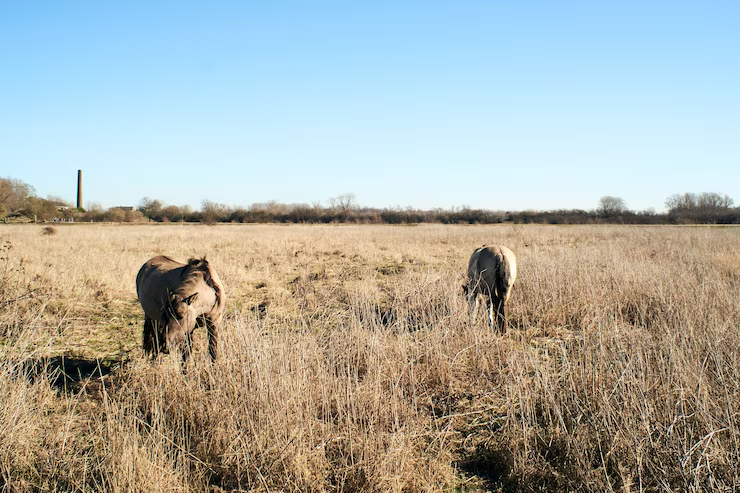
Vichada’s open savannas support one of Colombia’s richest wildlife regions. The plains, known as the Llanos, come alive with animal activity, especially during seasonal changes.
A Different Kind of Safari
Unlike dense jungle environments, the open plains allow for wide visibility. Wildlife safaris here are quiet, patient experiences that emphasize observation rather than pursuit.
Common sightings may include:
- Capybaras near water sources
- Deer grazing at dawn
- Giant anteaters roaming grasslands
- Caïmans along riverbanks
- Countless bird species
Seasonal Rhythms
The Llanos change dramatically between wet and dry seasons. During rains, the plains flood, becoming shallow lakes teeming with life. In dry months, animals gather near remaining water sources.
This natural cycle governs movement, breeding, and survival.
Traditional Llanero Knowledge
Local guides often come from llanero backgrounds, possessing deep understanding of animal behavior, weather patterns, and land navigation passed down through generations.
Why plains wildlife stands out:
It offers one of Colombia’s most underrated wildlife experiences.
Indigenous Villages – Cultural Depth in Open Landscapes
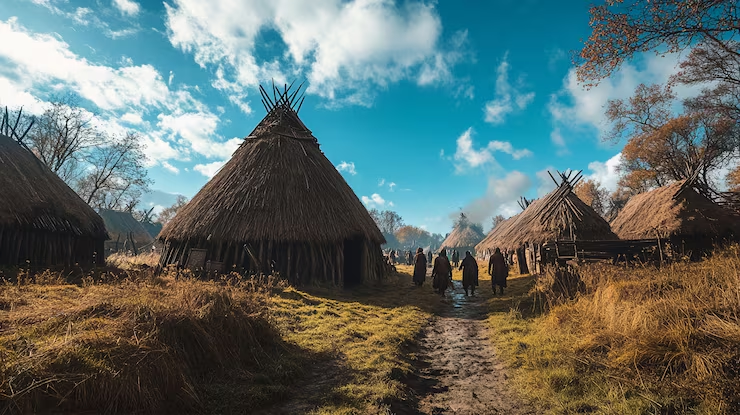
Vichada is home to several indigenous groups whose cultures are closely tied to the land and rivers.
Communities of Knowledge
Indigenous villages maintain traditions centered on:
- Sustainable hunting and fishing
- Plant-based medicine
- Oral storytelling
- Seasonal movement
These communities view the land as a living system rather than a resource.
Cultural Tourism with Respect
Visits to indigenous villages are guided experiences rooted in mutual respect. Travelers are guests, expected to follow community rules and customs.
Experiences may include:
- Learning about traditional crafts
- Understanding food preparation
- Hearing ancestral stories
- Observing daily life
Preserving Identity
Despite external pressures, many communities work actively to preserve language, rituals, and land stewardship practices.
Why indigenous villages stand out:
They offer living cultural continuity in harmony with nature.
Untouched Landscapes – The Beauty of Remoteness
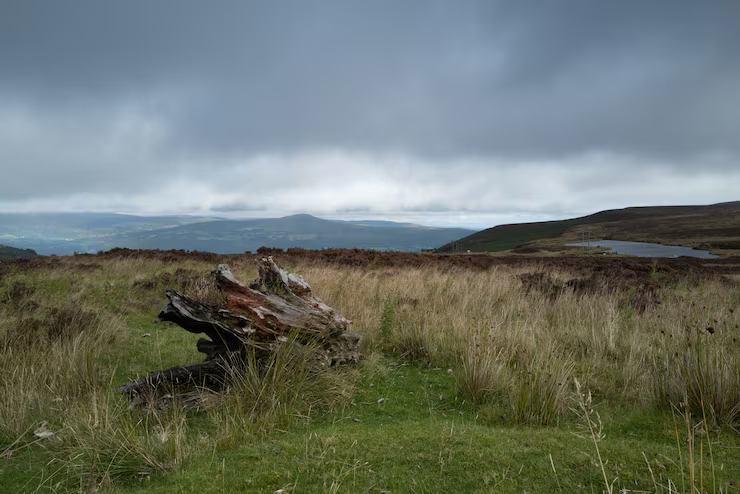
Perhaps Vichada’s greatest attraction is its emptiness—a rarity in today’s world.
Endless Horizons
Savannas stretch to the horizon without interruption. Skies feel immense. Sunsets are dramatic, unfiltered by city skylines.
There are places where:
- You can walk for hours without seeing another person
- Night skies reveal unpolluted stars
- Wind and birds are the only sounds
Emotional Impact of Space
This remoteness creates a profound emotional response. Travelers often describe feelings of freedom, humility, and introspection.
Vichada invites visitors to slow down, reflect, and reconnect with something elemental.
Why untouched landscapes stand out:
They offer mental and emotional space as much as physical beauty.
Why Vichada Is a Destination for True Explorers
Vichada is not for everyone—and that is its strength. It appeals to those who value:
- Silence over stimulation
- Space over spectacle
- Culture over convenience
- Nature over novelty
This is travel stripped of excess, focused on essence.
Final Thoughts: Vichada’s Quiet Grandeur
Vichada does not demand attention. It waits patiently for those willing to arrive without expectations and leave transformed.
Here, the Orinoco flows as it has for millennia. Wildlife follows ancient rhythms. Indigenous wisdom endures. The land remains open and free.
For travelers seeking frontier beauty, cultural depth, and a sense of the infinite, Vichada is not just a destination—it is a reminder of how vast and powerful the natural world still is.