
Now Reading: Top 20 Tourist Places in Comoros
-
01
Top 20 Tourist Places in Comoros
Top 20 Tourist Places in Comoros
1. Grande Comore (Ngazidja) – The Heart of the Comoros Islands
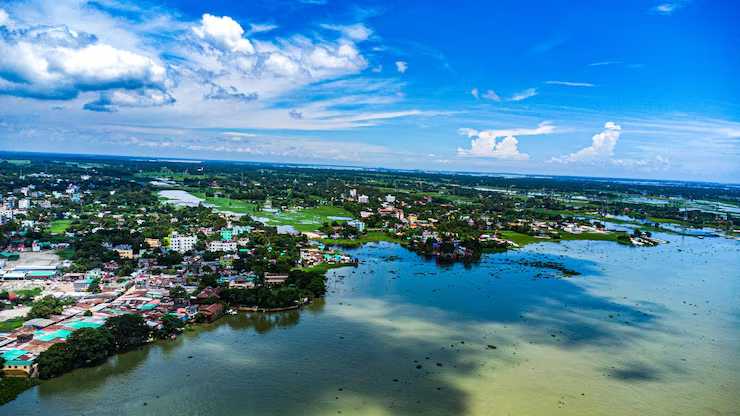
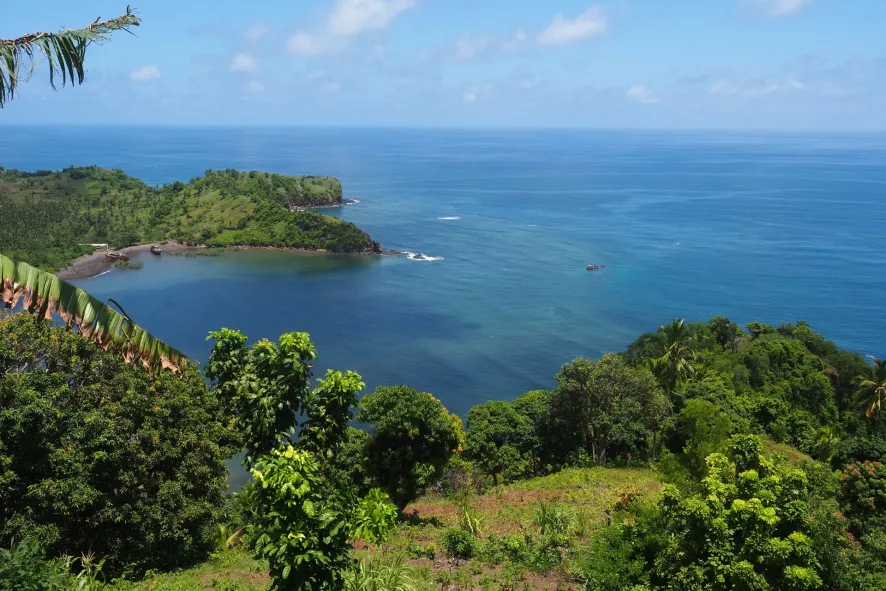
Grande Comore, locally known as Ngazidja, is the largest and most important island in the Comoros archipelago. It serves as the political, cultural, and economic heart of the country and is home to the capital city, Moroni. The island is dominated by dramatic volcanic landscapes, coastal villages, and rich Swahili culture.
One of the island’s most striking features is Mount Karthala, an active volcano that shapes much of the island’s terrain. Lava fields, black-sand beaches, and fertile slopes give Grande Comore a raw and powerful natural beauty. The coastline is dotted with fishing villages where daily life revolves around the sea.
Grande Comore offers travelers an authentic experience, far removed from mass tourism. Visitors can explore traditional markets, historic mosques, and quiet beaches while experiencing the island’s relaxed rhythm of life. The blend of African, Arab, and French influences is visible in architecture, cuisine, and customs.
For anyone visiting Comoros for the first time, Grande Comore is the ideal starting point to understand the country’s culture, landscapes, and way of life.
2. Moroni – Capital City with Historic Medina and Seaside Views
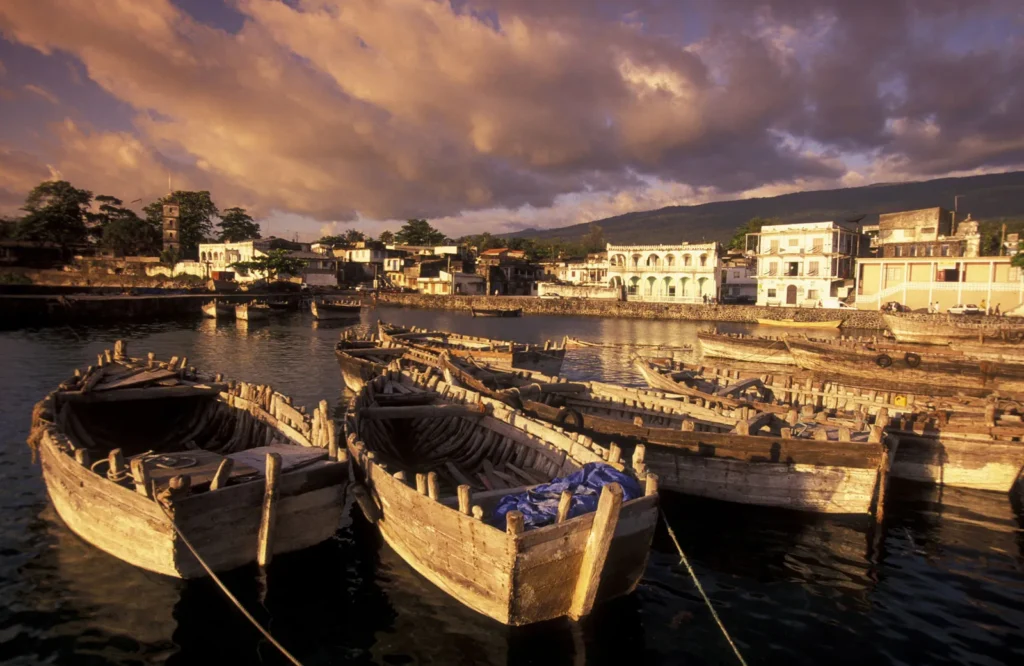
Moroni is the capital city of Comoros and the main urban center on Grande Comore. Situated along the Indian Ocean, the city offers beautiful seaside views combined with rich history and culture.
The heart of Moroni is its old medina, a maze of narrow streets lined with traditional stone houses, small shops, and historic mosques. Walking through the medina feels like stepping back in time, as daily life continues much as it has for generations. The iconic Friday Mosque, with its white façade facing the ocean, is one of the city’s most important landmarks.
Moroni’s harbor area provides scenic views of the ocean and nearby islands, especially at sunset. Local markets are lively and colorful, selling spices, fresh fish, fruits, and handmade goods. These markets offer a great opportunity to interact with locals and experience Comorian culture firsthand.
Although small, Moroni is full of character. It serves as the gateway to the rest of Comoros and offers a perfect introduction to the islands’ traditions, history, and coastal charm.
3. Mount Karthala – Active Volcano and Highest Point in Comoros
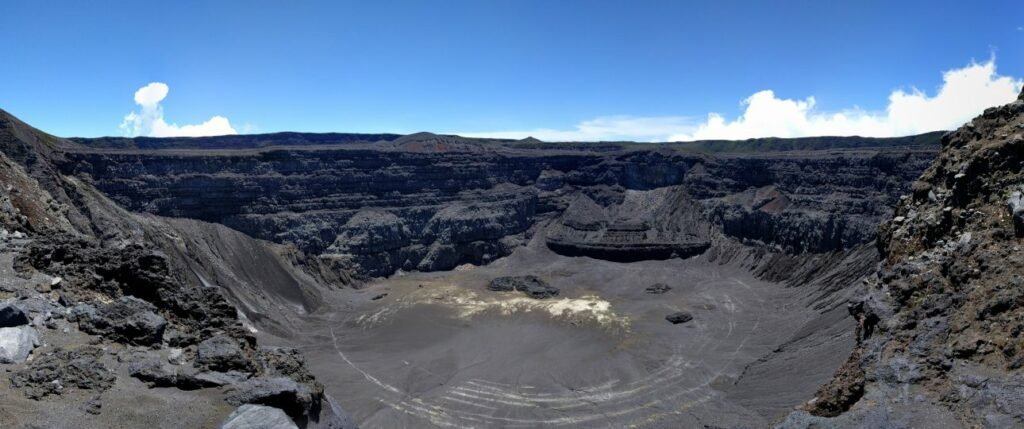
Mount Karthala is one of the most impressive natural attractions in Comoros and the highest point in the country. Located on Grande Comore, this massive active volcano dominates the island’s landscape and plays a crucial role in shaping its geography.
Rising over 2,300 meters above sea level, Mount Karthala features one of the largest volcanic craters in the world. The volcano has erupted several times in modern history, creating vast lava fields and dramatic terrain. Despite its activity, it is considered safe to visit with proper guidance.
Hiking Mount Karthala is a challenging but rewarding experience. The journey takes travelers through lush forests, volcanic rock fields, and high-altitude landscapes with breathtaking views. At the summit, visitors can see the enormous crater, often filled with mist or clouds.
For adventure seekers and nature lovers, Mount Karthala offers a unique opportunity to explore Comoros’ wild and untamed side while enjoying unforgettable scenery.
4. Mitsamiouli Beach – White Sand and Crystal-Clear Waters
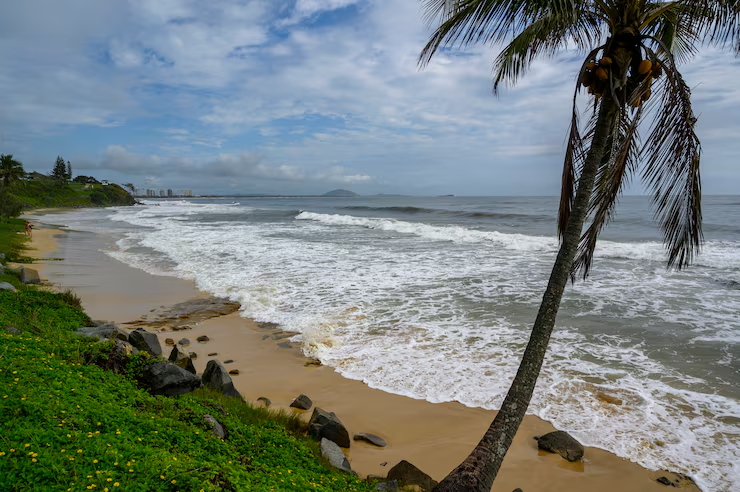
Mitsamiouli Beach is one of the most popular and beautiful beaches on Grande Comore. Known for its soft white sand and clear turquoise waters, it is a favorite spot for both locals and visitors.
The beach is ideal for swimming, snorkeling, and relaxing under the sun. Coral reefs near the shore make it a great place to observe colorful fish and marine life. The calm waters are suitable for beginners, while deeper areas attract experienced snorkelers.
Mitsamiouli is also known for its peaceful atmosphere. Palm trees line the shore, and small beachside restaurants serve fresh seafood and traditional Comorian dishes. The sunsets here are particularly stunning, painting the sky with shades of orange and pink.
Whether you’re looking to relax or enjoy water activities, Mitsamiouli Beach offers a perfect tropical escape and showcases the natural beauty of Comoros.
5. Chomoni Beach – Peaceful Coastal Escape
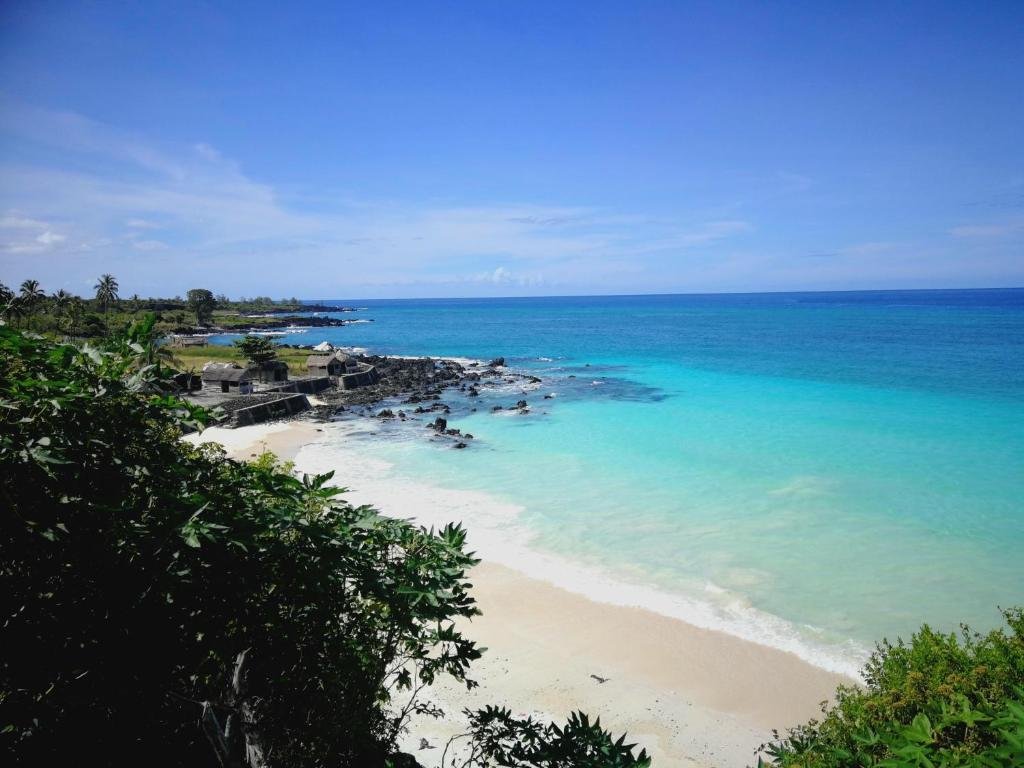
Chomoni Beach is a quiet and less crowded beach located on Grande Comore, making it ideal for travelers seeking peace and relaxation. Unlike busier beaches, Chomoni retains a natural and untouched feel.
The beach features soft sand, gentle waves, and clear waters perfect for swimming. The surrounding area is calm, with local fishermen occasionally passing by, adding to the authentic coastal atmosphere. It’s a great place to unwind, read a book, or simply enjoy the sound of the ocean.
Chomoni Beach is also suitable for snorkeling, as marine life can be seen close to shore. The lack of heavy tourism makes it an excellent spot for those who prefer secluded destinations.
For travelers who want to experience Comoros away from crowds and commercial resorts, Chomoni Beach offers serenity, natural beauty, and a genuine island experience.
6. Itsandra – Historic Coastal Town with Ancient Mosques
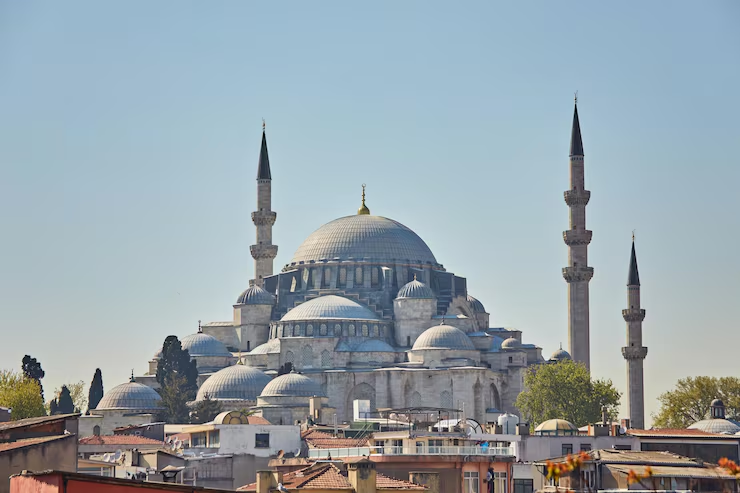
Itsandra is a historic coastal town located just north of Moroni on Grande Comore Island. This small yet culturally significant town is known for its ancient mosques, stone ruins, and deep-rooted Islamic heritage. It is one of the oldest settlements in Comoros and plays an important role in the country’s history.
The town is especially famous for the Itsandra Mosque, one of the oldest mosques in Comoros, dating back several centuries. Built using coral stone, the mosque reflects traditional Swahili-Islamic architecture and stands as a symbol of the island’s religious history. Walking through Itsandra feels like exploring an open-air museum, with remnants of old walls and traditional houses.
Itsandra’s coastal setting adds to its charm. The ocean views are peaceful, and the town offers quiet beaches where visitors can relax after exploring the historic sites. Local life remains simple, and visitors can observe daily routines, fishing activities, and community gatherings.
Itsandra is perfect for travelers interested in history, architecture, and authentic Comorian culture, offering a glimpse into the islands’ past.
7. Mohéli Island (Mwali) – Best Island for Nature and Wildlife
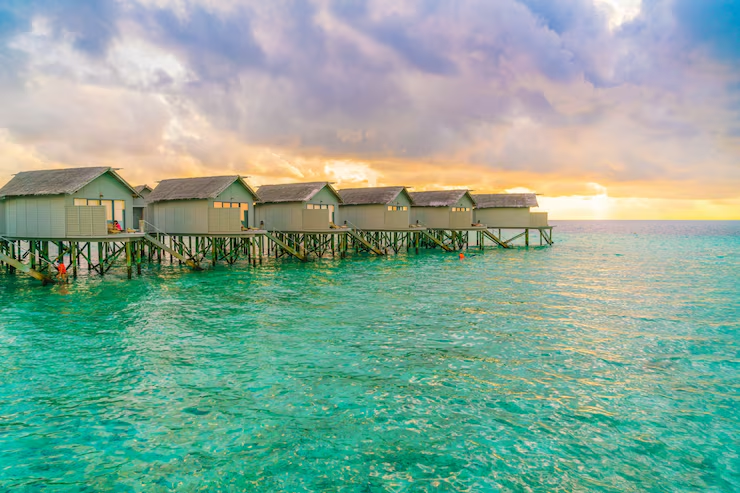
Mohéli Island, also known as Mwali, is considered the most pristine and environmentally rich island in Comoros. Smaller and less populated than Grande Comore, Mohéli is famous for its untouched landscapes, lush forests, and vibrant marine life.
The island is a paradise for nature lovers. Dense vegetation, rolling hills, and coastal ecosystems provide habitats for rare species, including fruit bats, birds, and marine animals. Mohéli’s coastline is dotted with secluded beaches, coral reefs, and mangroves.
Unlike more developed destinations, Mohéli offers eco-friendly tourism experiences. Visitors can explore traditional villages, hike through forests, and enjoy quiet beaches without crowds. The island has a strong focus on conservation and sustainable travel.
For travelers seeking a peaceful escape surrounded by nature, Mohéli Island offers one of the most authentic and environmentally preserved experiences in the Indian Ocean region.
8. Mohéli Marine Park – Protected Paradise of Turtles and Coral Reefs
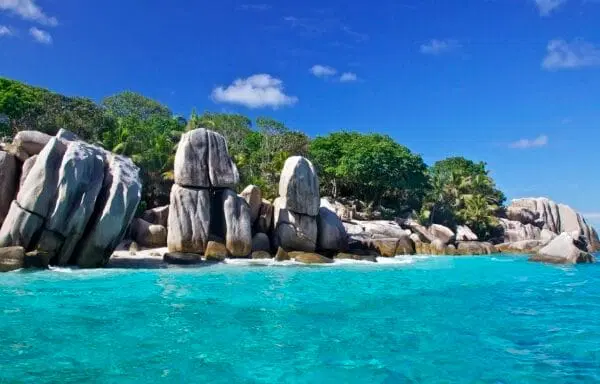
Mohéli Marine Park is the first marine protected area in Comoros and one of the country’s most important conservation sites. Located around Mohéli Island, the park protects coral reefs, marine species, and coastal ecosystems.
The marine park is famous for sea turtles, which nest on its beaches throughout the year. Visitors may also spot dolphins, whales (seasonally), and a wide variety of tropical fish. The coral reefs are healthy and colorful, making the area ideal for snorkeling and diving.
Local communities actively participate in protecting the marine park, making it a successful example of community-based conservation. Guided tours help visitors understand the importance of marine protection while enjoying the natural beauty.
Mohéli Marine Park is a must-visit destination for eco-tourists, marine life enthusiasts, and travelers looking to explore Comoros’ underwater world responsibly.
9. Fomboni – Cultural Heart of Mohéli Island
Fomboni is the main town and administrative center of Mohéli Island. While small in size, it plays a vital role in the island’s daily life and cultural identity.
The town features a relaxed atmosphere, with colorful markets, friendly locals, and traditional architecture. Fomboni’s market is the best place to experience local life, offering fresh fish, fruits, spices, and handmade goods.
Fomboni also serves as the gateway to Mohéli’s natural attractions, including the marine park and surrounding villages. Visitors often stay in or near the town while exploring the island.
For travelers wanting to understand Mohéli’s culture and community life, Fomboni offers an authentic and welcoming experience without the distractions of mass tourism.
10. Anjouan Island (Nzwani) – Mountainous Island of Waterfalls and Forests
Anjouan Island, locally called Nzwani, is the most mountainous island in Comoros. Known for its dramatic terrain, dense forests, and abundant waterfalls, Anjouan offers a striking contrast to the flatter landscapes of Grande Comore.
The island’s steep slopes are covered with lush vegetation, making it one of the greenest islands in the archipelago. Waterfalls cascade down hillsides, especially during the rainy season, creating scenic natural attractions.
Anjouan is also rich in culture and history, with traditional villages scattered across the island. Agriculture plays a major role here, and visitors will see plantations growing ylang-ylang, cloves, and vanilla.
For travelers who enjoy hiking, nature, and cultural exploration, Anjouan Island provides a perfect blend of adventure and authenticity.
11. Mutsamudu – Historic Port City with a Stone Medina
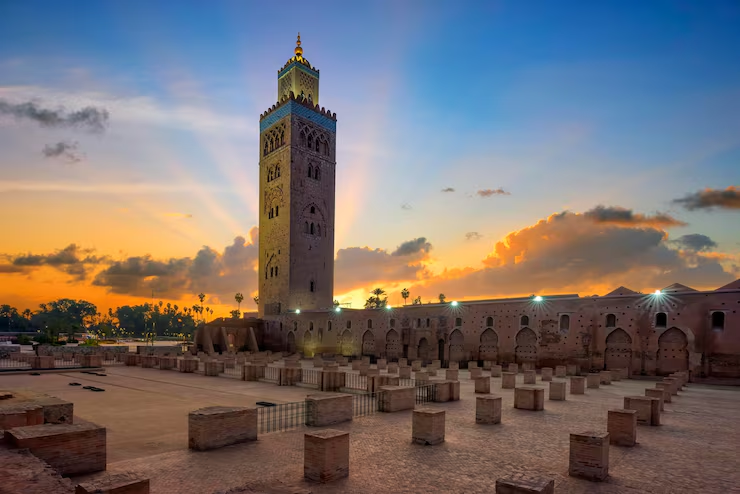
Mutsamudu is the main port city of Anjouan Island and one of the most historic towns in Comoros. Known for its old stone medina, narrow streets, and bustling harbor, Mutsamudu reflects the island’s deep maritime and trading history.
The medina of Mutsamudu is a maze of stone-built houses, traditional doors, and small shops. Walking through the old town gives visitors a glimpse into the past, when Anjouan was an important trading hub in the Indian Ocean. The influence of Arab, African, and Swahili cultures can be seen in the city’s architecture and daily life.
The port area is lively, with fishing boats, ferries, and traders moving goods between islands. Markets in Mutsamudu are colorful and energetic, offering spices, fruits, seafood, and handmade crafts.
Surrounded by mountains and the ocean, Mutsamudu combines natural beauty with rich history. It is an essential stop for travelers exploring Anjouan Island and wanting to experience authentic Comorian urban life.
12. Mutsamudu Citadel – Hilltop Fortress with Panoramic Views
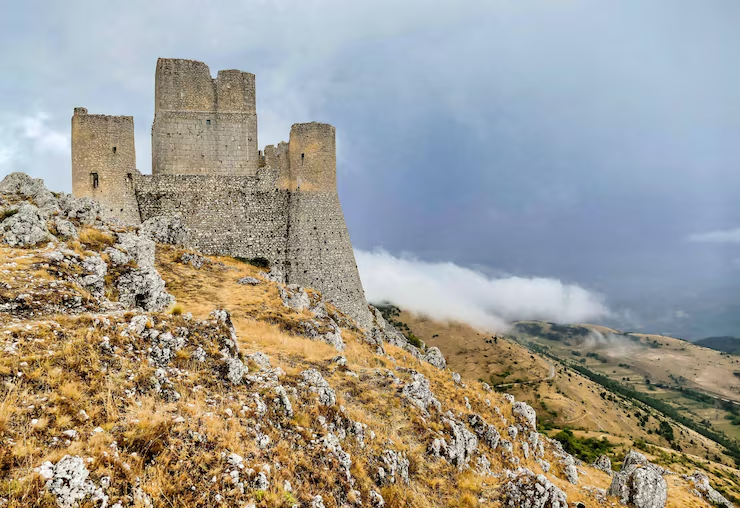
The Mutsamudu Citadel, also known as Citadelle de Mutsamudu, is one of the most iconic historical landmarks in Comoros. Built in the 18th century, this stone fortress sits on a hill overlooking the city of Mutsamudu and the Indian Ocean.
The citadel was constructed to defend the city against pirate attacks and foreign invasions. Its thick walls, watchtowers, and strategic location highlight the importance of security in Anjouan’s past. Today, it stands as a powerful symbol of the island’s history.
Visitors can hike or drive up to the citadel to explore its remains. From the top, breathtaking panoramic views of Mutsamudu, the harbor, and surrounding mountains await. The viewpoint is especially beautiful at sunrise or sunset.
The citadel is a must-visit for history lovers and photographers. It offers insight into Comoros’ defensive architecture while providing one of the best viewpoints on Anjouan Island.
13. Lake Dziani Boundouni – Emerald Crater Lake
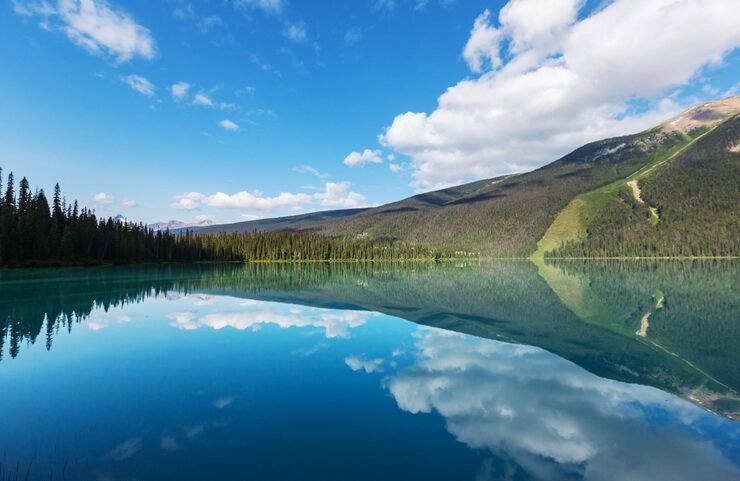
Lake Dziani Boundouni is one of the most unique natural attractions in Comoros. Located on Anjouan Island, this volcanic crater lake is famous for its striking emerald-green color and dramatic setting.
The lake sits inside a volcanic crater surrounded by steep slopes and lush vegetation. The vivid green color of the water is caused by minerals and algae, creating a surreal and almost magical appearance.
Reaching the lake involves a hike through scenic landscapes, making the journey as rewarding as the destination. The surrounding area is peaceful and untouched, ideal for nature lovers and photographers.
Lake Dziani Boundouni is not suitable for swimming due to its chemical composition, but it remains an incredible sight to behold. It represents the volcanic origins of the Comoros Islands and is a must-see destination for those interested in geology and natural beauty.
14. Sima Waterfalls – Natural Wonder of Anjouan Island
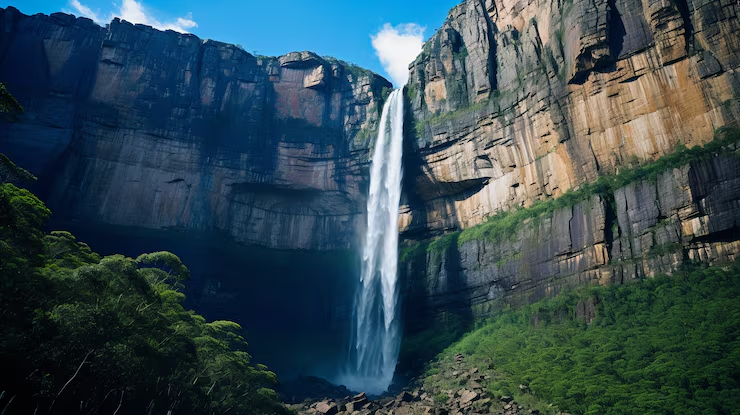
Sima Waterfalls are among the most beautiful natural attractions on Anjouan Island. Located in the island’s lush interior, these waterfalls are surrounded by dense forests and dramatic mountain scenery.
The waterfalls are especially impressive during the rainy season when water flows strongly over the rocks, creating mist and refreshing cool air. The surrounding environment is rich in vegetation, birds, and natural sounds, making it a peaceful retreat from urban life.
Reaching Sima Waterfalls often involves a short hike through villages and forest trails, allowing visitors to experience local life and nature together. The hike itself is scenic and enjoyable.
Sima Waterfalls are ideal for travelers who enjoy eco-tourism and outdoor exploration. They showcase Anjouan’s natural beauty and offer a refreshing escape into the island’s green landscapes.
15. Domoni – Old Swahili Town with Carved Wooden Doors
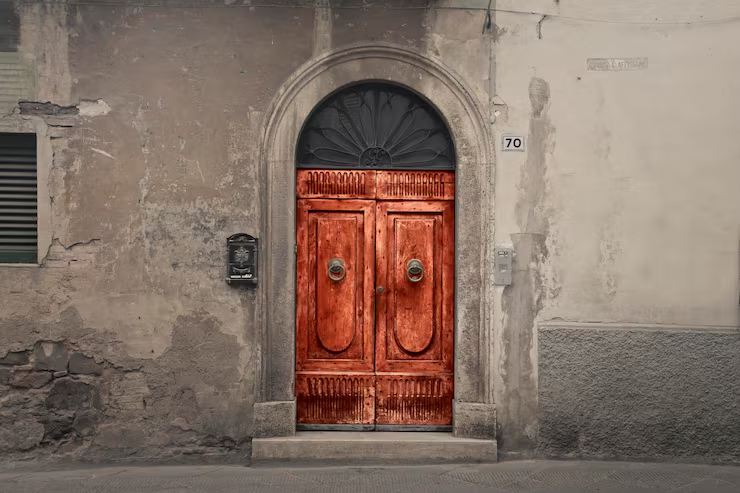
Domoni is one of the oldest towns on Anjouan Island and holds great historical and cultural importance. Known for its Swahili architecture and beautifully carved wooden doors, Domoni reflects centuries of trade and cultural exchange.
The town’s old streets are lined with traditional houses built from stone and coral. The intricately carved doors are a highlight, showcasing skilled craftsmanship and cultural symbolism. These doors often represent family heritage and social status.
Domoni also has historical mosques and coastal views, adding to its charm. The town feels calm and timeless, offering visitors a chance to experience traditional Comorian life.
For travelers interested in history, architecture, and culture, Domoni provides a rich and authentic experience that highlights the Swahili roots of Comoros.
16. Bimbini – Village of Traditional Culture and Crafts
Bimbini is a charming village located on Anjouan Island, known for preserving traditional Comorian culture and craftsmanship. Unlike larger towns, Bimbini offers visitors an intimate look at daily village life, where traditions are still practiced and passed down through generations.
The village is especially known for local crafts such as wood carving, weaving, and handmade tools. Many residents rely on traditional skills for their livelihood, and visitors can often watch artisans at work. These crafts reflect the island’s cultural identity and are meaningful souvenirs for travelers.
Bimbini is surrounded by green hills and fertile land, making agriculture an important part of village life. Coconut trees, banana plants, and spice crops are common sights. The calm atmosphere makes it an ideal place for travelers seeking cultural immersion rather than modern tourism.
A visit to Bimbini provides insight into Comoros’ rural heritage, offering a warm welcome, authentic experiences, and a deeper understanding of island traditions.
17. Chindini Beach – Secluded Paradise on Anjouan Island
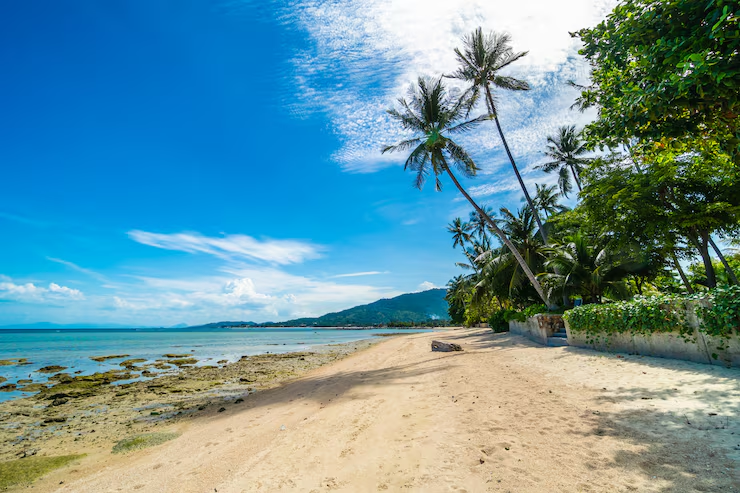
Chindini Beach is one of the most beautiful and peaceful beaches on Anjouan Island. Known for its soft sand, clear turquoise water, and quiet surroundings, it is a perfect escape for travelers seeking solitude and natural beauty.
Unlike busier beaches, Chindini remains largely untouched by development. The beach is ideal for swimming, relaxing, and enjoying the sound of gentle waves. Palm trees and greenery surround the area, adding to its tropical charm.
The water is calm and clear, making it suitable for snorkeling near the shore. Visitors can observe small fish and coral formations without needing advanced equipment.
Chindini Beach is also a great spot for photography, especially during sunrise and sunset. Its serene atmosphere and stunning coastal views make it one of Anjouan’s hidden gems and a must-visit for beach lovers.
18. Ikoni – Ancient Town of Legends and Ruins
Ikoni is one of the oldest towns in Comoros, located on Grande Comore Island. Rich in history, legends, and archaeological remains, Ikoni offers a fascinating glimpse into the islands’ past.
The town is famous for its ancient ruins, stone walls, and mosques that date back centuries. According to local legends, Ikoni was once a powerful city-state, and many stories are still passed down through oral traditions.
Ikoni’s historic sites are spread across the town, allowing visitors to explore at a relaxed pace. The town’s elevated location also offers beautiful views of the surrounding landscape and ocean.
For history enthusiasts and cultural travelers, Ikoni is a must-visit destination. It combines historical depth with traditional life, making it one of the most culturally significant places in Comoros.
19. Vouvouni Forest – Nature Reserve with Birdlife and Trails
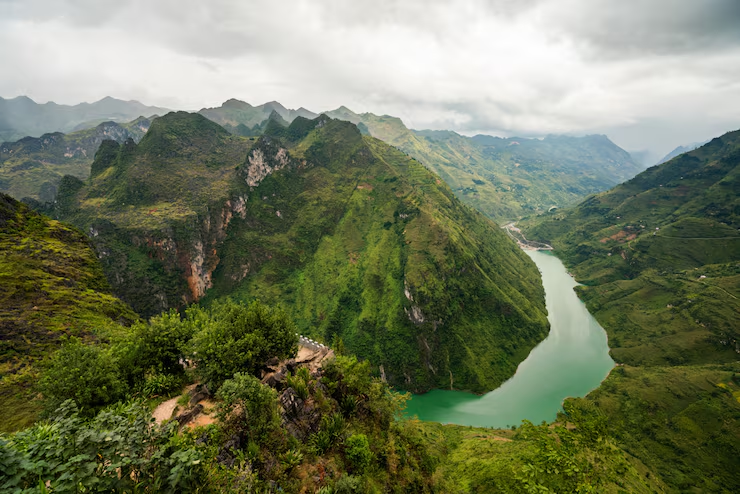
Vouvouni Forest is a protected natural area on Grande Comore, known for its biodiversity and scenic hiking trails. This forest reserve plays an important role in preserving the island’s wildlife and natural ecosystems.
The forest is home to a variety of bird species, making it a great destination for birdwatchers. Tall trees, dense vegetation, and cool forest air create a refreshing environment for exploration.
Hiking trails wind through the forest, offering opportunities to observe plants, insects, and wildlife in their natural habitat. The peaceful surroundings make it ideal for nature walks and eco-tourism activities.
Vouvouni Forest is perfect for travelers who want to experience Comoros’ natural beauty beyond beaches. It highlights the importance of conservation and provides a quiet escape into the island’s green landscapes.
20. Bangoi Kouni – Coastal Village with Beach and Mountain Views
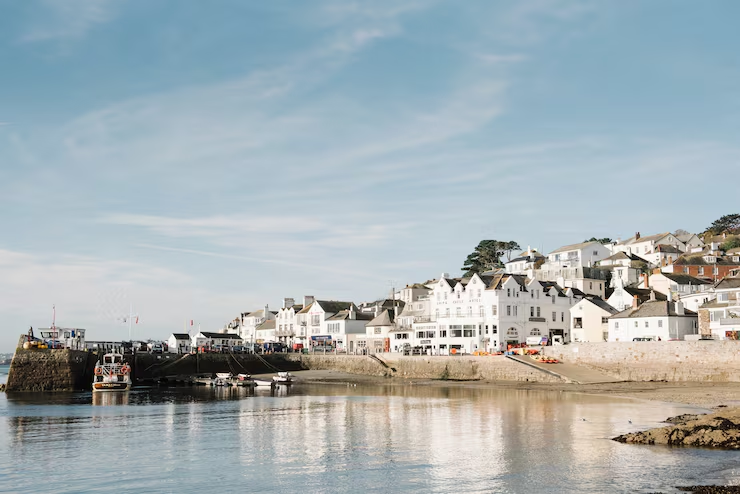
Bangoi Kouni is a scenic village located on Grande Comore, known for its stunning combination of coastal beaches and mountain backdrops. The village offers a peaceful atmosphere and breathtaking natural scenery.
The beaches near Bangoi Kouni are clean and calm, making them suitable for swimming and relaxation. At the same time, views of Mount Karthala in the distance create a dramatic and beautiful contrast between sea and mountains.
The village lifestyle is simple and welcoming, with fishing and agriculture forming the backbone of the local economy. Visitors can experience genuine hospitality and traditional Comorian living.
Bangoi Kouni is an excellent destination for travelers who want to enjoy both nature and culture in one place. It represents the natural charm and quiet beauty that make Comoros a unique travel destination.