
Now Reading: Top Tourist Places in St. George, Barbados
-
01
Top Tourist Places in St. George, Barbados

Top Tourist Places in St. George, Barbados
St. George is one of Barbados’s most peaceful and authentic inland parishes, offering a refreshing contrast to the island’s famous beaches. Located at the heart of the island, St. George is characterized by rolling hills, lush forests, historic landmarks, and traditional villages. It is a place where visitors can experience Barbados beyond resorts—connecting instead with its rural beauty, colonial history, and everyday island life.
Unlike coastal parishes, St. George invites travelers to slow down, explore nature, and enjoy panoramic views that stretch across the island. From historic signal stations to dense tropical forests and small village communities, this parish offers a deeply enriching experience for those seeking culture, history, and tranquility.
Below are the Top Tourist Places in St. George, each showcasing a unique side of this charming and often overlooked parish.
1. Gun Hill Signal Station – Barbados from Above
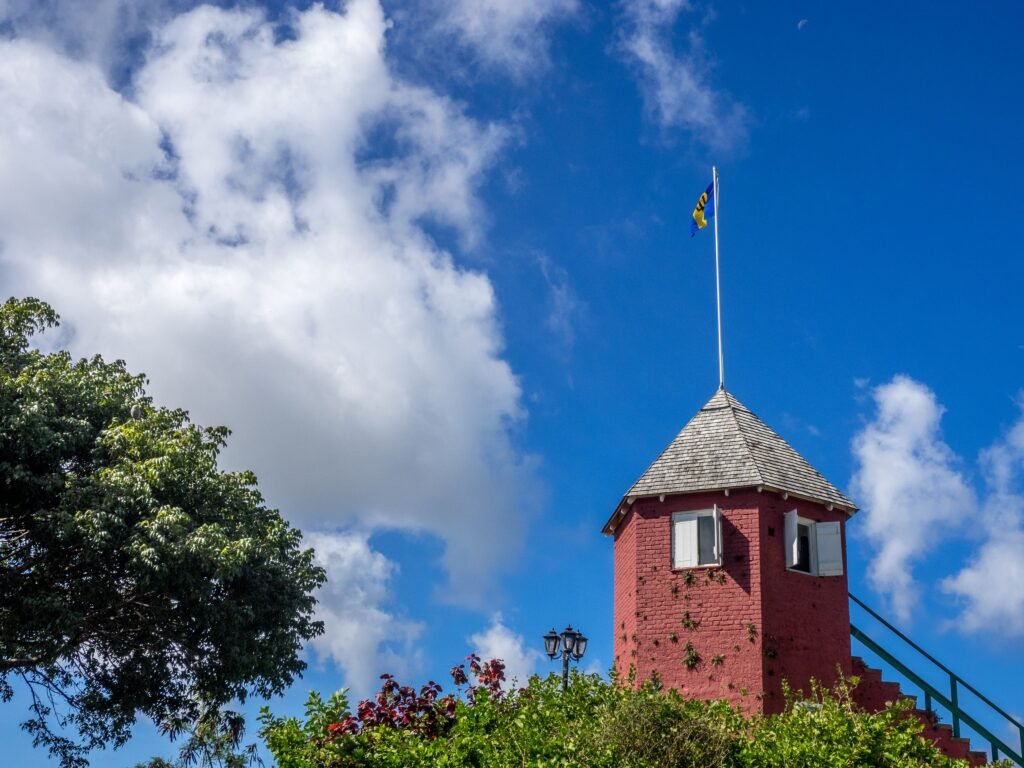
Gun Hill Signal Station is one of the most historically significant landmarks in Barbados and the crown jewel of St. George. Built in the early 19th century, it was part of a chain of military signal stations used by the British to defend the island against potential invasions.
Perched high on a hill, the station offers some of the best panoramic views in Barbados. On clear days, visitors can see both the east and west coasts of the island, making it an ideal spot for photography and sightseeing.
The station features well-preserved military buildings, cannons, and exhibits explaining how signal flags were used to communicate across the island. Nearby, the iconic lion statue, carved into the hillside in 1868 to commemorate emancipation, adds cultural and symbolic significance.
Gun Hill Signal Station blends history, architecture, and natural beauty, making it an essential stop for anyone exploring inland Barbados.
2. George Washington Hill – Scenic Inland Viewpoints
George Washington Hill is a lesser-known but picturesque location offering serene views of Barbados’s interior landscapes. Named in honor of George Washington, who visited Barbados in 1751, the hill reflects the island’s historical ties to global figures and colonial-era travel.
This area is not heavily developed, which allows visitors to appreciate the rolling countryside, green valleys, and gentle hills that define St. George. It is especially beautiful during sunrise and sunset, when golden light spreads across the fields and villages below.
George Washington Hill is ideal for travelers who enjoy quiet moments, photography, and scenic drives. It offers a sense of calm and connection to the island’s geography, reminding visitors that Barbados is more than just its beaches—it is also a land of rich inland beauty.
3. Grenade Hall Forest – Tropical Nature Escape
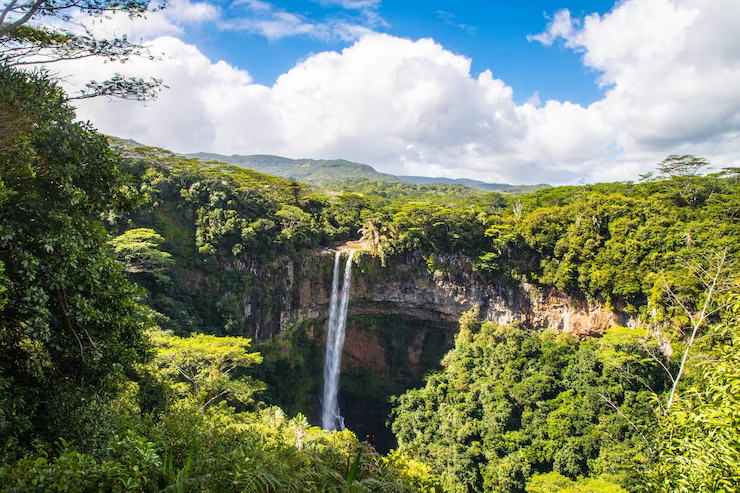
Grenade Hall Forest is one of Barbados’s most important natural areas and a hidden treasure within St. George. This protected forest reserve showcases the island’s native flora, towering trees, and tropical biodiversity.
The forest features walking trails, shaded paths, and elevated viewpoints, making it ideal for nature walks, birdwatching, and eco-tourism. Interpretive signs provide information about plant species, medicinal herbs, and the role forests play in Barbados’s ecosystem.
Grenade Hall Forest also has historical significance, as it was once part of plantation land. Today, it stands as a reminder of the island’s commitment to conservation and sustainable tourism.
For visitors seeking fresh air, greenery, and a deeper connection with nature, Grenade Hall Forest offers a refreshing and educational escape.
4. Bulkeley Factory – Taste of Local Industry

The Bulkeley Factory provides visitors with a glimpse into Barbados’s modern local production while maintaining strong ties to traditional craftsmanship. Known for producing beverages such as rum-based products and soft drinks, the factory reflects the island’s long-standing relationship with sugarcane and rum culture.
While not a large-scale tourist attraction, Bulkeley Factory is meaningful for travelers interested in local industry and everyday Barbadian life. It highlights how traditional resources are still used in contemporary production.
Visiting or learning about Bulkeley Factory helps travelers appreciate the economic backbone of rural parishes like St. George, where agriculture and manufacturing continue to support local communities.
5. Rural Villages – Authentic Barbadian Countryside Life
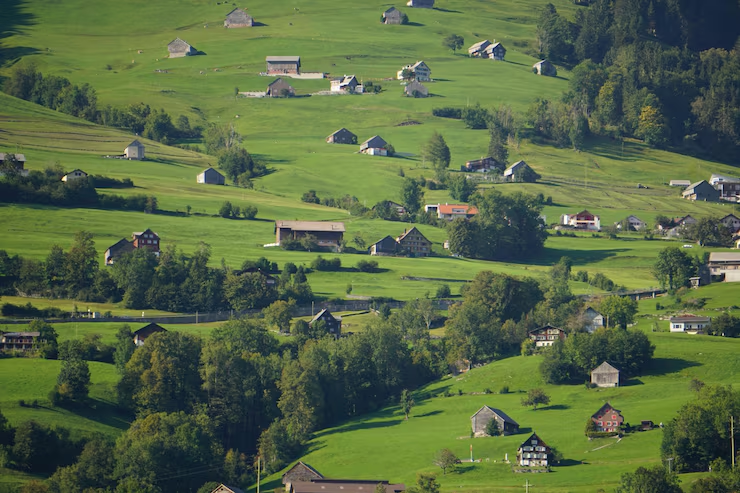
One of the greatest attractions in St. George is not a single landmark, but its rural villages and community life. Small settlements scattered across the parish offer visitors a chance to experience authentic Barbadian culture away from tourist crowds.
These villages are marked by colorful chattel houses, roadside fruit stands, local shops, and friendly residents. Life here moves at a relaxed pace, providing insight into daily traditions, farming practices, and neighborhood interactions.
Walking or driving through St. George’s villages allows travelers to see Barbados as locals live it—simple, warm, and deeply connected to land and heritage. Festivals, church gatherings, and village events often reflect strong community bonds and cultural pride.
For those seeking meaningful cultural experiences, St. George’s rural villages offer genuine hospitality and a sense of belonging.