
Now Reading: Tucumán, Argentina: Birthplace of Independence
-
01
Tucumán, Argentina: Birthplace of Independence
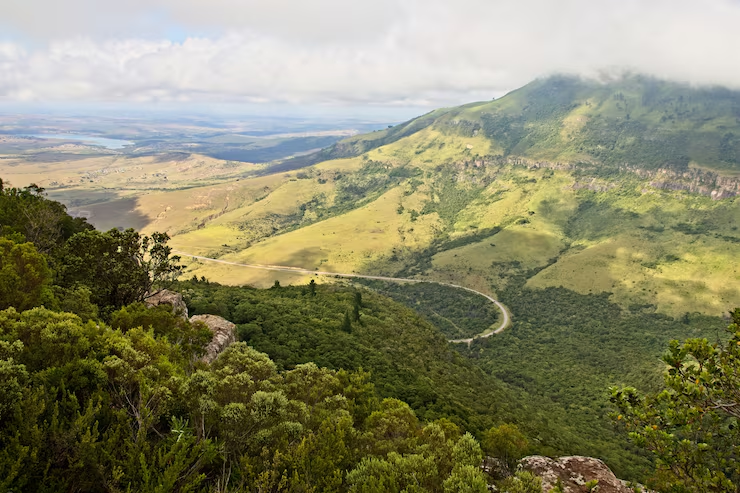
Tucumán, Argentina: Birthplace of Independence
Small in size but immense in historical and cultural importance, Tucumán Province holds a special place in Argentina’s national identity. Often referred to as “El Jardín de la República” (The Garden of the Republic), Tucumán is where the Argentine nation was born, where ancient civilizations once thrived, and where lush landscapes meet dramatic mountains.
Located in northwest Argentina, Tucumán is a fascinating blend of colonial history, indigenous heritage, green valleys, and vibrant urban life. From the historic streets of San Miguel de Tucumán to the serene landscapes of Tafí del Valle, from the powerful legacy of the Quilmes Ruins to the modern lifestyle of Yerba Buena, the province offers a rich and diverse travel experience.
Tucumán may be Argentina’s smallest province by area, but it delivers one of the country’s most complete cultural and natural journeys.
San Miguel de Tucumán – Birthplace of a Nation

San Miguel de Tucumán, the provincial capital, is one of Argentina’s most historically significant cities. Founded in 1565, it is best known as the birthplace of Argentine independence, making it a must-visit destination for anyone interested in the nation’s past.
The city blends colonial architecture with modern urban life. Tree-lined avenues, lively plazas, universities, and cafés give San Miguel a youthful and energetic atmosphere. At the same time, historic buildings and museums preserve its colonial roots.
Plaza Independencia is the heart of the city, surrounded by government buildings, churches, and cultural centers. Museums such as the Museo Histórico Provincial provide insight into the region’s colonial period, independence movement, and indigenous history.
San Miguel de Tucumán is also a cultural hub for music, theater, and gastronomy. Traditional dishes like empanadas tucumanas are considered among the best in Argentina. The city offers a perfect starting point for exploring both the history and landscapes of the province.
Casa Histórica de la Independencia – Where Argentina Was Born
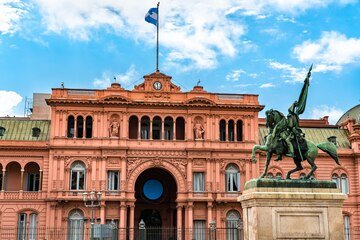
No site in Argentina is as symbolically powerful as the Casa Histórica de la Independencia. Located in the center of San Miguel de Tucumán, this historic house is where, on July 9, 1816, representatives from the United Provinces of the Río de la Plata declared independence from Spanish rule.
Today, the Casa Histórica is a carefully preserved museum that allows visitors to step into the very rooms where history was made. Exhibits include original documents, period furniture, portraits, and multimedia displays that explain the political, social, and regional context of independence.
The simple white façade and central courtyard reflect colonial architecture, emphasizing that one of South America’s most important political events took place in a modest setting. This contrast gives the site immense emotional power.
Every year, national celebrations draw thousands of visitors, but even on ordinary days, the Casa Histórica remains a place of reflection and national pride. It is the single most important landmark in Tucumán and a cornerstone of Argentina’s identity.
Tafí del Valle – Mountain Retreat in the Andes
Nestled in the Calchaquí Valleys, Tafí del Valle is one of the most beautiful destinations in northwest Argentina. Surrounded by rolling green hills, mountain peaks, and open skies, this charming town offers a refreshing contrast to Tucumán’s urban life.
Tafí del Valle is known for its cool climate, scenic landscapes, and relaxed atmosphere. It is a favorite escape for both locals and travelers seeking peace, fresh air, and outdoor activities. The area is ideal for hiking, horseback riding, cycling, and photography.
The town itself has a rustic charm, with stone houses, local craft markets, and traditional restaurants serving regional cuisine. Nearby lakes and viewpoints provide stunning panoramas, especially at sunrise and sunset.
Tafí del Valle also has archaeological significance, with remnants of pre-Hispanic cultures scattered throughout the region. Its combination of natural beauty, history, and tranquility makes it one of Tucumán’s most beloved destinations.
Quilmes Ruins – Legacy of an Ancient Civilization

The Quilmes Ruins are one of the most impressive archaeological sites in Argentina and a powerful reminder of the region’s indigenous past. Located at the western edge of Tucumán Province, these ruins belonged to the Quilmes people, who built one of the largest pre-Columbian settlements in the country.
The city was strategically constructed on a hillside, featuring stone houses, terraces, fortifications, and irrigation systems. At its peak, it housed thousands of inhabitants and resisted Spanish conquest for over a century before eventually falling in the 17th century.
Today, visitors can walk through the reconstructed ruins, gaining insight into the engineering skills, social organization, and resilience of the Quilmes civilization. An on-site interpretation center explains indigenous history and the impact of colonization.
The surrounding desert valley and mountain backdrop add to the site’s dramatic atmosphere. The Quilmes Ruins are not just an archaeological attraction—they are a place of memory, resistance, and cultural identity.
Yerba Buena – Nature, Wellness, and Gastronomy
Located just west of San Miguel de Tucumán, Yerba Buena is one of the province’s most modern and attractive areas. Known for its green surroundings, upscale neighborhoods, and high-quality restaurants, it offers a perfect blend of nature and contemporary lifestyle.
Yerba Buena sits at the foothills of the Yungas, a subtropical rainforest ecosystem rich in biodiversity. Walking trails, parks, and nearby hills make it ideal for hiking, jogging, and outdoor recreation.
The area is also Tucumán’s gastronomic center, featuring gourmet restaurants, cafés, and bars that showcase both traditional flavors and modern cuisine. Locals often visit Yerba Buena to relax, dine, and enjoy scenic views.
With its clean environment, cultural activities, and proximity to nature, Yerba Buena represents the modern face of Tucumán while maintaining a strong connection to its natural surroundings.
Why Visit Tucumán Province?
Tucumán is a province where Argentina’s past and present come together. It offers a rare combination of national history, indigenous heritage, green landscapes, and vibrant urban life—all within a compact area.
Key reasons to visit Tucumán include:
- Exploring the birthplace of Argentine independence
- Visiting the historic Casa Histórica
- Relaxing in the mountain beauty of Tafí del Valle
- Discovering ancient civilizations at the Quilmes Ruins
- Enjoying nature, food, and modern culture in Yerba Buena
Whether you are a history enthusiast, nature lover, or cultural traveler, Tucumán delivers a deep, meaningful, and unforgettable experience. It is a province that tells Argentina’s story from its very beginning—and continues to shape its identity today.