
Now Reading: Top 5 Tourist Places in Nova Scotia, Canada
-
01
Top 5 Tourist Places in Nova Scotia, Canada
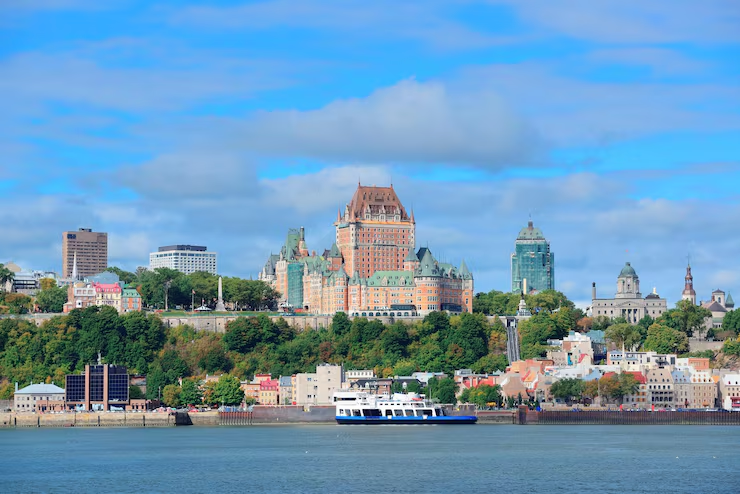
Top 5 Tourist Places in Nova Scotia, Canada
Nova Scotia – Where History Meets Coastal Beauty
Nova Scotia is one of Canada’s most picturesque provinces, offering a harmonious blend of maritime history, rugged coastline, lush forests, and vibrant cultural communities. Located on the Atlantic coast, this province is known for its scenic drives, historic towns, and welcoming atmosphere. Nova Scotia has long been a crossroads of Indigenous, Acadian, Scottish, and English heritage, which is reflected in its architecture, cuisine, and festivals.
For travelers seeking coastal vistas, historical exploration, outdoor adventures, and cultural experiences, Nova Scotia offers an unmatched combination. From world-famous lighthouses and UNESCO World Heritage Sites to national parks and winding coastal roads, the province is ideal for photographers, history enthusiasts, and nature lovers alike.
This guide covers the top five tourist places in Nova Scotia, providing detailed insights into what makes each destination unique, helping visitors plan a memorable journey.
1. Halifax – Maritime History, Waterfront Boardwalk, and Museums

Halifax, the provincial capital, is a vibrant city steeped in maritime history and modern culture. Located on the shores of Halifax Harbour, the city has played a significant role in Canada’s naval history and transatlantic trade. Today, it is a lively urban center with museums, historic sites, parks, and a bustling waterfront.
The Halifax Citadel National Historic Site is a star attraction, offering panoramic views of the city and harbor while telling the story of Canada’s colonial military history. Walking along the ramparts, visitors can witness reenactments, explore museums, and learn about Halifax’s role during the World Wars.
The waterfront boardwalk is another highlight, offering shops, restaurants, cafes, and interactive exhibits such as the Maritime Museum of the Atlantic, which features artifacts from the Titanic and Nova Scotia’s rich seafaring history. Ferry rides across the harbor provide scenic perspectives of the skyline and coastline.
Halifax’s cultural scene is lively, with annual festivals, live music, theater performances, and culinary events showcasing Nova Scotia’s seafood and local flavors. The city also serves as a convenient gateway for exploring nearby attractions, including Peggy’s Cove, Lunenburg, and Cape Breton Island.
With its combination of history, urban amenities, and waterfront charm, Halifax is an essential starting point for any Nova Scotia itinerary.
2. Cabot Trail – One of the World’s Most Scenic Coastal Drives
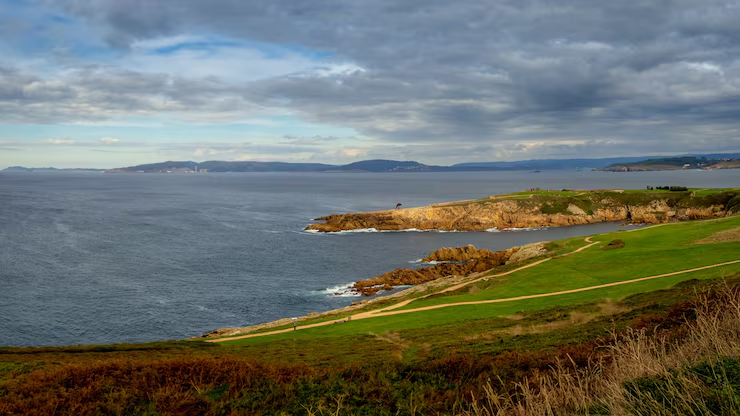
The Cabot Trail, located in Cape Breton Island, is renowned as one of the most breathtaking coastal drives in the world. This looped route winds through rugged cliffs, dense forests, and picturesque fishing villages, offering panoramic views of the Atlantic Ocean at nearly every turn.
Along the trail, travelers can stop at numerous lookouts, hiking trails, and cultural attractions. Cape Breton Highlands National Park occupies a large section of the route, offering wildlife viewing, hiking paths, and picnic spots with dramatic ocean and mountain backdrops. Moose, deer, eagles, and seabirds are commonly seen along the drive.
The Cabot Trail is not just about natural beauty; it also celebrates Celtic and Acadian culture. Visitors can experience local music, artisan crafts, traditional cuisine, and festivals in communities along the route. Scenic villages like Cheticamp and Pleasant Bay provide opportunities to interact with locals and enjoy fresh seafood.
Outdoor activities abound, from hiking and biking to kayaking and whale watching. Each season offers a unique perspective, with autumn colors painting the forests, summer bringing vibrant flora and active wildlife, and winter offering snow-covered vistas.
Driving the Cabot Trail is both a scenic and cultural journey, making it an essential Nova Scotia experience.
3. Peggy’s Cove – Iconic Lighthouse and Rocky Coastline
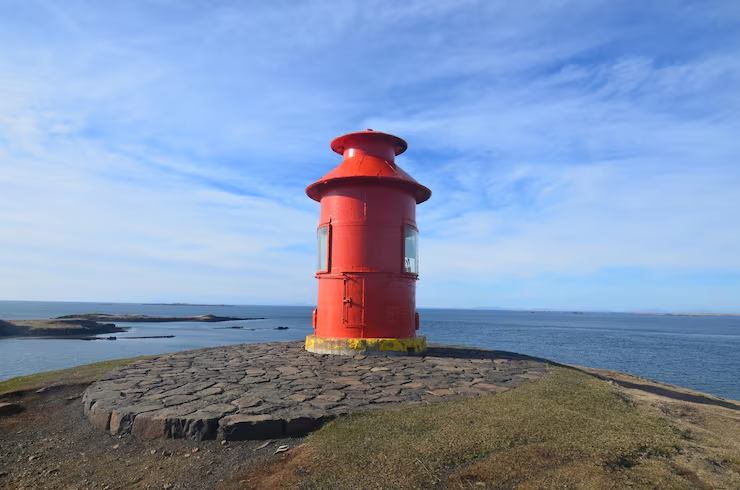
Peggy’s Cove is perhaps Nova Scotia’s most photographed location, famous for its iconic lighthouse perched on rugged granite rocks overlooking the Atlantic Ocean. Located just a short drive from Halifax, this small fishing village draws visitors seeking quintessential maritime scenery.
The Peggy’s Point Lighthouse is a classic red-and-white structure, standing steadfast against the crashing waves and winds. Visitors can walk along the rocks, explore tide pools, and take in breathtaking coastal views. Sunrise and sunset provide particularly dramatic lighting, perfect for photography.
The village itself offers charm and history, with traditional fishing boats, local art galleries, and shops selling handcrafted souvenirs. While it is a popular tourist spot, the surrounding natural scenery offers quiet spots for contemplation and connection with the Atlantic Ocean.
Peggy’s Cove is not only a photographic hotspot but also a symbol of Nova Scotia’s maritime heritage, blending natural beauty and local culture in one unforgettable destination.
4. Lunenburg – UNESCO-Listed Colorful Fishing Town
Lunenburg is a UNESCO World Heritage Site celebrated for its colorful buildings, historic harbor, and deep maritime traditions. Founded in the 18th century, the town is a living example of planned European settlement in North America.
Walking through Lunenburg’s streets is like stepping back in time. Brightly painted wooden buildings, narrow lanes, and traditional architecture reflect its European roots. The town’s waterfront is bustling with fishing vessels, museums, shops, and cafes.
The Fisheries Museum of the Atlantic is a must-visit, providing insight into the history of Atlantic Canada’s fishing industry, boat-building traditions, and maritime culture. Visitors can see historic vessels, interactive exhibits, and even participate in guided harbor tours.
Lunenburg also offers cultural events, music, and artisanal crafts that reflect the region’s heritage. Coastal walks, nearby beaches, and kayaking excursions make it a well-rounded destination for history enthusiasts and outdoor lovers alike.
Lunenburg’s charm, heritage, and picturesque harbor make it a standout destination in Nova Scotia.
5. Kejimkujik National Park – Lakes, Forests, and Mi’kmaq Heritage
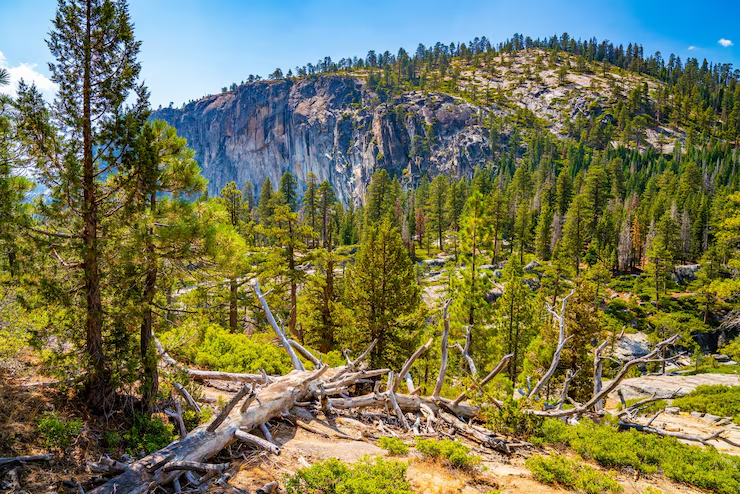
Kejimkujik National Park, located in southwestern Nova Scotia, is a haven for nature lovers and history enthusiasts alike. The park encompasses dense forests, pristine lakes, rivers, and wetlands, offering a diverse range of recreational opportunities.
One of Kejimkujik’s unique features is its Mi’kmaq heritage, with petroglyphs, cultural artifacts, and interpretive programs that highlight the Indigenous peoples’ relationship with the land. Visitors can learn about traditional practices, history, and storytelling while exploring the natural landscape.
Outdoor activities are plentiful, including canoeing, kayaking, hiking, camping, birdwatching, and winter snowshoeing. The park’s lakes and rivers are ideal for paddling, offering serene reflections of the surrounding forests.
Trails range from easy nature walks to more challenging hikes that reveal scenic lookouts, waterfalls, and wildlife habitats. The park is home to moose, beavers, foxes, and a variety of bird species.
Kejimkujik National Park combines natural beauty, recreational adventure, and cultural education, making it a must-visit destination for anyone exploring Nova Scotia.
Conclusion: Why Nova Scotia Should Be on Every Traveler’s Map
Nova Scotia is a province where natural beauty, history, and culture intertwine seamlessly. From the bustling waterfront of Halifax and the world-renowned Cabot Trail to the iconic lighthouse at Peggy’s Cove, the colorful streets of Lunenburg, and the tranquil wilderness of Kejimkujik National Park, this province offers something for every traveler.
Whether you are seeking scenic drives, outdoor adventures, historical exploration, or immersive cultural experiences, Nova Scotia delivers unforgettable memories and a deeper appreciation for Canada’s eastern coast.
Related artical : Top 5 Tourist Places In Newfoundland And Labrador, Canada