
Now Reading: Top 20 Tourist Places in the Central African Republic
-
01
Top 20 Tourist Places in the Central African Republic
Top 20 Tourist Places in the Central African Republic
1. Bangui – The Cultural and Political Heart of the Central African Republic
Bangui, the capital and largest city of the Central African Republic (CAR), is located along the northern banks of the Ubangi River and serves as the country’s political, economic, and cultural center. Though often overlooked by mainstream tourism, Bangui offers a fascinating blend of African traditions, colonial history, and riverside charm.
The city was founded by the French in the late 19th century and still reflects remnants of colonial architecture mixed with traditional African neighborhoods. Bangui’s streets are lively, filled with local markets, roadside vendors, and the sounds of daily life. The city provides an authentic introduction to Central African culture and hospitality.
One of Bangui’s most striking features is its close connection to the Ubangi River, which shapes much of the city’s lifestyle. Fishermen, traders, and transport boats operate daily along the riverbanks, creating a vibrant and dynamic atmosphere. Sunset views along the river are particularly beautiful and offer moments of calm in an otherwise energetic city.
Cultural landmarks in Bangui include the Notre-Dame Cathedral, the Boganda National Museum, and local artisan markets where visitors can find handmade crafts, wood carvings, and textiles. These places provide insight into the nation’s history, ethnic diversity, and artistic heritage.
While Bangui faces challenges due to limited infrastructure, it remains an important gateway for travelers seeking to explore the country’s natural wonders. For those interested in off-the-beaten-path destinations, Bangui offers raw authenticity, cultural depth, and a genuine African city experience.
2. Ubangi River – Lifeline of Trade, Travel, and Natural Beauty

The Ubangi River is one of Central Africa’s most important waterways and plays a vital role in the daily life of the Central African Republic. Flowing along the southern border of the country, the river serves as a major transportation route, economic resource, and natural attraction.
Stretching over 2,000 kilometers, the Ubangi River connects remote communities to urban centers, especially Bangui. Boats and canoes are essential for transporting goods, people, and supplies, making the river a true lifeline for riverside towns and villages.
For travelers, the Ubangi River offers scenic beauty and cultural immersion. Boat rides provide a unique perspective of river life, with views of fishing villages, dense riverbank vegetation, and wildlife along the shores. The slow-moving waters create a peaceful atmosphere, ideal for photography and quiet exploration.
The river is also rich in biodiversity. Fish species are abundant, supporting local diets and livelihoods. Birdlife flourishes along the riverbanks, attracting birdwatchers and nature lovers. During certain seasons, the river’s changing water levels dramatically alter the landscape, adding to its natural appeal.
Beyond its natural beauty, the Ubangi River holds historical significance, having served as an important trade route during colonial times. Today, it remains central to the region’s economy and culture, making it one of the most significant natural features of the Central African Republic.
3. Dzanga-Sangha National Park – A Pristine Rainforest Sanctuary
Dzanga-Sangha National Park is one of Central Africa’s most remarkable conservation areas and a crown jewel of the Central African Republic. Located in the southwestern part of the country near the borders with Cameroon and the Republic of Congo, the park forms part of the larger Sangha Trinational protected area.
This park is internationally renowned for its dense rainforest ecosystems and extraordinary wildlife. It is home to forest elephants, western lowland gorillas, chimpanzees, leopards, and countless bird and insect species. The untouched nature of the forest offers a rare glimpse into one of Africa’s most pristine environments.
Eco-tourism is carefully managed in Dzanga-Sangha, with guided wildlife tracking and forest walks led by trained local experts. Gorilla tracking experiences are among the most memorable activities, allowing visitors to observe these incredible animals in their natural habitat.
In addition to wildlife, the park is culturally significant due to the presence of indigenous Ba’Aka communities. Visitors can learn about traditional forest lifestyles, hunting techniques, and deep-rooted knowledge of the rainforest ecosystem.
Dzanga-Sangha National Park represents a successful model of conservation, research, and community involvement. For adventurous travelers and wildlife enthusiasts, it offers one of the most authentic rainforest experiences in Africa.
4. Dzanga Bai – The Elephant Gathering Place of the Rainforest
Dzanga Bai is one of the most extraordinary natural phenomena in Central Africa. Located within Dzanga-Sangha National Park, this large forest clearing—known as a “bai”—attracts dozens, and sometimes hundreds, of forest elephants.
The clearing is rich in mineral salts, drawing elephants from deep within the rainforest. From elevated viewing platforms, visitors can quietly observe these majestic animals interacting, bathing, socializing, and caring for their young.
What makes Dzanga Bai unique is the opportunity to witness forest elephants, a species smaller and more elusive than savannah elephants, in large numbers. Along with elephants, the clearing also attracts buffalo, sitatunga antelope, monkeys, and a wide variety of birds.
Researchers have studied Dzanga Bai for decades, making it one of the most well-documented forest elephant sites in the world. This research has played a crucial role in conservation efforts and understanding elephant behavior.
For visitors, Dzanga Bai offers a once-in-a-lifetime wildlife experience. The combination of silence, dense forest surroundings, and powerful wildlife encounters makes it one of Africa’s most unforgettable natural attractions.
5. Manovo-Gounda St. Floris National Park – A UNESCO Wildlife Treasure
Manovo-Gounda St. Floris National Park is one of the largest and most important protected areas in the Central African Republic. Designated as a UNESCO World Heritage Site, the park covers vast savannahs, rivers, floodplains, and forested areas in the northeastern part of the country.
The park is home to a wide variety of wildlife, including elephants, lions, leopards, cheetahs, buffalo, antelope, and numerous bird species. Its diverse habitats support both savannah and forest ecosystems, making it biologically rich and ecologically significant.
Despite its protected status, the park remains remote and largely undeveloped, preserving its wild character. This remoteness offers exceptional opportunities for scientific research and conservation, though it also presents challenges in terms of accessibility and management.
Historically, Manovo-Gounda St. Floris National Park has played a critical role in regional wildlife preservation. International organizations continue to work with local authorities to protect its ecosystems and restore animal populations.
For travelers seeking raw wilderness and untouched African landscapes, this UNESCO-listed park represents the true spirit of conservation and natural beauty in the Central African Republic.
6. Boali Waterfalls – The Most Spectacular Natural Wonder Near Bangui
Boali Waterfalls are among the most famous and visually stunning natural attractions in the Central African Republic. Located about 80 kilometers northwest of Bangui on the Mbali River, these powerful waterfalls are a popular destination for both locals and adventurous travelers.
The waterfalls consist of a series of cascades that plunge dramatically over rocky cliffs, creating misty clouds and thunderous sounds as the water crashes below. During the rainy season, the volume of water increases significantly, making the falls especially impressive and photogenic.
Surrounding the waterfalls is lush vegetation and rocky terrain, offering beautiful viewpoints and opportunities for nature photography. The area is also home to various bird species and small wildlife, adding to the natural appeal of the site.
Boali Waterfalls are not only a scenic attraction but also an important source of hydroelectric power for the country. Nearby power stations harness the river’s energy to supply electricity to Bangui and surrounding regions.
For visitors, Boali Waterfalls offer a refreshing escape from city life and a chance to experience the raw power of nature. Whether you’re seeking adventure, photography, or peaceful surroundings, Boali is one of the Central African Republic’s must-visit destinations.
7. Bamingui-Bangoran National Park – Savannahs and Wildlife Diversity

Bamingui-Bangoran National Park is a vast protected area located in northern Central African Republic. Covering a landscape of savannahs, rivers, and woodlands, the park represents a different ecological zone from the country’s southern rainforests.
The park is home to a variety of wildlife, including antelope species, buffalo, monkeys, and numerous bird species. Historically, large predators such as lions and leopards also roamed the area, highlighting its importance as a wildlife conservation zone.
The Bamingui and Bangoran rivers flow through the park, creating fertile floodplains that support vegetation and animal life. These waterways attract wildlife, especially during the dry season, making them ideal areas for observation and research.
Due to its remote location and limited tourism infrastructure, Bamingui-Bangoran National Park remains largely unexplored. This remoteness has helped preserve its natural ecosystems, making it valuable for conservation efforts and scientific studies.
For travelers interested in untouched savannah landscapes and off-the-grid adventures, Bamingui-Bangoran National Park offers a glimpse into Central Africa’s lesser-known wilderness.
8. Chinko Nature Reserve – One of Africa’s Largest Conservation Areas
Chinko Nature Reserve is one of the most ambitious and important conservation projects in Central Africa. Located in the eastern part of the Central African Republic, this massive reserve spans forests, savannahs, rivers, and wetlands, creating a diverse and biologically rich environment.
The reserve is home to elephants, buffalo, antelope, primates, and numerous bird species. Its size and ecological variety make it a crucial habitat for migratory wildlife and endangered species.
Chinko is managed with a strong focus on conservation, anti-poaching efforts, and scientific research. Rangers patrol vast areas to protect wildlife and maintain ecological balance. The reserve also works with local communities to promote sustainable land use and conservation awareness.
Access to Chinko Nature Reserve is extremely limited, and tourism is minimal. This helps maintain its pristine condition but also means it remains one of Africa’s least-visited major wildlife reserves.
Chinko Nature Reserve stands as a symbol of hope for wildlife conservation in the Central African Republic and plays a critical role in protecting the country’s natural heritage.
9. Mbaéré-Bodingué National Park – A Remote Rainforest Sanctuary

Mbaéré-Bodingué National Park is one of the most remote and least explored protected areas in the Central African Republic. Located in the southwestern region, the park is dominated by dense rainforest, rivers, and wetlands.
The park’s isolation has helped preserve its ecosystems, allowing wildlife to thrive with minimal human interference. It is believed to support forest elephants, primates, reptiles, and a wide variety of plant species, though much of its biodiversity remains under-studied.
Rivers flowing through the park contribute to rich wetlands and floodplains that support fish populations and birdlife. These waterways are vital to the region’s ecological health and local communities.
Due to limited infrastructure, access to Mbaéré-Bodingué National Park is challenging, making it unsuitable for casual tourism. However, it holds great potential for scientific research and long-term conservation initiatives.
For those interested in conservation and unexplored wilderness, Mbaéré-Bodingué represents one of the Central African Republic’s most valuable natural assets.
10. Lobaye Rainforest – The Green Heart South of Bangui
The Lobaye Rainforest region lies south of Bangui and is one of the most lush and fertile areas of the Central African Republic. Characterized by dense tropical forests, rivers, and rich biodiversity, Lobaye plays a crucial role in the country’s ecology and economy.
The rainforest is home to numerous plant and animal species, including primates, birds, insects, and medicinal plants. Local communities depend on the forest for food, traditional medicine, and materials for daily life.
Small villages scattered throughout Lobaye maintain traditional lifestyles closely connected to the forest. Visitors can gain insight into sustainable living practices and local culture while exploring the region’s natural beauty.
Agriculture is also important in Lobaye, with crops such as cassava, bananas, and cocoa grown in forest clearings. These activities coexist with the surrounding rainforest ecosystem.
Lobaye Rainforest offers a rich blend of nature and culture, making it a significant region for understanding the environmental and human landscapes of the Central African Republic.
11. Boda – A Historic Diamond-Mining Town
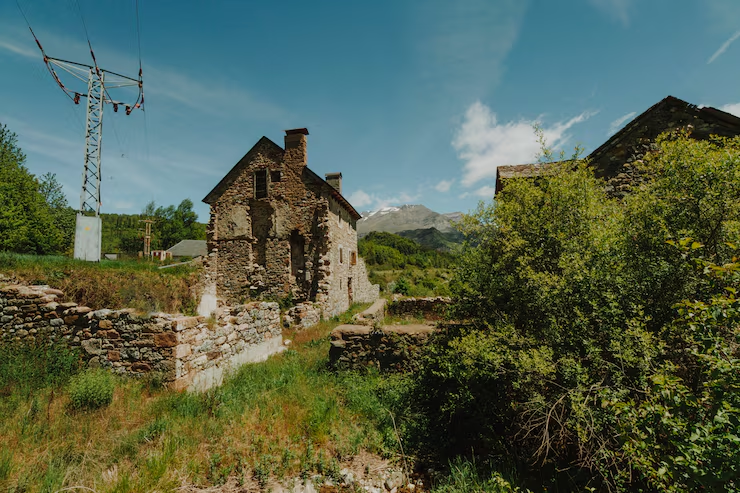
Boda is a small but historically significant town in the southwestern Central African Republic, best known for its long association with diamond mining. For decades, diamonds have shaped Boda’s economy, culture, and daily life, making the town an important chapter in the country’s modern history.
The town grew around mining activity, attracting workers, traders, and merchants from different regions. Small-scale artisanal mining remains common, with miners working along riverbeds and forest clearings in search of precious stones. Visiting Boda provides insight into the realities of resource-based economies in Central Africa.
Beyond mining, Boda is surrounded by dense forest landscapes and rivers that contribute to the region’s natural beauty. The area supports farming and fishing, with local markets offering fresh produce and handmade goods. These markets provide an authentic look at rural life and local traditions.
Culturally, Boda reflects a mix of ethnic communities and traditional practices. Music, storytelling, and communal gatherings play an important role in social life. Visitors who take time to interact with residents gain a deeper appreciation of resilience and community spirit.
While not a conventional tourist destination, Boda offers meaningful cultural experiences and a deeper understanding of the Central African Republic’s economic and social fabric.
12. Bayanga – Gateway to Dzanga-Sangha National Park
Bayanga is a small but vital town located near the border with Cameroon and serves as the main gateway to Dzanga-Sangha National Park. For travelers and researchers heading into the rainforest, Bayanga is the starting point for unforgettable wildlife and conservation experiences.
The town’s economy is closely linked to eco-tourism and conservation. Lodges, research stations, and local guides operate from Bayanga, supporting sustainable tourism initiatives that benefit both wildlife and local communities.
Bayanga is also home to indigenous Ba’Aka communities, whose deep knowledge of the forest has been passed down through generations. Visitors can learn about traditional hunting techniques, medicinal plants, music, and dance, gaining insight into one of Africa’s oldest forest cultures.
Despite its remote location, Bayanga has a welcoming atmosphere. The town offers basic accommodations, local food, and guided excursions into the surrounding rainforest. Evenings are peaceful, often filled with forest sounds and starlit skies.
For anyone planning to explore Dzanga-Sangha National Park, Bayanga is more than just a transit point—it is an essential part of the rainforest experience.
13. Nola – A Quiet River Town Near Forest Reserves

Nola is a small riverside town located in the southwestern region of the Central African Republic, near important forest reserves and conservation areas. Positioned along the Sangha River, Nola plays a key role in regional transport and trade.
The river shapes daily life in Nola, with boats carrying people, goods, and supplies between remote communities. Fishing is a primary livelihood, and fresh river fish are commonly sold in local markets.
Nola’s proximity to forest reserves makes it an important support town for conservation efforts and forestry management. The surrounding forests are rich in biodiversity, supporting wildlife, timber resources, and traditional livelihoods.
The town itself is quiet and laid-back, offering visitors a chance to experience rural Central African life. Simple guesthouses, local eateries, and friendly residents create a welcoming environment for travelers.
Nola is ideal for those seeking cultural immersion and river-based exploration in a peaceful, natural setting.
14. Bakouma – Forests, Minerals, and Remote Landscapes

Bakouma is a remote town located in the southeastern part of the Central African Republic. It is best known for its uranium deposits, which have attracted international attention and mining interests over the years.
Surrounded by dense forests and vast natural landscapes, Bakouma offers a glimpse into one of the country’s most isolated regions. The forests support wildlife, traditional farming, and forest-based livelihoods for local communities.
Despite its mineral wealth, Bakouma remains largely undeveloped, with limited infrastructure and services. This contrast highlights the challenges faced by resource-rich regions in Central Africa.
Culturally, the town reflects traditional lifestyles closely connected to nature. Local communities rely on agriculture, hunting, and gathering, maintaining strong ties to the land.
For adventurous travelers and researchers, Bakouma represents the remote and resource-driven side of the Central African Republic’s geography.
15. Kaga-Bandoro – Access Point to Northern Nature Reserves
Kaga-Bandoro is a strategically located town in central-northern Central African Republic, serving as an access point to nearby nature reserves and rural landscapes. Situated along the Bangoran River, the town plays a role in regional trade and transportation.
The surrounding area features savannahs, rivers, and forest patches that support wildlife and traditional agriculture. These landscapes are less explored but hold ecological and cultural importance.
Kaga-Bandoro functions as a regional hub, with markets, schools, and administrative buildings supporting nearby villages. Visitors can observe daily life, trade activities, and local customs.
Although tourism infrastructure is minimal, Kaga-Bandoro offers authentic experiences for travelers interested in exploring lesser-known regions. Its location makes it a potential base for future eco-tourism and conservation projects.
Kaga-Bandoro provides insight into the balance between rural development and environmental preservation in the Central African Republic.
16. Bambari – The Second-Largest City on the Ouaka River
Bambari is the second-largest city in the Central African Republic and an important regional center located along the Ouaka River in the heart of the country. Serving as a major crossroads between eastern and central regions, Bambari plays a vital role in trade, agriculture, and administration.
The Ouaka River is central to life in Bambari, providing water for farming, fishing, and transportation. Riverbanks are often busy with daily activities, from washing clothes to loading boats with goods. The river also adds scenic beauty to the city, especially during the rainy season.
Bambari is surrounded by fertile land, making agriculture the backbone of the local economy. Crops such as maize, cassava, peanuts, and rice are widely cultivated. Livestock farming also contributes to livelihoods in surrounding rural communities.
Culturally, Bambari reflects the diversity of the Central African Republic, with multiple ethnic groups living side by side. Local markets are vibrant and colorful, offering fresh produce, spices, handmade crafts, and traditional foods.
While infrastructure remains limited, Bambari offers an authentic urban experience away from mainstream tourism. For travelers interested in understanding everyday life in Central Africa, Bambari provides valuable cultural insight and regional significance.
17. Ouadda Djallé – Gateway to Remote Savannah Landscapes
Ouadda Djallé is a remote town located in the northeastern part of the Central African Republic, near vast savannah landscapes and sparsely populated regions. Its isolation gives it a unique character and makes it one of the country’s least-visited towns.
The surrounding landscape is dominated by open grasslands, seasonal rivers, and scattered trees, creating a stark contrast to the dense rainforests found in the south. These savannahs support grazing livestock and wildlife adapted to dry conditions.
Life in Ouadda Djallé is closely tied to pastoralism and subsistence farming. Communities rely on cattle herding, small-scale agriculture, and traditional trade networks to sustain themselves.
Due to its remote location, Ouadda Djallé has limited infrastructure and services. However, this remoteness preserves traditional ways of life and offers rare opportunities for cultural immersion and anthropological study.
For travelers seeking unexplored regions and raw landscapes, Ouadda Djallé represents the frontier spirit of the Central African Republic.
18. Zémio – A Forest Town on the Mbomou River
Zémio is a small town located in the southeastern corner of the Central African Republic, near the Mbomou River and close to the borders with South Sudan and the Democratic Republic of Congo. Its location places it within a region rich in forests and river systems.
The Mbomou River plays a crucial role in transportation, fishing, and daily life. Boats are commonly used to move goods and people, linking Zémio to nearby settlements and trade routes.
The surrounding forests are dense and biodiverse, supporting wildlife, medicinal plants, and traditional livelihoods. Local communities rely heavily on the forest for food, materials, and cultural practices.
Zémio’s position near international borders gives it a multicultural atmosphere, influenced by cross-border trade and movement. Markets often reflect this diversity through goods, languages, and customs.
Although challenging to access, Zémio offers insight into life in one of the Central African Republic’s most forested and interconnected regions.
19. Mobaye – A Riverside Town on the Ubangi River
Mobaye is a small riverside town located on the Ubangi River in southeastern Central African Republic. Like many river towns in the country, Mobaye’s existence is closely tied to the waterway that supports trade, fishing, and transportation.
The Ubangi River serves as the town’s main connection to other regions, with boats transporting food, fuel, and everyday goods. Fishing is a primary livelihood, and fresh fish is a staple in local diets.
Mobaye maintains a quiet, rural atmosphere, with daily life unfolding along the riverbanks. Children play near the water, fishermen repair nets, and traders prepare boats for long journeys.
The surrounding landscape consists of riverine forests and fertile land suitable for small-scale farming. Agriculture and fishing together form the foundation of the local economy.
For travelers interested in river culture and slow-paced rural life, Mobaye offers a peaceful and authentic experience along one of Central Africa’s most important rivers.
20. Rafai – A Historic River Port in the Southeast
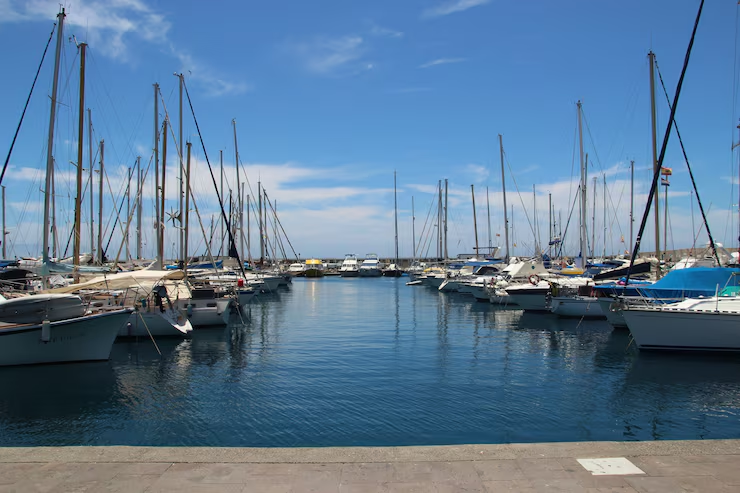
Rafai is a historic river port town located in the southeastern part of the Central African Republic along the Mbomou River. Once an important trading post during the colonial era, Rafai played a key role in river-based commerce and regional administration.
The town’s history is closely linked to river trade, with goods transported between inland regions and neighboring territories. Although its commercial importance has declined, Rafai remains a symbol of the country’s river heritage.
Rafai is surrounded by forests and fertile land, supporting agriculture and fishing. Local communities maintain traditional lifestyles, with strong ties to the river and natural environment.
The town’s quiet streets and riverside setting create a reflective atmosphere, offering glimpses into the historical layers of Central African life. Remnants of old structures hint at its past significance.
For those exploring the southeastern regions of the country, Rafai provides historical context, cultural depth, and a strong connection to the river systems that have shaped the Central African Republic.
Related artical : Top 20 Tourist Places in the Cayman Islands