
Now Reading: Top 20 Tourist Places – Central American Federation
-
01
Top 20 Tourist Places – Central American Federation

Top 20 Tourist Places – Central American Federation
1. Antigua Guatemala (Guatemala) – A Colonial Jewel Framed by Volcanoes
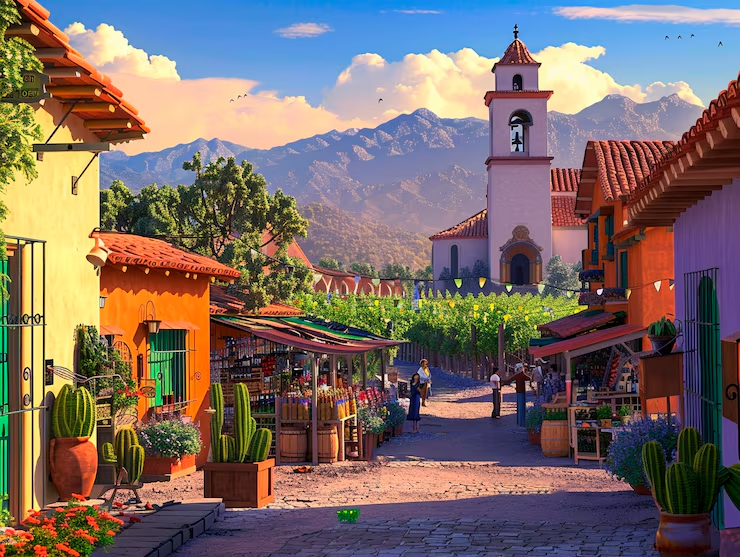
Antigua Guatemala is one of the most beautiful and historically rich cities in Central America. Designated as a UNESCO World Heritage Site, this former capital of Guatemala is celebrated for its well-preserved Spanish colonial architecture, cobblestone streets, colorful facades, and dramatic backdrop of surrounding volcanoes.
Founded in the 16th century, Antigua was once the political and cultural center of Spanish Central America. Although a series of earthquakes led to the relocation of the capital, the city retained its architectural grandeur. Today, Antigua feels like a living museum, where centuries-old churches, monasteries, and courtyards blend seamlessly with modern cafés, boutique hotels, and art galleries.
Walking through Antigua is an experience in itself. Landmarks such as the Santa Catalina Arch, Antigua Cathedral, and La Merced Church showcase ornate Baroque design and historical significance. Many ruins, partially destroyed by earthquakes, add a romantic and atmospheric charm to the city.
Antigua is also a cultural hub. Spanish language schools attract international students, while local markets display traditional textiles, handicrafts, and Guatemalan cuisine. Festivals, especially Semana Santa (Holy Week), transform the city into a vibrant celebration with elaborate processions and flower-strewn streets.
Surrounded by volcanoes like Agua, Fuego, and Acatenango, Antigua is also a gateway for adventure tourism. Hiking, coffee plantation tours, and volcano treks make it a perfect blend of culture, history, and nature.
2. Tikal (Guatemala) – The Ancient Heart of the Maya Civilization
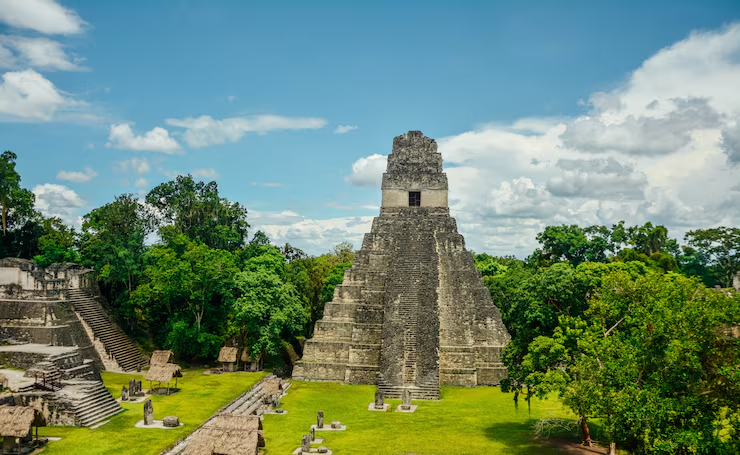
Deep within the dense rainforests of northern Guatemala lies Tikal, one of the most impressive ancient Mayan cities ever discovered. As a UNESCO World Heritage Site, Tikal represents the height of Mayan civilization, combining monumental architecture with rich ecological surroundings.
Once a powerful city-state, Tikal flourished between 200 and 900 AD. Today, its towering limestone temples rise dramatically above the jungle canopy, creating one of the most iconic archaeological landscapes in the world. Temple I (Temple of the Great Jaguar) and Temple IV are among the tallest pre-Columbian structures in the Americas.
Exploring Tikal is a journey through history and nature. Visitors walk along ancient causeways, plazas, and ceremonial centers while hearing the sounds of howler monkeys, tropical birds, and rustling leaves. The sense of scale and mystery makes the experience unforgettable.
Beyond its architectural importance, Tikal is also a protected biosphere. The surrounding rainforest is home to jaguars, toucans, monkeys, and countless plant species. This combination of archaeology and biodiversity makes Tikal unique among world heritage sites.
Sunrise and sunset visits offer magical views as mist rises from the jungle and temples glow in golden light. Tikal is not just a historical site—it is a powerful reminder of human ingenuity and the enduring relationship between civilization and nature.
3. Lake Atitlán (Guatemala) – A Volcanic Lake of Unmatched Beauty
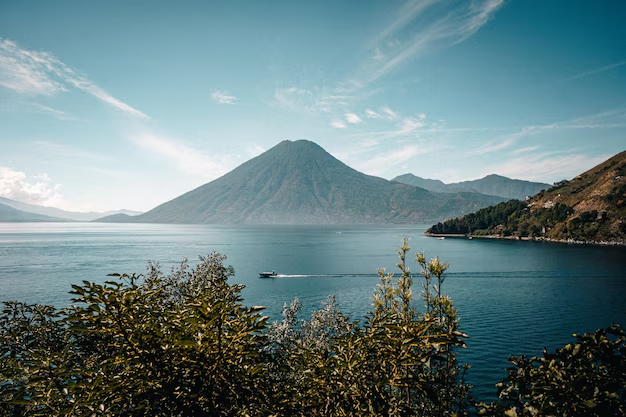
Lake Atitlán is often described as one of the most beautiful lakes in the world, and it’s easy to see why. Surrounded by steep volcanoes and traditional Mayan villages, this deep volcanic lake in Guatemala’s highlands offers breathtaking scenery and rich cultural experiences.
The lake is encircled by several villages, each with its own distinct character. Towns like Panajachel, San Pedro La Laguna, San Marcos, and Santiago Atitlán provide unique blends of indigenous culture, art, spirituality, and modern traveler life.
Local communities around Lake Atitlán preserve traditional Mayan customs, dress, and languages. Visitors can witness weaving techniques, local ceremonies, and vibrant markets that reflect centuries-old traditions.
The lake itself offers numerous activities, including kayaking, paddleboarding, swimming, and boat rides between villages. Hiking trails around the lake lead to panoramic viewpoints and nature reserves.
With its serene atmosphere, cultural depth, and stunning natural surroundings, Lake Atitlán is a destination that appeals to photographers, spiritual seekers, adventure travelers, and anyone looking for peace and inspiration.
4. Guatemala City (Guatemala) – The Cultural Capital of the Nation
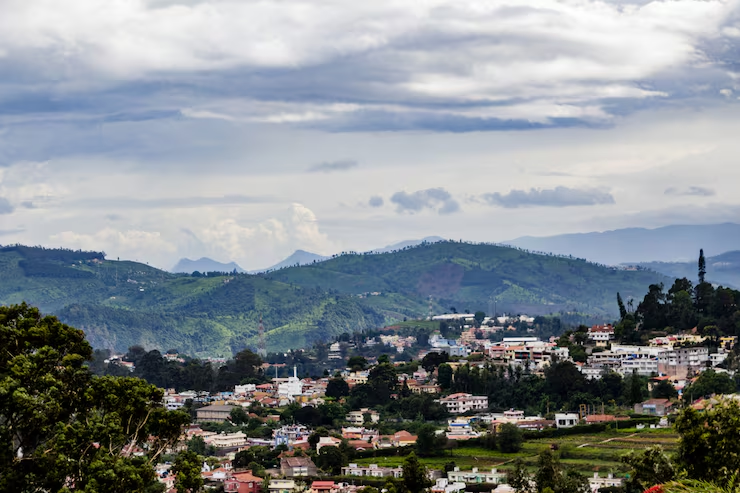
Guatemala City, the country’s capital and largest urban center, is a dynamic metropolis that blends ancient history with modern life. Often overlooked by travelers, the city offers a surprising depth of culture, museums, and historic districts.
The city is divided into zones, each serving a different purpose. Zone 1 is the historic heart, home to colonial-era buildings, plazas, and important landmarks such as the Metropolitan Cathedral and National Palace of Culture.
Guatemala City is also the cultural center of the country. World-class museums like the Popol Vuh Museum and Ixchel Museum showcase Mayan artifacts, textiles, and archaeological treasures that provide valuable context for visiting sites like Tikal.
Modern districts feature shopping centers, restaurants, nightlife, and business hubs, reflecting Guatemala’s growing urban identity. Parks and green spaces offer moments of calm within the bustling city.
For travelers interested in history, art, and contemporary Central American life, Guatemala City offers an essential introduction to the nation’s past and present.
5. San Salvador (El Salvador) – A Capital Between History and Volcanoes
San Salvador, the capital of El Salvador, is a city shaped by history, resilience, and dramatic natural surroundings. Located in a volcanic valley, the city offers a mix of historic landmarks, cultural institutions, and urban energy.
The historic center of San Salvador features significant sites such as the Metropolitan Cathedral, National Palace, and Plaza Libertad. These landmarks reflect the city’s colonial past and political history.
San Salvador is also a cultural hub, with museums like the Museo Nacional de Antropología (MUNA) offering insight into El Salvador’s indigenous heritage and modern identity. Art galleries, theaters, and cultural events contribute to a growing creative scene.
Volcanoes such as San Salvador Volcano and nearby national parks provide opportunities for hiking and nature escapes just minutes from the city center. This close relationship between urban life and nature defines the city’s character.
As El Salvador continues to evolve, San Salvador stands as a gateway to the country’s history, culture, and natural beauty.
6. Ruta de las Flores (El Salvador) – A Scenic Journey Through Culture and Coffee
The Ruta de las Flores is one of El Salvador’s most picturesque travel routes, winding through the western highlands and connecting a series of charming towns known for colorful murals, flower-lined streets, and rich coffee-growing traditions. This scenic route offers a perfect blend of nature, culture, and authentic Salvadoran life.
Stretching through towns such as Nahuizalco, Juayúa, Apaneca, and Ataco, the route is famous for its vibrant weekend food festivals, artisan markets, and colonial-style architecture. Each town along the way has its own personality, yet all share a strong connection to indigenous heritage and local craftsmanship.
Coffee culture is at the heart of the Ruta de las Flores. Visitors can explore coffee plantations, learn about traditional roasting methods, and taste some of Central America’s finest coffee. The cool mountain climate creates ideal conditions for coffee cultivation and makes the region pleasant to explore year-round.
Nature lovers will enjoy waterfalls, hiking trails, and panoramic viewpoints along the route. Juayúa Waterfalls and nearby nature reserves offer refreshing escapes into lush greenery. During festival seasons, music, dance, and local traditions bring the streets to life.
The Ruta de las Flores is not just a drive—it’s an immersive cultural experience that showcases El Salvador’s creativity, hospitality, and natural beauty.
7. Joya de Cerén (El Salvador) – The Pompeii of the Americas
Joya de Cerén is one of the most remarkable archaeological sites in Central America and a UNESCO World Heritage Site. Often referred to as the “Pompeii of the Americas,” this ancient village offers an extraordinary glimpse into everyday life of the Maya civilization.
Unlike grand ceremonial cities, Joya de Cerén was a farming community. Around 600 AD, a volcanic eruption buried the village under layers of ash, preserving homes, kitchens, tools, and agricultural fields in astonishing detail.
Visitors can walk through reconstructed structures and see how ordinary people lived, cooked, farmed, and practiced their daily routines. This makes Joya de Cerén unique among archaeological sites, as it highlights social history rather than royal or religious architecture.
The site also provides valuable insight into ancient agricultural practices, including crop cultivation and food storage. Museums and interpretive centers help visitors understand the significance of the discoveries.
Joya de Cerén stands as a powerful reminder of how nature can both destroy and preserve history, offering a rare and intimate look into ancient life in the Americas.
8. Copán Ruins (Honduras) – A Masterpiece of Mayan Art and Science
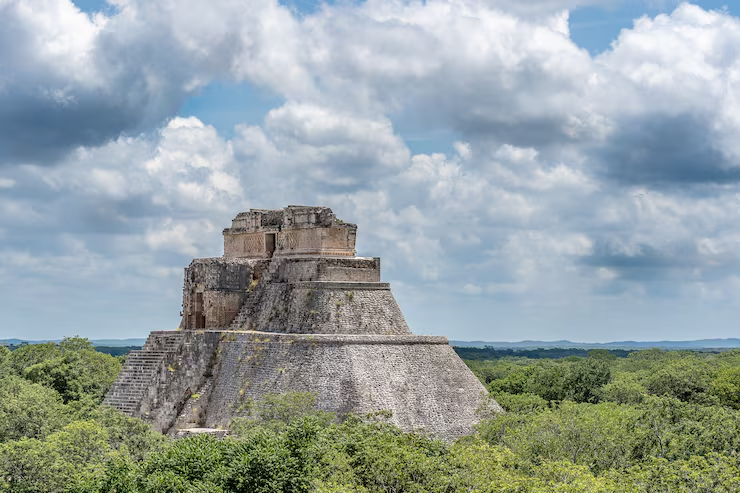
The Copán Ruins in western Honduras are among the most sophisticated and artistically advanced Mayan archaeological sites. Recognized as a UNESCO World Heritage Site, Copán is renowned for its intricately carved stone monuments, hieroglyphic stairway, and refined urban design.
Copán flourished between the 5th and 9th centuries and became a major center for art, astronomy, and learning. The Hieroglyphic Stairway, consisting of hundreds of carved stone steps, contains the longest known Mayan inscription ever discovered.
Walking through Copán feels like stepping into a grand open-air museum. Stelae depicting rulers and mythological scenes are scattered throughout the site, showcasing the artistic brilliance of Mayan sculptors.
Beyond the ruins, the surrounding valley is lush and peaceful, adding to the site’s serene atmosphere. Nearby museums provide further context through artifacts, reconstructions, and educational displays.
Copán is a must-visit destination for history lovers, archaeologists, and travelers seeking a deeper understanding of Mayan civilization.
9. Tegucigalpa (Honduras) – A Capital Surrounded by Mountains
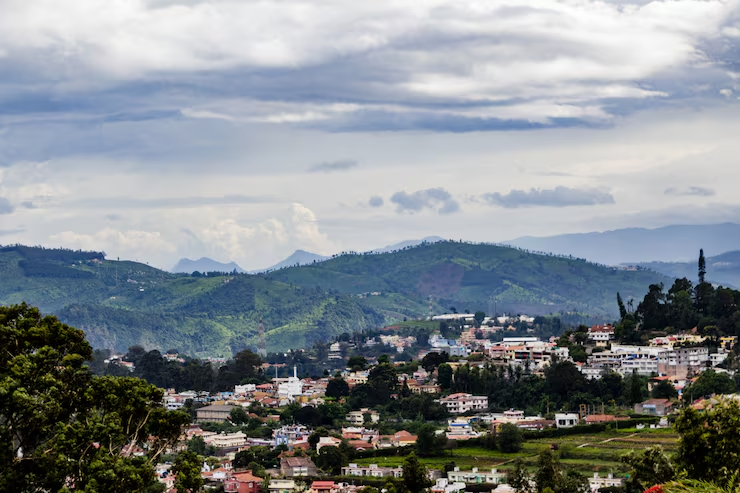
Tegucigalpa, the capital of Honduras, is a city nestled within a bowl of rugged mountains, offering dramatic landscapes and rich historical depth. Often overlooked, the city reveals its charm through colonial architecture, cultural institutions, and vibrant street life.
The historic center features landmarks such as the Metropolitan Cathedral of St. Michael the Archangel, Plaza Morazán, and centuries-old churches that reflect Spanish colonial influence. Museums showcase Honduran history, indigenous cultures, and contemporary art.
Markets and local neighborhoods offer an authentic look into everyday life, with street vendors selling traditional foods, crafts, and textiles. Despite modern challenges, Tegucigalpa retains a strong sense of cultural identity.
The surrounding hills and viewpoints provide stunning panoramic views of the city, especially at sunset. Nature reserves and parks nearby allow travelers to escape into green spaces without leaving the capital.
Tegucigalpa is a city of contrasts, where history, resilience, and natural beauty coexist.
10. Roatán Island (Honduras) – Caribbean Paradise of Coral Reefs
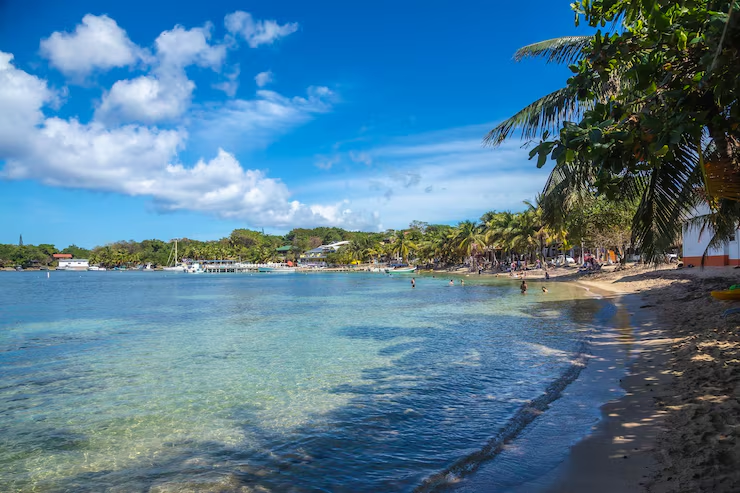
Roatán Island is Honduras’s most famous tourist destination and a true Caribbean paradise. Located off the northern coast, Roatán is known for its white-sand beaches, crystal-clear waters, and vibrant coral reefs.
The island sits along the Mesoamerican Barrier Reef, the second-largest reef system in the world. This makes Roatán a top destination for snorkeling and scuba diving, with abundant marine life including tropical fish, sea turtles, and colorful coral formations.
Beyond the beaches, Roatán offers lush landscapes, wildlife parks, and cultural experiences with the Garifuna and local island communities. West Bay Beach is particularly popular for its calm waters and scenic beauty.
Visitors can enjoy boat tours, zip-lining, kayaking, and sunset cruises. The island’s relaxed atmosphere and natural beauty make it ideal for both adventure seekers and those looking to unwind.
Roatán perfectly balances tropical luxury with natural conservation, making it one of Central America’s most beloved island escapes.
11. León (Nicaragua) – A City of Revolution, Art, and Volcanoes
León is one of Nicaragua’s most historically and culturally important cities. Founded in 1524, it is one of the oldest colonial cities in the Americas and has long been a center of political thought, revolution, literature, and artistic expression.
The heart of León is dominated by the León Cathedral, the largest cathedral in Central America and a UNESCO World Heritage Site. Its white rooftop offers panoramic views of the city and surrounding volcanoes, making it one of León’s most iconic experiences. The city’s colonial streets are lined with murals, galleries, and museums that reflect Nicaragua’s revolutionary past.
León is also a university town, giving it a youthful and energetic atmosphere. Cafés, bookstores, and cultural spaces thrive alongside historic buildings. Museums such as the Museum of the Revolution provide insight into Nicaragua’s complex political history.
Nature and adventure are never far away. León sits near several volcanoes, including Cerro Negro, famous for volcano boarding—an adrenaline-filled activity unique to the region. Beaches along the Pacific coast are also easily accessible.
León is a city where history, activism, creativity, and adventure come together, offering travelers a powerful and authentic Nicaraguan experience.
12. Granada (Nicaragua) – Timeless Colonial Elegance
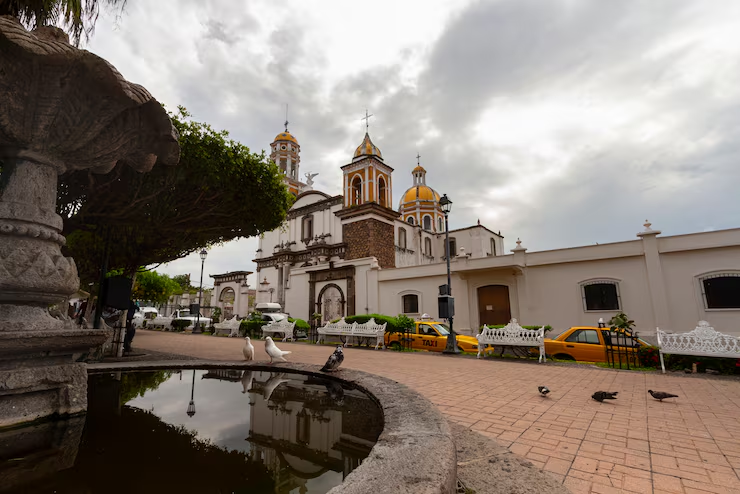
Granada is often considered the crown jewel of Nicaragua’s colonial cities. Founded in 1524 on the shores of Lake Nicaragua, it is one of the oldest continuously inhabited European settlements in the Americas.
The city is famous for its brightly painted colonial buildings, red-tiled roofs, and elegant churches. The Granada Cathedral dominates the central plaza and serves as a symbol of the city’s rich heritage. Walking through Granada feels like stepping back in time, with horse-drawn carriages and quiet streets enhancing its historic charm.
Granada’s location near Lake Nicaragua allows visitors to explore the nearby islets, known as Las Isletas. These small islands, formed by volcanic activity, offer boat tours, birdwatching, and scenic views of the Mombacho Volcano.
The city also boasts a vibrant cultural scene with art galleries, live music, and local festivals. Restaurants and cafés blend traditional Nicaraguan flavors with international cuisine.
Granada’s relaxed pace, architectural beauty, and cultural richness make it a favorite destination for travelers seeking history and romance.
13. Lake Nicaragua – The Inland Sea of Central America
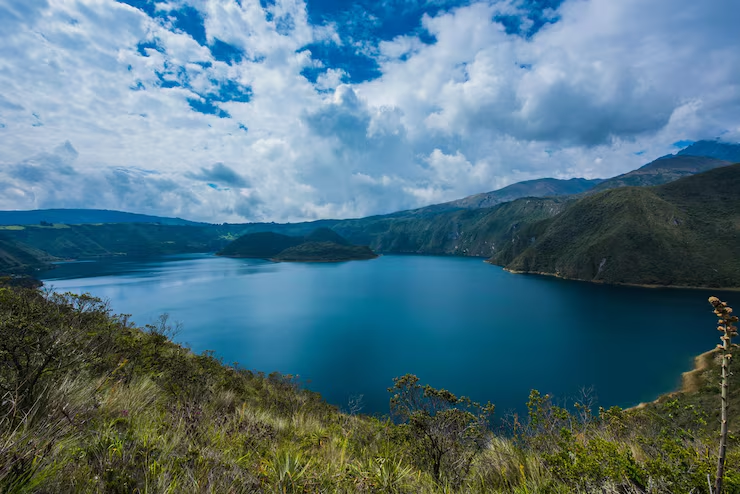
Lake Nicaragua, also known as Cocibolca, is the largest freshwater lake in Central America and one of the most significant natural features of the region. Its vast size and historical importance have earned it the nickname “the inland sea.”
The lake is dotted with volcanic islands, fishing villages, and lush shorelines. Historically, it served as an important trade route and was once considered as a possible site for an interoceanic canal.
One of the lake’s most fascinating aspects is its unique wildlife, including freshwater sharks (now rare), diverse fish species, and abundant birdlife. Local communities rely on the lake for fishing and transportation, maintaining a strong cultural connection to its waters.
Boat tours offer scenic views of volcanoes, colonial cities, and rural life. The lake’s calm beauty and cultural importance make it a central element of Nicaragua’s identity.
Lake Nicaragua is not just a natural wonder—it is a living landscape shaped by history, tradition, and daily life.
14. Ometepe Island (Nicaragua) – Twin Volcanoes and Spiritual Energy
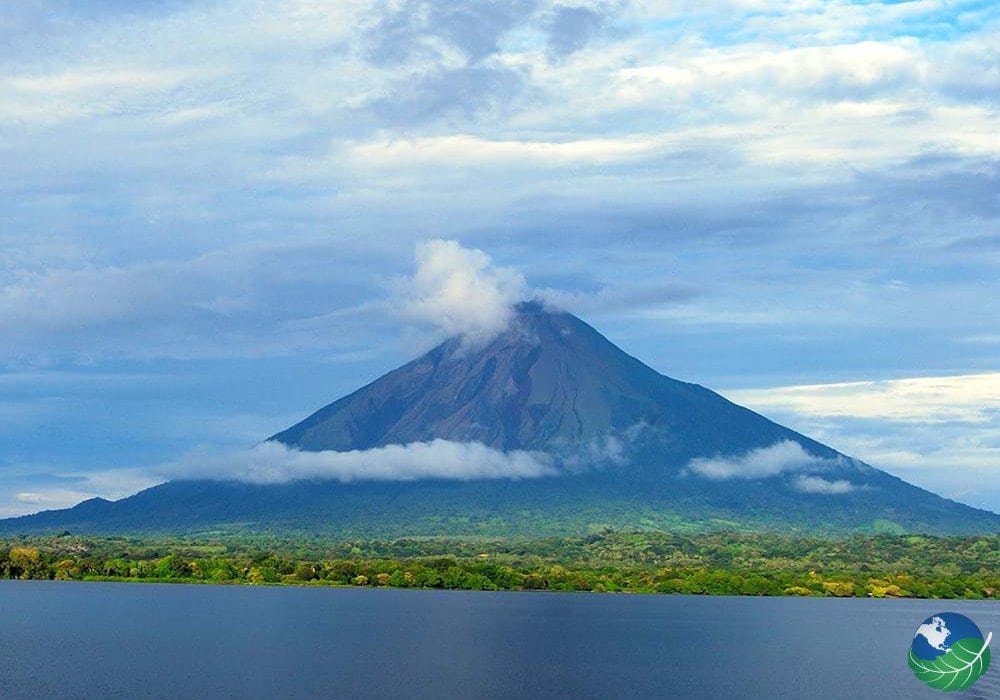
Ometepe Island is one of Central America’s most extraordinary destinations. Located within Lake Nicaragua, the island is formed by two volcanoes—Concepción and Maderas—connected by a narrow isthmus.
The island is known for its tranquil atmosphere, lush landscapes, and strong spiritual energy. Ancient petroglyphs, archaeological sites, and legends suggest that Ometepe was a sacred place for pre-Columbian cultures.
Outdoor enthusiasts will find endless opportunities for hiking, swimming, and wildlife watching. Trails lead through forests, waterfalls, and volcanic slopes. Lake beaches and freshwater springs provide refreshing escapes.
Ometepe’s rural communities preserve traditional farming lifestyles, offering visitors a glimpse into sustainable living and local culture. Yoga retreats and eco-lodges attract travelers seeking peace and connection with nature.
Ometepe Island is a destination where nature, history, and spirituality blend into a truly unique experience.
15. San José (Costa Rica) – The Cultural Heart of Costa Rica
San José, the capital of Costa Rica, serves as the country’s political, cultural, and economic center. Located in the Central Valley, the city offers a blend of historical landmarks, modern infrastructure, and vibrant urban life.
The city is home to some of Costa Rica’s most important museums, including the National Museum, Gold Museum, and Jade Museum. These institutions provide insight into indigenous history, colonial influences, and modern Costa Rican society.
San José’s neighborhoods feature theaters, markets, and cafés that reflect the nation’s relaxed yet culturally rich lifestyle. The National Theatre, an architectural masterpiece, stands as a symbol of Costa Rica’s artistic heritage.
Surrounded by mountains and coffee plantations, San José is also a gateway to the country’s natural wonders. From here, travelers can easily access volcanoes, rainforests, and beaches.
San José offers an essential introduction to Costa Rica’s culture, history, and everyday life.
16. Arenal Volcano (Costa Rica) – The Iconic Volcano of Adventure and Hot Springs
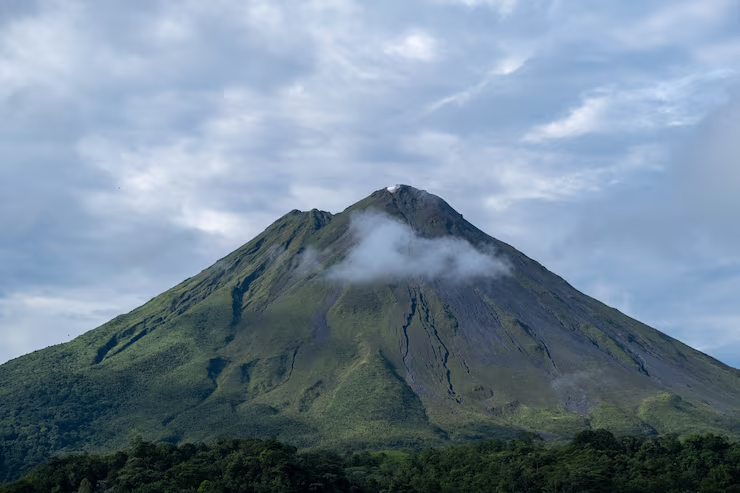
Arenal Volcano is one of Costa Rica’s most famous natural landmarks and a symbol of adventure tourism. Located in the northern part of the country, Arenal stands as a nearly perfect conical volcano surrounded by lush rainforest, hot springs, and a network of hiking trails.
Although Arenal’s last major eruption occurred in 2010, its presence still dominates the landscape. The volcano is surrounded by Arenal Volcano National Park, which protects dense forests and a wide range of wildlife. The park’s trails offer panoramic views of the volcano, lava fields, and the surrounding valley.
One of the most popular attractions in the area is the natural hot springs, heated by geothermal activity. Visitors can relax in mineral-rich waters, often surrounded by tropical plants and dramatic volcanic views.
Adventure activities around Arenal include zip-lining, horseback riding, waterfall hikes, and canopy tours. The nearby town of La Fortuna is a base for travelers, offering accommodations, restaurants, and guided tours.
Arenal Volcano is a destination where natural beauty meets thrill-seeking adventure, making it a must-visit in Costa Rica.
17. Monteverde Cloud Forest (Costa Rica) – A World of Mist, Biodiversity, and Magic
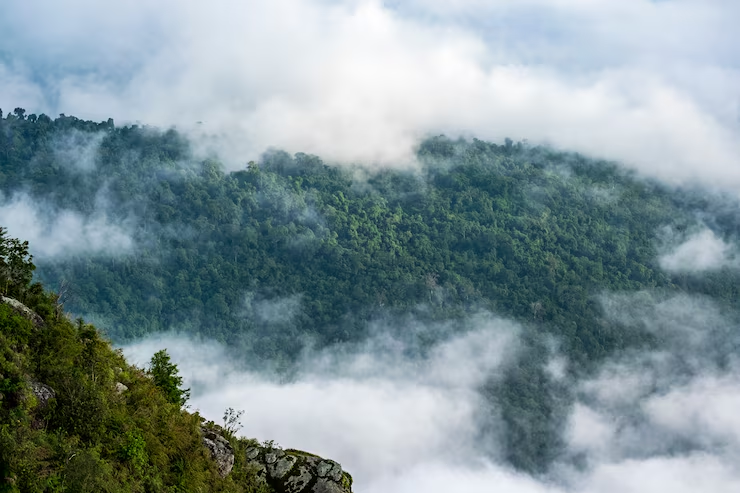
Monteverde Cloud Forest is one of the most biodiverse and magical places in Costa Rica. Located in the central highlands, this cloud forest is famous for its misty atmosphere, lush vegetation, and incredible wildlife diversity.
Cloud forests are unique ecosystems where clouds constantly hover at canopy level, creating a moist, cool environment that supports rare plants like orchids, bromeliads, and moss-covered trees. The constant mist gives Monteverde an ethereal feeling, like walking through a living fantasy.
The reserve is home to countless species, including quetzal birds, monkeys, sloths, and many reptiles. Birdwatching is a major attraction, and the chance to see the resplendent quetzal makes Monteverde famous among nature lovers.
Hanging bridges and canopy trails allow visitors to walk above the forest canopy, offering breathtaking views and a chance to see wildlife from a unique perspective. Night tours also reveal the forest’s nocturnal creatures, including frogs, insects, and rare mammals.
Monteverde is a destination for eco-tourism and sustainable travel. Local communities support conservation efforts, and the area is a model of responsible tourism.
For travelers seeking mystery, nature, and unforgettable wildlife encounters, Monteverde Cloud Forest is a must.
18. Manuel Antonio National Park (Costa Rica) – Beaches, Wildlife, and Rainforest in One Place
Manuel Antonio National Park is one of Costa Rica’s most popular and scenic parks, known for its perfect blend of white-sand beaches, tropical rainforest, and abundant wildlife. Located on the Pacific coast, the park is a compact but incredibly rich destination.
The park’s trails are easy to walk and lead to stunning viewpoints and secluded beaches. Visitors often encounter monkeys, sloths, iguanas, and colorful birds while walking through the forest.
The beaches inside the park are among the most beautiful in Costa Rica, with soft sand and clear waters. Swimming, snorkeling, and relaxing on the beach are major highlights.
Manuel Antonio is ideal for families and travelers looking for both nature and relaxation. The park’s accessible trails and diverse ecosystems make it a top destination for Costa Rica tourism.
19. Tortuguero National Park (Costa Rica) – The River Canals of Wildlife and Turtle Nesting
Tortuguero National Park is one of Costa Rica’s most unique natural areas, located on the Caribbean coast. Known for its extensive network of canals, dense rainforest, and sea turtle nesting beaches, Tortuguero offers a distinctive and immersive nature experience.
The park is often explored by boat through its waterways, where visitors can spot wildlife such as monkeys, crocodiles, sloths, and exotic birds. The canals are a natural highway through the rainforest, offering a peaceful and wildlife-filled journey.
Tortuguero is especially famous for sea turtle nesting, particularly green turtles and leatherbacks. During nesting season, visitors can witness turtles coming ashore at night to lay eggs, an unforgettable and emotional experience.
The remote location of Tortuguero creates a sense of untouched wilderness. The area is a haven for biodiversity and conservation efforts.
For travelers who love wildlife and natural beauty, Tortuguero is a must-visit destination in Costa Rica.
20. Corcovado National Park (Costa Rica) – One of the Most Biodiverse Places on Earth
Corcovado National Park is often called one of the most biologically intense places on the planet. Located on Costa Rica’s Osa Peninsula, this park is a vast, remote wilderness filled with rainforests, beaches, rivers, and rare wildlife.
Corcovado is home to jaguars, tapirs, scarlet macaws, monkeys, and many other species. The park’s dense forests and remote location create a pristine environment where nature thrives.
Exploring Corcovado requires guided tours due to its rugged terrain and protected status. Hiking trails lead through primary rainforest, offering unforgettable wildlife encounters and a sense of true adventure.
The park also has stunning coastal areas and hidden beaches where visitors can relax after a day of hiking.
Corcovado is a destination for serious nature lovers and adventurers. Its wild beauty and biodiversity make it one of Costa Rica’s most legendary and rewarding destinations.
Related artical : Top 20 Tourist Places in the Central African Republic