
Now Reading: Top 5 Tourist Places in Arauca, Colombia
-
01
Top 5 Tourist Places in Arauca, Colombia

Top 5 Tourist Places in Arauca, Colombia
Arauca, Colombia: A Journey into the Heart of the Llanos Culture and Wild Landscapes
The department of Arauca, located in eastern Colombia along the border with Venezuela, is a land shaped by wide horizons, flowing rivers, and deeply rooted traditions. Part of the vast Orinoquía region, Arauca is defined by endless savanna plains known as Los Llanos, where cattle culture, folk music, and wildlife coexist in harmony with nature.
Unlike Colombia’s more tourist-heavy regions, Arauca offers an authentic and untouched experience. Life here moves at the rhythm of rivers, horses, and traditional music. Travelers who venture into this region discover a Colombia that feels raw, poetic, and deeply connected to the land.
This long-form travel guide explores the top five must-visit experiences in Arauca, revealing why this region is a cultural and natural treasure waiting to be discovered.
1. Arauca City – Llanos Culture and Riverfront Life
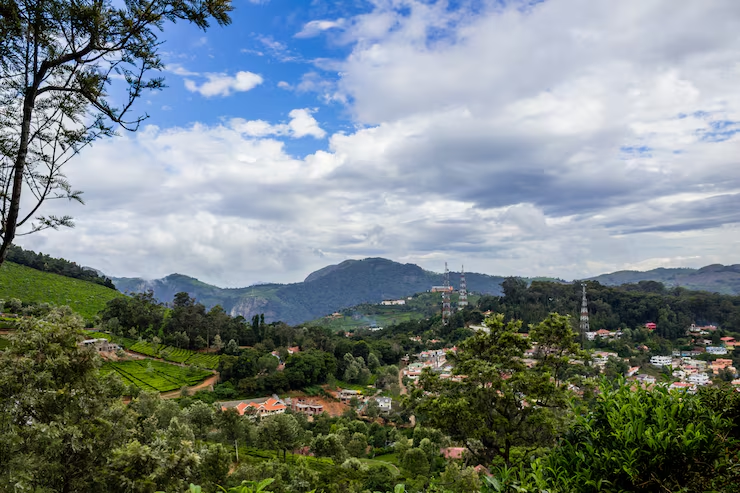
Arauca City, the capital of the department, is the cultural and social center of the region. Located on the banks of the Arauca River, the city reflects the essence of Llanos life—warm, musical, and proudly traditional.
A City Shaped by the River
The Arauca River plays a central role in the city’s identity. The riverfront is a gathering place where locals come to relax, fish, socialize, and enjoy the breeze at sunset. Walking along the riverbank offers peaceful views of slow-moving waters and open skies, creating a calming atmosphere that defines life in Arauca.
Small boats travel up and down the river, and fishermen can often be seen casting nets, continuing traditions passed down through generations.
Llanos Identity and Daily Life
Arauca City is deeply rooted in Llanero culture, the traditional way of life of Colombia’s eastern plains. Cowboys on horseback, wide-brimmed hats, and leather boots are common sights, reflecting the strong connection between people and cattle ranching.
Music fills public spaces, especially joropo, the fast-paced and energetic folk music of the Llanos. Local restaurants serve traditional dishes such as grilled beef, yuca, plantains, and fresh river fish.
Cultural Spaces and Local Markets
Markets in Arauca City showcase regional products, handmade crafts, and local foods. These spaces provide insight into daily life and the importance of community in the region.
Festivals, music performances, and open-air gatherings are frequent, reinforcing the city’s role as a cultural hub.
Why Visit Arauca City?
Arauca City offers an authentic introduction to Llanos culture. It is not about grand monuments but about people, traditions, and a way of life deeply connected to the land and river.
2. Arauca River – A Scenic Border River Full of Life
The Arauca River is one of the region’s most important natural features. Flowing along the border between Colombia and Venezuela, the river is both a geographic boundary and a shared cultural lifeline.
A River of Connection
For centuries, the Arauca River has served as a route for trade, communication, and cultural exchange. Communities on both sides of the river share similar traditions, music, and lifestyles shaped by the plains.
The river is calm and wide, reflecting the vast skies above and the open savannas that stretch into the distance.
Wildlife and Natural Beauty
The riverbanks are home to a variety of wildlife, including birds, reptiles, and aquatic species. Herons, ibises, and kingfishers are common sights, making the river an excellent spot for birdwatching.
During early mornings and late afternoons, the river becomes especially scenic, with golden light illuminating the water and surrounding vegetation.
Boat Rides and River Experiences
Local boat rides offer a peaceful way to explore the river and understand its importance to regional life. These journeys provide close-up views of riverside communities, fishing practices, and natural landscapes.
The slow pace of the river allows travelers to disconnect from modern distractions and experience the tranquility of the Llanos.
Why Visit the Arauca River?
The Arauca River is more than a border—it is a symbol of life, movement, and shared heritage. Experiencing it helps travelers understand the deep connection between nature and culture in the region.
3. Caño Limón – Wetlands and Natural Ecosystems
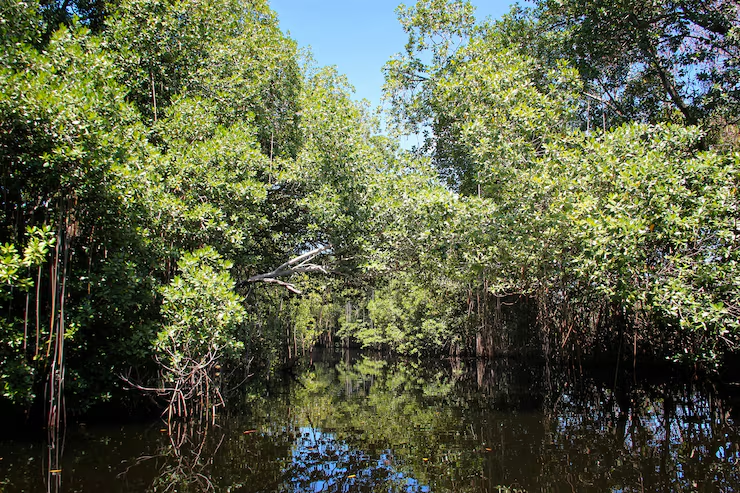
Caño Limón is one of Arauca’s most significant natural areas, known for its wetlands, waterways, and ecological importance. This region represents the delicate balance between land and water that defines the Llanos ecosystem.
A Landscape of Water and Grass
Caño Limón is characterized by seasonal wetlands, shallow streams, and grassy plains that flood during the rainy season. These wetlands are essential for maintaining biodiversity and supporting wildlife populations.
During different times of the year, the landscape transforms dramatically—from dry golden plains to lush green wetlands filled with life.
Biodiversity and Wildlife
The wetlands around Caño Limón support a wide range of species, including:
- Water birds and migratory species
- Capybaras and small mammals
- Reptiles such as turtles and caimans
- Amphibians and insects unique to wetland environments
Birdwatchers and nature enthusiasts find this area especially rewarding due to its rich biodiversity.
Importance of Conservation
Caño Limón highlights the importance of protecting fragile ecosystems. Wetlands play a crucial role in water regulation, climate balance, and wildlife survival.
Responsible tourism and environmental awareness are essential to preserving this area for future generations.
Why Visit Caño Limón?
Caño Limón offers a quiet yet powerful nature experience, showcasing the beauty and ecological value of Arauca’s wetlands and natural landscapes.
4. Savanna Plains – Wildlife and Cattle Culture of the Llanos
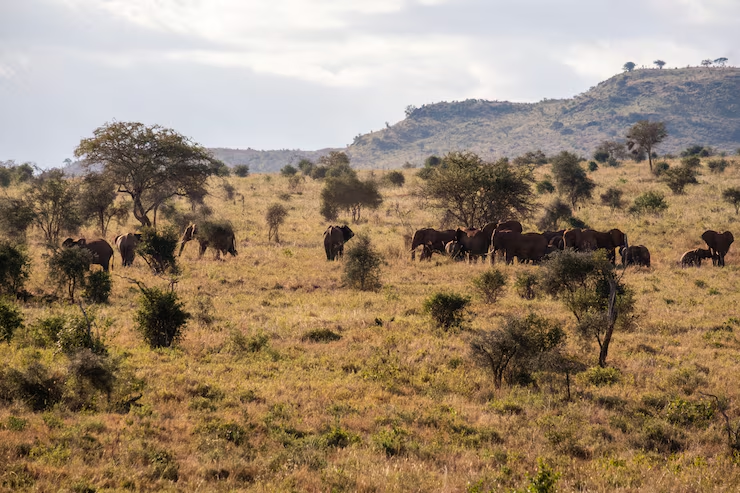
The savanna plains of Arauca are the defining feature of the region. Stretching endlessly under wide skies, these plains form the heart of Llanos culture and identity.
The Vastness of the Llanos
The open plains create a sense of freedom and scale that is difficult to find elsewhere. Grasslands extend as far as the eye can see, broken only by rivers, trees, and cattle herds.
Sunrises and sunsets over the savanna are particularly striking, painting the sky in vivid colors and reflecting the poetic spirit of the region.
Wildlife of the Plains
The savannas are home to diverse wildlife, including:
- Deer and armadillos
- Capybaras near water sources
- Birds of prey soaring above the plains
- Reptiles adapted to open environments
Wildlife sightings are common, especially near rivers and wetlands.
Cattle Ranching and Llanero Traditions
Cattle ranching is central to life in the Llanos. Llaneros, the traditional cowboys of the plains, are skilled horsemen known for their strength, independence, and deep respect for nature.
Daily life revolves around cattle herding, horseback riding, and maintaining strong bonds with the land. These traditions are reflected in music, storytelling, and festivals.
Why Visit the Savanna Plains?
The savannas of Arauca offer an immersive cultural and natural experience, allowing travelers to witness a way of life that has remained largely unchanged for generations.
5. Local Festivals – Traditional Music, Dance, and Celebration
Arauca’s cultural soul comes alive during its local festivals, which celebrate Llanero music, dance, and heritage.
Joropo – The Sound of the Llanos
At the heart of these festivals is joropo, a lively musical style featuring harp, cuatro, and maracas. The fast rhythms and poetic lyrics reflect life on the plains—love, nature, cattle, and freedom.
Joropo dancing is energetic and expressive, often performed during community celebrations and competitions.
Festivals and Community Spirit
Local festivals bring together entire communities, showcasing:
- Traditional music and dance performances
- Horse parades and cattle exhibitions
- Local food and handicrafts
- Cultural storytelling and folklore
These events strengthen community bonds and preserve cultural traditions.
A Celebration of Identity
Festivals in Arauca are not just entertainment—they are expressions of identity and pride. They pass knowledge from one generation to the next, ensuring that Llanero culture continues to thrive.
Why Experience Local Festivals?
Attending a local festival offers the most authentic cultural experience in Arauca. It allows travelers to connect with people, music, and traditions in a meaningful way.
Final Thoughts: Why Arauca Is a Hidden Cultural Treasure
Arauca is a destination for travelers seeking authenticity, open landscapes, and deep cultural connection. From the riverfront life of Arauca City to the flowing Arauca River, from wetlands and savannas to vibrant festivals, this region tells a story of harmony between people and nature.
Arauca may not appear on every travel map, but for those who visit, it leaves a lasting impression. It is a place where traditions are lived, not displayed, and where the land itself shapes identity.
If you are looking to experience a Colombia beyond the usual routes—one filled with music, rivers, and endless skies—Arauca is waiting.
Related artical : Top 5 Tourist Places in Antioquia, Colombia