
Now Reading: Top 5 Tourist Places in Atlántico, Colombia
-
01
Top 5 Tourist Places in Atlántico, Colombia
Top 5 Tourist Places in Atlántico, Colombia
Atlántico, Colombia: A Complete Travel Guide to Caribbean Culture, Coastlines, and History
The department of Atlántico, located along Colombia’s northern Caribbean coast, is one of the country’s most vibrant and culturally expressive regions. Though small in size, Atlántico plays an outsized role in shaping Colombia’s Caribbean identity through music, dance, history, and coastal landscapes.
At the center of it all is Barranquilla, a city known worldwide for its legendary Carnival. Surrounding it are beaches, historic ports, museums, and dramatic coastal landmarks where rivers meet the sea. Atlántico is not just a destination—it is a celebration of life, movement, and cultural fusion.
This long-form travel guide explores the top five must-visit places in Atlántico, showing why this region is essential for anyone wanting to experience Colombia’s Caribbean soul.
1. Barranquilla – Carnival Capital and Caribbean Cultural Hub

Barranquilla, the capital of Atlántico, is one of Colombia’s most dynamic cities. Unlike colonial cities defined by old walls and plazas, Barranquilla’s identity is rooted in culture, music, and people. It is often described as Colombia’s most joyful city—and for good reason.
A City of Cultural Fusion
Barranquilla has long been a melting pot of cultures, shaped by Indigenous roots, African heritage, European immigration, and Caribbean influence. This fusion has produced a unique cultural identity expressed through music, dance, cuisine, and festivals.
The city’s location near the Magdalena River and the Caribbean Sea made it a major port in the 19th and 20th centuries, attracting immigrants who left a lasting mark on its character.
The World-Famous Barranquilla Carnival
The Barranquilla Carnival, recognized by UNESCO as a Masterpiece of the Oral and Intangible Heritage of Humanity, is the city’s greatest pride. Held every year before Lent, it is the second-largest carnival in Latin America after Rio de Janeiro.
The carnival features:
- Colorful parades with elaborate costumes
- Traditional dances like cumbia, mapalé, and garabato
- Live music, drums, and folklore performances
- Street celebrations involving the entire city
For several days, Barranquilla transforms into a massive open-air festival where tradition, humor, and creativity take center stage.
Daily Life, Food, and Music
Outside carnival season, Barranquilla remains lively year-round. Music fills the streets, from Caribbean rhythms to modern sounds. The food scene reflects coastal flavors, with fresh seafood, coconut rice, fried fish, and tropical fruits.
Neighborhoods such as El Prado and the city’s riverfront areas offer a glimpse into Barranquilla’s evolving urban life.
Why Visit Barranquilla?
Barranquilla is the cultural engine of Colombia’s Caribbean coast. It offers an energetic, authentic experience rooted in celebration, creativity, and cultural pride.
2. Puerto Colombia – A Historic Beach Town Near Barranquilla
Just west of Barranquilla lies Puerto Colombia, a coastal town known for its beaches, history, and relaxed atmosphere. Once Colombia’s main maritime gateway, Puerto Colombia played a crucial role in the country’s modernization.
A Town with Historic Importance
In the late 19th and early 20th centuries, Puerto Colombia was Colombia’s most important port. Immigrants, goods, and ideas arrived here before traveling inland, shaping the nation’s future.
The remains of its historic pier stand as a reminder of this era, symbolizing connection, progress, and exchange.
Beaches and Coastal Life
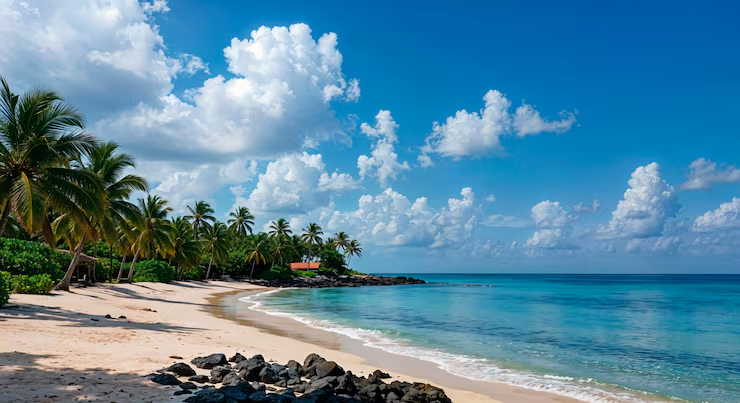
Today, Puerto Colombia is best known for its Caribbean beaches. The coastline features open sea views, strong breezes, and wide sandy stretches ideal for relaxing walks and sunset watching.
Local beach restaurants serve fresh seafood, fried fish, and traditional coastal dishes, creating a casual and welcoming environment.
Modern Revival and Local Charm
In recent years, Puerto Colombia has experienced revitalization efforts aimed at preserving its heritage while improving public spaces. Boardwalks, viewpoints, and cultural areas now attract both locals and visitors.
Despite development, the town retains a slower pace than Barranquilla, making it a favorite weekend escape.
Why Visit Puerto Colombia?
Puerto Colombia offers a blend of history and sea-side relaxation, perfect for travelers looking to enjoy the Caribbean coast without large crowds.
3. Bocas de Ceniza – Where the River Meets the Sea
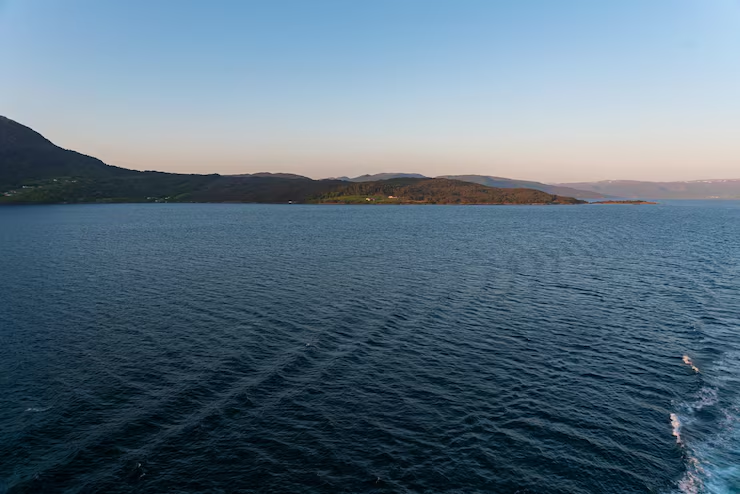
Bocas de Ceniza is one of the most striking natural and engineering landmarks in Atlántico. This is the exact point where the Magdalena River, Colombia’s most important river, flows into the Caribbean Sea.
A Meeting of Two Worlds
At Bocas de Ceniza, freshwater meets saltwater, creating dramatic contrasts in color, movement, and energy. The river carries stories from deep inside Colombia, while the sea represents openness and global connection.
Standing here offers a powerful sense of geography and history.
The Jetties and Coastal Walk
Long stone jetties extend into the sea, guiding the river’s flow and allowing visitors to walk far out into the water. From this path, travelers can witness:
- Cargo ships entering the river
- Waves crashing against stone walls
- Birds flying low over the water
- Expansive views of the Caribbean
The experience is especially memorable during sunrise or sunset.
Symbolic Importance
Bocas de Ceniza represents Barranquilla’s historical role as a port city and Colombia’s connection between inland regions and the world. It is both a functional maritime site and a symbolic landmark.
Why Visit Bocas de Ceniza?
This site offers a unique blend of nature, engineering, and symbolism, making it one of Atlántico’s most fascinating attractions.
4. Museo del Caribe – Understanding the Region’s Identity
The Museo del Caribe in Barranquilla is one of the most important cultural institutions in northern Colombia. Dedicated to the history, people, and ecosystems of the Caribbean region, the museum provides essential context for understanding Atlántico.
A Modern and Interactive Museum
Unlike traditional museums filled only with artifacts, the Museo del Caribe uses multimedia exhibits, interactive displays, and storytelling to engage visitors. Each section explores a different aspect of Caribbean life.
Topics include:
- Indigenous and African heritage
- Music and dance traditions
- Literature and oral storytelling
- Natural ecosystems and climate
- Regional history and migration
Celebrating Caribbean Culture
Music plays a central role in the museum, reflecting the Caribbean’s rhythmic identity. Visitors can listen to traditional sounds, learn about instruments, and understand how music connects communities.
The museum also highlights the region’s writers, thinkers, and artists, emphasizing Atlántico’s contribution to Colombian culture.
Educational and Cultural Impact
The Museo del Caribe serves as a space for learning and cultural pride. It helps preserve traditions while educating younger generations and international visitors.
Why Visit the Museo del Caribe?
This museum provides the intellectual and cultural foundation needed to fully appreciate Atlántico. It transforms sightseeing into understanding.
5. Salgar Castle – A Coastal Landmark with History and Views
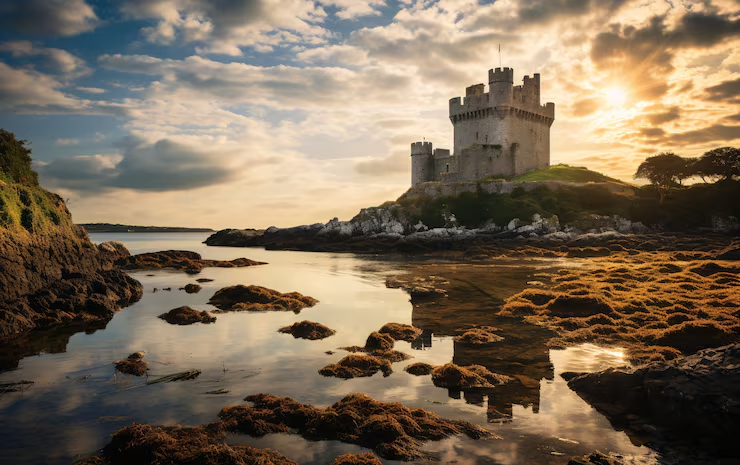
Salgar Castle (Castillo de Salgar) is one of Atlántico’s most iconic landmarks. Perched on a rocky point overlooking the Caribbean Sea, this historic structure offers stunning views and a sense of mystery.
From Military Fort to Cultural Site
Originally built in the 19th century as a defensive fort, Salgar Castle was designed to protect the coast from naval threats. Over time, it was repurposed and eventually restored as a cultural and tourist site.
Its stone walls and elevated position reflect its strategic past.
Dramatic Coastal Scenery
The castle’s location provides panoramic views of the sea, cliffs, and coastline. Waves crash against the rocks below, creating a dramatic and photogenic setting.
The surrounding area is ideal for walking, photography, and quiet reflection.
A Symbol of Coastal Heritage
Today, Salgar Castle stands as a symbol of Atlántico’s maritime history and resilience. Cultural events and exhibitions are sometimes held here, blending history with modern creativity.
Why Visit Salgar Castle?
Salgar Castle offers a unique mix of history, architecture, and coastal beauty, making it a must-visit landmark in Atlántico.
Final Thoughts: Why Atlántico Captures the Spirit of the Caribbean
Atlántico is a region where culture is lived loudly and proudly. From the unstoppable rhythm of Barranquilla’s Carnival to the quiet power of Bocas de Ceniza, from beach towns and museums to historic coastal landmarks, Atlántico offers a complete Caribbean experience.
These five destinations reveal the many layers of the department—celebration, history, nature, and identity. Atlántico does not ask visitors to observe from a distance; it invites them to dance, listen, taste, and feel.
For travelers seeking energy, authenticity, and cultural richness, Atlántico, Colombia, is unforgettable.
Related artical : Top 5 Tourist Places in Arauca, Colombia