
Now Reading: Top 5 Tourist Places in Bolívar, Colombia
-
01
Top 5 Tourist Places in Bolívar, Colombia
Top 5 Tourist Places in Bolívar, Colombia
Bolívar, Colombia: A Complete Travel Guide to Caribbean Beauty, History, and Heritage
The department of Bolívar, located on Colombia’s northern Caribbean coast, is one of the country’s most enchanting regions. Known worldwide for the magical streets of Cartagena, Bolívar is far more than a single famous city. It is a land of islands, rivers, colonial towns, and powerful cultural heritage shaped by Indigenous, African, and European influences.
From coral reefs and white-sand beaches to UNESCO-listed cultural sites and timeless river towns, Bolívar offers travelers an experience that is both visually stunning and historically profound. This region tells stories of trade, resistance, faith, and survival—stories that are still alive today.
This long-form travel guide explores the top five must-visit places in Bolívar, revealing why this department remains one of Colombia’s most beloved and unforgettable destinations.
1. Cartagena – The Walled City and Caribbean Charm
Cartagena de Indias is the crown jewel of Bolívar and one of the most beautiful cities in Latin America. With its colorful colonial architecture, fortified walls, and Caribbean soul, Cartagena feels like a living museum bathed in tropical light.
A City Shaped by History
Founded in 1533, Cartagena was one of the most important ports of the Spanish Empire in the Americas. Gold, silver, and goods passed through its harbor, making it a frequent target of pirates and foreign invasions. To protect the city, massive stone walls, forts, and bastions were built—many of which still stand today.
The Walled City (Ciudad Amurallada) is now a UNESCO World Heritage Site and the historic heart of Cartagena.
Walking Through the Walled City
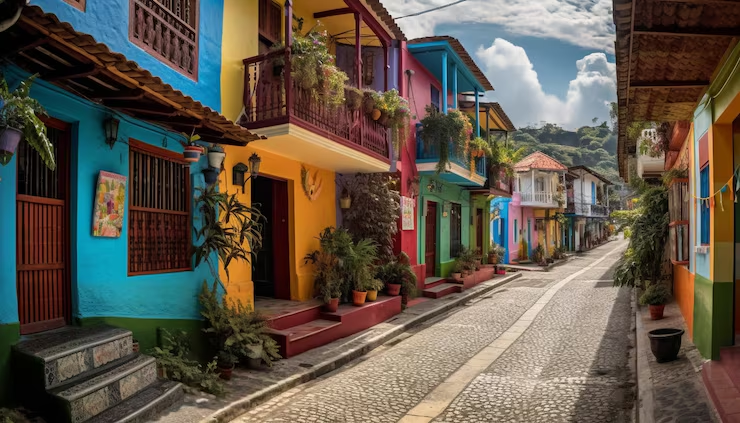
Inside the walls, narrow streets lead past brightly painted houses with wooden balconies overflowing with flowers. Horse-drawn carriages roll slowly over cobblestones, and plazas come alive with music, street performers, and cafés.
Highlights include:
- Plaza de los Coches
- Plaza Santo Domingo
- Clock Tower (Torre del Reloj)
- Historic churches and convents
Every corner tells a story of colonial elegance and Caribbean warmth.
Culture, Music, and Cuisine
Cartagena’s culture is vibrant and expressive. Afro-Caribbean rhythms fill the air, and local cuisine reflects coastal flavors—fresh seafood, coconut rice, fried plantains, and tropical fruits.
As evening falls, the city glows with golden light, and the walls become a perfect place to watch the sunset over the sea.
Why Visit Cartagena?
Cartagena offers a perfect blend of romance, history, and Caribbean energy. It is a destination that feels timeless, cinematic, and deeply alive.
2. Rosario Islands – Snorkeling, Coral Reefs, and Island Paradise
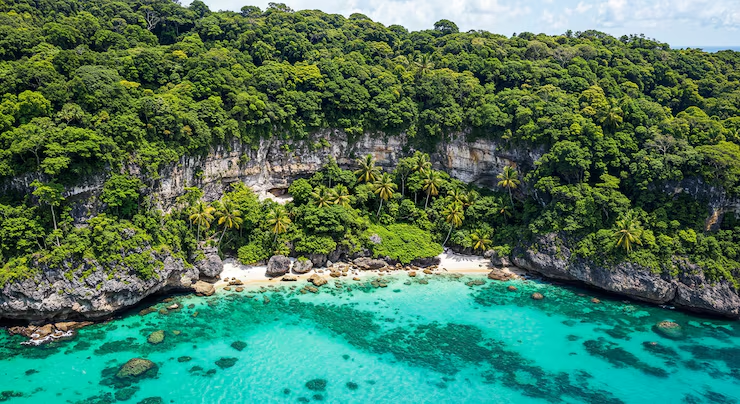
Just off the coast of Cartagena lies the Rosario Islands, a stunning archipelago surrounded by turquoise waters and coral reefs. This protected marine area is one of the Caribbean’s most beautiful natural treasures.
A Marine National Park
The Rosario Islands form part of a national natural park dedicated to preserving coral reefs, mangroves, and marine biodiversity. The waters here are clear and calm, making them ideal for snorkeling and swimming.
Colorful fish, coral formations, and underwater ecosystems create a vibrant marine world just below the surface.
Island Experiences
Visitors typically explore the islands via day trips or overnight stays at eco-lodges and beach resorts. Experiences include:
- Snorkeling and diving
- Boat tours between islands
- Relaxing on white-sand beaches
- Kayaking through mangroves
The slow pace of island life offers a refreshing contrast to the city.
Responsible Tourism and Conservation
Conservation efforts are central to the Rosario Islands. Visitors are encouraged to respect marine life and support eco-friendly tourism initiatives that protect coral reefs and coastal ecosystems.
Why Visit the Rosario Islands?
The Rosario Islands offer a true Caribbean escape, combining natural beauty, underwater adventure, and peaceful island living.
3. Barú Island – White Sand Beaches and Turquoise Waters
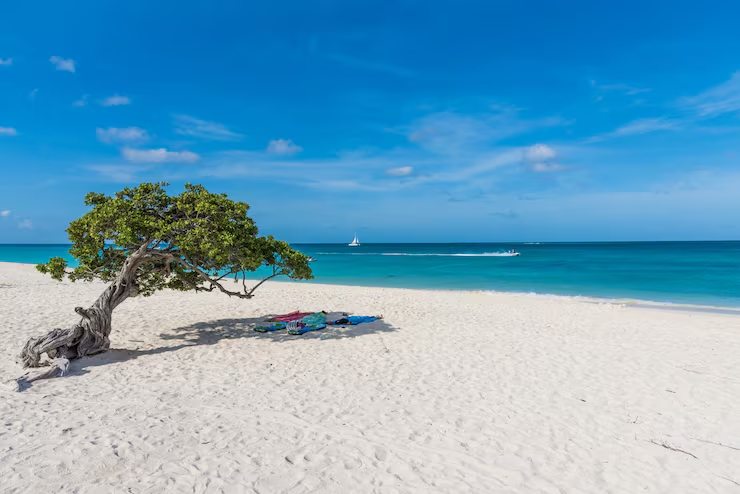
Barú Island, located south of Cartagena, is famous for its postcard-perfect beaches and crystal-clear waters. Though often associated with luxury beach clubs, Barú also reflects traditional coastal life.
Playa Blanca and Coastal Beauty
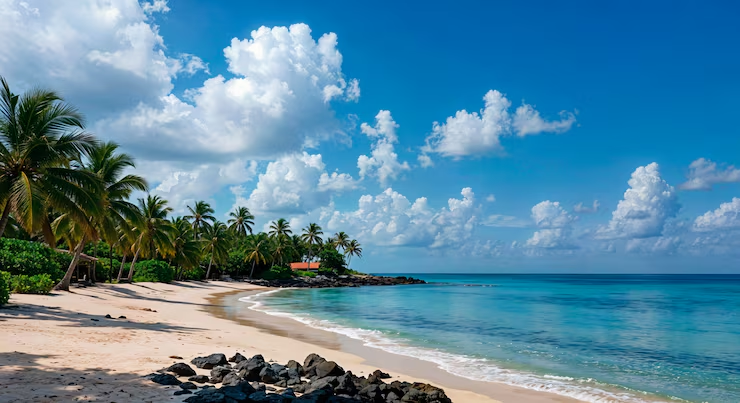
The most famous beach on the island is Playa Blanca, known for its soft white sand and vibrant turquoise sea. Palm trees line the shore, and gentle waves make it ideal for swimming and relaxation.
Sunsets here are particularly breathtaking, as the sky transforms into shades of orange, pink, and purple.
Local Communities and Traditions
Beyond the beach, Barú is home to fishing communities whose livelihoods depend on the sea. Local cuisine focuses on freshly caught fish, coconut-based dishes, and traditional Caribbean flavors.
Visitors who explore beyond resort areas gain insight into the everyday life of coastal Colombia.
Balancing Tourism and Sustainability
Barú faces challenges related to tourism growth and environmental protection. Sustainable practices and responsible travel play an important role in preserving the island’s natural beauty.
Why Visit Barú Island?
Barú offers classic Caribbean beach experiences—sun, sand, and sea—while also providing opportunities to connect with local culture.
4. San Basilio de Palenque – Afro-Colombian Heritage (UNESCO)
San Basilio de Palenque is one of the most culturally significant places in Colombia. Recognized by UNESCO as a Masterpiece of the Oral and Intangible Heritage of Humanity, this town represents resistance, identity, and African heritage.
A Town of Freedom
Founded by escaped enslaved Africans in the 17th century, Palenque is considered the first free African town in the Americas. Its residents successfully resisted colonial control and preserved their traditions, language, and social structures.
Language, Music, and Identity
Palenque has its own language, Palenquero, a unique blend of Spanish and African languages. Music and dance play a central role in community life, particularly traditional rhythms linked to African roots.
Rituals, oral storytelling, and collective memory remain strong.
Cultural Experiences for Visitors
Visitors can learn about Palenque’s history through guided tours led by community members. Experiences often include:
- Traditional music and dance demonstrations
- Storytelling sessions
- Local food tastings
- Discussions about Afro-Colombian history
These encounters are deeply educational and emotionally powerful.
Why Visit San Basilio de Palenque?
Palenque offers a profound cultural experience. It is a place of dignity, resistance, and living heritage that reshapes how visitors understand Colombia’s past and present.
5. Mompox – A Timeless Colonial Riverside Town
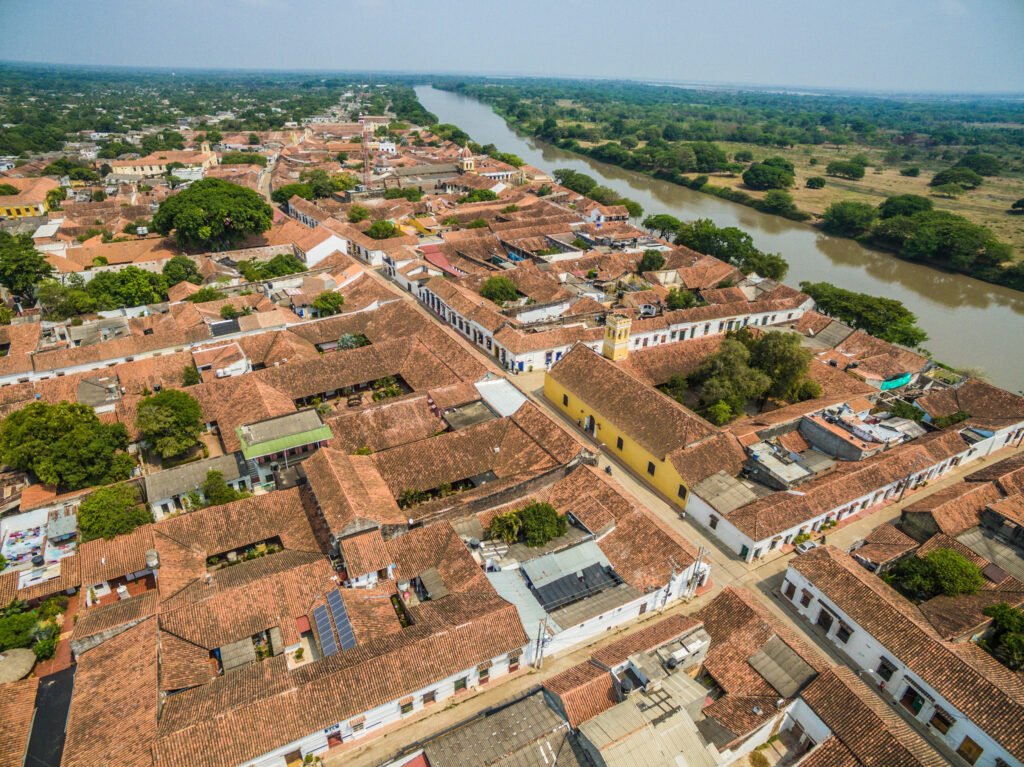
Santa Cruz de Mompox, commonly known as Mompox, is a beautifully preserved colonial town located along the Magdalena River. Often described as a town frozen in time, Mompox is a UNESCO World Heritage Site and one of Bolívar’s hidden gems.
Colonial Elegance and River Life
Founded in the 16th century, Mompox prospered as a river port and religious center. Today, its historic center features whitewashed buildings, wrought-iron balconies, and grand churches.
Life here moves slowly, following the rhythm of the river.
Churches and Architecture
Mompox is known for its impressive churches, including:
- Iglesia de Santa Bárbara
- Iglesia de San Francisco
- Catedral de Santa Cruz
These structures reflect colonial artistry and spiritual importance.
Culture, Crafts, and Traditions
The town is famous for its filigree jewelry, crafted using techniques passed down through generations. Festivals, religious processions, and cultural events maintain strong ties to tradition.
Why Visit Mompox?
Mompox offers tranquility, beauty, and historical depth. It is ideal for travelers seeking reflection, culture, and an authentic sense of Colombia’s colonial past.
Final Thoughts: Why Bolívar Is One of Colombia’s Greatest Destinations
Bolívar is a department of contrasts and harmony. From Cartagena’s vibrant streets to silent coral reefs, from white-sand beaches to powerful Afro-Colombian heritage, from bustling ports to timeless river towns—Bolívar tells Colombia’s story in many voices.
These five destinations together create a complete journey through history, culture, and nature. Bolívar does not simply show its beauty; it invites travelers to understand it.
For anyone seeking the soul of Colombia’s Caribbean coast, Bolívar is unforgettable.
Related artical : Top 5 Tourist Places in Atlántico, Colombia