
Now Reading: Top 5 place to visit in Tripoli
-
01
Top 5 place to visit in Tripoli
Top 5 place to visit in Tripoli
🏙️ 1. Tripoli City Center – The Cultural Heart of Arcadia
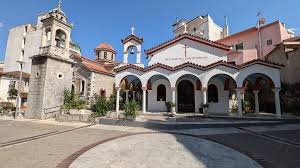
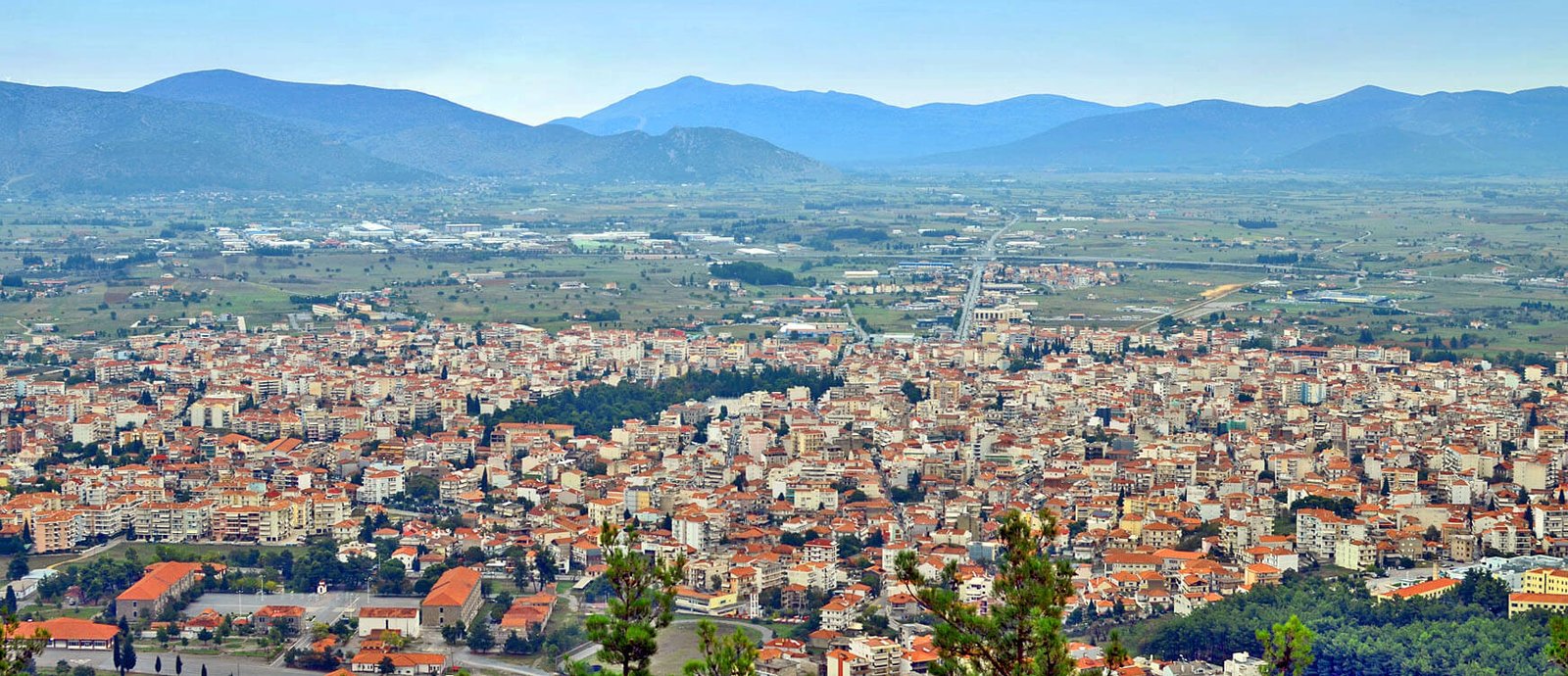
The city center of Tripoli is one of the most lively and important urban areas in the central Peloponnese region. Known for its elegant squares, neoclassical buildings, cafés, and traditional Greek atmosphere, Tripoli serves as both a cultural and administrative center of Arcadia.
Walking through the city allows visitors to experience authentic Greek daily life away from crowded island tourism. The central squares are filled with restaurants, local shops, and cafés where both locals and travelers gather to enjoy traditional food, coffee, and social life. During the evening, the city becomes vibrant with music, lights, and a relaxed Mediterranean atmosphere.
Tripoli also holds deep historical importance because of its role during the Greek War of Independence. Many parts of the city preserve memories of the revolutionary struggles that shaped modern Greece. Museums and cultural sites throughout the area help visitors better understand the city’s historical identity and contribution to Greek history.
The combination of modern lifestyle, historical significance, and warm local culture makes Tripoli one of the most authentic destinations in mainland Greece.
⛰️ 2. Mainalon Mountains – The Natural Beauty Surrounding Tripoli
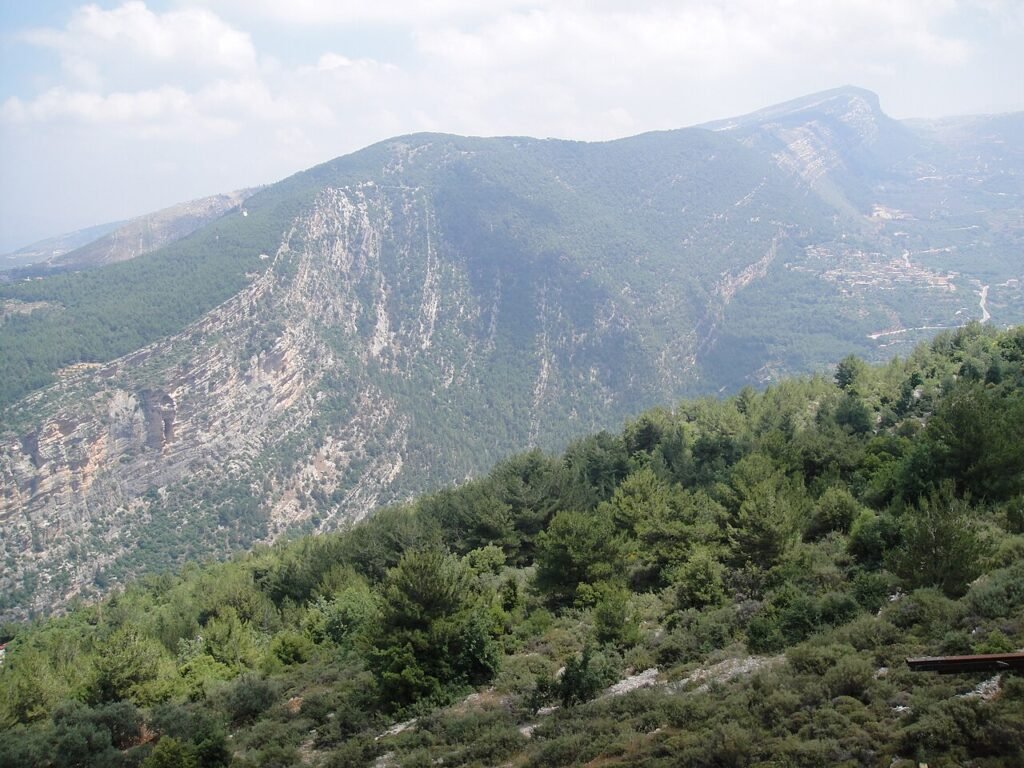
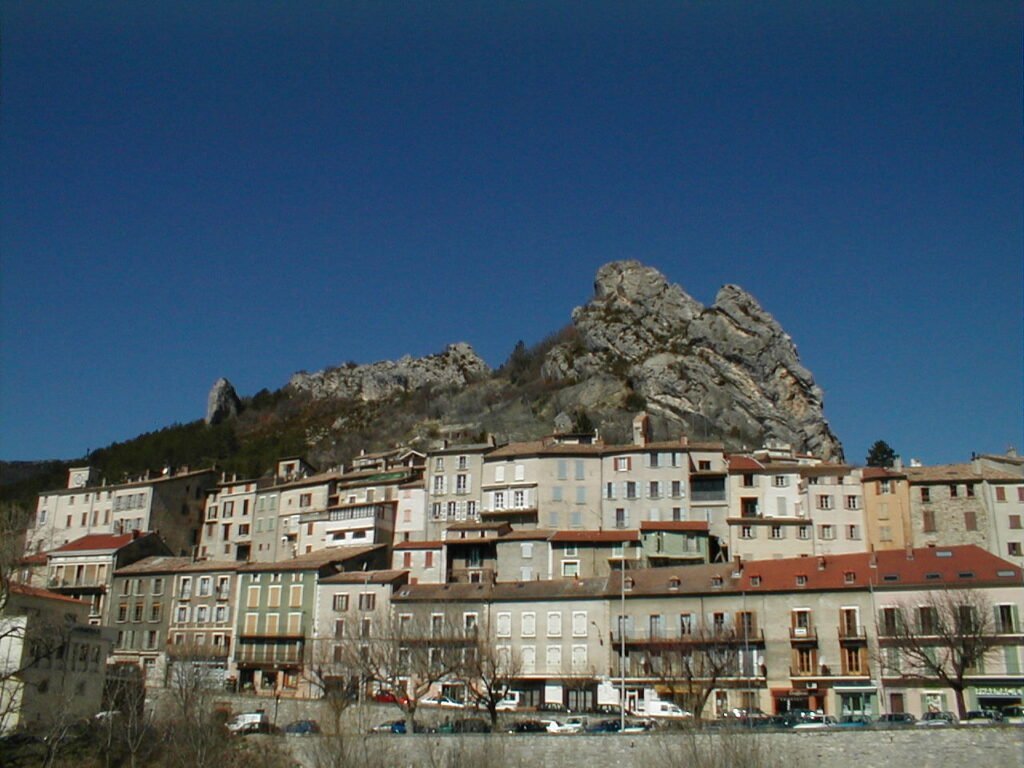
Surrounding Tripoli are the magnificent Mainalon Mountains, famous for their dense forests, peaceful villages, and breathtaking natural landscapes. The mountains create one of the most beautiful environments in the Peloponnese region and provide visitors with opportunities for hiking, sightseeing, and nature exploration throughout the year.
The area is especially attractive during autumn and winter when the forests become colorful and snow occasionally covers the mountain peaks. Traditional stone villages hidden among the mountains preserve the authentic character of rural Arcadia and offer travelers a peaceful escape into nature.
Visitors exploring the region can enjoy scenic roads, rivers, pine forests, and fresh mountain air while discovering the calm beauty of the Greek countryside. Local tavernas serve traditional Arcadian cuisine made with regional ingredients, adding cultural richness to the natural experience.
The mountains surrounding Tripoli perfectly balance the city’s urban life with the tranquility and beauty of the Greek interior landscape.
⛪ 3. Historic Churches & Cultural Heritage – The Spiritual Identity of Tripoli
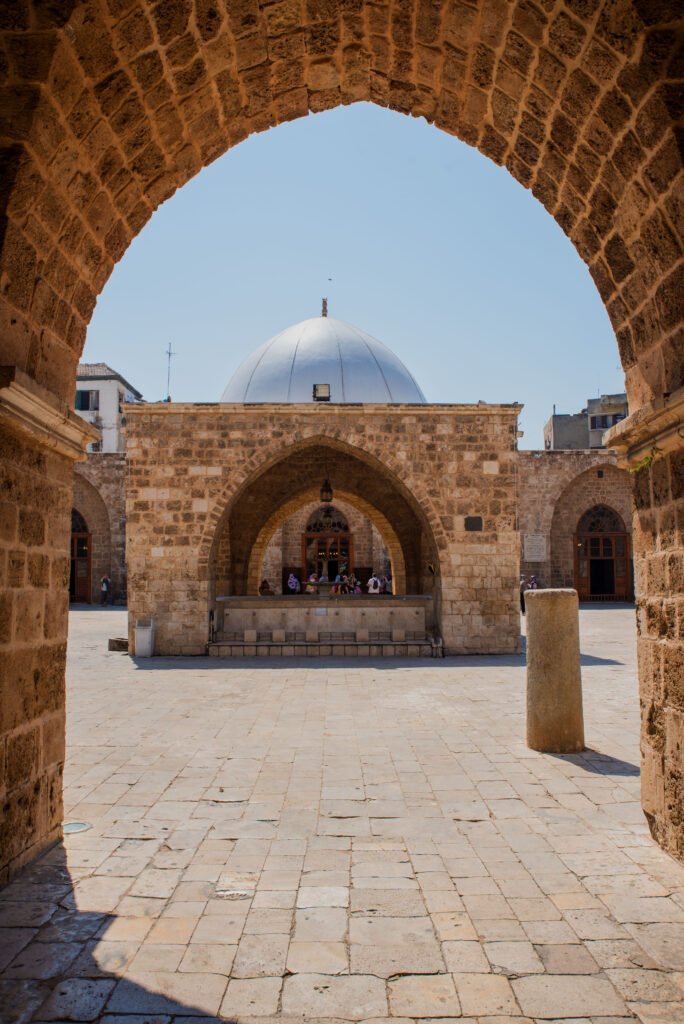
Tripoli is home to several historic churches and cultural landmarks that reflect the spiritual and historical traditions of Arcadia. Greek Orthodox churches throughout the city showcase beautiful architecture, religious artwork, and centuries of local faith and community life.
Visitors can explore peaceful church courtyards, traditional bell towers, and decorative interiors filled with icons and Byzantine artistic influence. These religious sites continue to play an important role in local festivals, celebrations, and everyday cultural traditions.
Tripoli’s historical development was influenced by both Ottoman and Greek periods, creating a city rich in historical layers and cultural identity. Museums and cultural centers preserve important artifacts, historical documents, and exhibits connected to the region’s revolutionary past and artistic traditions.
The city’s strong cultural roots and peaceful atmosphere offer travelers an authentic understanding of mainland Greek heritage beyond the famous coastal destinations.
🌳 4. Areos Square – The Social & Historical Landmark of the City

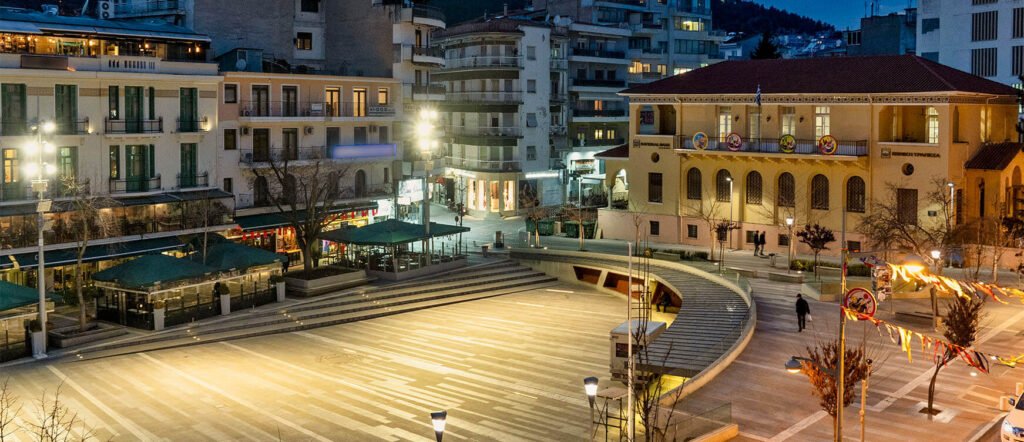
Areos Square is the most famous public square in Tripoli and serves as the social and cultural center of the city. Surrounded by cafés, restaurants, gardens, and historic buildings, the square creates a lively atmosphere where locals gather throughout the day and evening.
The square is named after the Greek god of war, Ares, and reflects the historical spirit and importance of Tripoli within the Peloponnese region. Visitors relaxing in the area can enjoy traditional Greek coffee, local cuisine, and views of the elegant architecture surrounding the square.
During festivals and national celebrations, Areos Square becomes an important gathering place filled with music, cultural events, and community activities. The peaceful environment and welcoming local atmosphere make it one of the best places for visitors to experience everyday life in Tripoli.
Its blend of history, culture, and modern city life makes Areos Square one of the most attractive landmarks in the city.
🌿 5. Arcadian Countryside – Traditional Villages & Rural Greek Beauty
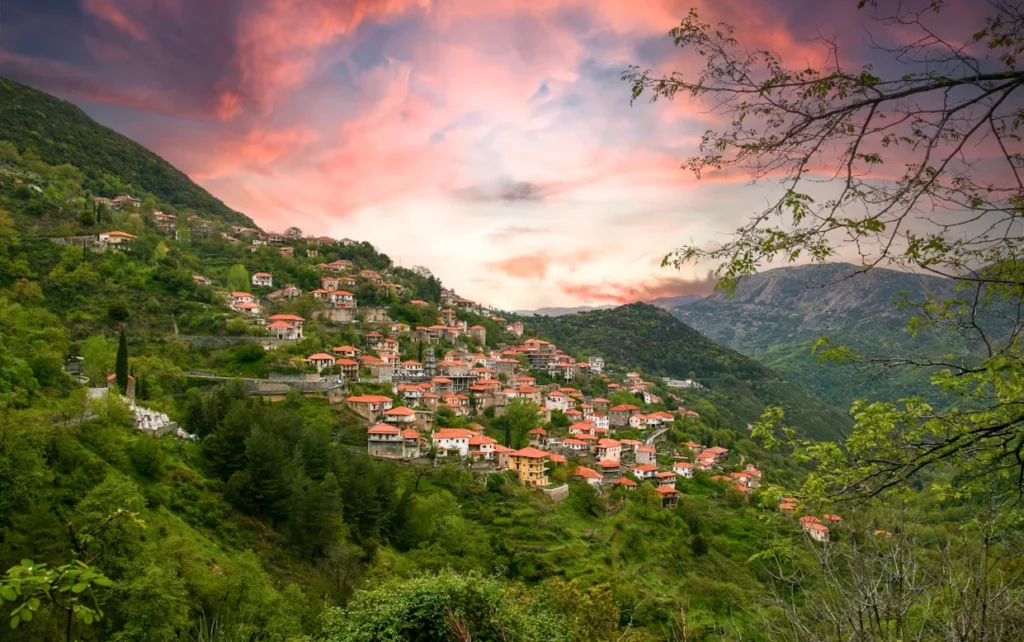
The countryside surrounding Tripoli is filled with olive groves, vineyards, rivers, forests, and traditional villages that preserve the timeless beauty of Arcadia. For centuries, Arcadia has been associated with peaceful rural life and natural harmony, becoming one of the most famous symbolic landscapes in Greek culture and literature.
Visitors traveling through the region can discover charming mountain villages with stone houses, narrow streets, and traditional tavernas serving homemade Greek dishes. Agricultural traditions remain an important part of daily life, with olive oil, wine, cheese, and local herbs contributing to the region’s culinary identity.
The calm rural atmosphere offers a relaxing contrast to modern city life and allows travelers to experience authentic Greek hospitality and countryside traditions. Scenic mountain roads and green valleys create unforgettable landscapes throughout every season.
The Arcadian countryside beautifully complements Tripoli’s historical and cultural attractions, making the region a perfect destination for travelers seeking both history and natural beauty.
Related artical : Top 5 place to visit in Alexandroupoli