
Now Reading: Top 5 place to visit in Farim
-
01
Top 5 place to visit in Farim

Top 5 place to visit in Farim
🌍 1. Farim – The Riverside Gateway of Northern Guinea-Bissau

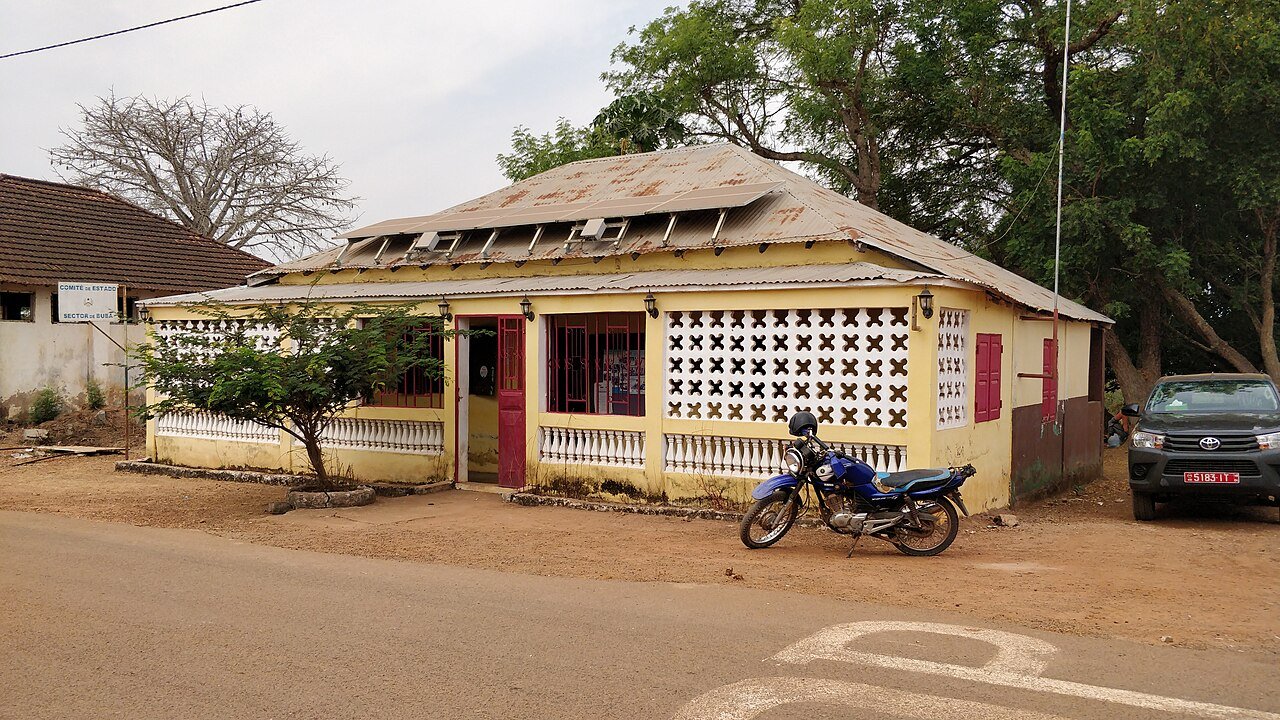
Farim is a peaceful riverside town located in northern Guinea-Bissau near the border with Senegal. Known for its strong connection to the Cacheu River system, Farim offers visitors beautiful river landscapes, traditional communities, and authentic rural experiences far from mass tourism.
The town has historically served as an important trading and transportation center because of its strategic location beside the river. Today, visitors can experience calm streets, traditional fishing activities, and the relaxed rhythm of life typical of northern Guinea-Bissau.
Surrounded by wetlands, rice fields, forests, and small villages, Farim provides travelers with a chance to discover the quieter and more natural side of West Africa. The combination of riverside scenery and traditional culture creates a peaceful atmosphere perfect for eco-tourism and cultural exploration.
Farim remains one of the hidden treasures of Guinea-Bissau’s northern region.
🌊 2. Cacheu River Boat Journeys – Explore the Waterways of Farim

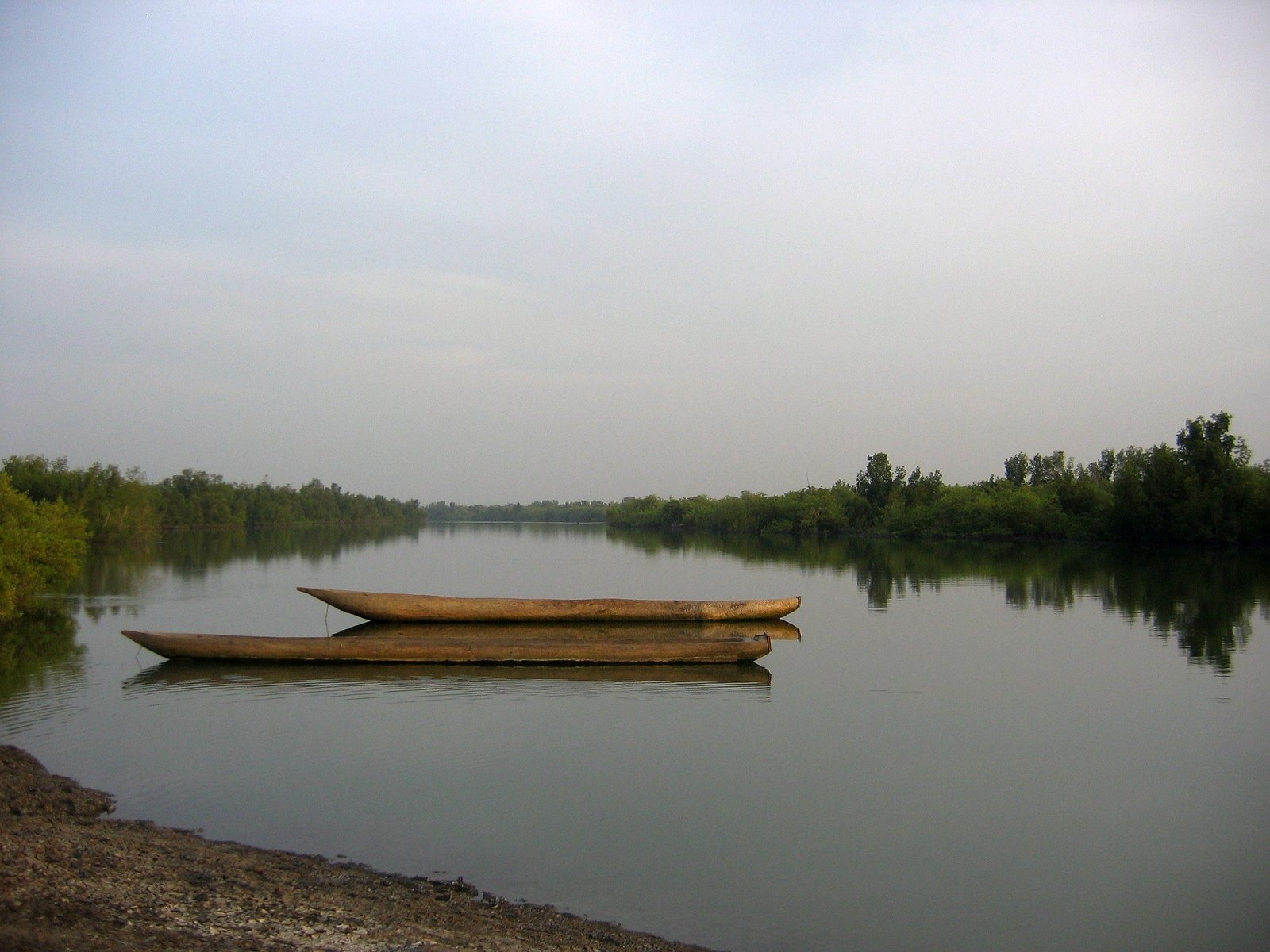
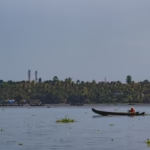
One of the most popular experiences in Farim is exploring the beautiful Cacheu River and its surrounding waterways. Traditional wooden boats travel through calm river channels lined with mangroves, wetlands, and tropical vegetation.
Boat journeys allow visitors to observe fishing villages, riverside farming communities, and daily life connected to the river. Local fishermen can often be seen casting nets or transporting goods along the waterways using handmade boats.
The peaceful river scenery becomes especially beautiful during sunrise and sunset when the sky reflects across the calm water and birds fly above the wetlands.
For photographers and nature lovers, the Cacheu River provides one of the most relaxing and scenic environments in Guinea-Bissau.
🌾 3. Farim Rice Plains – Agricultural Landscapes of the North

The fertile plains surrounding Farim are famous for rice cultivation and traditional farming activities that support many local communities. During the rainy season, the landscape transforms into vast green rice fields stretching across the countryside.
Visitors traveling through these agricultural regions can observe farmers working in flooded paddies using techniques passed down through generations. Palm trees, narrow dirt roads, and traditional villages create peaceful rural scenery throughout the area.
The agricultural environment of Farim highlights the importance of farming within Guinea-Bissau’s economy and cultural identity. Many families continue to live closely connected to the rhythms of nature and seasonal harvests.
The rice plains around Farim offer travelers authentic views of rural life in West Africa.
🦜 4. Wetlands & Birdwatching Areas

The wetlands surrounding Farim are home to many species of tropical birds and wildlife, making the region an excellent destination for birdwatching and eco-tourism.
Migratory birds, water birds, and colorful African species can often be seen near rivers, marshlands, and mangrove ecosystems throughout the area. Nature lovers visiting Farim enjoy the peaceful atmosphere and untouched environments that remain largely unaffected by modern tourism.
The wetlands also play an important ecological role by supporting fish populations and protecting river ecosystems.
Exploring these natural habitats allows travelers to experience the biodiversity and environmental beauty of northern Guinea-Bissau.
🏺 5. Fulani & Mandinka Villages – Cultural Traditions & Rural Heritage

The region around Farim is home to Fulani and Mandinka communities known for their strong cultural traditions, hospitality, and rural lifestyles.
Visitors can explore villages where traditional homes, cattle herding, farming, and oral storytelling remain important parts of daily life. Fulani pastoral culture, colorful traditional clothing, and centuries-old customs continue to shape the identity of the region.
Traditional ceremonies, local crafts, and community gatherings provide travelers with opportunities to experience authentic West African village culture.
The warmth and friendliness of local communities make cultural visits around Farim especially memorable for visitors interested in heritage tourism.
The combination of rivers, wetlands, rice plains, wildlife, and traditional villages makes Farim one of the most naturally peaceful and culturally rich destinations in Guinea-Bissau.
Related artical : Top 5 place to visit in Catió