
Now Reading: Top 5 place to visit in Kamarang
-
01
Top 5 place to visit in Kamarang
Top 5 place to visit in Kamarang
🌄 1. Pakaraima Mountain Region – Majestic Interior Landscapes

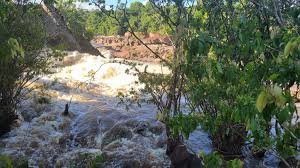
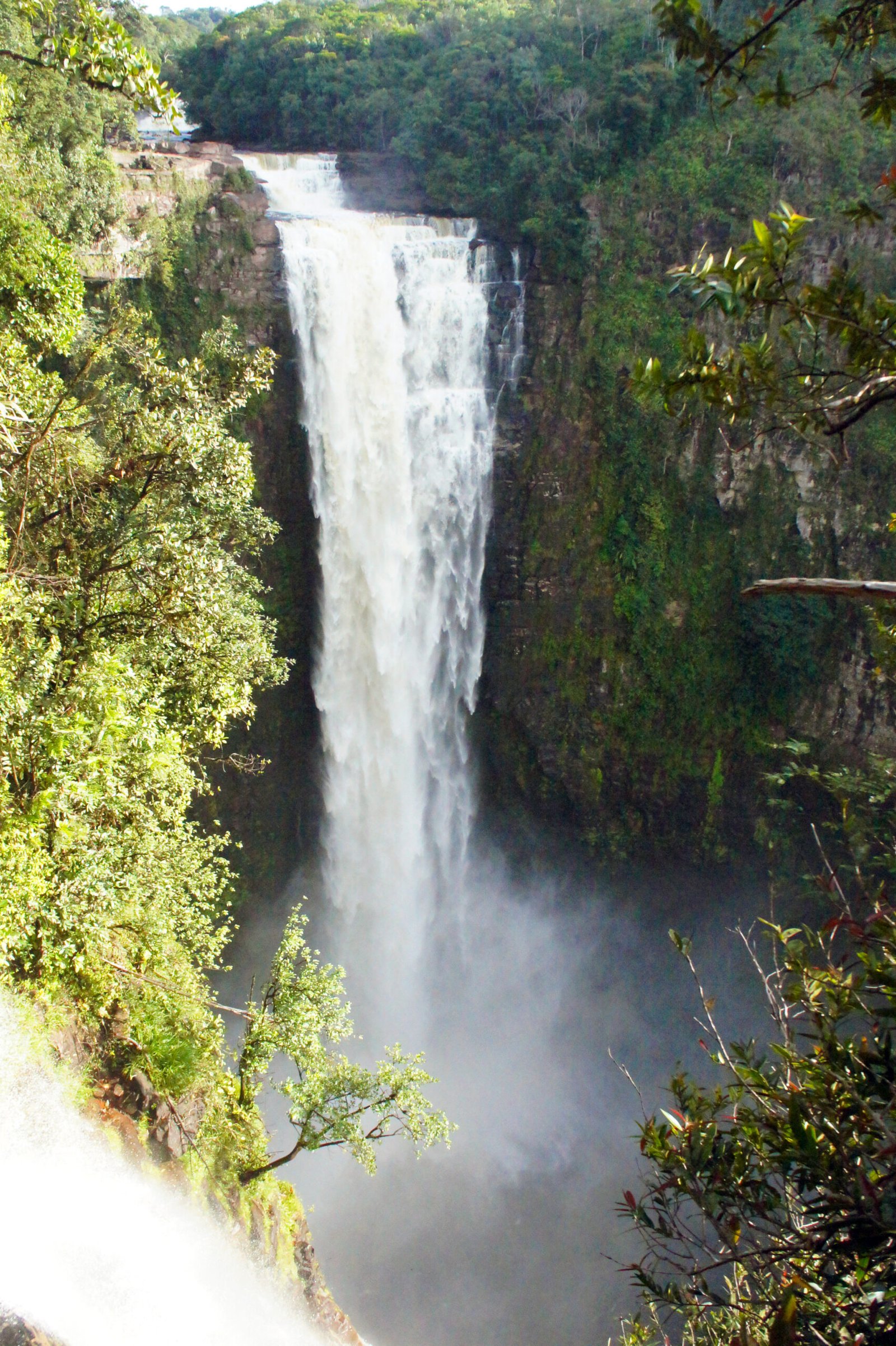
The Pakaraima Mountain region surrounding Kamarang is one of the most dramatic natural landscapes in Guyana. Rolling mountains, rocky hills, mist-covered valleys, and dense rainforest stretch endlessly across the horizon.
These ancient mountains are part of one of South America’s oldest geological formations and create breathtaking scenery filled with waterfalls, rivers, and untouched wilderness.
Travelers exploring the region can experience:
- Towering mountain ridges
- Dense tropical forests
- Cool highland breezes
- Stunning panoramic viewpoints
The mountain landscapes become especially beautiful during sunrise and sunset when clouds drift across the hills and golden light spreads over the rainforest canopy.
The Pakaraima region perfectly captures the raw and powerful beauty of Guyana’s interior wilderness.
🪙 2. Gold Mining Areas – The Frontier Spirit of Kamarang

Kamarang is widely known as an important gold mining region where miners work deep within the forests searching for valuable mineral deposits.
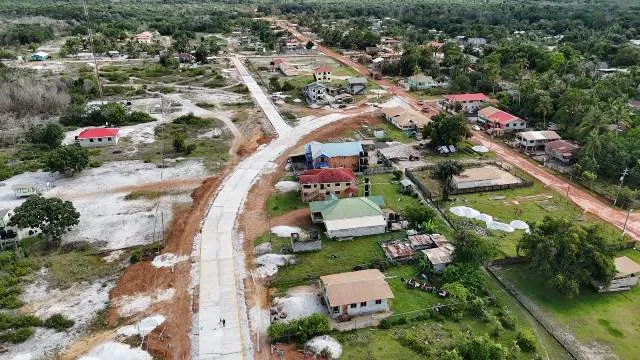
Mining has shaped the local economy and culture for decades, creating a rugged frontier atmosphere throughout the area. Dirt roads, mining camps, machinery, and supply aircraft are common sights in the region.
The mining industry also highlights the challenges of life in Guyana’s remote interior, where transportation and survival depend heavily on rivers, airstrips, and off-road travel.
Visitors exploring mining areas around Kamarang gain insight into:
- Interior mining culture
- Remote industrial settlements
- The economic importance of gold mining
- Life in isolated rainforest communities
The contrast between mining operations and untouched wilderness creates a fascinating and unique environment.
🌳 3. Rainforest & Wildlife – Untouched Tropical Nature

The rainforest surrounding Kamarang remains one of the least explored and most pristine natural regions in Guyana. Thick jungle vegetation covers the landscape, creating habitats for countless tropical species.
The forests are home to:
- Exotic birds and parrots
- Monkeys and forest mammals
- Colorful butterflies and insects
- Rare tropical plants and giant trees
Walking through the rainforest offers visitors a true jungle adventure where the sounds of wildlife and flowing rivers dominate the environment.
Because the region receives very few tourists, the forests around Kamarang still feel wild, isolated, and untouched by modern development.
The rainforest also plays a vital ecological role within the larger Amazonian ecosystem that extends across northern South America.
🛶 4. Indigenous Akawaio Communities – Traditional Interior Culture

The Kamarang region is home to Indigenous Akawaio communities who have lived in the mountains and forests of western Guyana for centuries.
These communities maintain strong cultural traditions connected to:
- Nature and forest survival
- Traditional farming and fishing
- Indigenous crafts and storytelling
- Spiritual connections to rivers and mountains
Visitors learning about local Indigenous culture gain a deeper understanding of how people have adapted to life in Guyana’s interior long before modern mining and transportation arrived.
Traditional wooden homes, cassava farming, river travel, and close community relationships remain important parts of everyday life.
The Indigenous heritage of Kamarang adds cultural richness and historical depth to the region’s natural beauty.
✈️ 5. Remote Airstrips & Frontier Travel – Adventure in the Interior

One of the most fascinating aspects of Kamarang is its extreme remoteness. Because road access is limited and difficult, small aircraft play a major role in transportation throughout the region.
The local airstrip connects Kamarang with Georgetown and other mining settlements, making aviation essential for moving people, supplies, and equipment into the interior.
Watching small planes land surrounded by mountains and rainforest highlights the isolation and adventurous nature of life in western Guyana.
Travel in the region often involves:
- Small aircraft flights
- River crossings
- Off-road vehicles and dirt trails
- Remote jungle travel
This frontier style of transportation adds excitement and uniqueness to any visit to Kamarang.
The remoteness of the region is part of what makes it so unforgettable for adventurous travelers.
Related artical : Top 5 place to visit in Ituni