
Now Reading: Top 5 place to visit in Petit-Goâve
-
01
Top 5 place to visit in Petit-Goâve
Top 5 place to visit in Petit-Goâve
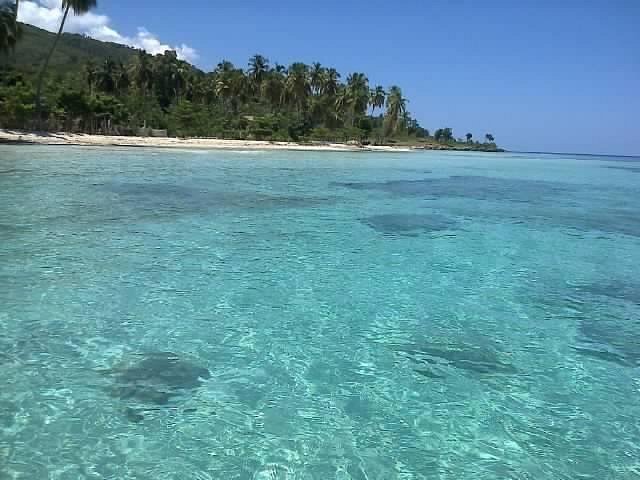
🌊 1. Petit-Goâve Coastline – Caribbean Beauty & Relaxing Seaside Views

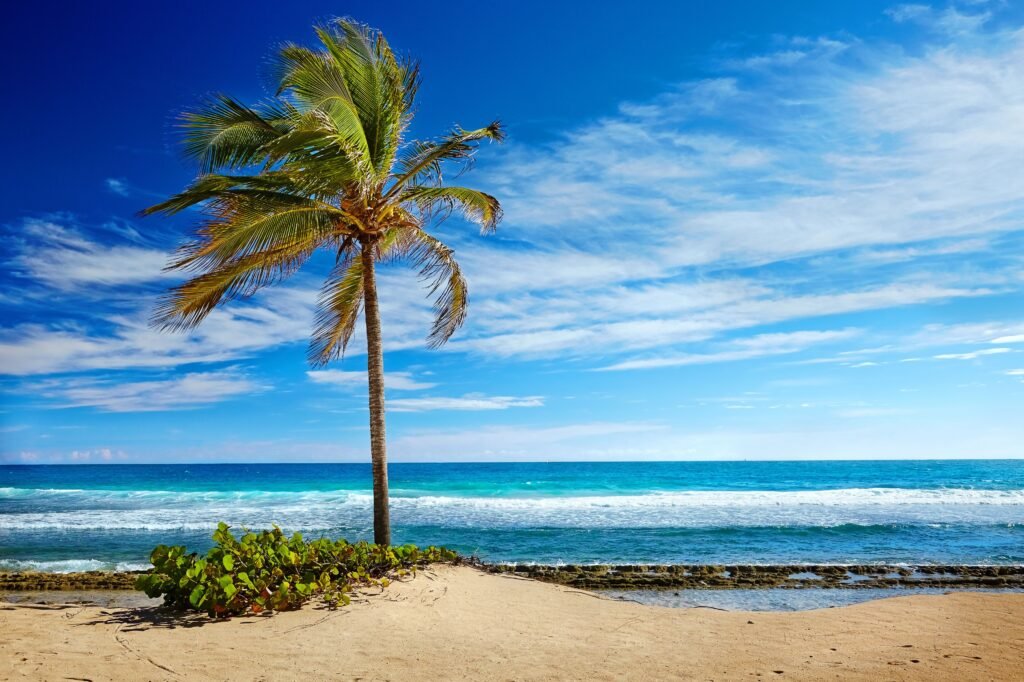
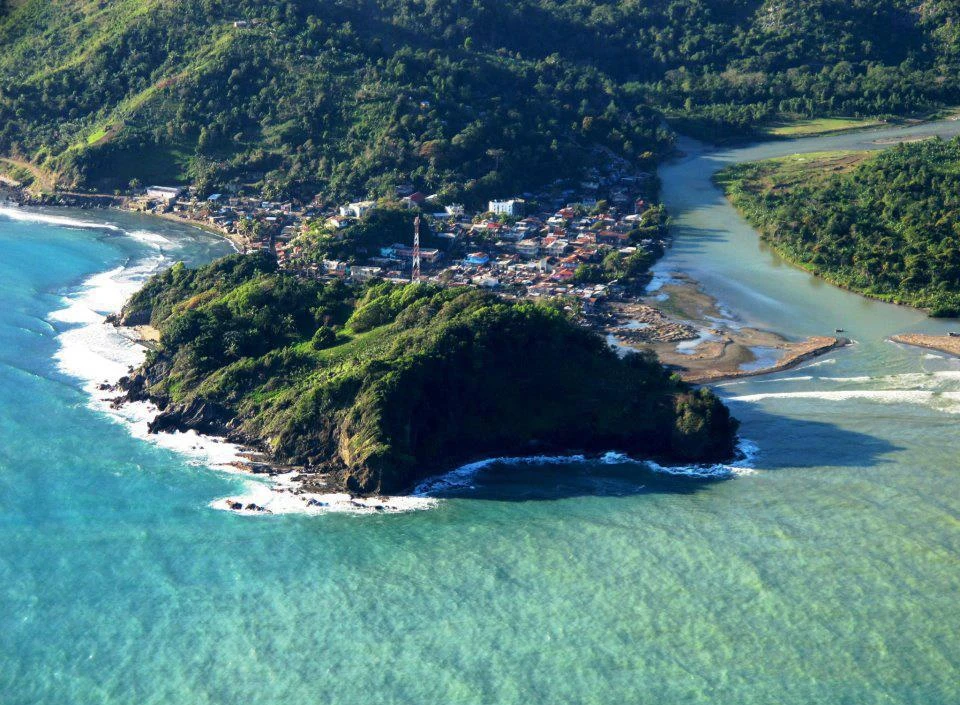
The coastline of Petit-Goâve is one of the city’s most attractive natural features, offering visitors peaceful Caribbean scenery, tropical breezes, and beautiful ocean views along Haiti’s southern coast. Located between Port-au-Prince and the southern peninsula, Petit-Goâve has long been connected to the sea through fishing, trade, and transportation, giving the city a strong maritime identity that continues today.
The coastal area is lined with small beaches, fishing boats, palm trees, and lively waterfront communities where local residents carry out daily activities connected closely to the Caribbean Sea. Early mornings are especially scenic as fishermen prepare nets and boats before heading out onto calm waters beneath the rising tropical sun. The coastline becomes even more breathtaking during sunset when golden and orange colors spread across the ocean while cool evening breezes create a relaxing atmosphere.
Visitors can enjoy peaceful walks beside the sea, photography, and opportunities to observe traditional fishing life that remains an important part of the local economy. Fresh seafood is commonly prepared in small local restaurants where fish, lobster, rice dishes, fried plantains, and Haitian spices create authentic Caribbean flavors.
The relaxed atmosphere of Petit-Goâve’s coastline provides travelers with a calm and authentic coastal experience far from crowded tourist destinations while showcasing the natural beauty of Haiti’s Caribbean shores.
⛪ 2. Historic Churches & Colonial Heritage – Petit-Goâve’s Historical Identity

Petit-Goâve possesses a long colonial history that remains visible through its historic churches, older buildings, and traditional urban atmosphere. Founded during the French colonial era, the city once served as an important commercial center connected to agriculture, trade, and maritime activity along Haiti’s southern coast.
The churches of Petit-Goâve continue to serve as important religious and cultural landmarks for local communities. Their architecture reflects a blend of Caribbean simplicity and European colonial influence, with elegant facades, large windows, and peaceful interiors that provide calm spiritual spaces within the lively city environment.
Walking through the older parts of Petit-Goâve allows visitors to observe colorful homes, narrow streets, local plazas, and remnants of colonial-era architecture that preserve much of the city’s historical character. Public spaces often become gathering places where markets, celebrations, and community events bring residents together throughout the year.
Religion remains deeply connected to local culture in Petit-Goâve. Christian ceremonies, festivals, and traditional celebrations continue to play major roles in community life, reflecting the spiritual traditions that shape Haitian society.
Exploring the city’s historical and religious sites provides travelers with a deeper understanding of Petit-Goâve’s cultural heritage and its importance within Haiti’s historical development.
🎨 3. Local Markets & Street Culture – The Energy of Everyday Haitian Life

The local markets and busy streets of Petit-Goâve offer visitors an authentic experience of Haitian culture, community life, and daily traditions. Markets are central to the city’s economy and social atmosphere, bringing together farmers, fishermen, artisans, and merchants from surrounding communities.
Colorful stalls are filled with tropical fruits, vegetables, seafood, spices, handmade crafts, clothing, and traditional Haitian foods prepared using local ingredients and recipes passed down through generations. The atmosphere is lively and energetic, with music, conversation, and street activity creating a vibrant Caribbean environment throughout the city.
Food plays a major role in local culture. Visitors can enjoy traditional Haitian dishes such as rice and beans, griot, fried plantains, cassava bread, fresh fish, spicy sauces, and tropical fruit drinks served by small restaurants and street vendors.
Music and artistic expression are also deeply woven into daily life in Petit-Goâve. Festivals, religious celebrations, and neighborhood gatherings often include drumming, singing, and dancing that reflect Haiti’s African and Caribbean cultural heritage.
Walking through the streets and markets allows travelers to connect with the warmth, resilience, and creativity of the local population while experiencing authentic Haitian urban life.
🌄 4. Mountain Landscapes & Rural Countryside – Natural Beauty Beyond the Coast

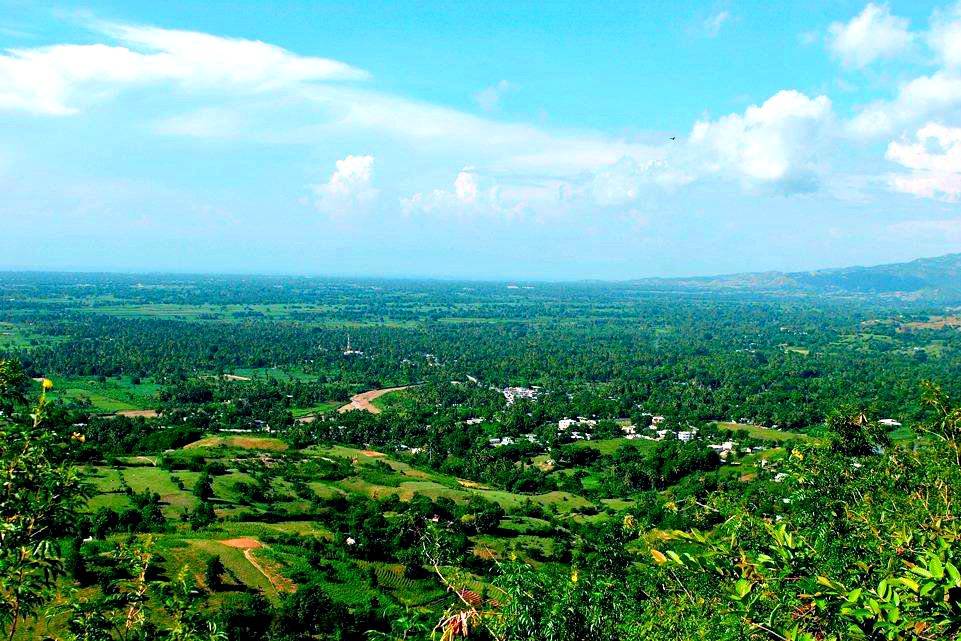
Beyond its coastline, Petit-Goâve is surrounded by beautiful mountain landscapes and rural countryside that showcase the natural diversity of southern Haiti. Rolling hills, rivers, tropical forests, and agricultural valleys create scenic environments where traditional farming communities continue lifestyles closely connected to the land.
The fertile countryside supports agriculture throughout the region, with local families cultivating bananas, cassava, sugar cane, coffee, corn, and tropical fruits using methods passed down through generations. Small villages scattered across the hills preserve strong family traditions, local customs, and close community relationships.
Travelers exploring the roads surrounding Petit-Goâve can enjoy breathtaking panoramic views of mountains, valleys, forests, and distant Caribbean coastline. During the rainy season, the landscapes become especially green and vibrant, creating beautiful scenery ideal for photography and eco-tourism.
Nature lovers often appreciate the peaceful atmosphere of the countryside where cool mountain breezes and open landscapes provide a refreshing contrast to the busy coastal areas. Hiking opportunities and scenic drives through the hills allow visitors to discover another side of Haiti’s natural beauty.
The mountain landscapes surrounding Petit-Goâve add depth and diversity to the region while highlighting the strong relationship between local communities and nature.
🏞️ 5. Nearby Rivers & Natural Areas – Peaceful Tropical Escapes

The region around Petit-Goâve contains several rivers, natural swimming areas, and tropical landscapes that provide peaceful escapes into nature. Flowing rivers from the nearby mountains support agriculture and local communities while also creating refreshing environments where residents gather for relaxation, washing, and recreation.
These natural areas are surrounded by tropical vegetation, palm trees, rocky riverbanks, and forest scenery that remain largely untouched by heavy tourism. Visitors exploring the region can enjoy the sounds of flowing water, tropical birds, and cool breezes while experiencing the calm beauty of Haiti’s southern landscapes.
Many local families spend weekends and holidays near rivers and natural pools, making these areas important social spaces within the community. Traditional rural lifestyles remain strongly connected to these natural water sources that support both agriculture and daily life.
The peaceful atmosphere of Petit-Goâve’s natural surroundings offers travelers opportunities for relaxation, photography, eco-tourism, and cultural exploration away from busy urban centers. These hidden natural landscapes demonstrate the environmental beauty and diversity that exist throughout Haiti beyond its better-known destinations.
Related artical : Top 5 place to visit in Port-de-Paix