Now Reading: Top 5 place to visit in Léogâne
-
01
Top 5 place to visit in Léogâne
Top 5 place to visit in Léogâne
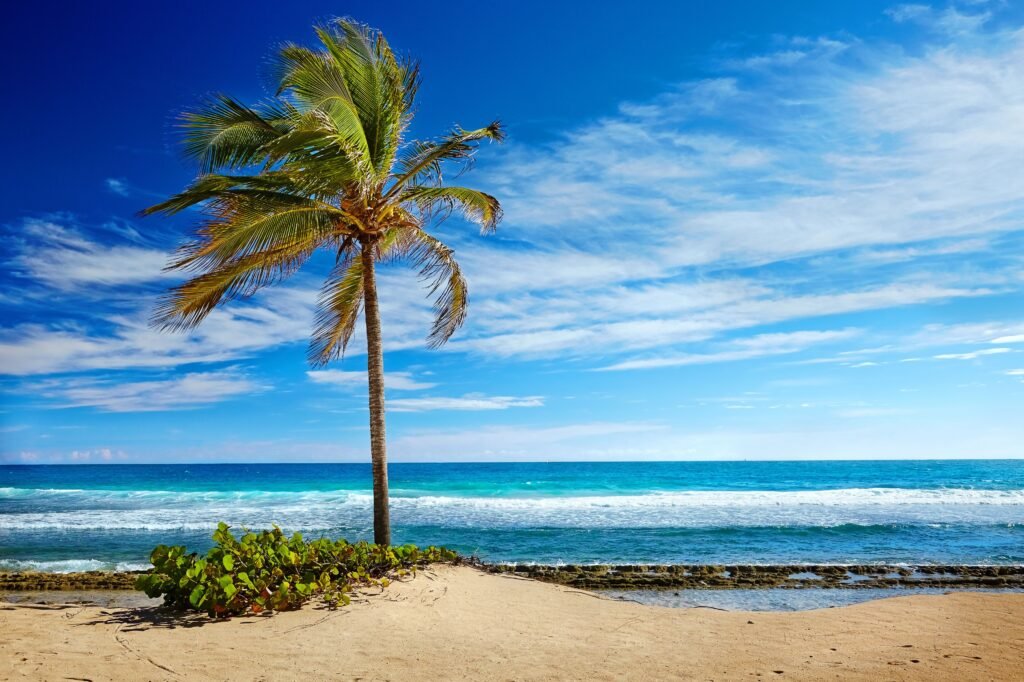
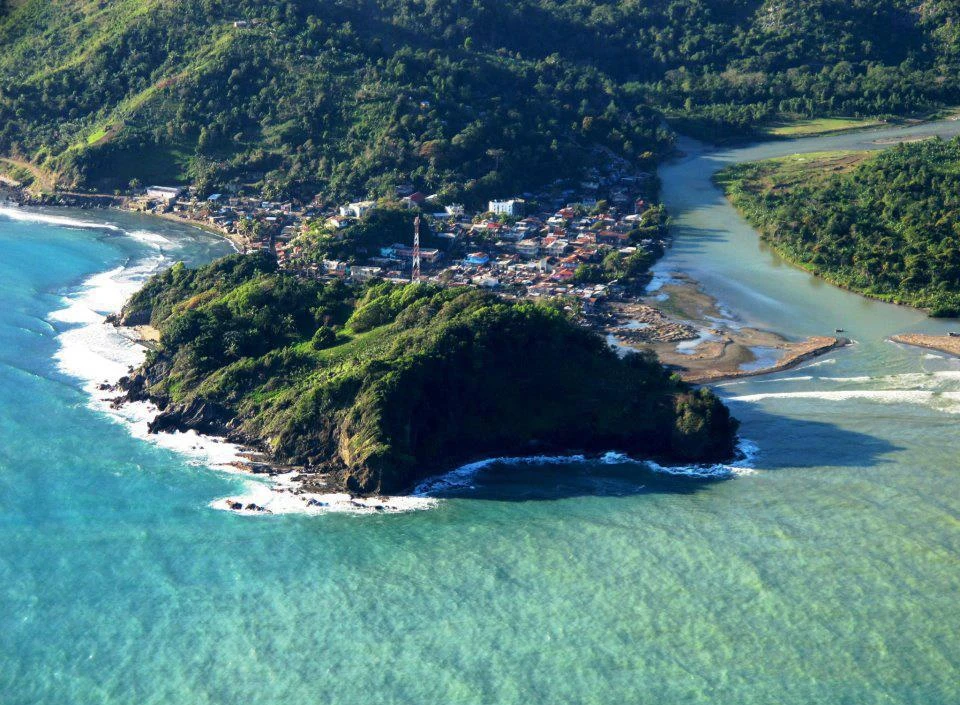
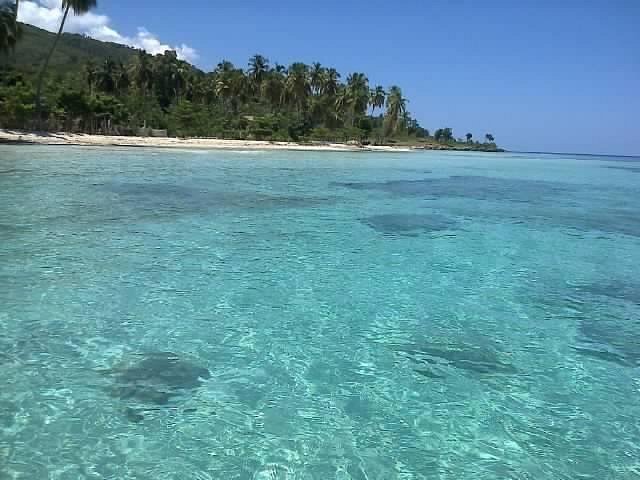
🌊 1. Léogâne Coastline – Peaceful Caribbean Beaches & Tropical Views

The coastline near Léogâne offers beautiful Caribbean scenery, warm tropical weather, and peaceful beach environments that reflect the natural charm of Haiti’s western coast. Located southwest of Port-au-Prince, Léogâne has long been connected to the sea through fishing, agriculture, and coastal trade, giving the region a strong Caribbean identity shaped by nature and local traditions.
The beaches surrounding Léogâne feature soft sand, coconut palms, calm ocean waters, and small fishing communities where daily life remains closely connected to the Caribbean Sea. Visitors can enjoy relaxing walks along the shoreline, swimming in warm waters, and observing local fishermen preparing wooden boats and nets before sunrise.
The coastal atmosphere becomes especially beautiful during sunset when golden and orange light spreads across the sea while cool breezes create a calm and peaceful environment. Small beachside restaurants often serve freshly prepared seafood, rice dishes, fried plantains, and traditional Haitian meals flavored with local Caribbean spices.
Unlike heavily developed tourist resorts found elsewhere in the Caribbean, the coastline near Léogâne maintains a more authentic and traditional atmosphere where visitors can experience genuine Haitian coastal culture and natural beauty. The peaceful environment and scenic ocean views make the region an ideal destination for relaxation and cultural exploration.
⛪ 2. Historic Churches & Colonial Heritage – The Historical Heart of Léogâne

Léogâne is one of Haiti’s oldest settlements and possesses a rich historical and cultural heritage dating back to the colonial era. The city played an important role during French colonial rule and later became significant in Haiti’s social, agricultural, and religious development.
Historic churches throughout Léogâne remain major landmarks and spiritual centers for local residents. Their architecture reflects a blend of European colonial influence and Caribbean simplicity, featuring large arches, traditional facades, and peaceful interiors where religious ceremonies and community gatherings continue to take place.
Walking through older sections of the city allows visitors to observe colorful streets, colonial-era buildings, public squares, and local markets that preserve much of Léogâne’s historical atmosphere. The city’s older neighborhoods reflect generations of cultural development shaped by African, French, and Caribbean influences.
Religion continues to play a major role in daily life throughout Léogâne. Christian celebrations, religious processions, festivals, and community ceremonies regularly bring residents together through music, prayer, and cultural traditions.
The historical and spiritual heritage of Léogâne provides travelers with deeper insight into Haiti’s complex cultural identity and the resilience of communities that continue preserving local traditions despite historical challenges.
🎭 3. Rara Festival Culture – The Musical Soul of Léogâne

Léogâne is widely recognized as one of the cultural capitals of Haiti and is especially famous for its vibrant Rara festival traditions. Rara is a unique Haitian musical celebration that combines African heritage, spiritual traditions, community gatherings, dance, and street performances into one of the country’s most important cultural expressions.
During the Rara season, streets throughout Léogâne become filled with music, colorful costumes, bamboo trumpets, drums, singing, and dancing as groups move through neighborhoods performing traditional rhythms and ceremonial processions. These celebrations are deeply connected to Haitian spirituality, history, and community identity.
The energy and creativity of the Rara festivals attract visitors from across Haiti and beyond. Local musicians and performers preserve traditions passed down through generations while continuing to adapt and expand the cultural art form. Even outside festival periods, music remains central to everyday life in Léogâne, with local gatherings often featuring drumming, singing, and storytelling.
Rara reflects the strong African cultural influence that continues shaping Haitian identity today. Visitors experiencing these traditions gain a deeper understanding of Haiti’s artistic creativity, resilience, and spiritual heritage.
The cultural richness of Léogâne makes it one of the most fascinating destinations for travelers interested in authentic Haitian music and traditional celebrations.
🌄 4. Rural Countryside & Agricultural Landscapes – The Fertile Plains of Léogâne

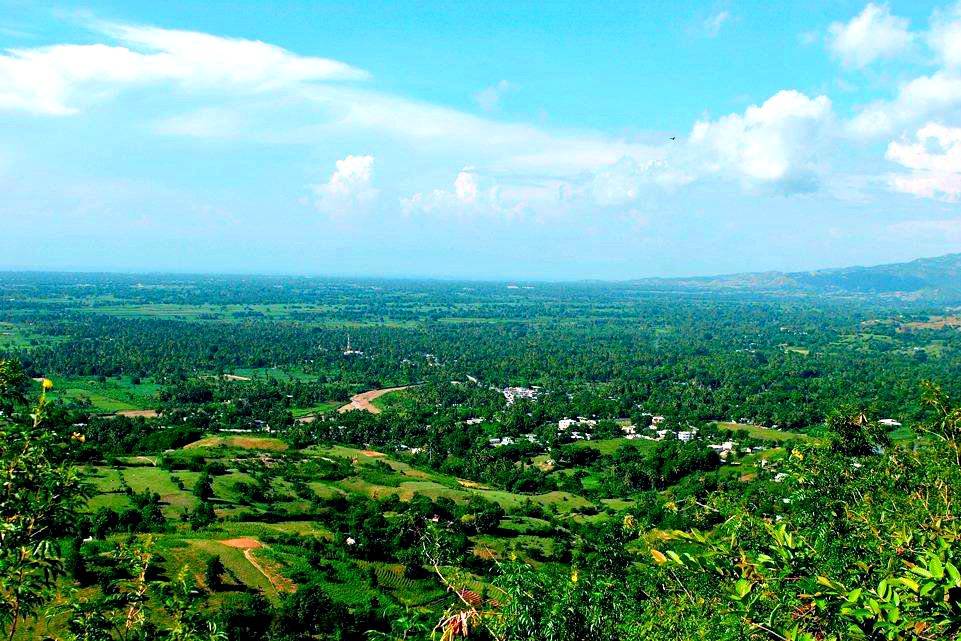
The region surrounding Léogâne is known for its fertile agricultural plains, green countryside, and scenic mountain views that create some of the most productive farming landscapes in western Haiti. Agriculture has supported local communities for centuries and remains central to the region’s economy and daily life.
Farmers throughout the area cultivate sugar cane, bananas, corn, cassava, rice, vegetables, and tropical fruits using traditional farming methods adapted to the fertile land and tropical climate. Rural villages scattered across the plains preserve strong community traditions and lifestyles closely connected to agriculture and nature.
Travelers exploring the countryside near Léogâne can enjoy panoramic views of green fields, distant mountains, rivers, and palm-lined roads stretching across the landscape. During the rainy season, the region becomes especially lush and vibrant, creating breathtaking natural scenery throughout the plains.
The slower pace of rural life allows visitors to experience another side of Haiti beyond crowded urban centers. Local markets, farming communities, and peaceful landscapes provide opportunities for cultural exchange and eco-tourism experiences connected to traditional Haitian life.
The agricultural beauty of the Léogâne region demonstrates the importance of the land in shaping local culture, economy, and identity.
🏞️ 5. Rivers & Natural Landscapes – Tropical Beauty Beyond the City

The natural landscapes surrounding Léogâne include rivers, tropical vegetation, mountain foothills, and peaceful outdoor environments that showcase the environmental diversity of western Haiti. Rivers flowing from nearby mountains support agriculture and create refreshing natural areas where local communities gather for recreation and relaxation.
The region’s rivers and natural spaces are often surrounded by lush greenery, rocky landscapes, and tropical forests filled with birds and native plants. Visitors can enjoy peaceful walks, photography, and opportunities to experience Haiti’s quieter natural beauty away from busy city life.
During weekends and holidays, many local families visit riverside areas for social gatherings, meals, and relaxation beneath the tropical climate. These natural environments remain important parts of community life and cultural tradition throughout the region.
The surrounding mountain foothills also offer scenic viewpoints overlooking the plains, coastline, and Caribbean Sea in the distance. Cool breezes and open landscapes create ideal conditions for eco-tourism and exploration.
The combination of rivers, farmland, tropical forests, and mountain scenery gives Léogâne a unique balance of cultural richness and natural beauty, making it one of Haiti’s most authentic and diverse destinations.
Related artical : Top 5 place to visit in Petit-Goâve