
Now Reading: Top 5 place to visit in Limbé
-
01
Top 5 place to visit in Limbé
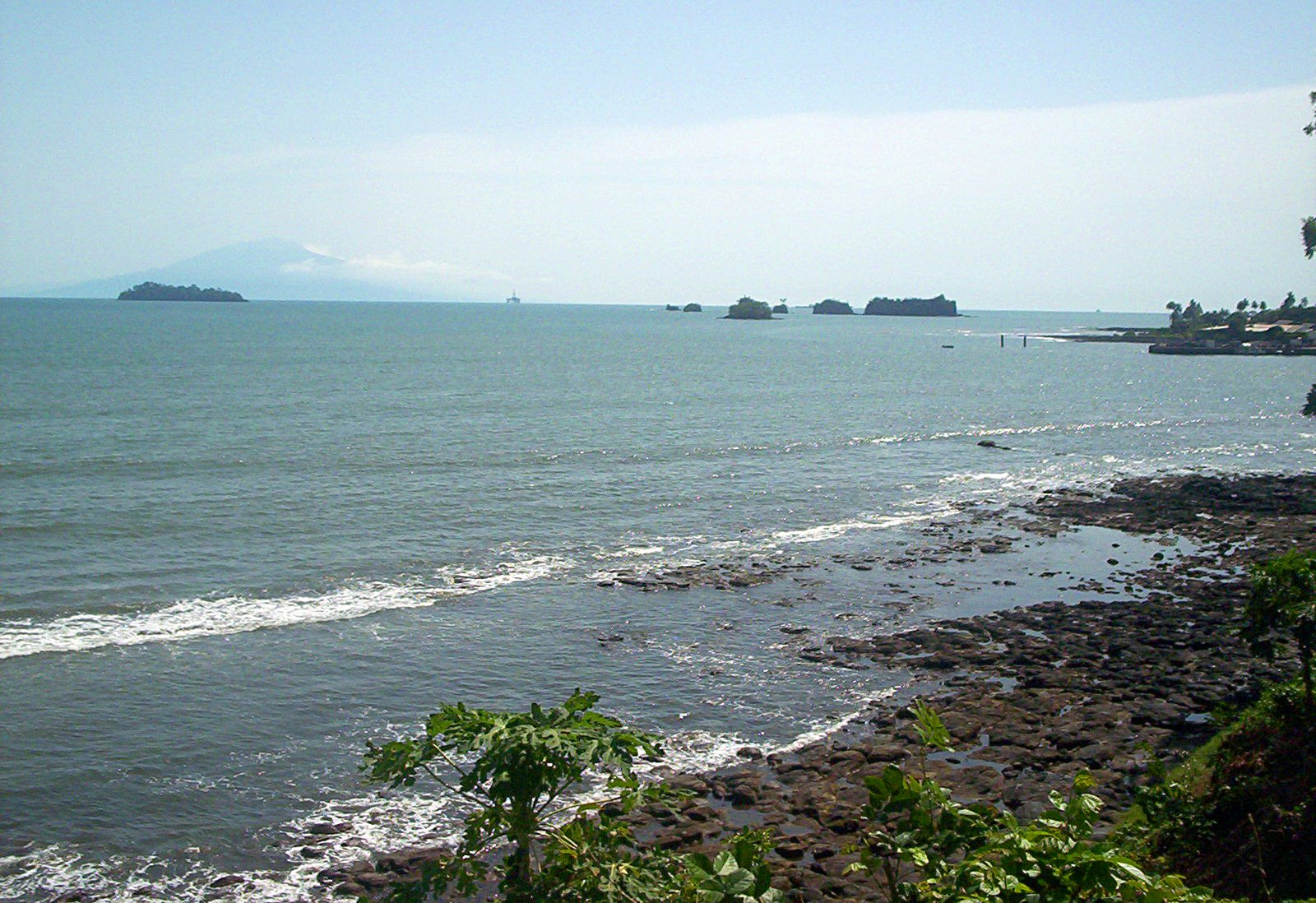
Top 5 place to visit in Limbé
🌄 1. Limbé Valley – Green Mountains & Scenic Countryside

Limbé is one of northern Haiti’s most naturally beautiful towns, surrounded by fertile valleys, rolling green mountains, rivers, and tropical countryside that create peaceful and breathtaking scenery throughout the region. Located inland from Haiti’s northern coast, Limbé enjoys a cooler and greener environment compared to many coastal cities, making it an important agricultural and cultural center in the north.
The valley surrounding Limbé is known for its rich farmland where local communities cultivate bananas, coffee, sugar cane, corn, cacao, cassava, and tropical fruits using traditional agricultural methods passed down through generations. The fertile soil and tropical climate support lush vegetation that transforms the countryside into a vibrant green landscape during the rainy season.
Travelers exploring the roads and hills around Limbé can enjoy panoramic views of mountains, forests, rivers, and scattered rural villages where traditional Haitian lifestyles remain closely connected to nature and farming. Morning mist often covers the hillsides, creating beautiful scenery that feels peaceful and untouched.
The slower pace of life in the countryside allows visitors to experience authentic rural Haiti while appreciating the natural beauty that defines the northern region. Hiking, photography, and eco-tourism opportunities make Limbé Valley one of the most rewarding natural destinations in northern Haiti.
The region’s combination of mountains, fertile valleys, and tropical vegetation gives Limbé a calm and refreshing atmosphere unlike many urban areas of the country.
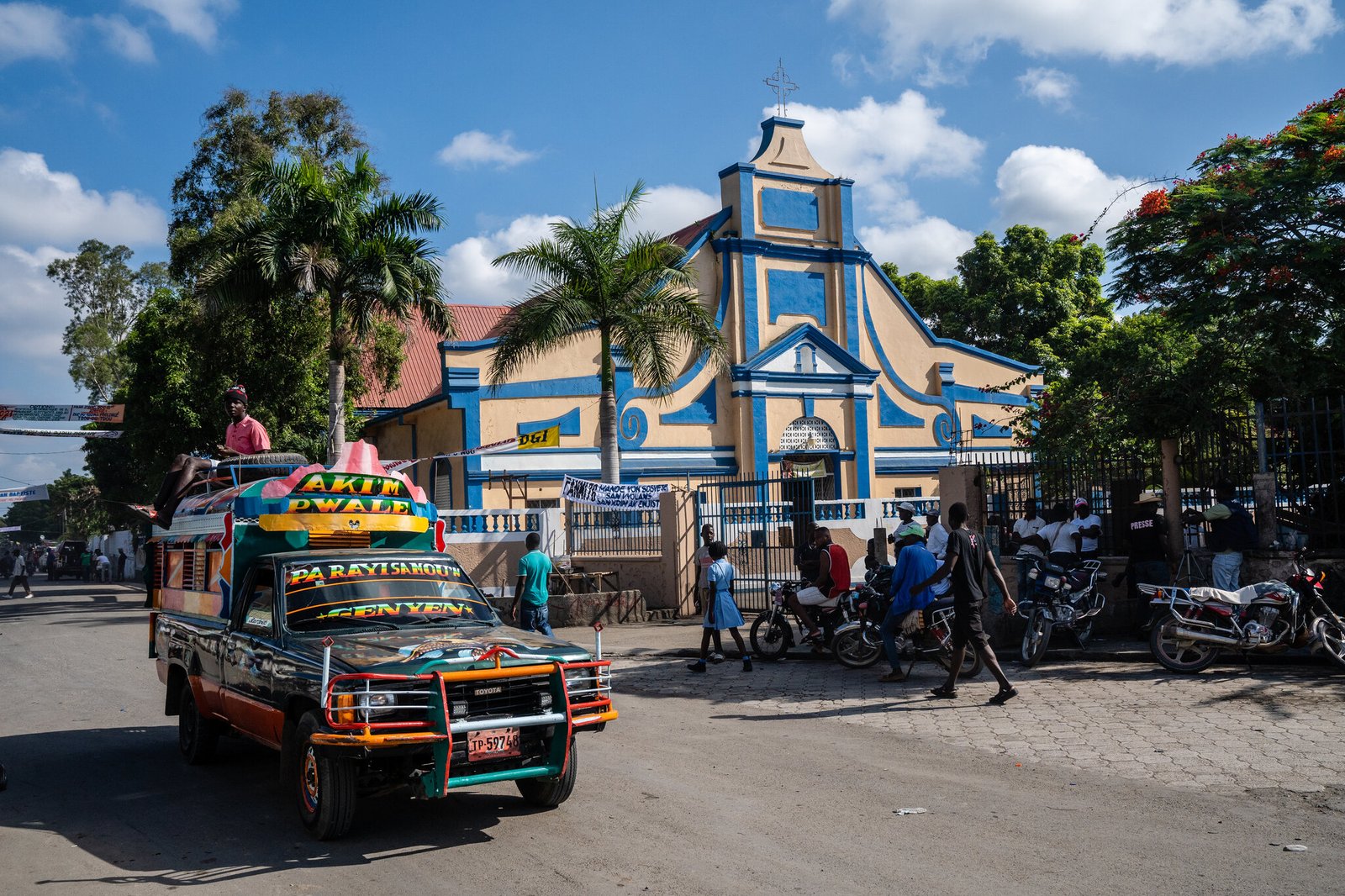
⛪ 2. Historic Churches & Colonial Architecture – The Historical Heart of Limbé

Limbé possesses a rich colonial history reflected through its churches, public buildings, and traditional streets that preserve much of the town’s historical atmosphere. Founded during the French colonial period, Limbé became an important agricultural and trading center connected to the development of northern Haiti.
Historic churches remain among the town’s most important landmarks and continue serving as spiritual and social centers for local residents. Their architecture reflects a blend of European colonial influence and Caribbean simplicity, featuring elegant facades, bell towers, and peaceful interiors where religious ceremonies and community celebrations regularly take place.
Walking through the older neighborhoods of Limbé allows visitors to observe colorful houses, local plazas, markets, and colonial-era structures that showcase generations of cultural influence shaped by African, French, and Caribbean traditions. Despite modernization, many parts of the town still maintain a historic and traditional atmosphere.
Religion continues playing a major role in community life throughout Limbé. Christian festivals, weddings, and cultural gatherings bring people together through music, prayer, and local customs deeply rooted in Haitian society.
The town’s historical landmarks and architecture provide visitors with valuable insight into Haiti’s colonial past and the resilience of communities that continue preserving their cultural heritage.
🌊 3. Nearby Rivers & Natural Springs – Refreshing Tropical Escapes
The region surrounding Limbé is blessed with rivers, freshwater springs, waterfalls, and tropical natural areas that create refreshing environments ideal for relaxation and exploration. Water flowing from nearby mountains supports both agriculture and local communities while also forming beautiful landscapes throughout the countryside.
These rivers and natural springs are often surrounded by dense tropical vegetation, rocky riverbanks, and peaceful forest scenery filled with birds and native plants. Local families frequently gather near these areas during weekends and holidays to swim, relax, and enjoy outdoor meals beneath the tropical climate.
Visitors exploring the natural areas near Limbé can experience cool mountain breezes, clear flowing water, and quiet surroundings far removed from busy urban life. Photography, eco-tourism, and hiking opportunities make these natural attractions especially appealing to travelers interested in Haiti’s environmental diversity.
During the rainy season, waterfalls and rivers become even more dramatic, creating powerful streams and lush green landscapes that highlight the beauty of northern Haiti’s tropical environment.
The rivers and springs around Limbé provide an important connection between local communities and nature while showcasing the peaceful side of Haiti’s countryside.
🎨 4. Local Markets & Haitian Community Life – Authentic Northern Culture

The markets and streets of Limbé offer visitors an authentic experience of northern Haitian culture, local traditions, and daily community life. Markets remain the heart of social and economic activity where farmers, artisans, and merchants from surrounding villages gather to buy and sell goods.
Colorful stalls display tropical fruits, vegetables, spices, coffee, handmade crafts, clothing, and traditional Haitian foods prepared using local ingredients and family recipes. The lively sounds of conversation, music, and market activity create a warm and energetic atmosphere throughout the town.
Food plays a major role in Limbé’s cultural identity. Traditional Haitian dishes such as rice and beans, griot, cassava bread, fried plantains, fresh fruit juices, and spicy sauces are commonly prepared in small local restaurants and street food stalls.
Music and storytelling are also deeply connected to community life. Festivals, religious ceremonies, and neighborhood celebrations often feature drumming, singing, and dancing influenced by Haiti’s African cultural heritage.
Walking through Limbé’s markets and neighborhoods allows travelers to experience the resilience, creativity, and hospitality that define Haitian society while gaining a deeper understanding of life in northern Haiti.
🏞️ 5. Northern Haiti’s Agricultural Landscapes – Fertile Land & Rural Traditions

Limbé is surrounded by some of the most fertile agricultural landscapes in northern Haiti, where farming continues to shape the economy, culture, and identity of local communities. The rich soil, abundant rainfall, and tropical climate support the cultivation of coffee, cacao, bananas, sugar cane, corn, cassava, and many other crops essential to the region.
Small rural villages scattered across the countryside preserve traditional farming lifestyles and close community relationships that have existed for generations. Farmers continue using local agricultural knowledge passed down through families while maintaining strong cultural connections to the land.
Travelers exploring the agricultural areas around Limbé can enjoy scenic drives through green valleys, mountain foothills, and farmland filled with tropical vegetation and panoramic natural views. Coffee plantations and fruit farms provide insight into the importance of agriculture in northern Haiti’s economy and daily life.
The peaceful rural atmosphere offers visitors opportunities to experience a quieter side of Haiti where nature, farming, and tradition remain closely connected. Birdsong, cool breezes, and open landscapes create relaxing environments ideal for photography and eco-tourism.
The agricultural beauty surrounding Limbé highlights the importance of the land in shaping the region’s culture, sustainability, and natural charm.
Related artical : Top 5 place to visit in Aquin