
Now Reading: Top 5 place to visit in Barsinghausen
-
01
Top 5 place to visit in Barsinghausen
Top 5 place to visit in Barsinghausen
🌲 1. Deister Hills – The Natural Heart of Barsinghausen

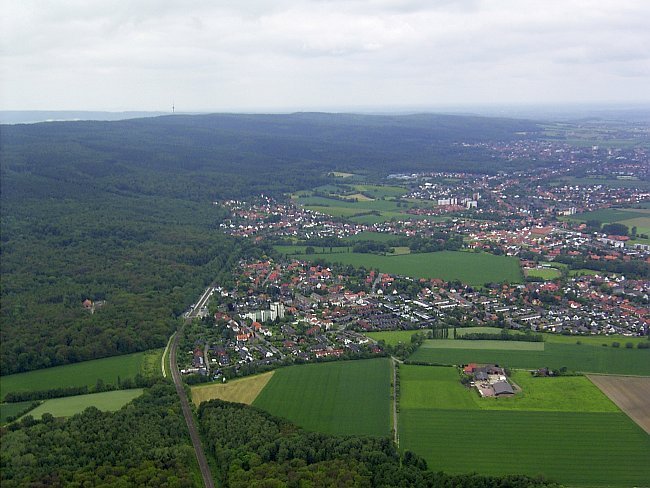
The Deister Hills are the greatest natural treasure of Barsinghausen and one of the most beautiful outdoor destinations in Lower Saxony. Located directly beside the town, this long forest-covered mountain range attracts hikers, cyclists, photographers, and nature lovers throughout the year. The Deister is famous for its peaceful woodlands, fresh mountain air, scenic walking trails, and breathtaking panoramic viewpoints.
Visitors exploring the Deister can walk through dense forests filled with tall trees, birdsong, and quiet natural surroundings. Numerous marked hiking paths lead travelers deep into the hills where they can discover hidden streams, old mining routes, forest restaurants, and lookout towers such as the famous Nordmannsturm and Annaturm. These towers provide spectacular views across forests, villages, and the countryside of Lower Saxony.
The landscape changes beautifully throughout the seasons. Spring covers the forests with fresh greenery and flowers, summer creates cool shaded hiking routes, autumn transforms the hills into golden and orange colors, and winter gives the mountains a peaceful snowy atmosphere.
Cycling is also extremely popular in the region because of Germany’s excellent bicycle infrastructure. Visitors can enjoy scenic countryside rides through forests and villages while experiencing the natural beauty surrounding Barsinghausen.
The Deister Hills perfectly represent Germany’s outdoor culture and environmental beauty while offering one of the most relaxing nature experiences near Hanover.
⛏️ 2. Klosterstollen Visitor Mine – Underground Mining Adventure
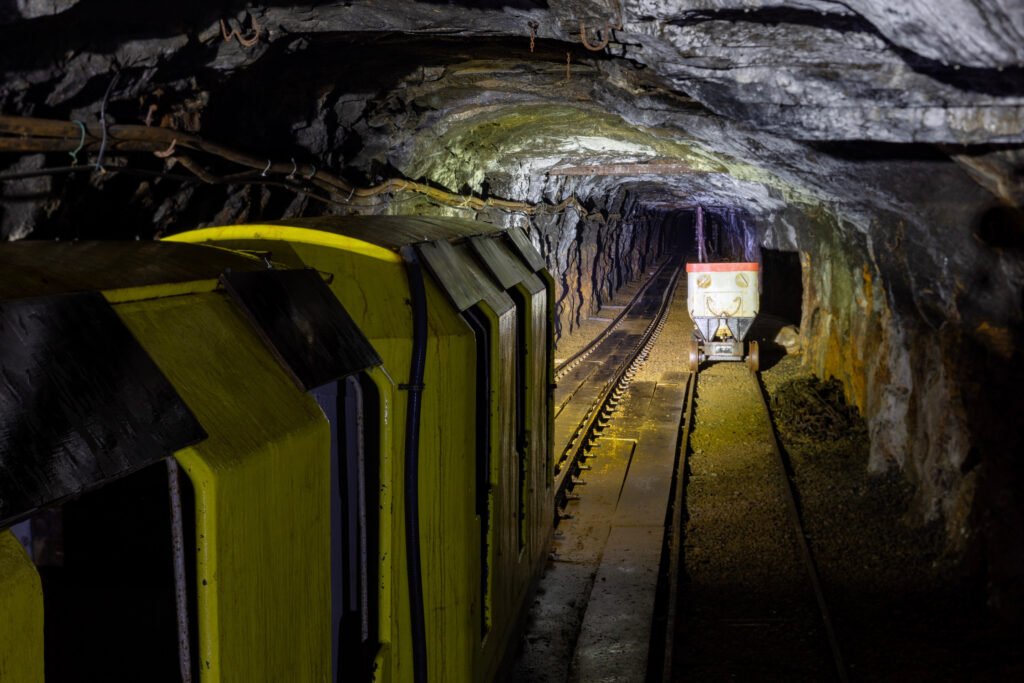
The Klosterstollen Visitor Mine is one of the most fascinating historical attractions in Barsinghausen and offers visitors a rare opportunity to explore Germany’s industrial mining heritage underground. The Deister region has more than 300 years of coal mining history, and Barsinghausen itself developed as an important mining town because of its coal industry.
The mine originally began operation in the mid-19th century and played a major role in supplying coal to the growing industries around Hanover. Today, the former coal mine has been transformed into an educational museum and visitor attraction where guests can experience the life of miners deep underground.
Visitors wear helmets and ride a small mining train through underground tunnels before continuing on foot through historical mining passages. Guides explain how miners worked under difficult and dangerous conditions many decades ago. Some original mining machinery is still operational and demonstrated during tours, giving visitors a realistic impression of underground industrial life.
The museum also contains historical exhibitions, mining equipment, and stories connected to the workers who shaped the region’s industrial growth. Because temperatures inside the mine remain cool throughout the year, the underground experience feels authentic and memorable.
The Klosterstollen is not only a tourist attraction but also an important monument preserving the industrial identity and working-class history of Barsinghausen.
🏛️ 3. Kloster Barsinghausen – Historic Monastery & Spiritual Heritage

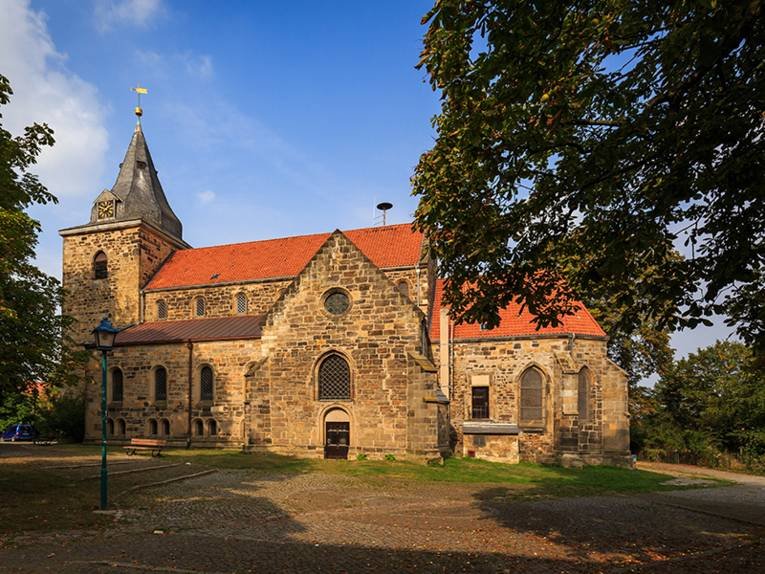
Kloster Barsinghausen is one of the oldest and most historically important landmarks in the region. Founded between the late 12th and early 13th centuries, the monastery originally served as an Augustinian double monastery for monks and nuns before later becoming a Protestant women’s convent.
The monastery complex contains beautiful Romanesque and Gothic architectural elements built from local sandstone. The historic church, peaceful courtyards, and monastery gardens create a calm and spiritual atmosphere that feels far removed from modern city life.
Throughout history, the monastery became wealthy and influential, owning lands across dozens of villages in the region. Even today, visitors can still sense the deep historical and religious importance of the site.
Many travelers visit the monastery not only for history and architecture but also for relaxation, meditation, and cultural events. Concerts, exhibitions, and spiritual retreats are sometimes organized within the monastery grounds, combining cultural heritage with modern community life.
The peaceful surroundings, ancient stone buildings, and historical atmosphere make Kloster Barsinghausen one of the most unique destinations in Lower Saxony.
🎭 4. Deister Open-Air Theatre – Culture in the Forest

The Deister Open-Air Theatre, known locally as the “Deister Freilichtbühne,” is one of the largest and most beautiful forest theatres in Lower Saxony. Opened in 1931 inside a former quarry area, this unique cultural venue combines entertainment with natural beauty.
Surrounded by forests and hills, the theatre creates a magical atmosphere where audiences enjoy performances under the open sky. Plays, musicals, concerts, and family performances are organized throughout the warmer months, attracting thousands of visitors each year.
The natural stone surroundings and forest environment give the theatre a very special character that differs from traditional indoor venues. Watching a performance while surrounded by trees and fresh mountain air creates an unforgettable cultural experience.
The theatre also reflects the strong artistic and community traditions of Barsinghausen. Families, tourists, and local residents gather here during summer festivals and events, creating a lively atmosphere filled with music, entertainment, and local hospitality.
The Deister Open-Air Theatre perfectly blends culture, nature, and community spirit into one of the city’s most beloved attractions.
🚴 5. Zechenpark & Countryside Landscapes – Industrial Heritage Meets Nature

Zechenpark Barsinghausen is a remarkable destination where industrial history and natural beauty come together. Built on the site of former coal mining operations, the park preserves historical mining structures while transforming the area into a relaxing public green space.
Visitors walking through the park can see remnants of the old mining industry, including historic buildings, mining pathways, and slag heaps that once supported coal extraction in the region. At the same time, greenery, walking trails, gardens, and scenic viewpoints now dominate the landscape.
One of the park’s most famous features is the large red slag hill that serves as a viewing platform overlooking the surrounding countryside. From the top, visitors can enjoy wide views across forests, farmland, and villages stretching through Lower Saxony.
Cyclists and walkers often use the park as a starting point for longer countryside adventures into the Deister region. The combination of industrial heritage, environmental restoration, and recreational space makes Zechenpark a symbol of how Barsinghausen successfully transformed its historical mining identity into a modern cultural landscape.
Barsinghausen offers visitors an extraordinary blend of forests, history, mining heritage, culture, and outdoor adventure, making it one of the most unique destinations in northern Germany.
Related artical : Top 5 place to visit in Ronnenberg