
Now Reading: Top 5 place to visit in Osnabrück
-
01
Top 5 place to visit in Osnabrück
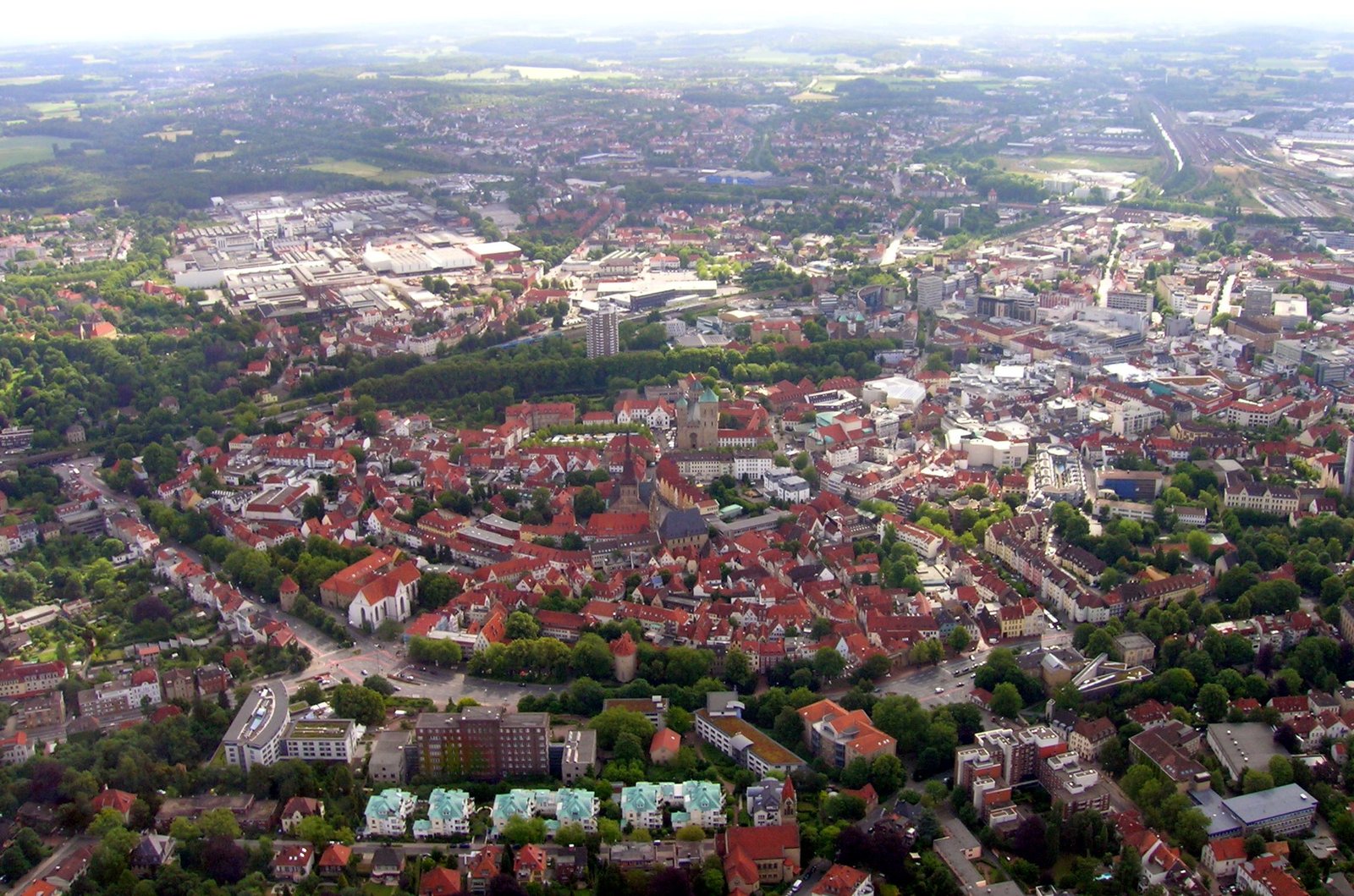
Top 5 place to visit in Osnabrück
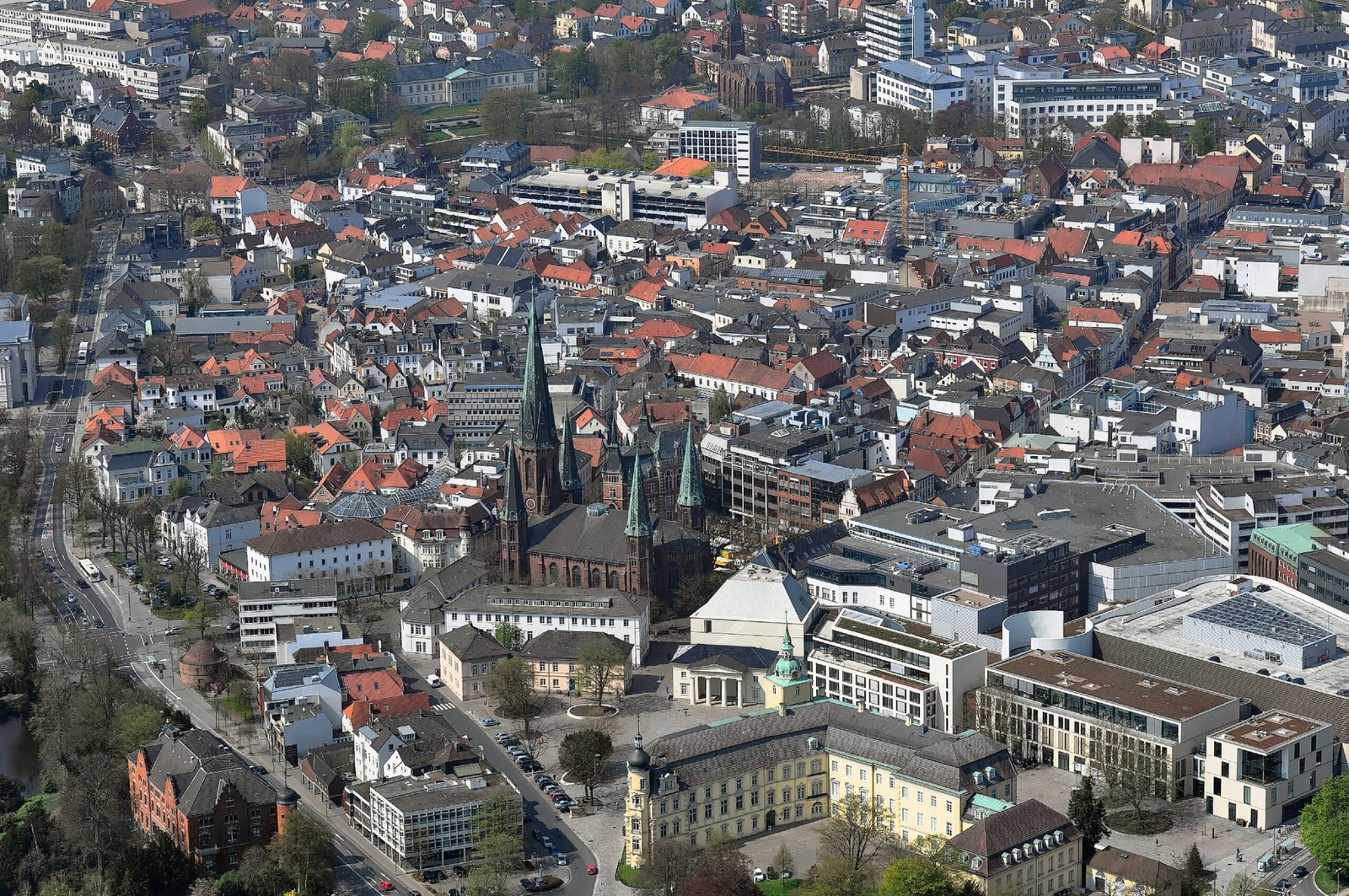
⛪ 1. St. Peter’s Cathedral & Historic Old Town – The Medieval Soul of Osnabrück

The historic old town of Osnabrück is one of the most beautiful medieval city centers in northern Germany. Filled with cobblestone streets, Gothic churches, half-timbered houses, and charming public squares, the old town preserves centuries of history and cultural heritage.
At the heart of the city stands the magnificent St. Peter’s Cathedral, a Romanesque-Gothic masterpiece that has dominated Osnabrück’s skyline for over 1,000 years. The cathedral is famous for its impressive towers, ancient stone architecture, beautiful stained-glass windows, and peaceful spiritual atmosphere.
Visitors walking through the cathedral can admire medieval artwork, historical tombs, and religious relics connected to the city’s long Christian history. The surrounding cathedral square creates a calm and elegant environment filled with historical significance.
The old town itself feels like a journey into medieval Europe. Traditional German houses, colorful facades, local bakeries, cafes, and historic fountains create an unforgettable atmosphere. During Christmas season, the old town transforms into one of Germany’s most magical Christmas markets with festive lights, music, and traditional holiday foods.
Osnabrück’s old town beautifully combines medieval charm, cultural richness, and authentic German city life.
🕊️ 2. Peace Hall & Town Hall – Birthplace of the Peace of Westphalia

Osnabrück holds a very special place in European history because it became one of the cities where the Peace of Westphalia was negotiated in 1648. This treaty ended the devastating Thirty Years’ War and changed the political future of Europe forever.
The historic Town Hall of Osnabrück is one of the city’s most important landmarks and home to the famous Peace Hall. Inside this historic chamber, diplomats and representatives from across Europe negotiated peace agreements after decades of war and destruction.
The Town Hall itself is a magnificent Gothic building with elegant architecture, detailed stonework, and grand historical interiors. Visitors exploring the Peace Hall can see portraits of diplomats, antique furniture, historical documents, and exhibitions explaining the importance of the peace negotiations.
Because of this historical achievement, Osnabrück is often called the “City of Peace.” The city continues promoting international understanding, diplomacy, and cultural dialogue even today.
Walking around the Town Hall area allows visitors to experience one of the most historically important places in European political history.
The Peace Hall remains a symbol of reconciliation, diplomacy, and hope for peaceful cooperation among nations.
🌳 3. Osnabrück Castle & Botanical Garden – Royal Elegance & Natural Beauty

Osnabrück Castle is one of the city’s most elegant historical buildings and an important symbol of royal and political heritage. Originally built in the 17th century as a Baroque residence for prince-bishops, the castle today serves as part of the University of Osnabrück.
The castle architecture combines beauty, symmetry, and historical elegance while surrounded by peaceful gardens and open green spaces. Visitors often relax in the surrounding parks while enjoying views of the impressive palace building.
Nearby lies the Botanical Garden of Osnabrück, one of the city’s most peaceful and scenic attractions. The garden contains thousands of plant species from around the world, including tropical plants, alpine flowers, medicinal herbs, and exotic trees.
Walking through the botanical garden feels calm and refreshing, especially during spring and summer when flowers bloom across the landscape. Greenhouses, ponds, and themed garden sections provide educational and relaxing experiences for visitors of all ages.
Together, the castle and botanical garden create a perfect combination of historical architecture and environmental beauty within the city.
🚴 4. Teutoburg Forest & Countryside Trails – Nature Around Osnabrück

The beautiful Teutoburg Forest surrounding Osnabrück is one of the region’s greatest natural treasures. This forested landscape stretches across hills, valleys, and countryside areas filled with hiking trails, cycling routes, and scenic viewpoints.
Nature lovers visit the region throughout the year to enjoy peaceful forests, fresh air, and outdoor recreation. The forest is famous for its biodiversity, historical importance, and relaxing atmosphere away from busy urban life.
Visitors can hike through woodland trails surrounded by tall trees, streams, and wildlife while discovering panoramic views of the Lower Saxony countryside. Cycling routes connect villages, parks, and forests, making the region extremely popular among outdoor enthusiasts.
The scenery changes beautifully with the seasons. Spring fills the forests with greenery and flowers, summer provides cool shaded trails, autumn transforms the landscape into golden colors, and winter creates peaceful snowy scenery.
The Teutoburg Forest also has historical importance because ancient battles between Roman legions and Germanic tribes once took place in this region.
This natural landscape perfectly balances Osnabrück’s rich urban history with outdoor adventure and environmental beauty.
🎭 5. Felix Nussbaum House, Festivals & Modern Cultural Life

Osnabrück is also an important cultural city known for museums, art, music, festivals, and modern creative life. One of the city’s most famous attractions is the Felix Nussbaum House, an extraordinary museum dedicated to the Jewish painter Felix Nussbaum, who was born in Osnabrück and later became a victim of the Holocaust.
Designed by world-famous architect Daniel Libeskind, the museum itself is an architectural masterpiece filled with emotional symbolism and modern design. Inside, visitors can explore Nussbaum’s powerful artworks and learn about his life during one of Europe’s darkest historical periods.
Beyond museums, Osnabrück hosts numerous cultural festivals, concerts, theatre performances, public events, and seasonal celebrations throughout the year. Markets, music festivals, and open-air gatherings create lively public spaces filled with local energy and creativity.
The city also offers excellent restaurants, cafes, shopping streets, and nightlife areas that blend traditional German culture with modern urban living.
Osnabrück beautifully combines medieval history, international peace heritage, nature, education, and contemporary culture, making it one of Germany’s most fascinating and balanced travel destinations.
Related artical : Top 5 place to visit in Wolfsburg