
Now Reading: Top 5 place to visit in Celle
-
01
Top 5 place to visit in Celle
Top 5 place to visit in Celle
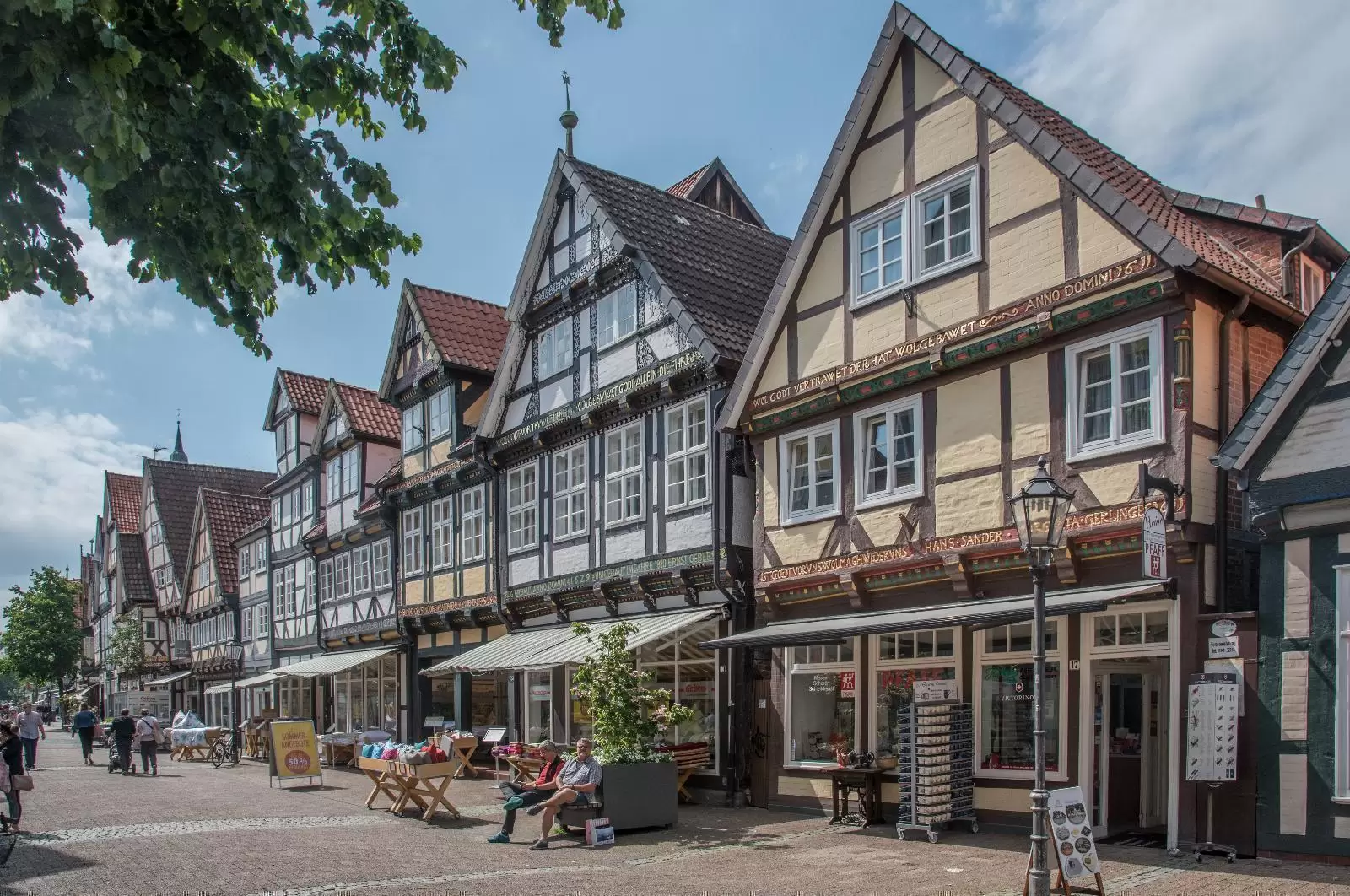
🏛️ 1. Celle Old Town – Germany’s Largest Half-Timbered Treasure

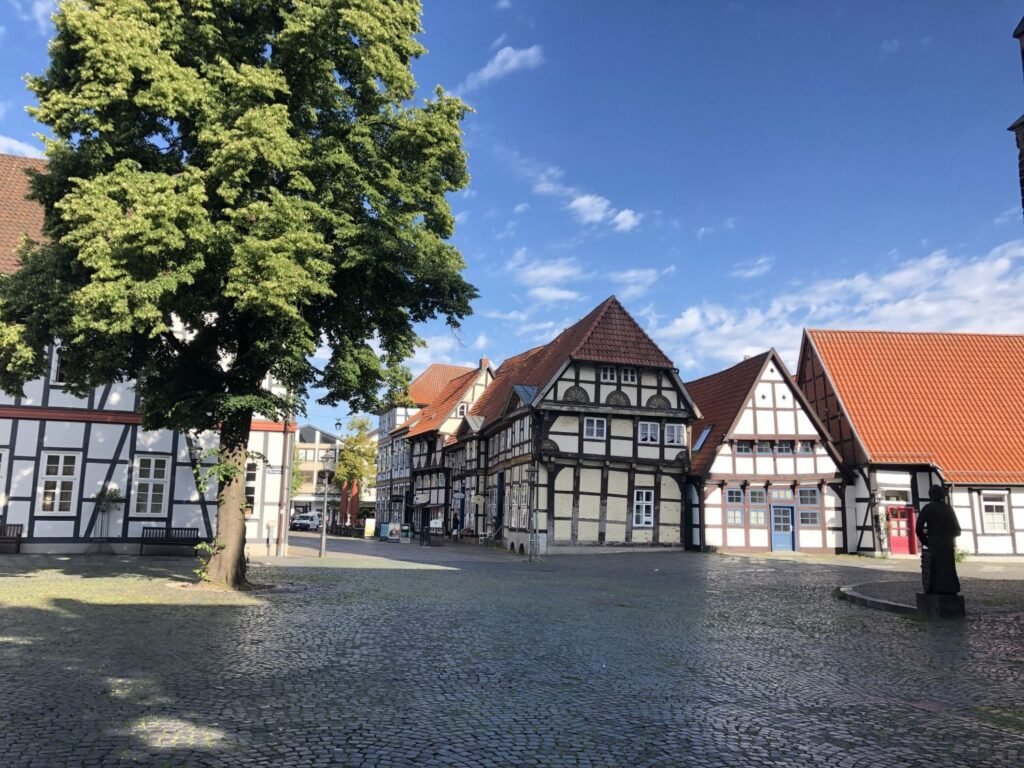
The old town of Celle is one of the most beautiful and best-preserved historic centers in Germany. Famous for its extraordinary collection of over 400 colorful half-timbered houses, the city looks like a real fairytale destination filled with medieval charm and traditional Lower Saxony culture.
Walking through Celle’s narrow cobblestone streets feels like stepping back into another century. Beautiful wooden facades, flower-filled windows, historic squares, cafes, bakeries, and boutique shops create a warm and welcoming atmosphere throughout the city center.
Many of the houses date back to the 16th and 17th centuries and survived wars and modernization remarkably well. Visitors can admire intricate carvings, painted facades, and Renaissance architectural details that make Celle internationally famous for timber-frame construction.
The old town is also filled with lively restaurants, traditional German cafes, local markets, and cultural events. During Christmas season, the historic streets become magical with festive lights, holiday stalls, music, and seasonal decorations.
Photographers, history lovers, and architecture enthusiasts especially enjoy Celle because nearly every street corner reveals another stunning historical building.
Celle’s old town perfectly preserves the beauty and atmosphere of medieval northern Germany.
🏰 2. Celle Castle – Royal Residence of the Dukes of Brunswick

Celle Castle is one of the oldest and most magnificent royal residences in northern Germany. Originally built as a medieval fortress during the 13th century, the castle later transformed into a grand Renaissance and Baroque palace for the Dukes of Brunswick-Lüneburg.
The castle’s elegant white exterior, towers, courtyards, and decorative interiors make it one of Celle’s most important attractions. Visitors exploring the castle can admire royal chambers, historic halls, ornate decorations, and centuries of noble history connected to the House of Welf.
Inside the castle stands one of Germany’s oldest Baroque theatres that still operates today. The beautifully preserved theatre reflects the cultural sophistication of the royal court during earlier centuries.
The castle museum presents exhibitions featuring royal furniture, portraits, weapons, costumes, and historical artifacts that explain the region’s political and cultural history.
Outside, peaceful gardens and surrounding parks create a relaxing environment perfect for walking and photography.
Celle Castle beautifully combines medieval origins with Renaissance elegance and remains one of Lower Saxony’s finest royal landmarks.
🌳 3. French Garden (Französischer Garten) – Green Relaxation in the City

The Französischer Garten, or French Garden, is one of Celle’s most peaceful and scenic attractions. Originally designed in the 17th century as a baroque royal garden, the park later evolved into a beautiful English-style landscape garden filled with trees, ponds, walking paths, and open green spaces.
Today, the park serves as a favorite recreational area for both residents and visitors. People come here to relax, walk, cycle, jog, read, or simply enjoy nature within the city.
The garden becomes especially beautiful during spring and summer when flowers bloom and the pathways fill with greenery. Large trees provide shade while peaceful lawns create ideal picnic and relaxation areas.
Visitors can also admire sculptures, fountains, and elegant landscaping that reflect the park’s historical royal origins. During autumn, golden leaves transform the garden into a picturesque landscape popular among photographers.
The French Garden perfectly balances Celle’s historical architecture with environmental beauty and outdoor recreation.
⛪ 4. Stadtkirche St. Marien – Spiritual and Architectural Heritage

Stadtkirche St. Marien is one of Celle’s most important religious and historical landmarks. This beautiful Gothic church has stood at the heart of the city for centuries and continues to shape the skyline of the old town with its impressive tower.
The church contains remarkable architectural details including stained-glass windows, historic altars, carved wooden artwork, and peaceful prayer halls filled with historical atmosphere. Visitors can climb the tower to enjoy panoramic views across Celle’s rooftops, castle, and surrounding countryside.
Throughout history, the church played a central role in the spiritual and community life of Celle. Royal families, nobles, and local citizens attended important ceremonies here for generations.
Concerts, organ performances, and religious festivals continue to bring life to the church today, combining historical heritage with active cultural traditions.
The church’s elegant Gothic architecture and calm interior make it one of the most memorable places to visit in Celle.
🎭 5. Museums, Riverside Landscapes & Cultural Festivals

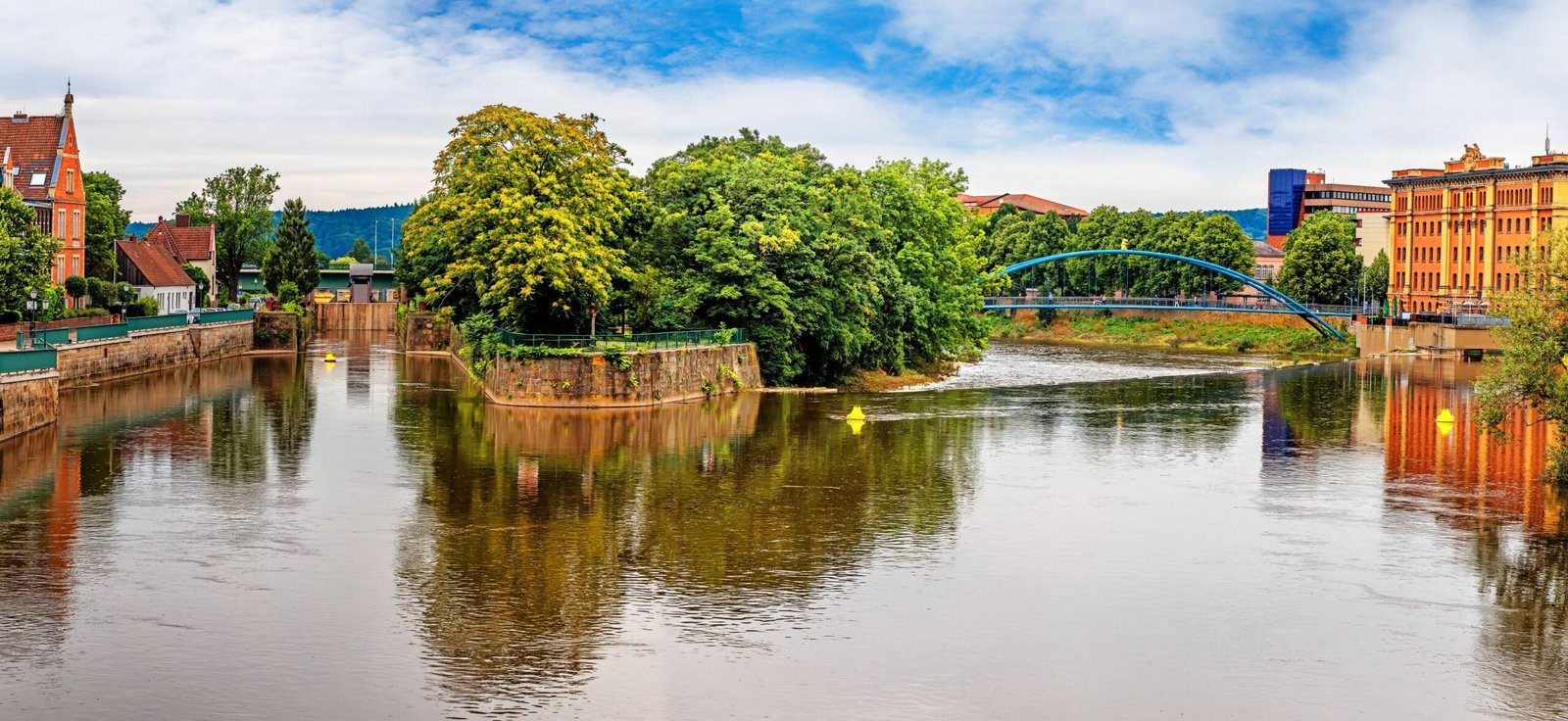
Celle is also known for its rich cultural life, scenic riverside landscapes, and vibrant local traditions. The River Aller flows peacefully beside the city and creates beautiful walking paths, cycling routes, and natural scenery ideal for outdoor relaxation.
Boat tours and riverside walks allow visitors to experience the quieter side of Celle while enjoying views of historic buildings, bridges, and green countryside landscapes.
The city contains several museums dedicated to regional history, art, and traditional life in Lower Saxony. Cultural centers and galleries regularly host exhibitions, concerts, theatre performances, and artistic events throughout the year.
One of the city’s biggest highlights is the Celle Christmas Market, where festive lights, decorated streets, holiday music, and traditional German foods transform the old town into a winter wonderland.
Local restaurants and cafes serve authentic Lower Saxony cuisine including sausages, fresh breads, cakes, and seasonal specialties that reflect northern German culinary traditions.
Celle beautifully combines royal history, medieval architecture, peaceful nature, and cultural traditions, making it one of Germany’s most enchanting historic destinations.
Related artical : Top 5 place to visit in Hildesheim