Now Reading: Best place to visit in Waipahu
-
01
Best place to visit in Waipahu
Best place to visit in Waipahu

Waipahu is one of the most historically rich and culturally diverse communities on the island of Oahu. Known for its sugar plantation heritage, local Hawaiian atmosphere, mountain scenery, multicultural traditions, and strong connection to Hawaii’s agricultural past, Waipahu offers visitors authentic island experience beyond luxury resorts and crowded tourist beaches.
Located in central Oahu between Honolulu and the western side of the island, Waipahu developed during the sugar plantation era and became important center for immigrant workers arriving from Japan, the Philippines, China, Portugal, Korea, and other Pacific regions. These communities helped shape the cultural identity of modern Hawaii, and Waipahu remains one of the best places to experience that multicultural heritage today.
The city is surrounded by green mountain ridges, tropical parks, historic plantation landmarks, and local neighborhoods that reflect everyday island life. Unlike resort areas, Waipahu gives travelers opportunity to explore Hawaii’s working-class history, traditional food culture, and community spirit.
Visitors traveling through Waipahu discover powerful stories of plantation workers, peaceful tropical scenery, local Hawaiian traditions, and the authentic heart of Oahu.
🚂 1. Hawaiian Railway Society – Journey Into Plantation History

Hawaiian Railway Society preserves one of Hawaii’s most important transportation and plantation histories.
The railway originally helped transport sugarcane across Oahu during the plantation era when sugar production shaped Hawaii’s economy and society.
Today, visitors can ride restored vintage trains passing through tropical landscapes, coastal scenery, and historical plantation areas.
The railway experience offers fascinating glimpse into old Hawaii before modern tourism transformed the islands.
Historic locomotives, train stations, and railway equipment help visitors understand the difficult labor and industrial systems connected to sugar plantations.
The relaxing train ride through Oahu’s western landscapes combines history, nostalgia, and beautiful scenery.
🌺 2. Hawai‘i Plantation Village – Living Museum of Immigrant Culture

Hawaiʻi Plantation Village is one of the most culturally important attractions in Hawaii.
This living history museum recreates life on Hawaii’s sugar plantations during the late nineteenth and early twentieth centuries.
Visitors walk through restored plantation houses, gardens, community buildings, and cultural exhibits representing immigrant groups who worked in Hawaii’s sugar industry.
The village explains how Japanese, Filipino, Chinese, Portuguese, Korean, Puerto Rican, and Hawaiian communities lived and worked together in plantation camps.
Traditional tools, cooking methods, cultural customs, and historical stories help preserve Hawaii’s multicultural heritage.
The museum provides deep understanding of how plantation communities shaped modern Hawaiian identity and local culture.
🌴 3. Waikele & Central Oahu Landscapes – Tropical Island Scenery

The Waikele region near Waipahu offers beautiful tropical scenery surrounded by green hills, palm trees, and volcanic landscapes.
Driving through central Oahu reveals peaceful valleys, mountain ridges, tropical vegetation, and open skies very different from busy resort districts.
Rain showers frequently move across the mountains creating vibrant green scenery and dramatic cloud formations.
The area’s relaxed atmosphere reflects local Hawaiian life connected more closely to nature and community rather than tourism.
Visitors exploring the surrounding landscapes experience quieter side of Oahu filled with natural beauty and island calmness.
🌊 4. Pearl Harbor Region – Historic Waters Near Waipahu

Waipahu lies close to the historically important Pearl Harbor region, one of the most significant locations in Pacific history.
The nearby harbor and memorial areas preserve stories connected to World War II and the transformation of Hawaii during the twentieth century.
Visitors can explore museums, memorials, naval exhibits, and peaceful harbor scenery while learning about the events that shaped the Pacific world.
The calm waters surrounding Pearl Harbor today create reflective atmosphere filled with historical importance.
Waipahu’s proximity to this region adds deeper cultural and historical meaning to the surrounding communities.
🌄 5. Kunia & Mountain Viewpoints – Scenic Central Oahu

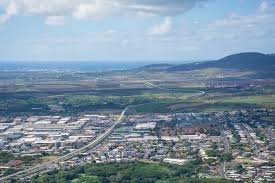
The elevated Kunia region above Waipahu offers panoramic views across central Oahu’s valleys, neighborhoods, mountains, and distant coastlines.
The landscape contains rolling green hills, agricultural fields, tropical forests, and volcanic ridges stretching toward the Pacific Ocean.
Sunsets from higher elevations often create spectacular golden light across the island.
The peaceful mountain environment provides refreshing contrast to urban areas and demonstrates Oahu’s natural diversity beyond beaches.
Photography lovers especially appreciate the wide island panoramas visible from the surrounding hills.
🍍 6. Local Hawaiian Food Culture – Authentic Island Flavors

Waipahu is one of the best places on Oahu to experience authentic local Hawaiian food culture influenced by plantation history and immigrant traditions.
Restaurants and local markets serve Hawaiian plate lunches, Filipino dishes, Japanese meals, Portuguese breads, Korean barbecue, and tropical island snacks.
The multicultural food scene reflects generations of immigrant families who brought their culinary traditions to Hawaii during the plantation era.
Visitors can enjoy local favorites such as loco moco, kalua pork, spam musubi, fresh seafood, malasadas, and tropical fruits.
Eating in Waipahu provides deeper understanding of Hawaii’s multicultural identity and community traditions.
🌧️ 7. Honouliuli Forest & Tropical Nature

The Honouliuli region surrounding Waipahu contains tropical valleys, forested hills, and natural landscapes connected to central Oahu’s volcanic geography.
Frequent rainfall supports lush vegetation, green mountain slopes, and tropical ecosystems throughout the area.
Nature lovers exploring nearby trails and countryside landscapes experience peaceful island scenery away from major tourist centers.
Birdsong, tropical breezes, and dramatic clouds moving above the mountains create calm and relaxing environment.
The surrounding landscapes remind visitors that Hawaii contains much more than beaches and resorts.
🏛️ 8. Filipino & Asian Cultural Heritage – Multicultural Hawaii
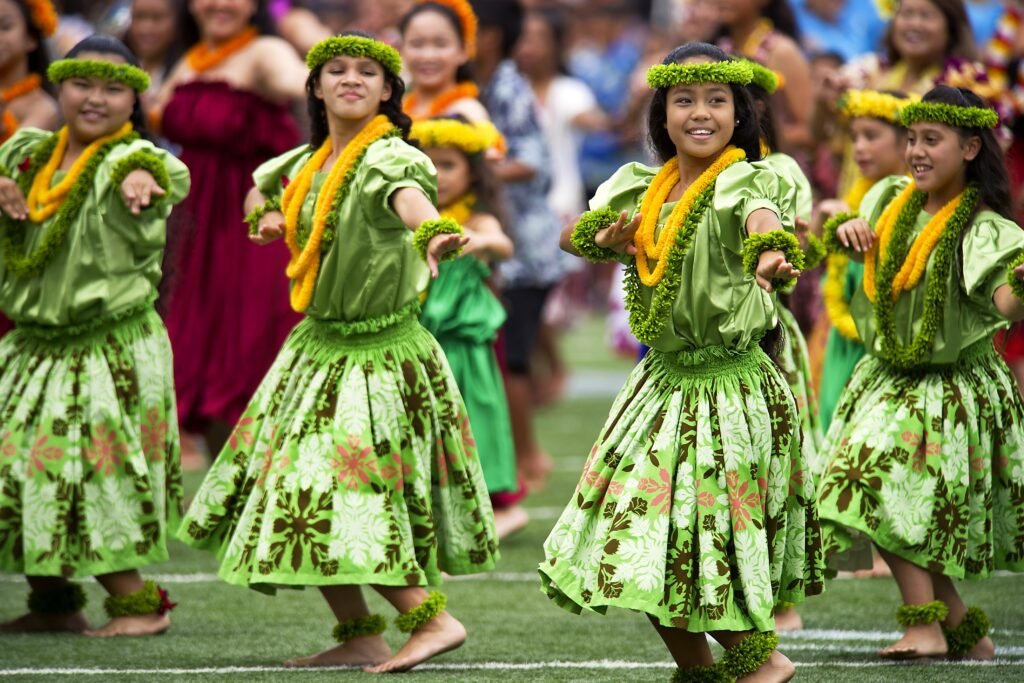
Waipahu contains one of Hawaii’s strongest Filipino-American communities along with Japanese, Chinese, Hawaiian, and Pacific Island cultural influences.
Festivals, churches, community centers, traditional foods, and local businesses preserve these multicultural traditions throughout the city.
The blending of languages, music, family customs, and island hospitality creates warm community atmosphere unique to Hawaii.
Visitors interested in authentic cultural experiences appreciate Waipahu’s diversity and strong local identity.
The city represents how immigration and plantation history transformed Hawaii into multicultural Pacific society.
🚶 9. Patsy T. Mink Central Oahu Regional Park – Community & Recreation

Patsy T. Mink Central Oahu Regional Park is major community gathering space surrounded by open green landscapes and mountain views.
Families and residents visit the park for sports, jogging, walking, festivals, and outdoor relaxation.
The large green spaces and tropical climate create peaceful environment reflecting Hawaii’s outdoor lifestyle and strong community culture.
Visitors can observe everyday island life beyond tourist attractions while enjoying scenic surroundings.
🌅 10. Everyday Island Life – Authentic Oahu Beyond Tourism

One of Waipahu’s greatest strengths is its authenticity.
Unlike luxury resort towns designed mainly for tourism, Waipahu reflects the real daily rhythm of Hawaiian island life.
Neighborhood markets, local restaurants, schools, parks, churches, and community events reveal strong family values and island traditions.
Visitors walking through the city experience friendly atmosphere shaped by generations of hardworking plantation families and multicultural communities.
This authenticity gives Waipahu unique charm rarely found in major tourist destinations.
The city provides meaningful opportunity to understand Hawaii beyond postcards and resort imagery.
Related artical : Best place to visit in Pearl City