Now Reading: Best place to visit in Captain Cook
-
01
Best place to visit in Captain Cook
Best place to visit in Captain Cook

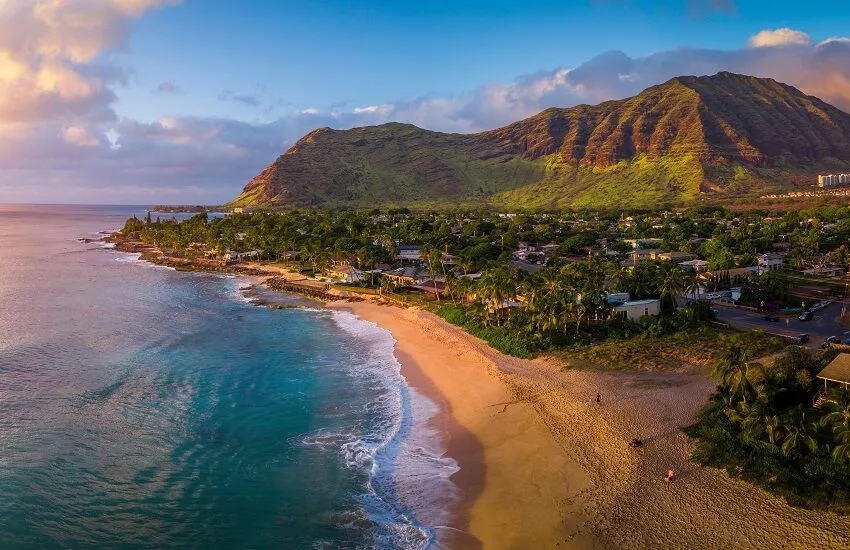
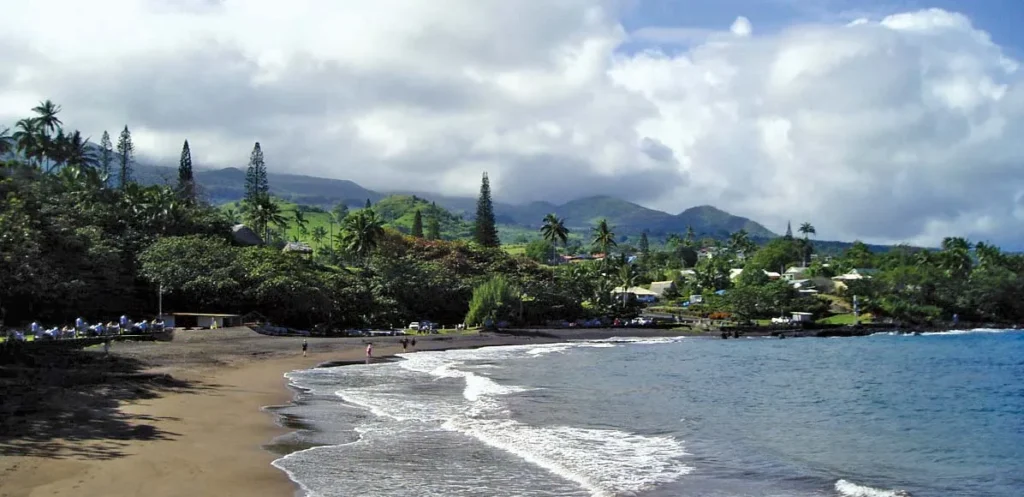
Captain Cook is one of the most beautiful and culturally rich communities on the Big Island of Hawaii. Located along the scenic Kona Coast, the town is famous for its world-renowned coffee farms, historic Hawaiian landmarks, crystal-clear bays, coral reefs, volcanic landscapes, and peaceful tropical atmosphere overlooking the Pacific Ocean.
Unlike crowded tourist resort districts, Captain Cook offers slower island lifestyle deeply connected to Hawaiian traditions, agriculture, and natural beauty. The town sits on the slopes of the massive volcanoes that formed the Big Island, creating fertile volcanic soil perfect for growing Kona coffee, one of the world’s most famous coffee varieties.
Surrounded by tropical forests, lava landscapes, ocean cliffs, and historical sites, Captain Cook combines adventure, culture, history, and relaxation within one extraordinary Hawaiian destination.
Visitors exploring the area discover snorkeling bays filled with marine life, coffee plantations stretching across volcanic hillsides, sacred Hawaiian history, lava rock coastlines, and breathtaking sunsets above the Pacific Ocean.
The region captures the authentic spirit of old Hawaii beautifully.
🌊 1. Kealakekua Bay – One of Hawaii’s Most Beautiful Marine Sanctuaries

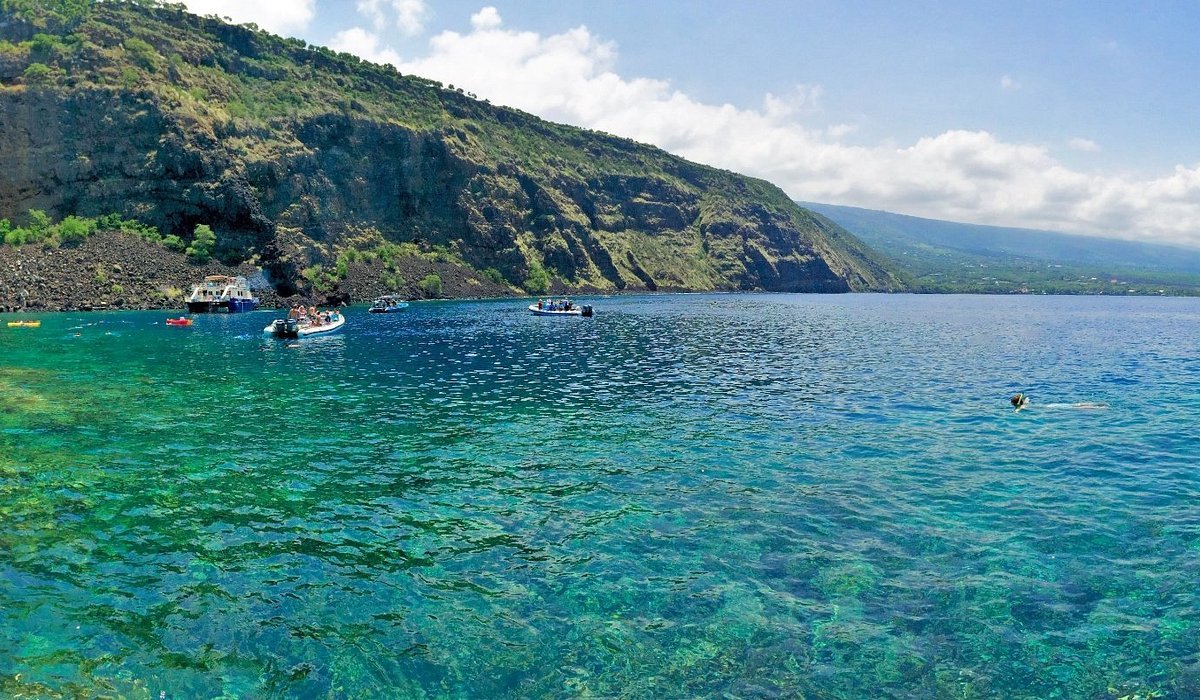
Kealakekua Bay is one of the most spectacular natural attractions in Hawaii and one of the best snorkeling destinations in the Pacific Ocean.
The bay contains crystal-clear turquoise water, colorful coral reefs, tropical fish, dolphins, and dramatic volcanic cliffs rising above the coastline.
Protected as marine sanctuary, the underwater ecosystem remains incredibly vibrant and healthy.
Snorkelers exploring the bay often encounter schools of tropical fish, sea turtles, coral gardens, and spinner dolphins swimming through the calm water.
The peaceful natural beauty of the bay feels untouched and sacred.
The combination of ocean clarity, volcanic scenery, and rich marine biodiversity makes Kealakekua Bay one of the Big Island’s greatest treasures.
🗿 2. Captain Cook Monument – Historic Hawaiian Landmark

Captain Cook Monument marks one of the most historically significant locations in Hawaiian history.
British explorer Captain James Cook first arrived in Hawaii in 1778 and later died near Kealakekua Bay during conflict with Native Hawaiians in 1779.
The white monument standing beside the bay commemorates this important historical event that forever changed Hawaiian history and opened the islands to increasing Western influence.
Today, visitors reach the monument by hiking trails, kayak tours, or boat excursions across the bay.
The peaceful scenery surrounding the monument contrasts deeply with the dramatic historical events connected to the site.
The location remains culturally and historically important throughout Hawaii.
☕ 3. Kona Coffee Farms – The Famous Coffee Slopes of Hawaii

The hillsides surrounding Captain Cook contain some of the world’s most famous coffee farms.
The volcanic soil, warm sunshine, tropical rainfall, and mountain elevations create perfect conditions for growing premium Kona coffee.
Visitors touring the coffee farms learn about the cultivation, harvesting, roasting, and history of Hawaiian coffee production.
Rows of coffee trees stretch across the volcanic slopes overlooking the Pacific Ocean while cool mountain breezes move through the plantations.
Fresh Kona coffee is known for its smooth rich flavor and has become internationally respected among coffee lovers.
The coffee farms also preserve important agricultural traditions and local family businesses throughout the region.
🌋 4. Volcanic Landscapes & Lava Rock Coastlines

The landscapes surrounding Captain Cook were formed through volcanic eruptions that built the Big Island over millions of years.
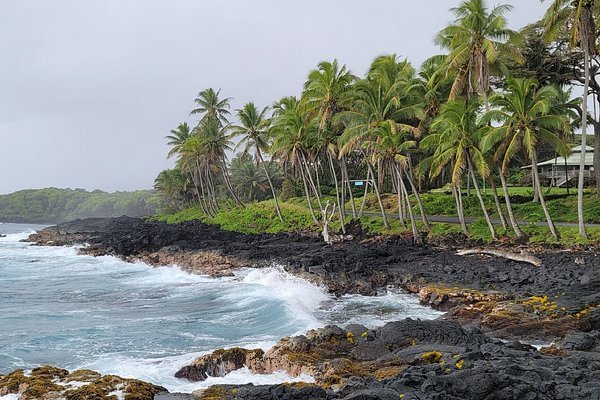
Black lava rock coastlines, volcanic cliffs, fertile slopes, and rugged terrain create dramatic scenery throughout the region.
The contrast between dark volcanic rock and bright blue Pacific waters gives the coastline unique beauty.
Visitors driving through the area witness how volcanic forces shaped both the land and local culture.
Ancient lava flows remain visible across many parts of the Kona Coast, reminding travelers that Hawaii continues evolving through geological activity.
The volcanic environment adds extraordinary character to Captain Cook’s natural scenery.
🌴 5. Puʻuhonua o Hōnaunau – Sacred Place of Refuge

Near Captain Cook lies Puʻuhonua o Hōnaunau National Historical Park, one of the most sacred and culturally important sites in Hawaii.
In ancient Hawaiian society, this “Place of Refuge” protected individuals who broke sacred laws or sought safety during times of conflict.
Stone walls, wooden kiʻi statues, royal fishponds, lava rock pathways, and traditional Hawaiian structures preserve the spiritual and cultural history of old Hawaii.
Walking through the site feels peaceful and deeply connected to Hawaiian heritage.
The combination of ocean scenery, palm trees, volcanic landscapes, and sacred history creates unforgettable cultural experience.
🌊 6. Dolphin & Sea Turtle Encounters in Kona Waters

The Pacific waters surrounding Captain Cook contain rich marine ecosystems filled with spinner dolphins, sea turtles, tropical fish, manta rays, and seasonal humpback whales.
Dolphins frequently swim through Kealakekua Bay while sea turtles rest along coral reefs near the shoreline.
Snorkeling and kayaking tours provide incredible opportunities to observe Hawaii’s marine life closely within clear tropical waters.
The healthy ocean ecosystem surrounding the Kona Coast is one of the region’s greatest natural treasures.
Visitors often describe swimming beside dolphins and colorful coral reefs as one of the most unforgettable experiences in Hawaii.
Related artical : Best place to visit in Pahoa