Now Reading: Best place to visit in Isfahan
-
01
Best place to visit in Isfahan
Best place to visit in Isfahan
1. Naqsh-e Jahan Square – The Magnificent Heart of Isfahan

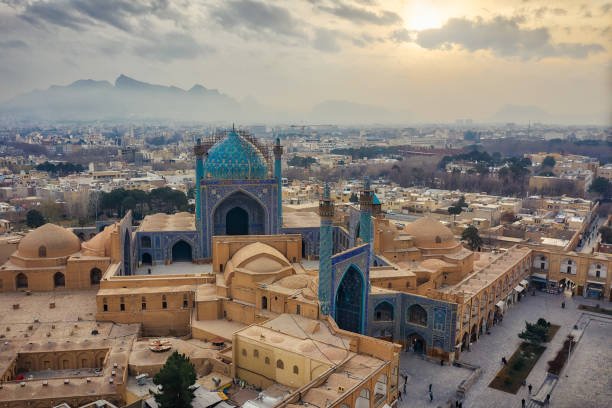
Naqsh-e Jahan Square is one of the largest and most beautiful city squares in the world and the greatest symbol of Isfahan’s golden age. Built between 1598 and 1629 during the reign of Shah Abbas I of the Safavid Empire, the square became the political, religious, cultural, and economic center of Persia. It remains one of Iran’s most important UNESCO World Heritage Sites.
The enormous square is surrounded by magnificent Safavid-era monuments including the Shah Mosque, Sheikh Lotfollah Mosque, Ali Qapu Palace, and the entrance to the Grand Bazaar.
Visitors exploring the square experience elegant arcades, horse-carriage rides, Persian gardens, traditional shops, historical architecture, and breathtaking cultural scenery.
For centuries the square hosted royal ceremonies, polo matches, festivals, military events, and public gatherings.
At sunset, golden light illuminates the turquoise domes and historical buildings creating one of the most breathtaking views in Iran.
Photography lovers especially appreciate the symmetrical architecture and historical atmosphere.
Every visit feels timeless and unforgettable.
2. Shah Mosque – The Masterpiece of Persian Islamic Architecture

Shah Mosque, also known as Imam Mosque, is one of the greatest masterpieces of Islamic architecture in the world.
Constructed during the Safavid dynasty, the mosque was designed to showcase the artistic and spiritual power of the Persian Empire.
Visitors entering the mosque experience giant courtyards, massive turquoise domes, intricate tile mosaics, elegant minarets, Quranic calligraphy, and breathtaking architectural symmetry.
The remarkable blue and turquoise tilework covering the walls and domes creates one of the most beautiful religious structures ever built.
The mosque demonstrates the extraordinary achievements of Persian engineers, architects, and artists during the 17th century.
Photography lovers especially appreciate the colorful mosaics and magnificent domes.
Every corner feels spiritual and extraordinary.
3. Sheikh Lotfollah Mosque – The Hidden Jewel of Persia
Sheikh Lotfollah Mosque is considered one of the most elegant mosques ever constructed in the Islamic world.
Built as a private royal mosque for the Safavid court, the structure lacks minarets and large courtyards, giving it a unique architectural identity.
Visitors exploring the mosque experience delicate mosaics, stunning geometric patterns, artistic calligraphy, and one of the most beautiful domes in Persian architecture.
The interior changes color throughout the day as sunlight enters through carefully designed windows.
The mosque demonstrates the extraordinary artistic achievements of the Safavid era.
Photography lovers especially appreciate the intricate tilework and stunning interior lighting.
Every visit feels peaceful and magical.
4. Ali Qapu Palace – The Royal Palace of the Safavid Empire

Ali Qapu Palace served as the ceremonial palace of Shah Abbas and the Safavid rulers.
The six-story palace overlooks Naqsh-e Jahan Square and once hosted royal guests, foreign ambassadors, and important political events.
Visitors exploring the palace experience royal balconies, magnificent halls, decorative paintings, artistic ceilings, and panoramic views across the square.
The famous music hall contains uniquely shaped acoustic decorations designed to improve sound quality during royal performances.
The palace beautifully reflects the luxury and sophistication of Persian royal culture.
Photography lovers especially appreciate the grand balconies and historical interiors.
Every room feels elegant and historical.
5. Si-o-se-pol Bridge – The Most Famous Bridge in Iran

Si-o-se-pol is one of the most iconic bridges in Iran and one of the greatest engineering achievements of the Safavid era.
Built in the early 17th century, the bridge contains thirty-three arches stretching across the Zayandeh River.
Visitors walking along the bridge experience historical architecture, river views, elegant archways, and beautiful nighttime scenery.
For centuries the bridge served as both transportation route and social gathering place.
During evenings, lights illuminate the arches creating spectacular reflections and romantic atmosphere.
Photography lovers especially appreciate the reflections and symmetrical architecture.
Every walk feels peaceful and unforgettable.
6. Chehel Sotoun Palace – The Palace of Forty Columns

Chehel Sotoun Palace is one of the most beautiful royal gardens in Persia and an important symbol of Safavid architecture.
The palace was designed as reception hall for royal ceremonies and diplomatic meetings.
Visitors exploring the complex experience reflecting pools, Persian gardens, painted halls, historical murals, and elegant wooden columns.
The name “Forty Columns” comes from the reflection of the palace columns in the water creating the illusion of forty pillars.
The detailed wall paintings illustrate royal celebrations, historical battles, and diplomatic events.
Photography lovers especially appreciate the reflections and artistic interiors.
Every visit feels elegant and historical.
7. Isfahan Grand Bazaar – The Ancient Trading Center of Persia

Isfahan Grand Bazaar is one of the oldest marketplaces in the Middle East and has served as a major commercial center for centuries.
The bazaar connects historical monuments throughout the city and reflects Isfahan’s importance within global trade networks.
Visitors exploring the market experience Persian carpets, miniature paintings, copper crafts, jewelry, spices, textiles, antiques, and traditional Iranian culture.
The market preserves the atmosphere of ancient Persia where merchants from different civilizations once traded valuable goods.
Photography lovers especially appreciate the colorful shops and historical corridors.
Every visit feels authentic and energetic.
8. Vank Cathedral – The Armenian Heritage of Isfahan

Vank Cathedral is one of the most important Christian landmarks in Iran and a symbol of the Armenian community that settled in Isfahan during the Safavid era.
Visitors entering the cathedral experience golden frescoes, biblical paintings, beautiful domes, religious artifacts, and extraordinary artistic details.
The cathedral uniquely combines Armenian Christian architecture with Persian artistic influences.
The surrounding New Julfa district preserves the cultural history of Armenian merchants who contributed greatly to Isfahan’s prosperity.
Photography lovers especially appreciate the colorful interior paintings and architectural beauty.
Every visit feels cultural and inspiring.
Isfahan is often called “Half of the World” because of its extraordinary concentration of history, art, architecture, gardens, bridges, palaces, mosques, and cultural heritage. The city reached its golden age under the Safavid Empire and remains one of the most beautiful historical destinations in the world.
Related artical : Best place to visit in Mashhad