
Now Reading: Best place to visit in Yazd
-
01
Best place to visit in Yazd
Best place to visit in Yazd
1. Amir Chakhmaq Complex – The Iconic Symbol of Yazd

Amir Chakhmaq Complex is the most famous landmark in Yazd and one of the most recognizable historical monuments in Iran. Built during the 15th century, the complex served as a religious, cultural, and social center of the city.
Visitors exploring the site experience magnificent symmetrical facades, beautiful arches, ancient water reservoirs, mosques, caravanserais, and historical squares.
The stunning three-story facade illuminated at night creates one of the most beautiful views in all of Iran.
For centuries, the complex played an important role in the daily life of Yazd’s residents and remains a symbol of the city’s rich heritage.
Photography lovers especially appreciate the dramatic architecture and nighttime lighting.
Every visit feels historical and unforgettable.
2. Yazd Old City – The Ancient Desert City of Iran

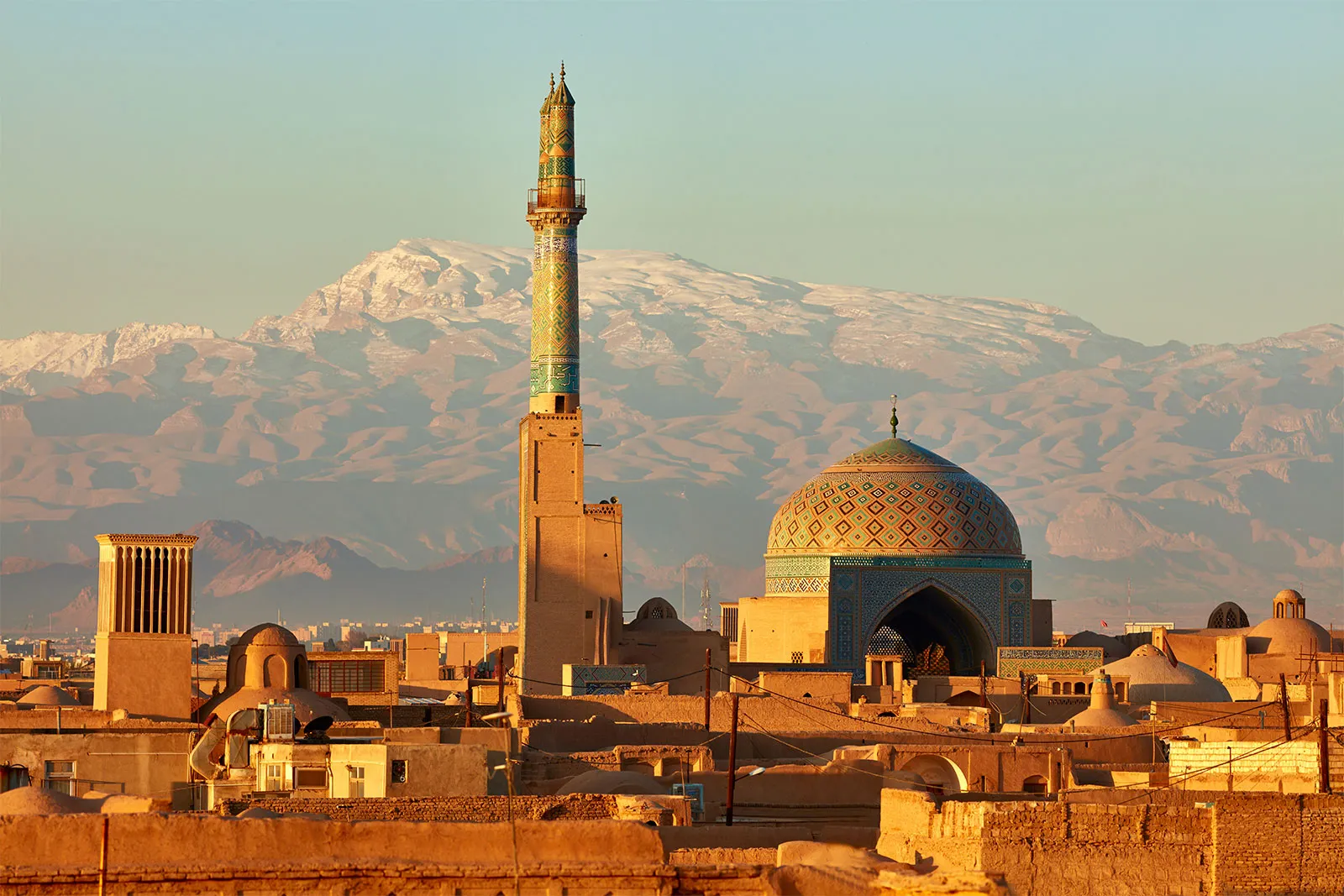
Historic City of Yazd is one of the oldest continuously inhabited cities in the world and a UNESCO World Heritage Site.
For more than 3,000 years, Yazd has thrived in the heart of the desert through ingenious engineering and sustainable architecture.
Visitors wandering through the old city experience narrow alleys, mudbrick houses, hidden courtyards, ancient mosques, traditional homes, and centuries of Persian history.
The city is famous for its windcatchers, known as badgirs, which provided natural cooling long before modern air conditioning.
The maze-like streets preserve the atmosphere of ancient Persia unlike anywhere else in the country.
Photography lovers especially appreciate the mudbrick architecture and timeless desert scenery.
Every walk feels like traveling through history.
3. Jameh Mosque of Yazd – The Architectural Masterpiece of the Desert

Jameh Mosque of Yazd is one of the most magnificent mosques in Iran and a masterpiece of Persian Islamic architecture.
The mosque is famous for its stunning blue tilework and towering minarets, which are among the tallest in the country.
Visitors exploring the mosque experience elegant courtyards, beautiful calligraphy, intricate mosaics, massive iwans, and breathtaking architectural details.
The structure reflects centuries of artistic achievement and religious devotion.
The brilliant turquoise decorations contrast beautifully against the desert surroundings.
Photography lovers especially appreciate the tilework and towering entrance portal.
Every visit feels spiritual and inspiring.
4. Towers of Silence – The Ancient Zoroastrian Heritage of Yazd

Towers of Silence are among the most fascinating historical and religious attractions in Iran.
These circular hilltop structures were used by Zoroastrians for traditional funeral practices and provide insight into one of the world’s oldest religions.
Visitors exploring the site experience desert landscapes, historical ruins, panoramic city views, and fascinating cultural history.
The towers stand as powerful reminders of the strong Zoroastrian heritage that shaped Yazd for centuries.
The surrounding desert scenery creates peaceful and reflective atmosphere.
Photography lovers especially appreciate the dramatic hilltop location and panoramic views.
Every visit feels meaningful and educational.
5. Zoroastrian Fire Temple – The Eternal Flame of Persia

Yazd Fire Temple is one of the most important Zoroastrian religious sites in the world.
The temple houses a sacred fire that has reportedly been kept burning continuously for centuries, symbolizing purity and divine presence.
Visitors exploring the temple experience beautiful gardens, elegant architecture, religious exhibits, and fascinating insights into Zoroastrian beliefs.
The site provides valuable understanding of one of humanity’s oldest monotheistic faiths.
The peaceful atmosphere attracts both pilgrims and travelers from around the world.
Photography lovers especially appreciate the temple’s architecture and tranquil surroundings.
Every visit feels spiritual and enlightening.
6. Dowlat Abad Garden – The Paradise Garden of Yazd

Dowlat Abad Garden is one of the finest Persian gardens in Iran and part of the UNESCO-listed Persian Garden collection.
Built during the 18th century, the garden demonstrates the genius of Persian landscape design in a desert environment.
Visitors exploring the garden experience flowing water channels, elegant pavilions, colorful flowers, shaded pathways, and the tallest windcatcher in Iran.
The garden showcases how Persian engineers created cool and comfortable environments despite the harsh desert climate.
The combination of water, greenery, and architecture creates extraordinary beauty.
Photography lovers especially appreciate the reflections and garden landscapes.
Every visit feels peaceful and refreshing.
7. Fahadan Historic District – The Living Museum of Ancient Yazd

Fahadan Historic District is the oldest neighborhood in Yazd and one of the best-preserved historic districts in Iran.
Visitors exploring the area experience traditional mansions, narrow alleyways, hidden courtyards, ancient windcatchers, museums, and centuries-old architecture.
The district preserves the authentic atmosphere of desert life and traditional Persian urban planning.
Many historical houses have been transformed into museums, cultural centers, and boutique hotels.
Walking through the quiet streets offers unforgettable glimpse into the daily life of ancient Yazd.
Photography lovers especially appreciate the mudbrick textures and architectural details.
Every walk feels timeless and memorable.
8. Yazd Food Culture – The Sweet Flavors of the Desert

Yazd is one of Iran’s most famous culinary destinations and is especially renowned for its traditional sweets and desserts.
Visitors can enjoy local specialties such as Qottab, Baklava, Pashmak, Haj Badam, Persian kebabs, saffron rice dishes, herbal stews, and traditional breads.
The city’s long history as a trading center introduced spices, nuts, and ingredients that shaped its unique culinary traditions.
Traditional sweet shops throughout the old city preserve recipes that have been passed down through generations.
The aroma of cardamom, rosewater, pistachios, and saffron fills many of the city’s historic streets and markets.
Food lovers especially enjoy exploring Yazd’s traditional confectioneries and tea houses.
Every meal feels flavorful and unforgettable.
Yazd beautifully combines ancient Persian history, UNESCO heritage, Zoroastrian culture, desert architecture, ingenious engineering, magnificent gardens, and extraordinary cuisine, making it one of the most unique and fascinating destinations in the Middle East.
Related artical : Best place to visit in Kerman