
Now Reading: Best place to visit in Karbala
-
01
Best place to visit in Karbala
Best place to visit in Karbala
1. Imam Husayn Shrine – The Spiritual Heart of Karbala

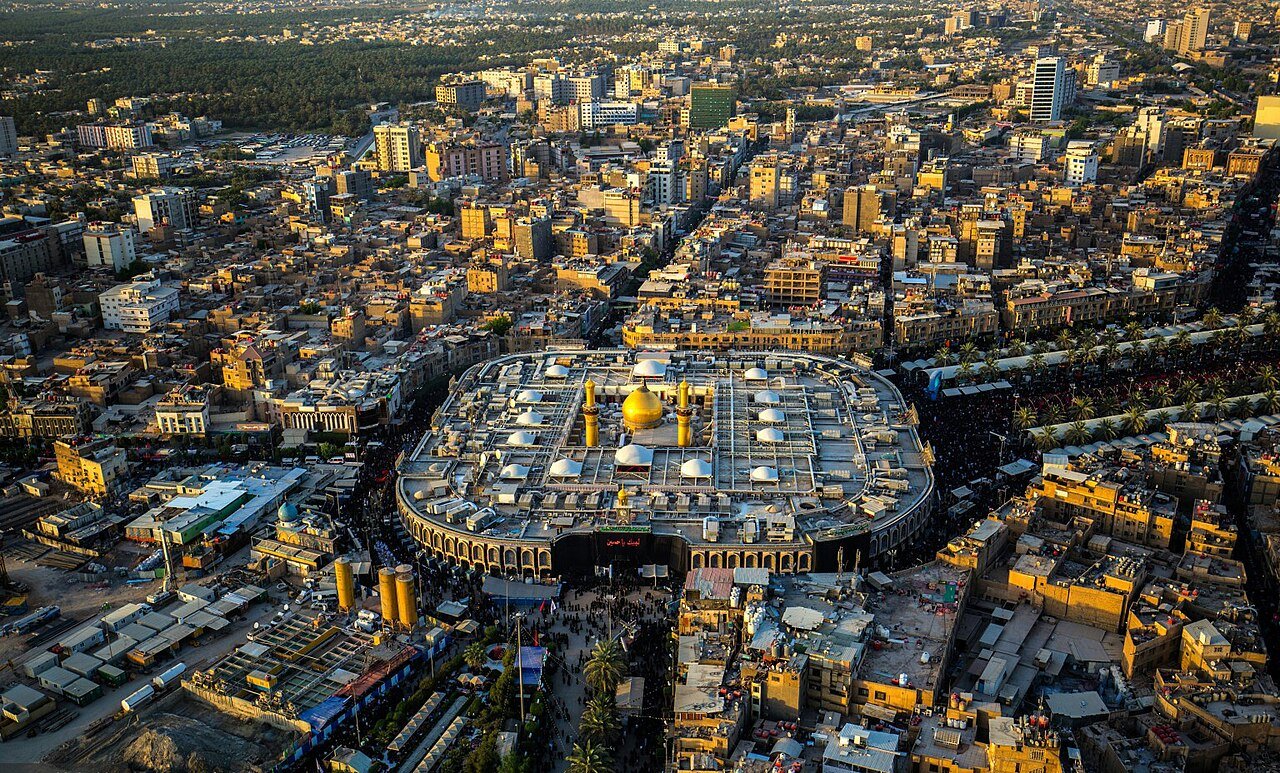
Imam Husayn Shrine is one of the most sacred religious sites in the Islamic world and the most important landmark in Karbala. The shrine houses the tomb of Imam Husayn ibn Ali, the grandson of Prophet Muhammad, who was martyred during the Battle of Karbala in 680 CE.
Visitors exploring the shrine experience magnificent golden domes, towering minarets, beautiful courtyards, intricate Islamic calligraphy, stunning mosaics, and a deeply spiritual atmosphere.
Millions of pilgrims visit the shrine every year, especially during Ashura and Arbaeen, making it one of the largest religious gathering sites in the world.
The shrine stands as a symbol of sacrifice, justice, courage, and faith.
Photography lovers especially appreciate the golden architecture and illuminated nighttime views.
Every visit feels spiritual and unforgettable.
2. Al-Abbas Shrine – The Symbol of Loyalty and Courage

Al-Abbas Shrine is one of the most revered religious sites in Iraq and is dedicated to Abbas ibn Ali, the half-brother of Imam Husayn.
The shrine is famous for its magnificent golden dome, elegant minarets, beautiful mirror work, and extraordinary architectural beauty.
Visitors exploring the complex experience peaceful courtyards, spiritual gatherings, artistic decorations, and centuries of religious history.
The shrine symbolizes loyalty, bravery, and devotion and attracts millions of pilgrims every year.
The avenue connecting the shrine to the Imam Husayn Shrine is one of the most iconic religious spaces in the world.
Photography lovers especially appreciate the illuminated domes and stunning architecture.
Every visit feels inspiring and meaningful.
3. Bayn al-Haramayn – The Sacred Plaza Between the Shrines

Bayn al-Haramayn is one of the most famous religious plazas in the Islamic world and connects the Imam Husayn Shrine with the Al-Abbas Shrine.
Visitors exploring the plaza experience grand walkways, beautiful fountains, religious ceremonies, spiritual gatherings, and breathtaking views of both shrines.
The area becomes especially vibrant during major religious events when millions of pilgrims gather for worship and remembrance.
The plaza represents unity, devotion, and the historical connection between Imam Husayn and Abbas ibn Ali.
The illuminated surroundings create extraordinary beauty after sunset.
Photography lovers especially appreciate the panoramic views of both shrines.
Every visit feels spiritual and unforgettable.
4. Karbala Old City – The Historic Center of Pilgrimage

Karbala Old City preserves centuries of history and reflects the city’s importance as one of the world’s greatest pilgrimage destinations.
Visitors exploring the historic district experience traditional markets, religious schools, historic buildings, local shops, cultural landmarks, and authentic Iraqi atmosphere.
The old city has welcomed pilgrims, scholars, and travelers from across the world for centuries.
Its narrow streets and traditional architecture preserve the spirit of historical Karbala.
The vibrant atmosphere reflects the city’s deep religious and cultural significance.
Photography lovers especially appreciate the traditional streets and historical architecture.
Every walk feels timeless and memorable.
5. Al-Ukhaidir Fortress – The Desert Castle Near Karbala

Al-Ukhaidir Fortress is one of the finest examples of early Islamic military architecture in the Middle East.
Built during the Abbasid era, the fortress served as a defensive stronghold and caravan station along important trade routes.
Visitors exploring the fortress experience massive walls, defensive towers, courtyards, historical chambers, and impressive desert landscapes.
The structure demonstrates the engineering and architectural achievements of the Abbasid period.
Its remote location enhances the feeling of historical exploration.
Photography lovers especially appreciate the desert scenery and fortress architecture.
Every visit feels historical and adventurous.
6. Al-Hurr Shrine – The Memorial of Redemption

Al-Hurr Shrine is dedicated to Al-Hurr ibn Yazid Al-Riyahi, a key figure in the events of Karbala who ultimately joined Imam Husayn before the battle.
Visitors exploring the shrine experience beautiful Islamic architecture, peaceful courtyards, religious significance, and historical exhibits.
The shrine symbolizes repentance, redemption, and moral courage.
Pilgrims often visit the site to reflect upon one of the most remarkable stories associated with the Battle of Karbala.
The tranquil atmosphere creates a deeply meaningful experience.
Photography lovers especially appreciate the shrine’s architecture and surroundings.
Every visit feels inspiring and reflective.
7. Razaza Lake – The Natural Escape Near Karbala

Razaza Lake is one of Iraq’s largest lakes and provides a beautiful natural attraction near the city.
Visitors exploring the area experience open landscapes, lakeside views, birdlife, recreational activities, fishing opportunities, and peaceful surroundings.
The lake offers a refreshing contrast to the urban and religious landmarks of Karbala.
Its vast waters create spectacular scenery, particularly during sunrise and sunset.
Nature lovers especially appreciate the tranquility and natural beauty.
Photography lovers especially enjoy capturing the expansive lake views.
Every visit feels relaxing and refreshing.
8. Karbala Food Culture – The Traditional Flavors of Iraq

Karbala is one of Iraq’s most important cultural and religious cities and offers a rich culinary tradition influenced by centuries of pilgrimage and hospitality.
Visitors can enjoy traditional dishes such as Quzi, Dolma, Tashreeb, Kebabs, Kubba, grilled meats, rice specialties, fresh breads, dates, sweets, and regional delicacies.
The city’s role as a major pilgrimage destination has created a vibrant food culture with countless restaurants, markets, and traditional eateries serving visitors from around the world.
Traditional recipes have been preserved through generations and remain an important part of local identity.
Food lovers especially enjoy exploring local markets and authentic Iraqi restaurants near the shrine districts.
Every meal feels flavorful and unforgettable.
Karbala beautifully combines spiritual heritage, sacred shrines, Islamic history, cultural traditions, historic landmarks, desert architecture, and extraordinary cuisine, making it one of the most important religious destinations in the world.
Related artical : Best place to visit in Najaf