
Now Reading: Best place to visit in Sinjar
-
01
Best place to visit in Sinjar
Best place to visit in Sinjar
1. Mount Sinjar – The Sacred Mountain of Resilience and History

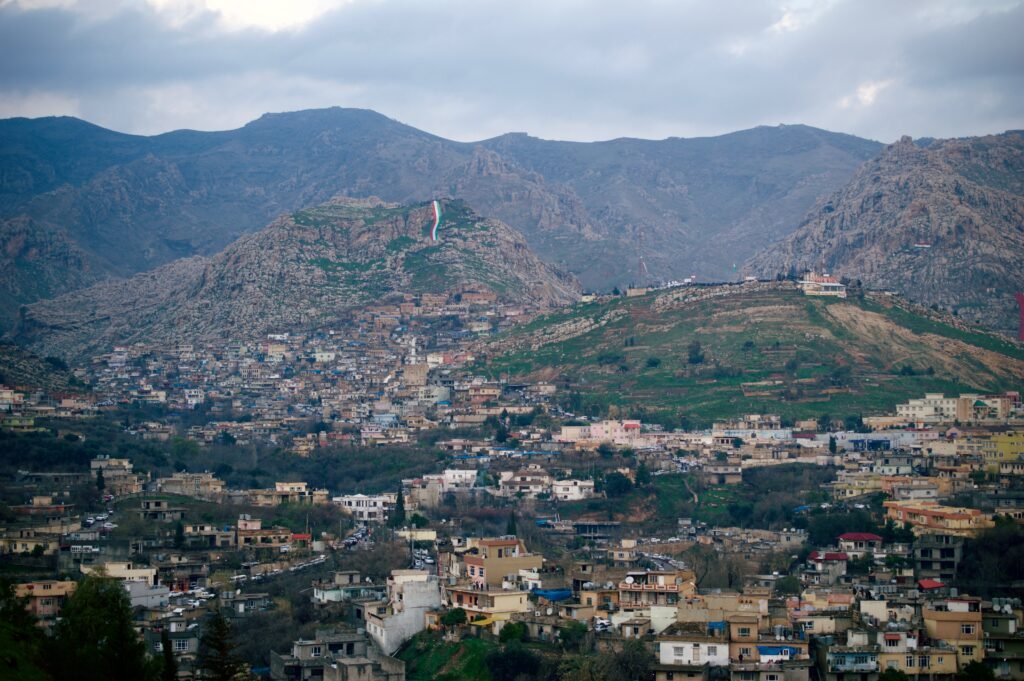
Mount Sinjar is the most iconic landmark of the region and one of the most historically significant mountains in Iraq. Rising dramatically above the surrounding plains, Mount Sinjar has served as a natural fortress, cultural center, and refuge for local communities for thousands of years.
The mountain stretches for nearly 100 kilometers across northwestern Iraq and dominates the landscape with its rugged cliffs and scenic peaks. Throughout history, it has provided protection to people during periods of conflict and has become a symbol of strength, endurance, and survival.
Visitors exploring Mount Sinjar experience breathtaking panoramic views, hiking trails, ancient villages, caves, rocky landscapes, and stunning sunsets. The mountain’s elevated position offers spectacular scenery across the Nineveh Plains and surrounding countryside.
The area is particularly beautiful during spring when wildflowers cover the slopes and greenery transforms the landscape.
Photography lovers especially appreciate the dramatic mountain scenery and panoramic viewpoints.
Every journey feels adventurous and unforgettable.
2. Sinjar City – The Historic Heart of the Region

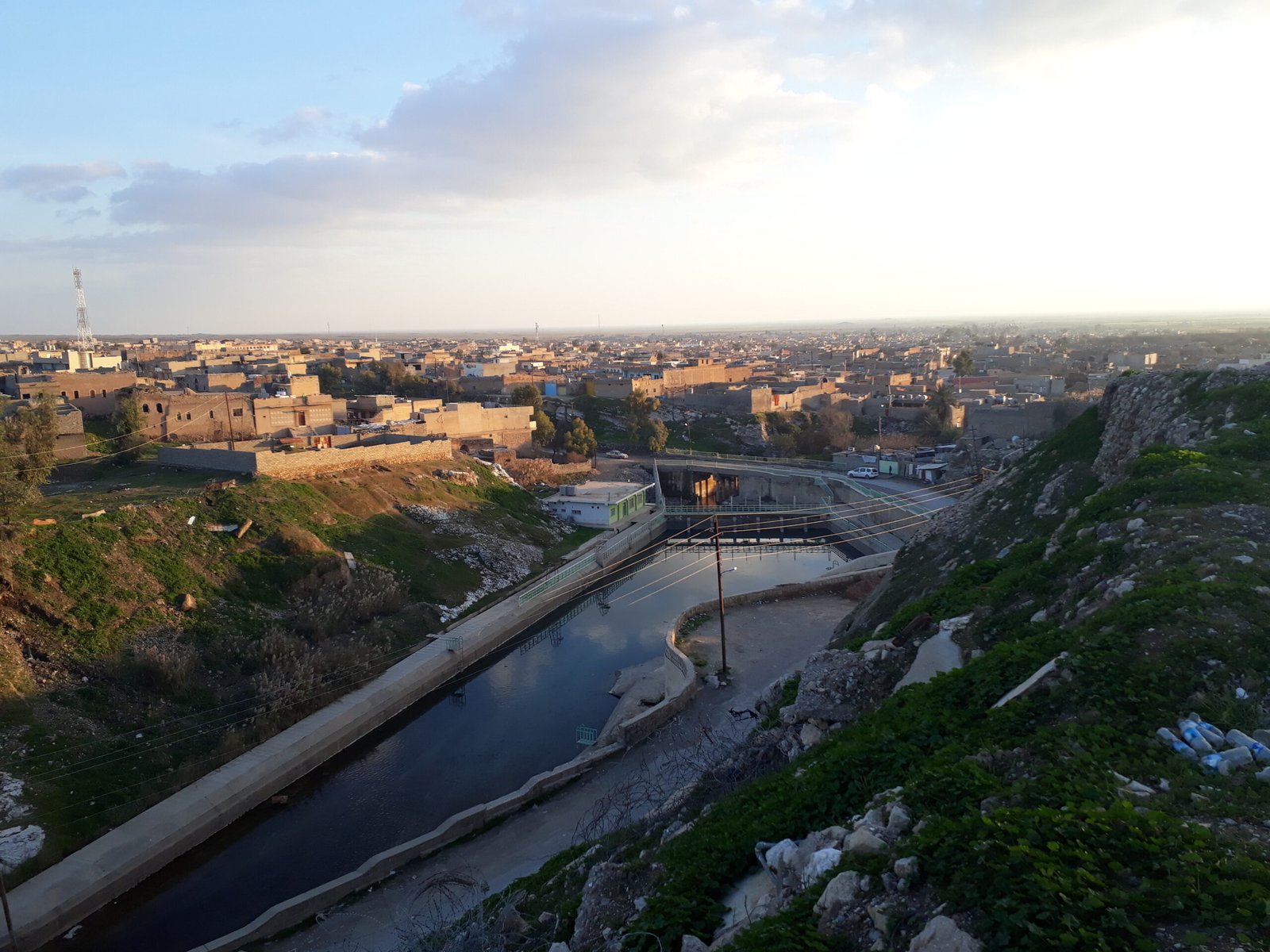
Sinjar City serves as the cultural and administrative center of the district and has a history stretching back thousands of years.
Located at the foot of Mount Sinjar, the city has long occupied a strategic position connecting Mesopotamia with Syria and Anatolia. Merchants, travelers, and armies passed through the region for centuries, contributing to its rich cultural heritage.
Visitors exploring the city experience local markets, traditional neighborhoods, community centers, cultural landmarks, and authentic Iraqi hospitality.
The city reflects a unique blend of historical influences and cultural traditions that have developed over generations.
Walking through Sinjar provides visitors with insight into the resilience and determination of the local population.
Photography lovers especially appreciate the mountain backdrop and traditional urban landscapes.
Every visit feels authentic and meaningful.
3. Yazidi Heritage of Sinjar – One of the World’s Oldest Living Cultures

Sinjar is widely recognized as the historic homeland of the Yazidi people, one of the oldest religious communities in the Middle East.
For centuries, the region has preserved unique traditions, customs, festivals, languages, music, and spiritual practices that form an important part of Iraq’s cultural diversity.
Visitors interested in cultural heritage can learn about Yazidi history through local communities, traditional villages, cultural centers, and regional landmarks.
The culture of Sinjar is deeply connected to the surrounding mountains, villages, and historical traditions that have been passed down through generations.
The preservation of these traditions contributes significantly to the cultural richness of Iraq and the wider Middle East.
Photography lovers especially appreciate the traditional architecture, cultural festivals, and local customs.
Every experience feels educational and inspiring.
4. Sinjar Plains – The Fertile Landscape of Northwestern Iraq

Sinjar Plains surround the mountain and create one of the most important agricultural regions in northwestern Iraq.
Visitors exploring the plains experience vast wheat fields, barley farms, grazing lands, rural villages, and expansive open landscapes stretching toward the horizon.
Agriculture has supported local communities here for thousands of years and remains an essential part of the regional economy.
The fertile soil and favorable climate have contributed to the prosperity of settlements throughout history.
The changing colors of the fields throughout the seasons create spectacular scenery.
Photography lovers especially appreciate the vast landscapes and agricultural beauty.
Every journey feels peaceful and refreshing.
5. Ancient History of Sinjar – A Crossroads of Civilizations

The history of Sinjar extends back thousands of years and connects directly to some of the world’s earliest civilizations.
The region has been influenced by Assyrians, Babylonians, Persians, Romans, Arabs, Seljuks, Mongols, Ottomans, and modern Iraqi cultures.
Its location between Mesopotamia and the Mediterranean made it an important crossroads for trade, migration, and cultural exchange.
Visitors interested in history can explore ancient settlements, archaeological landscapes, historical routes, and traditional villages that reflect centuries of human activity.
The region’s strategic position helped shape its development throughout history.
Today, Sinjar remains one of Iraq’s most historically fascinating regions.
Photography lovers especially appreciate the historical landscapes and ancient atmosphere.
Every visit feels like stepping through thousands of years of history.
6. Sinjar Mountain Villages – Traditional Life in the Highlands

The villages scattered across Mount Sinjar offer visitors a unique glimpse into traditional life in northern Iraq.
Visitors exploring these communities experience stone houses, terraced landscapes, farming traditions, local hospitality, and breathtaking mountain scenery.
Many villages have existed for generations and preserve customs that reflect the deep connection between people and the mountain environment.
The peaceful atmosphere and natural beauty make these settlements some of the most charming destinations in the region.
Visitors often discover traditional crafts, local foods, and cultural traditions that continue to thrive despite the passage of time.
Photography lovers especially appreciate the mountain architecture and panoramic landscapes.
Every journey feels authentic and unforgettable.
7. Nature and Wildlife of Sinjar – The Untouched Beauty of Iraq

The natural environment of Sinjar offers some of the most beautiful scenery in northwestern Iraq.
Visitors exploring the area experience mountain ecosystems, seasonal streams, rocky cliffs, open grasslands, wildflowers, and diverse birdlife.
Spring is considered one of the best times to visit, when rainfall transforms the landscape into a green paradise filled with colorful flowers and fresh vegetation.
Nature enthusiasts appreciate the peaceful environment and opportunities for hiking and outdoor exploration.
The combination of mountains and plains creates remarkable biodiversity.
Photography lovers especially enjoy capturing wildlife and natural landscapes.
Every visit feels refreshing and inspiring.
8. Sinjar Food Culture – Traditional Flavors of Northern Iraq

Sinjar offers a rich culinary heritage influenced by centuries of cultural exchange and agricultural traditions.
Visitors can enjoy traditional dishes including grilled meats, Dolma, Kubba, rice specialties, fresh bread, yogurt-based dishes, seasonal vegetables, local cheeses, and regional desserts.
Many recipes have been preserved through generations and continue to play an important role in family gatherings and cultural celebrations.
The fertile plains surrounding the region provide fresh agricultural products that strongly influence local cuisine.
Traditional cooking methods and local ingredients create distinctive flavors unique to the region.
Food lovers especially enjoy exploring family-owned restaurants and authentic local dishes.
Every meal feels flavorful and unforgettable.
Sinjar beautifully combines dramatic mountain landscapes, ancient history, cultural heritage, traditional villages, fertile plains, natural beauty, and unique culinary traditions, making it one of the most fascinating and culturally significant destinations in Iraq.
Related artical : Best place to visit in Tal Afar