
Now Reading: Best place to visit in Palermo
-
01
Best place to visit in Palermo
Best place to visit in Palermo

Palermo is the vibrant capital of Sicily and one of Italy’s most fascinating cities. Located on the northern coast of the island, Palermo is a place where history, culture, architecture, cuisine, and Mediterranean beauty come together to create an unforgettable travel experience. With over 2,700 years of history, the city has been influenced by Phoenicians, Greeks, Romans, Arabs, Normans, Spanish, and Italians, making it one of the most culturally diverse destinations in Europe.
Palermo is famous for its magnificent churches, royal palaces, bustling markets, UNESCO World Heritage Sites, beautiful beaches, and world-renowned street food. Walking through the city feels like traveling through different civilizations, where every street, square, and monument tells a story.
Visitors can explore ancient architecture, enjoy authentic Sicilian cuisine, relax along the Mediterranean coast, and discover the unique character that makes Palermo one of Italy’s most remarkable cities.
1. Palermo Cathedral – The City’s Most Iconic Landmark

Palermo Cathedral is one of the most important architectural treasures in Sicily and a symbol of the city’s rich history.
Originally built in 1185, the cathedral showcases a unique blend of Norman, Arab, Gothic, Renaissance, and Baroque architectural styles. This remarkable combination reflects the many civilizations that have shaped Palermo throughout its history.
Visitors can admire magnificent interiors, royal tombs, chapels, religious artwork, and beautiful courtyards. The rooftop terraces offer breathtaking panoramic views of Palermo, the surrounding mountains, and the Mediterranean Sea.
The cathedral is also the resting place of several Sicilian kings and emperors, making it one of the most historically significant monuments in southern Italy.
2. Norman Palace – The Royal Heart of Sicily

Norman Palace is one of Europe’s oldest royal residences and one of Sicily’s greatest historical attractions.
Originally built as an Arab fortress before being transformed by Norman rulers, the palace served as the seat of kings who governed Sicily during the Middle Ages.
Today, visitors can explore magnificent royal chambers, historical halls, government rooms, and priceless works of art.
The palace provides a fascinating insight into Sicily’s multicultural history and royal heritage.
Its grandeur and historical importance make it a must-visit destination.
3. Palatine Chapel – Sicily’s Greatest Artistic Masterpiece

Palatine Chapel is located within the Norman Palace and is considered one of the most beautiful churches in the world.
Built during the 12th century, the chapel is famous for its breathtaking golden mosaics, intricate wooden ceilings, Byzantine artwork, and exceptional craftsmanship.
The interior combines Norman, Arab, and Byzantine artistic influences, creating a masterpiece unlike any other religious building in Europe.
Visitors are often amazed by the extraordinary detail and beauty of the mosaics that cover the walls and ceilings.
The chapel is widely regarded as the greatest example of Norman-Arab-Byzantine art in Sicily.
4. Quattro Canti – The Crossroads of Palermo

Quattro Canti is one of the city’s most famous landmarks and serves as the symbolic center of Palermo.
Constructed during the early 17th century, the square features four identical Baroque facades positioned at the intersection of Palermo’s historic streets.
Each corner is decorated with statues representing seasons, Spanish kings, and patron saints.
Visitors can admire the architectural symmetry while exploring nearby attractions, churches, markets, and historical sites.
The square remains one of Palermo’s most photographed locations.
5. Teatro Massimo – Italy’s Largest Opera House

Teatro Massimo is the largest opera house in Italy and one of the largest in Europe.
Opened in 1897, the theater is renowned for its magnificent architecture, exceptional acoustics, and cultural significance.
Visitors can tour elegant halls, grand staircases, luxurious auditoriums, and backstage areas while learning about Palermo’s artistic heritage.
The theater hosts opera performances, concerts, ballet productions, and cultural events throughout the year.
Its beauty and prestige make it one of Palermo’s most important cultural landmarks.
6. Ballarò Market – Palermo’s Most Authentic Experience

Ballarò Market is one of the oldest and most vibrant markets in Sicily.
The market is famous for its lively atmosphere, colorful stalls, fresh produce, seafood, spices, cheeses, meats, and traditional Sicilian street food.
Visitors can sample local specialties such as arancini, panelle, sfincione, cannoli, and fresh seafood while experiencing authentic Palermo culture.
The sounds, aromas, and energy of the market provide a genuine glimpse into everyday life in Sicily.
For food lovers, Ballarò is an essential stop.
7. Mondello Beach – Palermo’s Coastal Paradise

Mondello Beach is one of Sicily’s most beautiful beaches.
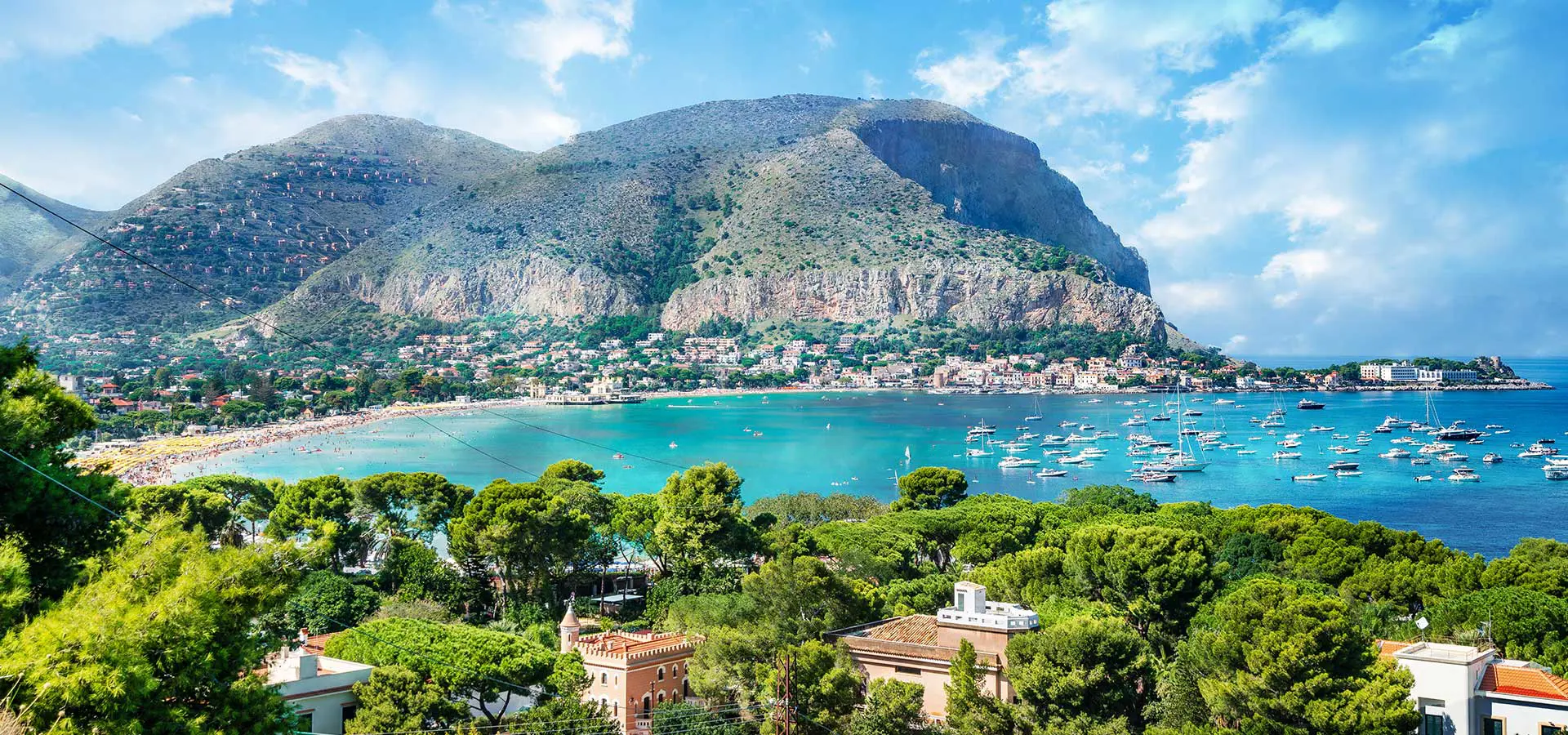
Located just a short distance from the city center, Mondello is famous for its white sand, crystal-clear turquoise waters, and picturesque mountain backdrop.
Visitors can enjoy swimming, sunbathing, water sports, beachfront dining, and relaxing walks along the promenade.
The beach attracts both locals and tourists seeking a peaceful escape from the city.
Its natural beauty makes it one of Palermo’s most popular destinations.
8. Catacombs of the Capuchins – Palermo’s Most Unique Attraction

Catacombs of the Capuchins is one of the most unusual and fascinating attractions in Italy.
The underground catacombs contain thousands of preserved mummies dating from the 16th to the 20th centuries.
Originally intended for monks, the catacombs eventually became a burial place for nobles, professionals, and wealthy families.
Visitors can learn about historical burial customs while exploring corridors lined with remarkably preserved remains.
The site offers a unique perspective on Palermo’s social and cultural history.
9. Foro Italico – Palermo’s Beautiful Waterfront

Foro Italico is a scenic waterfront promenade overlooking the Mediterranean Sea.
The area provides beautiful walking paths, green spaces, cycling routes, and spectacular sea views.
Visitors can enjoy relaxing strolls, outdoor activities, and stunning sunsets while admiring Palermo’s coastline.
The promenade is especially popular during evenings when locals gather to socialize and enjoy the pleasant atmosphere.
Its peaceful environment offers a refreshing contrast to the busy city center.
10. Mount Pellegrino – Palermo’s Natural Wonder

Mount Pellegrino rises dramatically above the city and offers some of the most spectacular views in Sicily.
The mountain was described by famous writer Johann Wolfgang von Goethe as “the most beautiful promontory in the world.”
Visitors can drive or hike to the summit to enjoy panoramic views of Palermo, the Mediterranean Sea, and surrounding landscapes.
The mountain is also home to the famous Sanctuary of Saint Rosalia, dedicated to Palermo’s patron saint.
Its combination of natural beauty, religious significance, and breathtaking scenery makes it one of Palermo’s top attractions.
Related artical : Best place to visit in Turin