
Now Reading: Best place to visit in Bologna
-
01
Best place to visit in Bologna
Best place to visit in Bologna

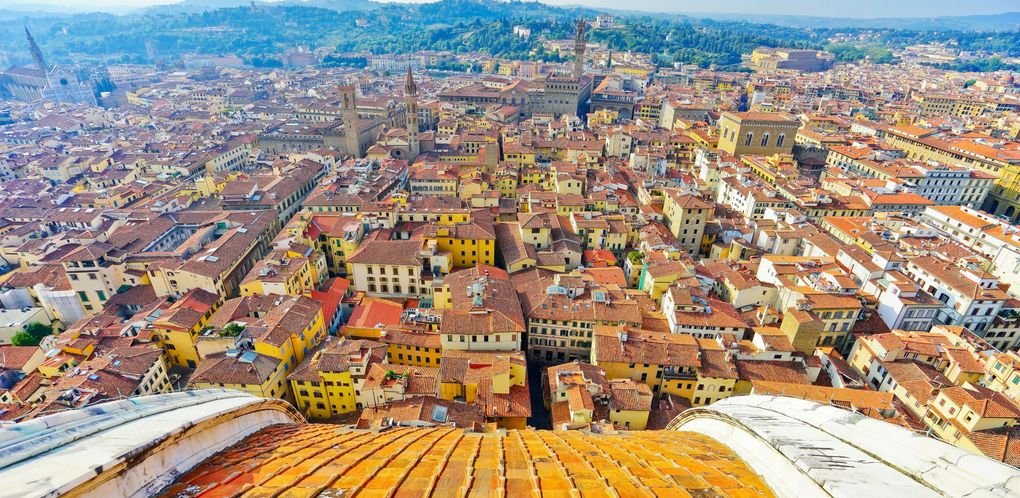
Bologna is one of Italy’s most beautiful, historic, and culturally rich cities. Located in the heart of the Emilia-Romagna region, Bologna is famous for its medieval architecture, red-tiled rooftops, historic porticoes, prestigious university, vibrant atmosphere, and exceptional cuisine.
Often called “La Dotta, La Grassa, e La Rossa” (The Learned, The Fat, and The Red), Bologna is renowned for its educational heritage, culinary excellence, and distinctive red-colored buildings. The city is home to the oldest university in the Western world and has served as an important cultural, political, and economic center for centuries.
Visitors can explore ancient churches, medieval towers, bustling squares, world-class museums, and traditional markets while enjoying some of the finest food in Italy. Bologna offers an authentic Italian experience that combines history, culture, and gastronomy in a unique and unforgettable way.
1. Piazza Maggiore – The Heart of Bologna

Piazza Maggiore is the city’s most important square and has been the center of public life for over 800 years.
Surrounded by magnificent medieval and Renaissance buildings, the square serves as a gathering place for residents and visitors alike. Throughout the year, concerts, festivals, cultural events, and celebrations take place here.
Visitors can admire historic architecture, enjoy outdoor cafés, watch street performers, and experience the lively atmosphere that defines Bologna.
The square is often considered the perfect starting point for exploring the city’s historic center.
Its beauty and historical significance make it one of the most famous squares in Italy.
2. Basilica of San Petronio – Bologna’s Architectural Masterpiece

Basilica of San Petronio dominates Piazza Maggiore and is one of the largest churches in Europe.
Construction began in 1390, and although never fully completed according to its original design, the basilica remains one of Bologna’s most impressive landmarks.
Visitors can admire its enormous interior, beautiful chapels, historic artwork, and the famous meridian line used for astronomical observations.
The unfinished façade creates a unique visual appearance that distinguishes it from many other Italian churches.
The basilica is dedicated to Saint Petronius, the patron saint of Bologna.
3. Two Towers – The Symbol of Bologna

Two Towers are the most recognizable landmarks in the city.
The towers, known as the Asinelli Tower and Garisenda Tower, were built during the 12th century when wealthy families competed to construct the tallest towers as symbols of power and prestige.
The taller Asinelli Tower stands approximately 97 meters high and can be climbed by visitors willing to tackle hundreds of steps.
From the summit, breathtaking views of Bologna’s rooftops, churches, and surrounding countryside await.
The towers have become an enduring symbol of the city’s medieval heritage.
4. University of Bologna – The Oldest University in the Western World

University of Bologna was founded in 1088 and is recognized as the oldest continuously operating university in the Western world.
For nearly a thousand years, students and scholars from across Europe have traveled to Bologna to pursue higher education.
Notable figures associated with the university include scientists, philosophers, writers, and political leaders who helped shape European history.
Visitors can explore historic buildings, libraries, courtyards, and museums while learning about the institution’s extraordinary legacy.
The university continues to play a vital role in the city’s cultural identity.
5. Archiginnasio of Bologna – A Historic Academic Treasure

Archiginnasio of Bologna served as the main building of the University of Bologna for centuries.
The complex is famous for its elegant courtyards, decorative coats of arms, historic library, and the remarkable Anatomical Theatre.
This beautifully preserved room was used for medical education and anatomical demonstrations beginning in the 17th century.
Visitors can admire intricate wooden carvings and learn about the development of scientific education in Europe.
The building is one of Bologna’s most important cultural landmarks.
6. Porticoes of Bologna – A UNESCO World Heritage Wonder

Porticoes of Bologna are among the city’s most unique features and have been recognized as a UNESCO World Heritage Site.
Stretching for more than 60 kilometers throughout the city, these covered walkways provide shelter from rain and sun while creating a distinctive architectural identity.
Walking beneath the porticoes allows visitors to experience Bologna’s beauty while exploring shops, restaurants, churches, and historic buildings.
The porticoes represent centuries of urban planning and architectural innovation.
They are one of the defining characteristics of the city.
7. Sanctuary of the Madonna di San Luca – Bologna’s Most Scenic Landmark

Sanctuary of the Madonna di San Luca sits atop a hill overlooking the city and offers some of the most spectacular views in the region.
The sanctuary is connected to Bologna by the world’s longest covered portico, stretching nearly four kilometers.
Visitors can walk the historic route or travel by tourist train to reach the church.
The panoramic views of Bologna and the surrounding countryside are truly unforgettable.
The sanctuary remains one of the city’s most important religious and cultural destinations.
8. Quadrilatero Market – The Culinary Soul of Bologna

Quadrilatero Market is one of the oldest market districts in Italy.
The area is filled with traditional food shops, bakeries, butcher shops, cheese stores, wine merchants, and restaurants.
Visitors can sample local specialties such as tortellini, mortadella, Parmigiano Reggiano, fresh pasta, balsamic vinegar, and regional wines.
The market provides an authentic glimpse into Bologna’s world-famous food culture.
Food lovers often consider it the highlight of their visit.
9. Palazzo Comunale – Bologna’s Historic Town Hall

Palazzo Comunale has served as the seat of local government for centuries.
The palace features elegant halls, impressive staircases, historical artwork, and beautiful architecture reflecting Bologna’s political history.
Visitors can explore exhibitions, ceremonial rooms, and observation areas while learning about the city’s administration and development.
The building remains an important symbol of civic life in Bologna.
Its location overlooking Piazza Maggiore adds to its significance.
10. Bologna’s Food Culture – The Gastronomic Capital of Italy

Bologna is often regarded as Italy’s food capital and one of the world’s greatest culinary destinations.
The city is famous for dishes such as Tagliatelle al Ragù (commonly known internationally as Bolognese sauce), Tortellini, Lasagna, Mortadella, and countless other regional specialties.
Visitors can enjoy traditional trattorias, family-owned restaurants, cooking classes, food tours, wine tastings, and bustling local markets.
Food in Bologna is deeply connected to family traditions, local ingredients, and centuries of culinary expertise.
Exploring the city’s gastronomy is an essential part of the travel experience.
Many visitors consider Bologna’s cuisine among the finest in all of Italy.
Related artical : Best place to visit in Genoa