
Now Reading: Best place to visit in Parma
-
01
Best place to visit in Parma
Best place to visit in Parma

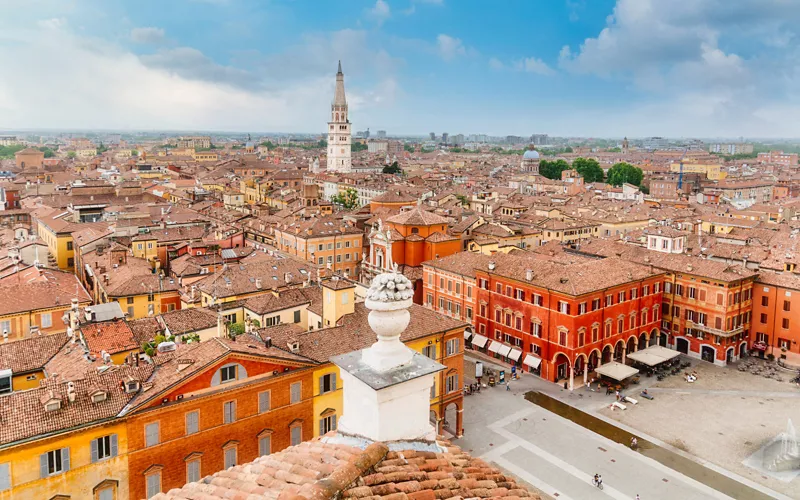
Parma is one of Italy’s most sophisticated and culturally rich cities. Located in the heart of the Emilia-Romagna region, Parma is internationally renowned for its extraordinary culinary traditions, magnificent architecture, rich artistic heritage, prestigious musical history, and elegant atmosphere. Often referred to as the “Food Capital of Italy,” Parma is the birthplace of world-famous delicacies such as Parma Ham and Parmigiano Reggiano cheese.
With a history spanning more than 2,000 years, Parma has been influenced by Romans, Lombards, medieval rulers, Renaissance nobles, and powerful European dynasties. Throughout the centuries, the city developed into a center of art, culture, education, and gastronomy, attracting artists, composers, scholars, and travelers from across Europe.
Today, Parma offers visitors an authentic Italian experience where magnificent cathedrals, elegant palaces, historic theaters, beautiful parks, and exceptional cuisine come together to create one of the most rewarding destinations in northern Italy.
Whether you are passionate about history, architecture, music, food, or culture, Parma provides an unforgettable journey into the heart of Italian excellence.
1. Parma Cathedral – A Masterpiece of Romanesque Architecture

Parma Cathedral is one of the city’s most important landmarks and one of the finest Romanesque churches in Italy.
Construction began during the 11th century, and the cathedral has remained a symbol of Parma’s religious and artistic heritage for nearly a thousand years. Its impressive façade, elegant bell tower, and magnificent interior attract visitors from around the world.
Inside, visitors can admire breathtaking frescoes created by the famous Renaissance artist Antonio da Correggio. His masterpiece depicting the Assumption of the Virgin is considered one of the greatest achievements of Renaissance art.
The cathedral’s combination of architectural beauty, religious significance, and artistic treasures makes it an essential destination for anyone visiting Parma.
2. Parma Baptistery – One of Italy’s Greatest Medieval Monuments

Parma Baptistery stands beside the cathedral and is widely regarded as one of the most beautiful baptisteries in Europe.
Constructed from distinctive pink Verona marble, the octagonal building represents a remarkable transition between Romanesque and Gothic architecture.
Visitors are often amazed by the interior’s frescoes, sculptures, arches, and decorative artwork that illustrate biblical stories and medieval religious symbolism.
The baptistery took more than a century to complete and remains one of the finest examples of medieval craftsmanship in Italy.
Its artistic and architectural significance makes it one of Parma’s most treasured landmarks.
3. Teatro Regio – The Musical Heart of Parma

Teatro Regio is one of the most prestigious opera houses in Italy and a symbol of the city’s deep connection to music.
Opened in 1829, the theater has hosted some of the world’s greatest opera performances and remains closely associated with the legendary composer Giuseppe Verdi.
Visitors can admire elegant interiors, luxurious balconies, magnificent chandeliers, and exquisite decorations that reflect the grandeur of Italian opera culture.
Every year, the theater attracts music lovers from around the world who come to experience world-class performances.
Its reputation makes Parma one of Italy’s most important musical destinations.
4. Palazzo della Pilotta – Parma’s Cultural Treasure

Palazzo della Pilotta is one of the largest and most important historical complexes in the city.
Originally built for the powerful Farnese family, the palace now houses museums, galleries, libraries, archaeological collections, and cultural institutions.
Visitors can explore centuries of history through impressive exhibitions featuring paintings, sculptures, manuscripts, and historical artifacts.
The complex provides valuable insight into Parma’s political, artistic, and cultural development.
It remains one of the city’s most significant attractions.
5. Farnese Theatre – A Remarkable Wooden Masterpiece

Farnese Theatre is one of the most extraordinary historic theaters in Europe.
Constructed during the early 17th century, the theater was built almost entirely from wood and designed to host lavish court performances and celebrations.
Visitors can admire its vast stage, impressive seating arrangements, and remarkable architectural design.
Despite suffering damage during World War II, the theater was carefully restored and remains one of Parma’s greatest cultural treasures.
Its unique atmosphere offers visitors a glimpse into the grandeur of Renaissance and Baroque entertainment.
6. Parco Ducale – Parma’s Green Oasis

Parco Ducale is one of the city’s most beautiful public parks.
Created during the Renaissance period, the park features elegant pathways, fountains, sculptures, ponds, gardens, and centuries-old trees.
Visitors can enjoy peaceful walks, outdoor activities, photography, and relaxation while escaping the busy city streets.
The park also offers beautiful views of nearby historic buildings and palaces.
Its natural beauty makes it a favorite destination for both locals and tourists.
7. Camera di San Paolo – A Hidden Renaissance Gem

Camera di San Paolo is one of Parma’s lesser-known but most remarkable artistic treasures.
The room contains extraordinary frescoes created by Correggio, whose innovative style helped transform Renaissance painting.
Visitors can admire beautifully decorated ceilings featuring mythological themes, intricate details, and artistic techniques that were revolutionary for their time.
Art historians consider the room one of the most important Renaissance masterpieces in northern Italy.
Its beauty continues to inspire visitors centuries after its creation.
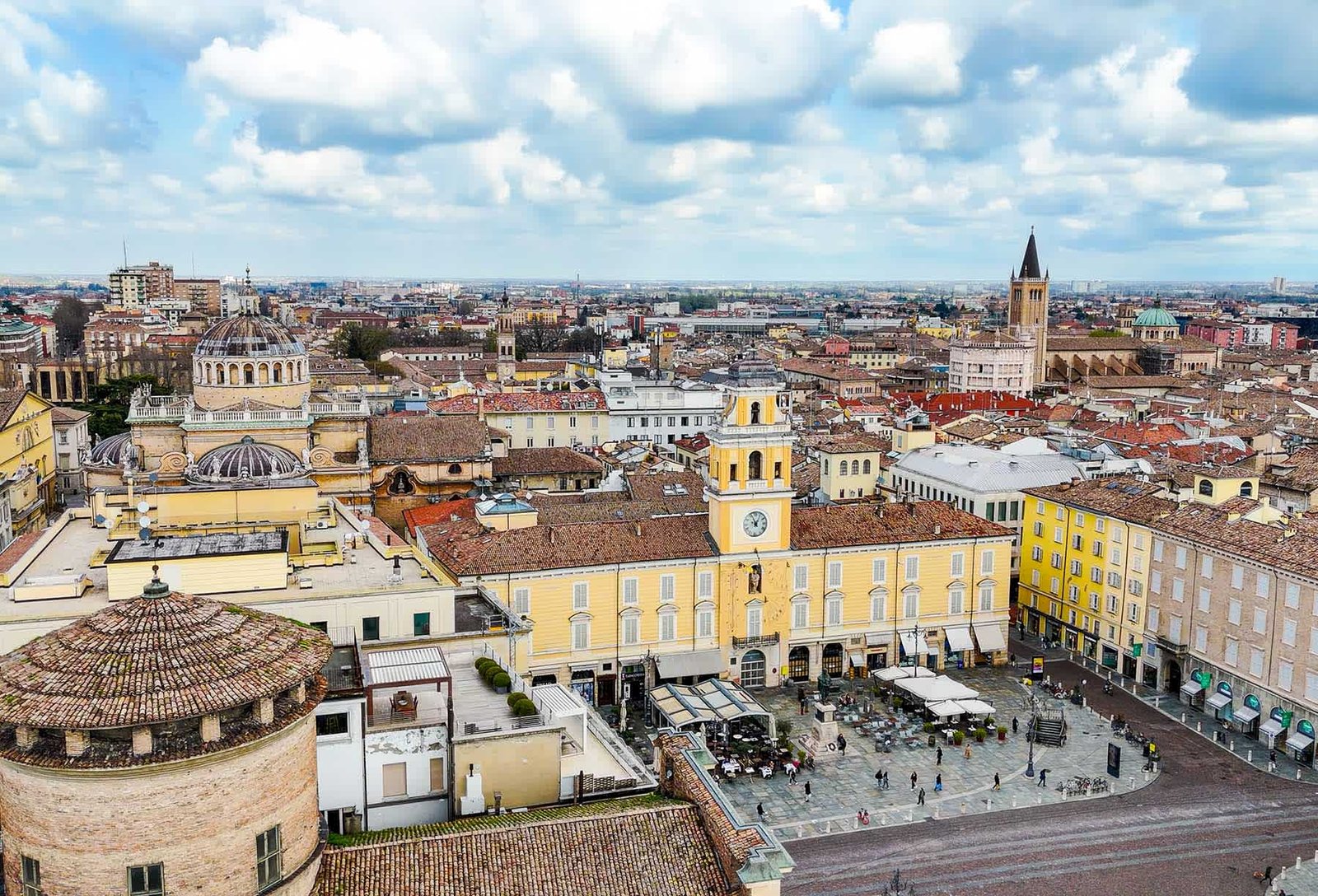
8. Piazza Garibaldi – The Historic Center of City Life

Piazza Garibaldi serves as the social and civic heart of the city.
Surrounded by elegant buildings, cafés, restaurants, shops, and government offices, the square has played an important role in Parma’s public life for centuries.
Visitors can enjoy outdoor dining, cultural events, festivals, and the lively atmosphere that defines daily life in Parma.
The square is an excellent place to experience local culture and observe the rhythm of the city.
Its central location makes it a popular starting point for exploring Parma.
9. Parma’s Gastronomic Heritage – The Food Capital of Italy

Parma is internationally famous for producing some of the world’s finest food products.
The city is the birthplace of the legendary Prosciutto di Parma and Parmigiano Reggiano, both recognized as symbols of Italian culinary excellence.
Visitors can tour cheese factories, ham producers, vineyards, and traditional farms while learning about centuries-old production methods.
Restaurants throughout the city serve authentic regional dishes prepared using locally sourced ingredients and traditional recipes.
Food lovers often consider Parma one of the greatest culinary destinations in the world.
Every meal provides an opportunity to experience the rich gastronomic heritage that defines the region.
10. Giuseppe Verdi Heritage – Celebrating Italy’s Greatest Composer

The legacy of Giuseppe Verdi is deeply woven into the identity of Parma and its surrounding countryside.
Although born nearby, Verdi’s influence can be felt throughout the city in its theaters, festivals, museums, monuments, and musical traditions.
Visitors can explore exhibitions dedicated to his life and work while attending concerts and performances celebrating his contributions to classical music.
Parma’s strong musical culture continues to honor Verdi’s legacy and attract opera enthusiasts from around the world.
For lovers of music and culture, experiencing Parma’s connection to Verdi is an unforgettable part of any visit.
Related artical : Best place to visit in Prato