
Now Reading: Best place to visit in May Pen
-
01
Best place to visit in May Pen
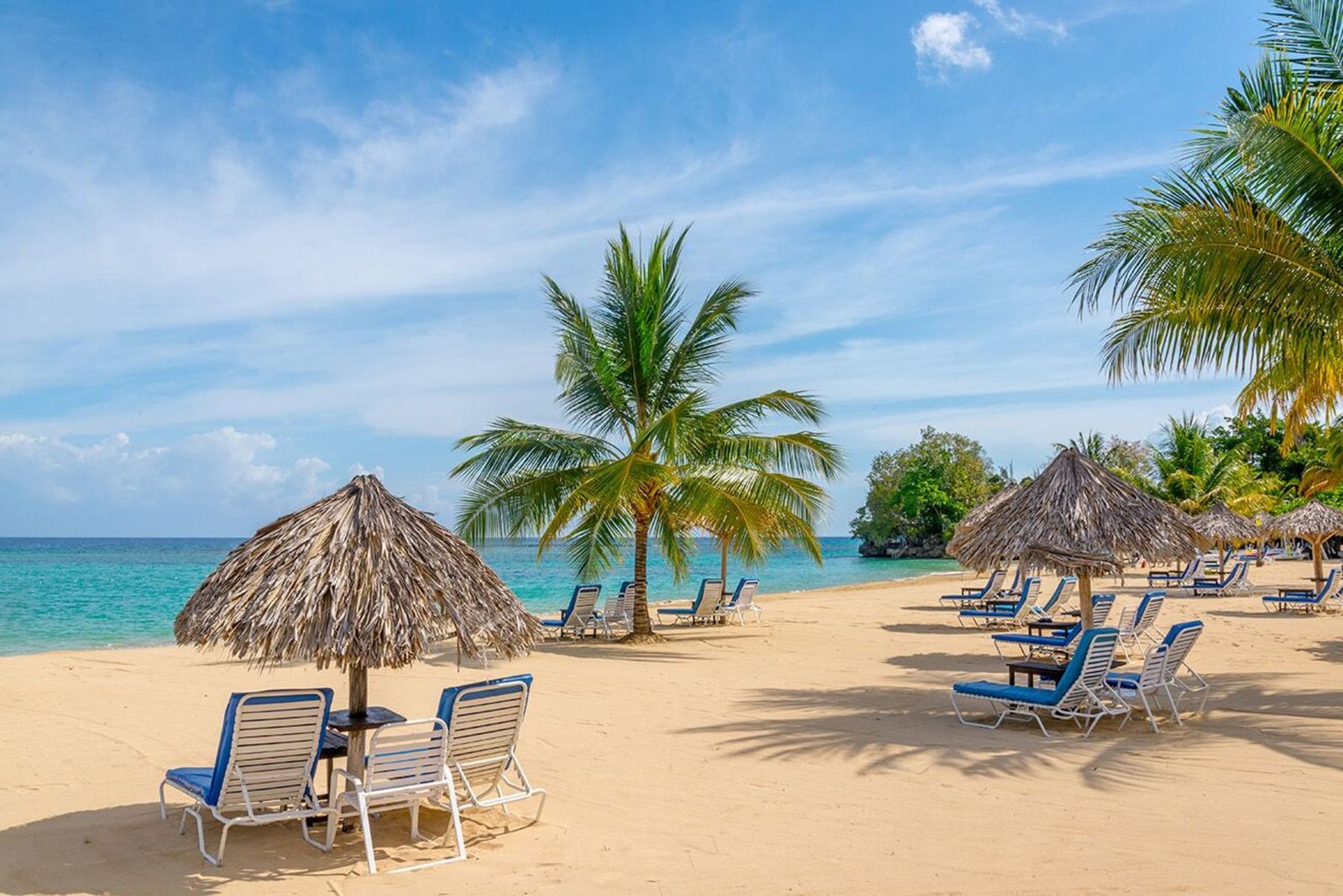
Best place to visit in May Pen

Located in the center of Clarendon Parish, May Pen is one of Jamaica’s most important inland towns and serves as the capital of Clarendon Parish. Rich in history, culture, agriculture, and community spirit, May Pen plays a vital role in Jamaica’s economy and daily life. Unlike the island’s famous beach resorts, May Pen offers visitors an authentic experience of Jamaican heritage, showcasing the traditions, industries, and landscapes that have shaped the nation for centuries.
Founded during the colonial era, May Pen developed as a key trading center because of its strategic location along important transportation routes. Over time, the town became a major agricultural hub, supporting the production of sugar, citrus fruits, livestock, vegetables, and other crops that remain important to Jamaica’s economy today.
Today, May Pen combines historic landmarks, bustling markets, scenic countryside, and modern development, making it one of Jamaica’s most fascinating inland destinations.
1. May Pen Town Centre – The Heart of Clarendon
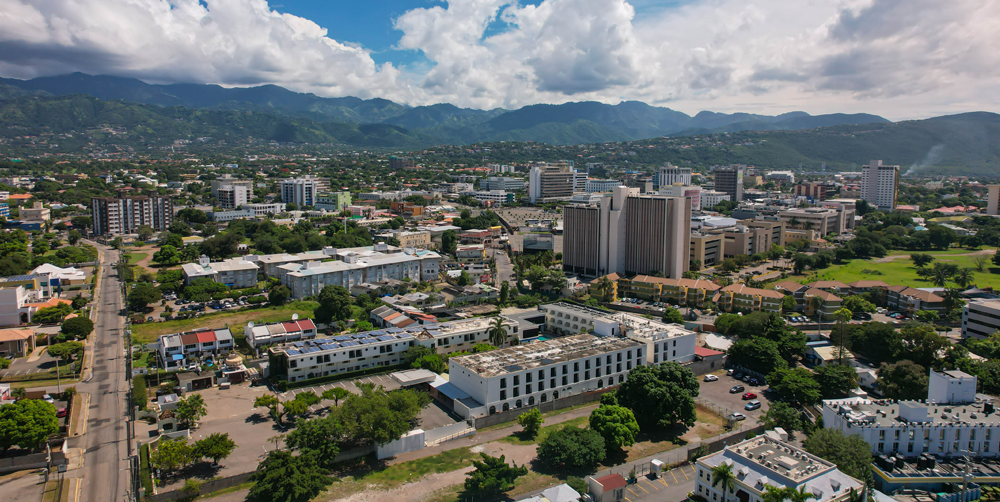
The vibrant center of May Pen Town Centre serves as the commercial, social, and administrative heart of Clarendon Parish.
Bustling streets are lined with shops, government buildings, restaurants, banks, and local businesses that reflect the town’s importance within central Jamaica. Throughout the day, residents and visitors gather here to shop, conduct business, and experience everyday Jamaican life.
Walking through the town center offers a unique opportunity to observe the energy and culture that define one of Jamaica’s most important regional cities.
The area remains a vital hub connecting communities throughout Clarendon and beyond.
2. May Pen Market – The Agricultural Heartbeat of the Region

The bustling May Pen Market is one of the largest and most important agricultural markets in Jamaica.
Farmers from across Clarendon bring fresh fruits, vegetables, livestock products, herbs, spices, and handcrafted goods to the market every week. The vibrant atmosphere reflects the region’s strong agricultural traditions and economic significance.
Visitors can experience authentic Jamaican culture while sampling local produce and interacting with vendors whose families have participated in the market for generations.
The market provides a fascinating glimpse into the agricultural foundation that continues to support much of Jamaica’s economy.
3. St. Gabriel’s Anglican Church – A Historic Landmark

The historic St. Gabriel’s Anglican Church is one of the town’s most significant architectural and religious landmarks.
Serving the community for generations, the church reflects Jamaica’s colonial heritage and spiritual traditions. Its elegant architecture, peaceful surroundings, and historical importance make it a popular destination for visitors interested in local history.
Inside, visitors can admire traditional religious furnishings and learn about the role churches played in the development of Jamaican communities throughout the centuries.
4. Rio Minho – Jamaica’s Longest River

Flowing through Clarendon Parish, the magnificent Rio Minho is Jamaica’s longest river and one of the region’s most important natural resources.
For centuries, the river has supported agriculture, transportation, and settlement throughout central Jamaica. Its fertile floodplains contribute significantly to the agricultural productivity of the parish.
Visitors can enjoy scenic views of the river while learning about its role in shaping the history and economy of Clarendon.
The river remains a vital part of daily life for many communities in the region.
5. Clarendon Parish Church – A Symbol of Community and Heritage

Among the most respected religious institutions in the region is the historic Clarendon Parish Church.
The church has served local residents for generations and stands as a symbol of faith, resilience, and community spirit. Its architecture reflects the influence of British colonial design while preserving important aspects of Jamaican religious history.
Visitors interested in heritage tourism often appreciate the church’s historical significance and tranquil atmosphere.
6. Halse Hall Great House – A Window into Jamaica’s Colonial Past

The historic Halse Hall Great House offers valuable insight into Jamaica’s colonial era.
Originally associated with one of the island’s major sugar plantations, the estate played a significant role in the agricultural economy that shaped Jamaica’s development.
Visitors can learn about plantation life, colonial society, and the economic systems that influenced the island’s history. The site remains an important reminder of Jamaica’s complex and often challenging past.
7. Milk River Bath – Jamaica’s Famous Mineral Spa

Located within Clarendon Parish, the famous Milk River Bath is renowned for having some of the most mineral-rich thermal waters in the Caribbean.
Discovered during the 18th century, the mineral springs became famous for their reputed healing properties. Visitors from around the world travel to the spa seeking relaxation and therapeutic benefits.
The peaceful surroundings and natural mineral waters continue to make Milk River Bath one of Jamaica’s most unique wellness destinations.
8. Vere Plains – The Agricultural Breadbasket of Jamaica

The fertile Vere Plains represent one of Jamaica’s most productive agricultural regions.
Extensive farmland stretches across the landscape, producing sugarcane, vegetables, fruits, livestock, and numerous other agricultural products. The plains have played a critical role in Jamaica’s food production and rural economy for generations.
Visitors traveling through the region gain a deeper appreciation for the agricultural traditions that remain central to Jamaican life.
9. Jamalco and Clarendon’s Industrial Development

Clarendon Parish is also known for its contributions to Jamaica’s mining and industrial sectors.
The operations associated with Jamalco have played a significant role in regional economic development. The extraction and processing of bauxite have provided employment opportunities and contributed to Jamaica’s position as one of the world’s important producers of aluminum-related materials.
This industrial heritage complements the parish’s strong agricultural foundation.
10. Clarendon Countryside and Scenic Landscapes

One of the greatest attractions surrounding May Pen is the beautiful countryside that stretches across Clarendon Parish.
Rolling hills, fertile valleys, rivers, farmland, and small rural communities create a landscape that reflects the authentic character of central Jamaica. The region’s natural beauty provides excellent opportunities for sightseeing, photography, and exploration.
Visitors can experience a quieter side of Jamaica far removed from crowded tourist areas while discovering the traditions and landscapes that have shaped the island for centuries.
The countryside remains one of Clarendon’s greatest treasures and an essential part of the May Pen experience.
Related artical : Best place to visit in Mandeville