
Now Reading: Best place to visit in Falmouth
-
01
Best place to visit in Falmouth
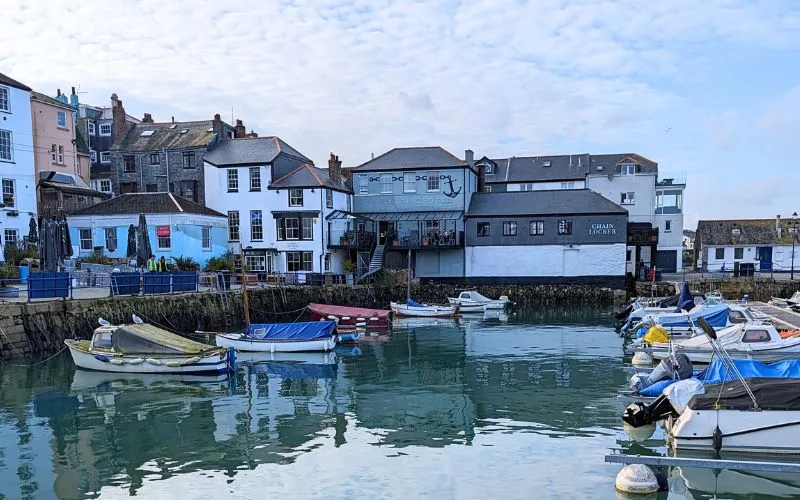
Best place to visit in Falmouth

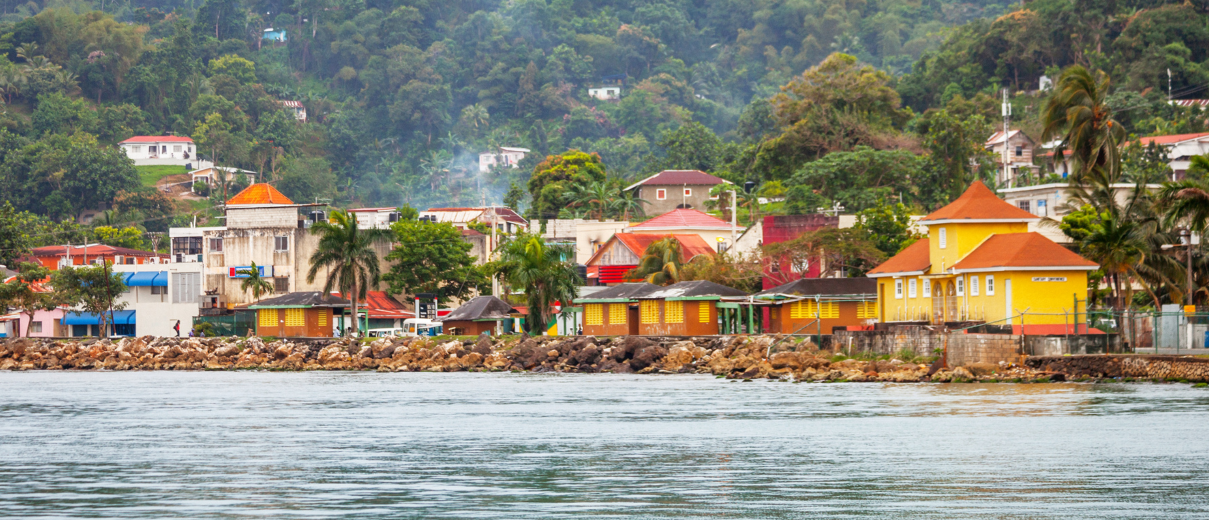
Located on Jamaica’s beautiful northern coast in the parish of Trelawny, Falmouth is one of the Caribbean’s best-preserved historic towns and one of Jamaica’s most fascinating destinations. Renowned for its remarkable Georgian architecture, rich colonial history, vibrant culture, beautiful beaches, and modern cruise port, Falmouth offers visitors a unique combination of heritage and contemporary tourism.
Founded in 1769 and named after the town of Falmouth in Cornwall, England, the city quickly became one of Jamaica’s most prosperous ports during the sugar boom of the 18th and 19th centuries. At its peak, Falmouth was considered one of the wealthiest towns in the Caribbean and was known for having modern amenities long before many larger cities around the world.
Today, visitors can stroll through historic streets lined with beautifully preserved buildings, explore important landmarks, relax on pristine beaches, and discover the fascinating stories that shaped Jamaica’s past. Falmouth remains a living museum where history and modern Caribbean life blend together seamlessly.
1. Falmouth Historic District – One of the Caribbean’s Best-Preserved Colonial Towns

The remarkable Falmouth Historic District is one of the most significant collections of Georgian architecture in the Western Hemisphere.
Walking through the town’s historic center feels like stepping back into the 18th century. Elegant buildings, wide streets, historic churches, public squares, and colonial-era structures reflect the prosperity that once made Falmouth one of the Caribbean’s most important commercial centers.
Many of these buildings have survived for centuries and continue to showcase the architectural styles and craftsmanship of the colonial period. Visitors interested in history and heritage often consider the historic district the highlight of their visit.
The area provides a fascinating glimpse into Jamaica’s economic, social, and cultural development during the colonial era.
2. Falmouth Cruise Port – Jamaica’s Modern Gateway to the Caribbean

The modern Falmouth Cruise Port has transformed the town into one of the Caribbean’s leading cruise destinations.
Designed to accommodate some of the world’s largest cruise ships, the port welcomes hundreds of thousands of visitors each year. The facility features shopping areas, restaurants, entertainment venues, and easy access to many of Jamaica’s top attractions.
The development of the cruise port has helped revitalize Falmouth while preserving its historic character. Visitors arriving by sea are greeted by a unique combination of modern infrastructure and centuries-old architecture.
The port continues to play a vital role in Jamaica’s tourism industry and local economy.
3. St. Peter’s Anglican Church – A Historic Spiritual Landmark

The beautiful St. Peter’s Anglican Church is one of the town’s most important historical and religious landmarks.
Constructed during the late 18th century, the church has served generations of worshippers and remains an enduring symbol of Falmouth’s heritage. Its elegant architecture, historic furnishings, and peaceful atmosphere provide insight into the spiritual life of colonial Jamaica.
Visitors can admire the church’s traditional design while learning about its role in the development of the local community. The building remains one of the finest examples of colonial religious architecture on the island.
4. Martha Brae River – Jamaica’s Famous Bamboo Rafting Experience
One of the most popular attractions near Falmouth is the scenic Martha Brae River.
Visitors can enjoy a relaxing journey down the river aboard traditional bamboo rafts guided by experienced local captains. The peaceful trip passes through lush tropical landscapes filled with exotic plants, birds, and beautiful scenery.
The rafting experience offers a perfect opportunity to unwind while learning about the river’s history and importance to the local community.
For many visitors, drifting along the Martha Brae River becomes one of the most memorable experiences of their Jamaican vacation.
5. Greenwood Great House – A Remarkable Colonial Estate

The magnificent Greenwood Great House stands as one of Jamaica’s best-preserved plantation houses.
Built during the late 18th century, the estate contains an impressive collection of antiques, rare books, musical instruments, artwork, and historical artifacts. Visitors gain valuable insight into colonial society, plantation life, and Jamaica’s economic history.
The house’s architecture and beautifully preserved interiors offer a fascinating glimpse into the lifestyles of Jamaica’s wealthy landowners during the colonial period.
Its historical significance makes it one of the most important heritage attractions near Falmouth.
6. Burwood Beach – A Tropical Escape on the Caribbean Coast

The beautiful Burwood Beach is one of the area’s most popular coastal attractions.
Featuring soft sand, calm turquoise waters, and stunning views of the Caribbean Sea, the beach offers excellent opportunities for swimming, sunbathing, and relaxation. Its family-friendly atmosphere makes it a favorite destination for both locals and visitors.
The beach provides a perfect setting to enjoy Jamaica’s tropical climate and coastal beauty while escaping the bustle of everyday life.
Its scenic surroundings and welcoming atmosphere contribute to its enduring popularity.
7. Water Square – The Historic Center of Falmouth

The historic Water Square has served as the town’s central gathering place for centuries.
Originally designed to provide fresh water to residents, the square became an important social, commercial, and civic center. Surrounded by historic buildings and monuments, it remains one of the most recognizable locations in Falmouth.
Visitors can appreciate the area’s architectural heritage while learning about its role in the development of the town.
The square continues to reflect the historical significance and character of Falmouth.
8. Luminous Lagoon – One of the World’s Natural Wonders

The extraordinary Luminous Lagoon is one of Jamaica’s most famous natural attractions and one of the brightest bioluminescent lagoons in the world.
At night, microscopic organisms in the water emit a glowing blue-green light when disturbed, creating a magical and unforgettable experience. Visitors can take boat tours across the lagoon and even swim in the glowing waters.
This rare natural phenomenon attracts travelers from around the globe and is widely regarded as one of Jamaica’s most unique attractions.
The lagoon’s beauty and scientific significance make it a must-see destination near Falmouth.
9. Hampden Estate – Home of Jamaica’s Legendary Rum

The historic Hampden Estate is one of the oldest rum-producing estates in the Caribbean.
For more than two centuries, the estate has produced world-famous Jamaican rum using traditional methods that have remained largely unchanged over time. Visitors can tour the distillery, learn about the rum-making process, and explore the rich history of one of Jamaica’s most important industries.
The estate provides valuable insight into the agricultural and economic traditions that helped shape the nation.
Its heritage and craftsmanship continue to attract visitors from around the world.
10. Cockpit Country – Jamaica’s Untamed Wilderness

The spectacular Cockpit Country lies inland from Falmouth and represents one of the island’s most important natural and cultural landscapes.
Characterized by rugged limestone hills, caves, forests, rivers, and diverse wildlife, the region served as a refuge for the Maroons, communities of formerly enslaved people who fought for freedom during the colonial period.
Today, Cockpit Country remains one of Jamaica’s most ecologically significant areas and offers opportunities for hiking, birdwatching, eco-tourism, and cultural exploration.
Its dramatic scenery and historical importance make it one of the country’s greatest natural treasures.
Related artical : Best place to visit in Port Antonio