
Now Reading: Best place to visit in Rijeka
-
01
Best place to visit in Rijeka
Best place to visit in Rijeka

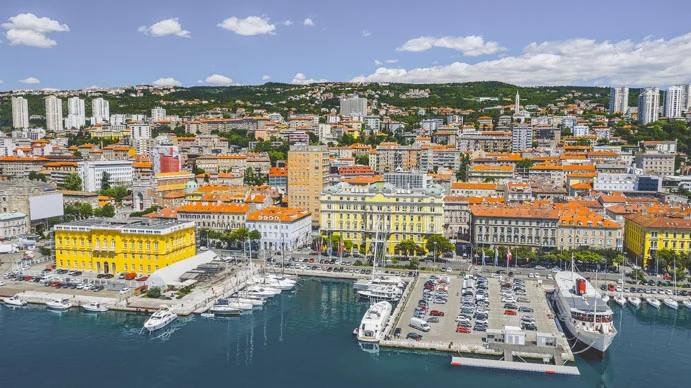
Rijeka is one of Croatia’s most dynamic and fascinating cities, offering visitors an extraordinary blend of maritime heritage, Austro-Hungarian architecture, cultural attractions, historic landmarks, and breathtaking Adriatic scenery. Located on the northern coast of the Adriatic Sea in Croatia, Rijeka serves as the country’s largest seaport and one of its most important economic and cultural centers.
For centuries, Rijeka has stood at the crossroads of Central Europe and the Mediterranean, attracting traders, sailors, merchants, and travelers from across the continent. This rich history has created a unique cultural identity reflected in the city’s architecture, traditions, cuisine, and cosmopolitan atmosphere.
Today, Rijeka combines historic charm with modern energy. Visitors can explore medieval castles, grand boulevards, museums, churches, bustling markets, and scenic waterfronts while experiencing one of Croatia’s most authentic urban destinations.
Whether you’re interested in history, architecture, maritime culture, photography, food, or coastal exploration, Rijeka offers unforgettable experiences and a distinctive perspective on Croatia’s Adriatic heritage.
1. Korzo – The Beating Heart of Rijeka

The vibrant Korzo is the city’s most famous street and social center.
Stretching through the heart of Rijeka, this lively pedestrian promenade is lined with elegant historic buildings, cafés, restaurants, boutiques, and cultural venues. It serves as the main gathering place for locals and visitors alike.
Walking along Korzo allows travelers to experience the energy of the city while admiring architecture that reflects centuries of Austro-Hungarian influence.
Street performers, festivals, outdoor events, and bustling cafés create a lively atmosphere throughout the year.
No visit to Rijeka is complete without spending time on Korzo.
2. Trsat Castle – The City’s Most Spectacular Viewpoint

Towering above the city is the magnificent Trsat Castle.
This medieval fortress offers some of the most breathtaking views in Croatia, overlooking Rijeka, the Adriatic Sea, surrounding islands, and distant mountains.
The castle’s origins date back centuries, and visitors can explore ancient walls, towers, courtyards, and exhibitions while learning about the region’s history.
The site is particularly magical during sunset when the city and coastline glow beneath golden light.
Trsat Castle remains one of Rijeka’s most beloved landmarks.
3. Trsat Sanctuary – Croatia’s Important Pilgrimage Site

Near the castle stands the beautiful Our Lady of Trsat Sanctuary.
This important pilgrimage destination attracts visitors from across Croatia and beyond. According to local tradition, the site has deep spiritual significance and has welcomed pilgrims for centuries.
Visitors can admire stunning religious architecture, beautiful artwork, peaceful gardens, and panoramic views of the city.
The sanctuary plays a central role in the cultural and spiritual life of Rijeka.
Its atmosphere of tranquility provides a meaningful contrast to the busy city below.
4. Rijeka Cathedral – A Baroque Treasure

One of the city’s most important religious landmarks is the elegant Cathedral of Saint Vitus.
Dedicated to Rijeka’s patron saint, the cathedral is known for its distinctive circular design, beautiful Baroque architecture, and rich artistic heritage.
Visitors can explore its impressive interior, admire religious artwork, and learn about the cathedral’s role in the city’s history.
The building remains one of the most significant examples of religious architecture in the region.
Its beauty and historical importance make it a must-visit attraction.
5. Rijeka City Tower – The Historic Gateway

The iconic Rijeka City Tower stands proudly at the entrance to the old city center.
Originally part of the city’s medieval fortifications, the tower has become one of Rijeka’s most recognizable symbols.
Visitors can admire its historic clock, decorative details, and impressive architecture while exploring nearby streets filled with shops and cafés.
The tower reflects the city’s long and fascinating history.
Its central location makes it a natural landmark for visitors navigating Rijeka.
6. Maritime and History Museum of the Croatian Coast

History enthusiasts should visit the fascinating Maritime and History Museum of the Croatian Coast.
Located in a beautiful former governor’s palace, the museum explores the maritime traditions, cultural heritage, and historical development of Rijeka and the Adriatic region.
Visitors can discover exhibits featuring ships, navigation tools, historical documents, artifacts, and artworks.
The museum provides valuable insight into the city’s identity as one of the Adriatic’s most important ports.
Its collections make it one of Croatia’s finest maritime museums.
7. Rijeka Market – A Taste of Local Life

To experience authentic local culture, visitors should explore the bustling Rijeka Central Market.
The market features fresh seafood, fruits, vegetables, cheeses, meats, and regional specialties sourced from across Croatia.
The historic market buildings themselves are architectural landmarks, reflecting the city’s Austro-Hungarian heritage.
Visitors can interact with local vendors, sample traditional products, and experience daily life in Rijeka.
The lively atmosphere makes it one of the city’s most engaging attractions.
8. Molo Longo – The Ultimate Waterfront Walk

One of the best ways to experience Rijeka’s maritime character is by walking along Molo Longo.
This long breakwater extends into the Adriatic Sea and offers spectacular views of the harbor, city skyline, mountains, and surrounding coastline.
Visitors can enjoy peaceful walks while watching ships arrive and depart from one of Croatia’s busiest ports.
The promenade is particularly beautiful during sunrise and sunset.
Its scenery perfectly showcases Rijeka’s connection to the sea.
9. Beaches and Coastal Escapes

Although known primarily as a city destination, Rijeka also offers access to beautiful beaches and coastal landscapes.
Nearby seaside areas provide opportunities for swimming, sunbathing, sailing, and enjoying the crystal-clear waters of the Adriatic Sea.
Visitors can easily combine urban exploration with relaxing coastal experiences.
The surrounding coastline is dotted with charming towns, hidden coves, and scenic viewpoints.
The combination of city life and natural beauty makes Rijeka especially appealing.
10. Croatian Cuisine and Rijeka’s Café Culture

Rijeka is a paradise for food lovers.
Its coastal location ensures an abundance of fresh seafood, while Central European and Mediterranean influences create a rich and diverse culinary tradition.
Visitors can enjoy grilled fish, seafood risottos, artisan cheeses, regional wines, fresh pastries, and traditional Croatian specialties.
The city’s cafés are equally important, serving as social hubs where locals gather to relax and enjoy conversation.
Dining in Rijeka offers an authentic taste of Adriatic culture and hospitality.
Related artical : Best place to visit in Split